
 +86-0573-88528475
 English
 русский
Search by posts
Product category
Industry News
 By Admin
Two Flags on One Pole: Rules, Hardware, and Setup Guide
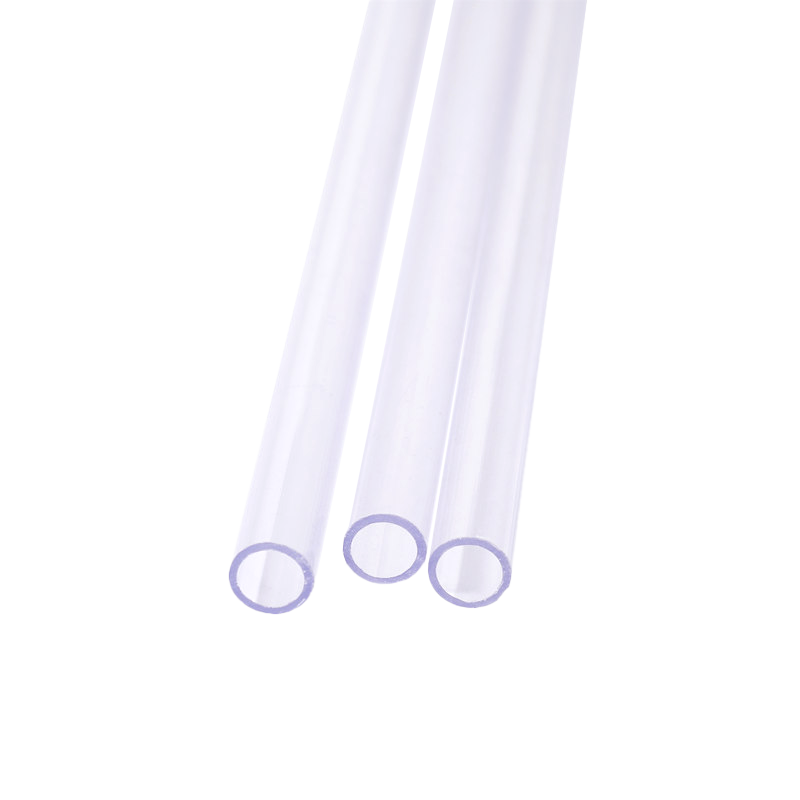
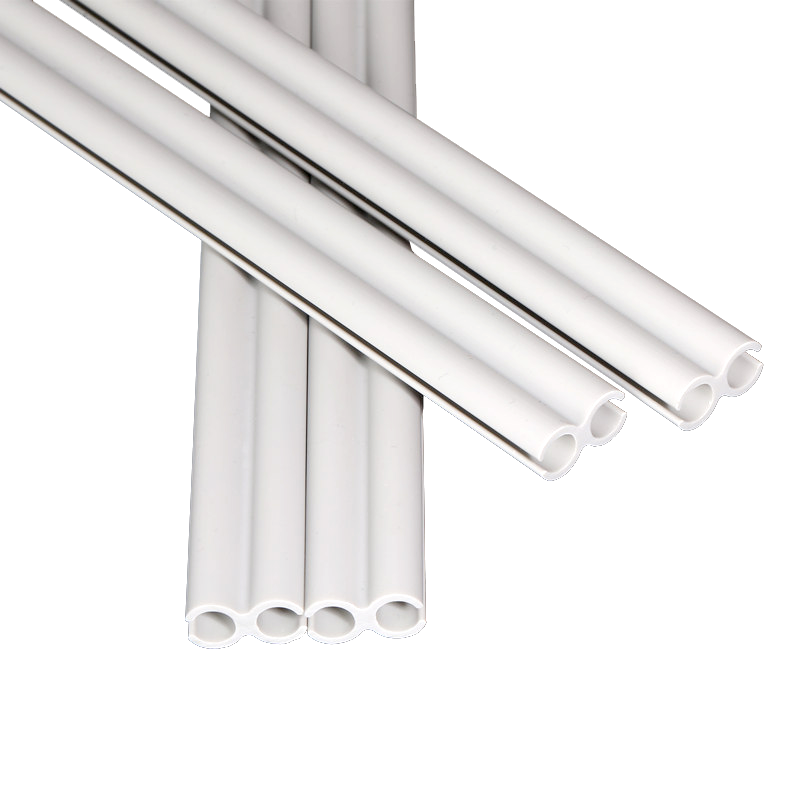
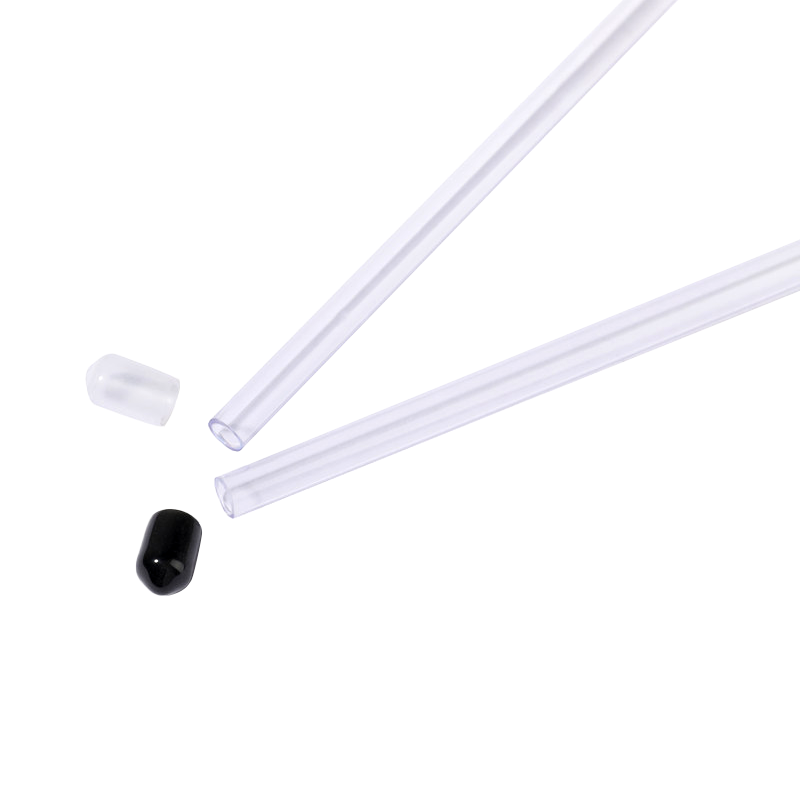
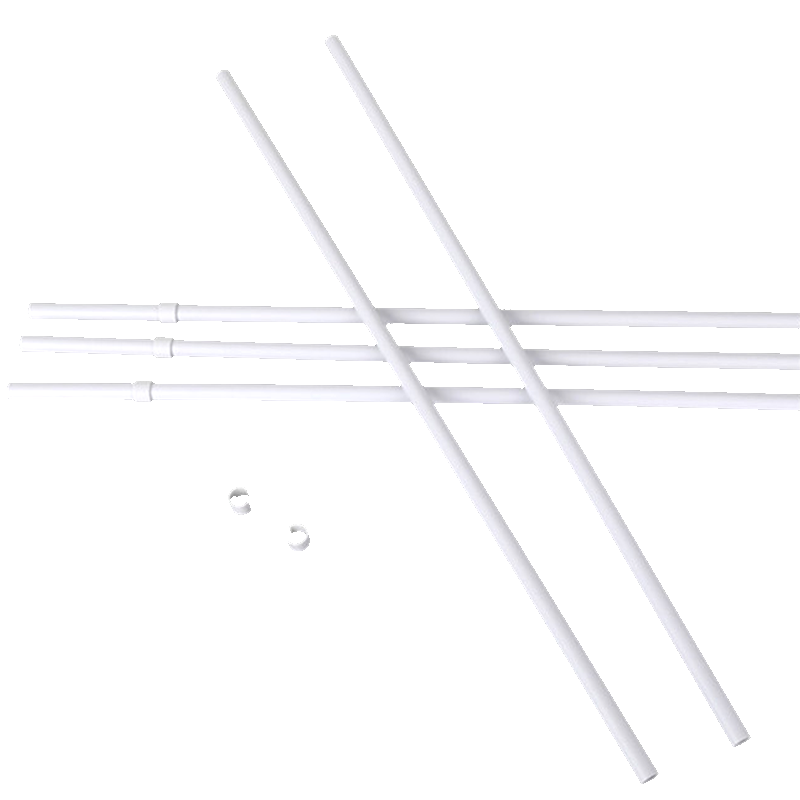
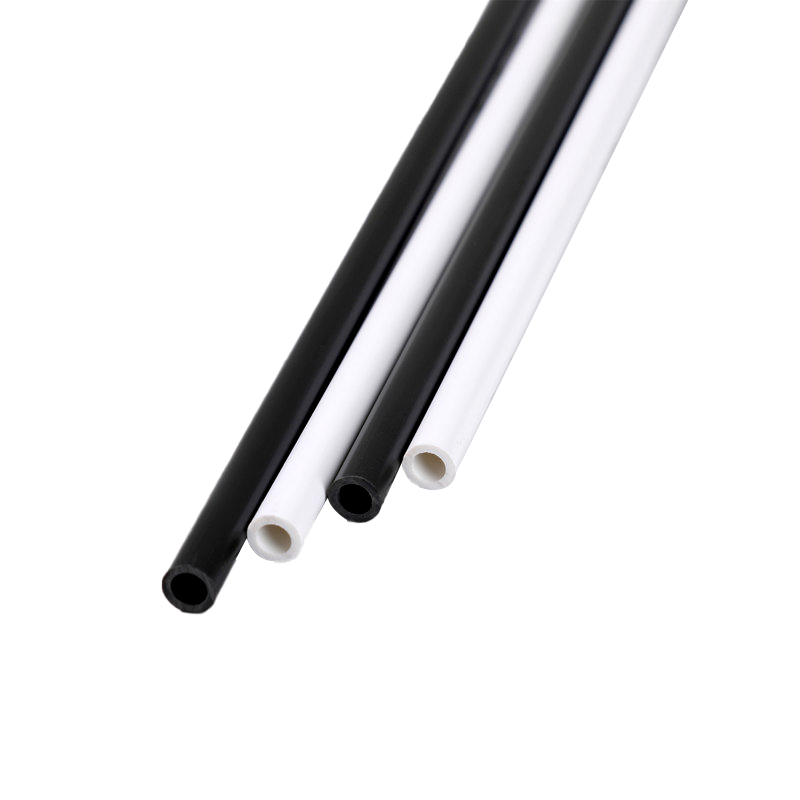
Content Yes, and it's a common setup for homes, businesses, and government buildings that want to display a state, military, or organizational flag alongside the U.S. flag. Two flags on one pole is not a workaround or a compromise. It's a recognized arrangement with its own set of rules, most of which trace back to the U.S. Flag Code, the federal guidance that governs how the American flag should be displayed. Getting it right matters more than people expect. A flag hung in the wrong position, at the wrong size, or paired with the wrong second flag can read as disrespectful even when the intent was the opposite. The rules below cover the parts that trip people up most often. When two flags share a single pole, the U.S. flag always occupies the top position. This is not a matter of preference. The Flag Code states that no other flag should be placed above the American flag, or to its right if displayed at the same level, with a narrow historical exception for naval church pennants during services at sea. In practice, this means a state flag, a military branch flag, a company flag, or any organizational banner gets positioned beneath the U.S. flag, typically with roughly a foot of separation on the halyard so the two don't tangle with each other during normal movement. Size is the second detail that consistently gets overlooked. When two flags fly on the same pole, the U.S. flag should be the same size as or larger than the flag beneath it, never smaller. A large state flag paired with an undersized American flag looks unbalanced at best and disrespectful at worst. This doesn't mean every secondary flag needs to shrink. Many two-flag setups use matching dimensions, such as a pair of 3x5 flags, which keeps the display visually even while still respecting the size hierarchy the code describes. There's one combination the Flag Code rules out entirely: two national flags on a single pole. If you want to fly the U.S. flag alongside the flag of another country, they need separate staffs of equal height, positioned at the same level, and roughly the same size. Flying one national flag above another, even briefly or unintentionally, runs against international flag etiquette. State, city, military, and organizational flags don't carry this restriction. They're built for the subordinate position beneath the U.S. flag on a shared pole. What they can't do is outrank it in size, height, or placement, and in most conventions, a company or advertising flag shouldn't share a pole with the U.S. flag at all. Flying two flags safely comes down to hardware as much as etiquette. The two most common setups are a dual halyard system, where each flag has its own rope and clips so they can be raised and lowered independently, and a secondary flag bracket or yardarm, which mounts below the main truck and gives the lower flag its own fixed point of attachment. Either method works, but the choice affects how much the flags interact with each other. A dual halyard keeps both flags on the same vertical line, which looks clean but requires enough spacing to prevent contact. A secondary bracket physically separates the flags, which reduces tangling at the cost of a slightly wider footprint. Two flags on one pole introduce a wrapping problem that a single flag doesn't have: the flags can catch on each other, not just on the pole itself. Wind direction, halyard slack, and the gap between the two flags all play into how often this happens. A reliable starting point is leaving a gap of at least one flag's height between the two, which gives each enough clearance to move independently in shifting wind. Beyond spacing, the underlying causes of wrap are largely mechanical, tied to swivel hardware, halyard tension, and pole design rather than bad luck. For a closer look at what actually causes a flag to twist around its pole, this breakdown of why flags wrap around the pole in the first place covers the mechanics in more depth, and a companion guide walks through practical ways to keep a flag from wrapping around the pole that apply directly to two-flag setups. Not every flagpole is built to carry two flags comfortably. Adding a second flag means more surface area catching wind, more hardware mounted on the pole, and more total weight pulling on the structure, so pole height, diameter, and material all need to account for that before installation, not after. For residential setups, that usually starts with matching pole height to the property and confirming the pole can support a secondary bracket or dual halyard without flexing excessively in wind. Buyers working through those decisions can reference a complete guide to flagpole height and diameter, and anyone mounting directly to a house rather than setting a freestanding pole will find more specific guidance in this overview of choosing a flagpole for house mounting. For those comparing materials, lightweight PVC poles are a common choice for two-flag setups because they resist corrosion and add less structural load than metal alternatives, and a full range of PVC flagpole pipe options is available for buyers comparing sizes side by side.Can You Fly Two Flags on One Pole?
Which Flag Goes on Top
Matching Flag Sizes and Proportions
What You Should Never Pair on the Same Pole
The Hardware That Makes It Work
Preventing Tangling and Wrap With Two Flags
Choosing the Right Pole for a Two-Flag Display
Recommended products
-
2023 New Cheap Plastic Pipe Multiple Colors And Sizes Custom Hand Waving Flagpole
-
Wholesale Custom Pvc Material Indoor Desktop Flagpole Hand Waving Flagpole
-
Customizable Size Custom Logo Plastics Hand Waving Flagpole Big Pvc Flagpole
-
Plastics Hand Waving Flagpole Factory Direct Custom Wholesale PVC Flagpole Parts Pipe
-
Custom Easy Install Safety Flagpole Pvc China Factory Hand Waving Flagpole
-
New Popular Product Transparent Pvc Flagpole Custom Size Hand Waving Flagpole
-
2023 High Quality Hand Waving Flagpole Big Or Small Flagpole Size Custom
-
Fast Delivery Promotion Factory Wholesale Flagpole Pvc Pipe Hand Waving Flagpole
-
2023 Personalized Custom Desk Hand Waving Flagpole Outdoor White Flagpole
-
Wholesale 2023 Hot Sale Used Flagpole Weight Custom Pvc Hand Waving Flagpole
-
Wholesale Products Cheap High Quality Hand Waving Flagpole Newest Sections Flagpole
-
Wholesale Cheap High-Quality Hot Sale Flagpole Cylindrical Hand Waving Flagpole

Follow Us:
Copyright © Tongxiang Guangyu Plastic Products Co., Ltd. Rights Reserved.
