
 +86-0573-88528475
 English
 русский
Search by posts
Product category
Industry News
 By Admin
Flag Pole Dimensions: Complete Size Guide for Height, Diameter & Foundation Depth
Standard Flagpole Heights: Residential vs. Commercial
Flagpole height is the first number most buyers look at—and the one most likely to be chosen incorrectly. The right height depends on your property type, the surrounding landscape, and how visible you want the flag to be from the street or road.
For residential properties, 15 to 25 feet covers the practical range. A 20-foot pole is the most common residential choice: it clears most rooflines on single-story homes, supports a standard 3×5 ft flag without overwhelming the yard, and fits standard HOA height caps. Properties with larger lots or two-story homes often step up to 25 feet for better street visibility. Heights above 25 feet begin to look commercial in a neighborhood setting and may require additional permits.
Commercial properties—retail stores, schools, office buildings, car dealerships—start at 25–30 feet and commonly run up to 50 feet. Government facilities and large campuses may use poles up to 80 feet. The guiding principle is that the flag should be visible above or near the roofline of the main structure. A 30-foot building typically pairs well with a 35-foot pole; a 50-foot structure often gets an equal-height pole.
| Setting | Recommended Height | Common Flag Size |
|---|---|---|
| Residential (small lot) | 15–20 ft | 3×5 ft |
| Residential (large lot) | 20–25 ft | 4×6 ft |
| Small business / school | 25–35 ft | 5×8 or 6×10 ft |
| Commercial / institutional | 35–50 ft | 6×10 or 8×12 ft |
| Government / civic | 50–80 ft | 10×15 ft or larger |
If you're sourcing flagpoles for events or installations where height flexibility matters, custom-sized hand waving flagpoles for any display need can be ordered to match non-standard requirements.
Content
Flagpole Diameter and Wall Thickness
Height tells you how tall your pole stands. Diameter tells you whether it will still be standing after a storm.
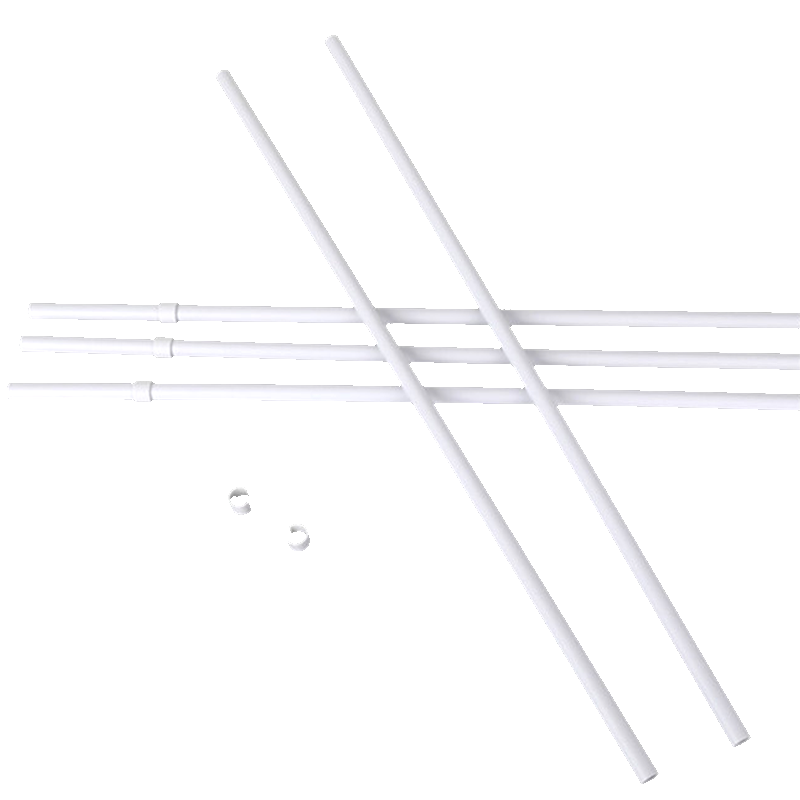
The standard diameter range runs from 3 inches for compact residential poles up to 12 inches for large commercial installations. A 20-foot residential pole typically has a butt (base) diameter of 3 to 5 inches, tapering toward the top. A 30-foot commercial pole commonly measures 5 to 7 inches at the butt. As poles get taller, both the base diameter and wall thickness must increase to maintain structural integrity under wind loading.
Wall thickness is the other critical dimension. Thicker walls resist bending moments more effectively than wider but thin-walled poles. Entry-level residential poles often have walls around 0.125 inches thick; commercial-grade poles in high-wind zones may spec out at 0.25 inches or more. The material matters here too—aluminum, fiberglass, and PVC each have different strength-to-weight characteristics. Understanding material choices that affect plastic pipe flagpole performance helps you match wall thickness to actual wind conditions rather than guessing.
Most poles use a tapered cone design: a standard taper of 1 inch per 7 feet of height is a common engineering specification for steel poles. This taper distributes bending stress more evenly along the shaft than a uniform-diameter design.
Foundation Depth: The 10% Rule and Beyond
The foundation is where most DIY flagpole installations fail. Undersized foundations lead to leaning poles, concrete cracking, and eventually full reinstallation.
The standard starting point: foundation depth should equal at least 10% of the flagpole's total height. For a 20-foot pole, that's a minimum 2-foot embedment. A 30-foot pole needs at least 3 feet. In soft or sandy soil, increase depth by 20–30% to compensate for reduced bearing capacity. Rocky soil may allow slightly shallower embedment if the rock itself provides solid anchorage.
Hole diameter is equally important. Size the hole to approximately three times the diameter of the ground sleeve. This ratio ensures enough concrete mass surrounds the sleeve to resist lateral wind loads. A 5-inch sleeve should go into a 15-inch diameter hole; a 7-inch sleeve needs roughly a 21-inch hole.
| Pole Height | Min. Foundation Depth | Recommended Hole Diameter |
|---|---|---|
| 15 ft | 18 in (1.5 ft) | 12–14 in |
| 20 ft | 24 in (2 ft) | 14–18 in |
| 25 ft | 30 in (2.5 ft) | 18–21 in |
| 30 ft | 36 in (3 ft) | 21–24 in |
| 40 ft | 48 in (4 ft) | 24–30 in |
Add 2–3 inches of drainage gravel at the base of every hole before the sleeve goes in. Water pooling at the foundation base accelerates sleeve corrosion and can heave concrete in freeze-thaw climates.
Flag-to-Pole Ratio: Matching Flag Size to Pole Height
A flag that's the wrong size for its pole creates two problems: it looks proportionally wrong, and it either puts excess stress on the hardware or disappears visually against the sky. The industry-standard ratio addresses both.
The flag's fly length (horizontal width) should be approximately one-quarter to one-third of the pole's height. On a 20-foot pole, that means a flag between 5 and 6.7 feet wide—which corresponds to the standard 3×5 ft or 4×6 ft flag sizes. On a 25-foot pole, a 4×6 ft flag sits at the lower end of the range; a 5×8 ft flag fills it out better. For commercial 30-foot poles, a 6×10 ft flag is the sweet spot.
| Pole Height | Recommended Flag Size | Flag Fly Length |
|---|---|---|
| 15–20 ft | 3×5 ft | 5 ft |
| 20–25 ft | 4×6 ft | 6 ft |
| 25–30 ft | 5×8 ft | 8 ft |
| 30–40 ft | 6×10 ft | 10 ft |
| 40–50 ft | 8×12 ft | 12 ft |
Flying two flags on one pole? Size the top flag first using the ratio above, then drop one full size for the secondary flag. Exceeding the recommended surface area significantly increases hardware stress and reduces flag lifespan.
Wind Load Ratings and How Dimensions Affect Safety
Pole height and diameter are only meaningful in the context of wind. A pole that meets the size chart but isn't rated for local wind conditions will eventually fail—often at the worst possible time.
The engineering benchmark for metal flagpoles is ANSI/NAAMM FP 1001-07, the industry guide for calculating wind pressure, bending moments, and stress analysis across pole dimensions. Wind load scales with pole height: a 30-foot pole with a 5-inch butt diameter in a standard aluminum configuration is typically rated around 78 mph when flying a nylon flag. The same pole height with a 7-inch butt diameter may handle 100+ mph. For the full dimensional specifications and wind-load calculation methodology, the NAAMM guide specifications for metal flagpole design and wind engineering remain the authoritative reference.
Practical takeaway: always look up your location's design wind speed (available through ASCE 7 maps) and confirm your pole's rated capacity meets or exceeds that number. Coastal areas, open plains, and elevated properties often require a larger-diameter pole than the height chart alone would suggest. For a comparison of how different flagpole materials hold up over time, especially in high-humidity or high-UV environments, see how the lifespan of plastic flagpoles compares to aluminum and wood.
Custom Flag Pole Dimensions: When Standard Sizes Don't Fit
Standard catalogue sizes cover most applications, but specific situations demand something outside the usual range. Parade routes, trade show pavilions, rooftop installations, and unusual terrain gradients all create cases where off-the-shelf dimensions simply don't work.
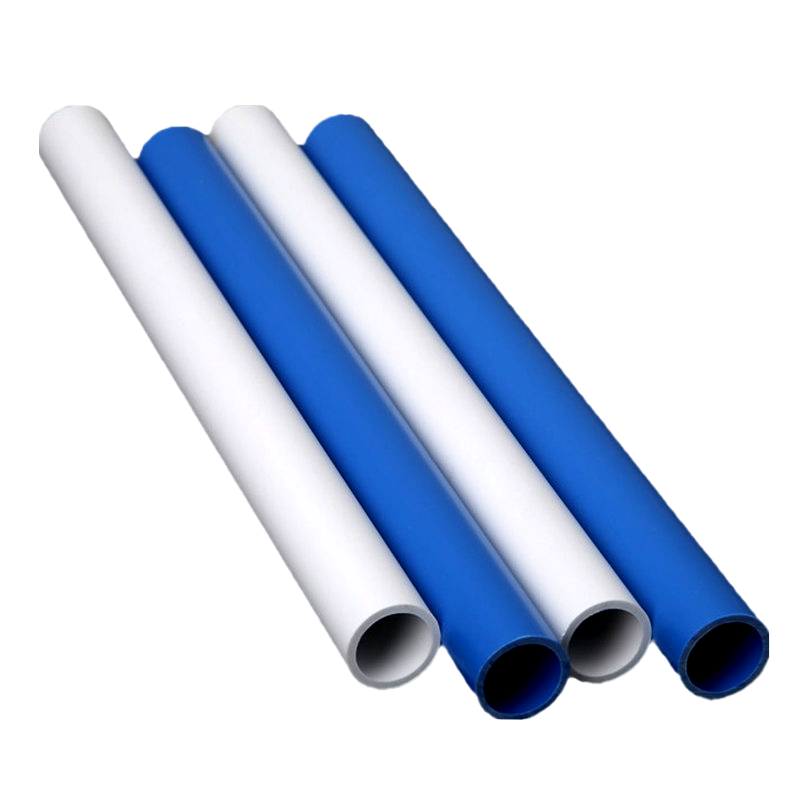
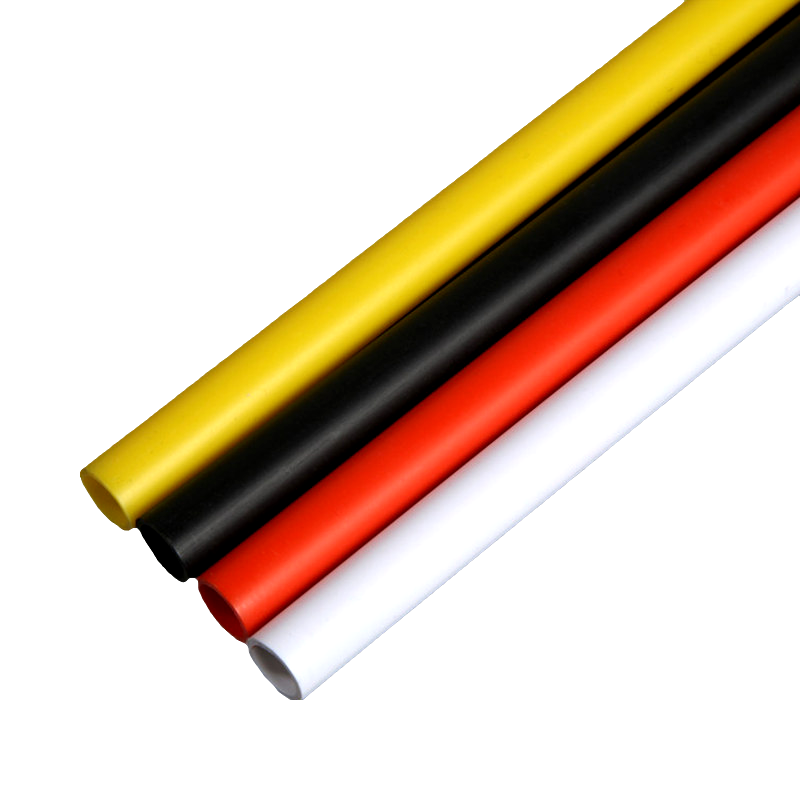
Custom flagpole manufacturing allows you to specify exact height, butt diameter, wall thickness, sleeve dimensions, and section count. PVC and plastic-composite poles in particular lend themselves well to custom sizing because the extrusion and molding processes are inherently flexible—adjusting dimensions doesn't require tooling changes the way metalworking does. This makes them a practical choice for orders that need non-standard lengths or diameters at competitive pricing.
For outdoor custom-size flagpole orders suited to festivals, commercial displays, or mobile setups, wholesale custom-size outdoor flagpole options are available with flexible specification. If you need a standard cylindrical form factor at volume pricing, high-quality cylindrical hand waving flagpoles at wholesale pricing cover the most commonly requested commercial dimensions.
The key is matching every dimension—height, diameter, wall thickness, and foundation depth—as a system rather than choosing each number independently. Get one dimension wrong and the others can't compensate.
Recommended products
-
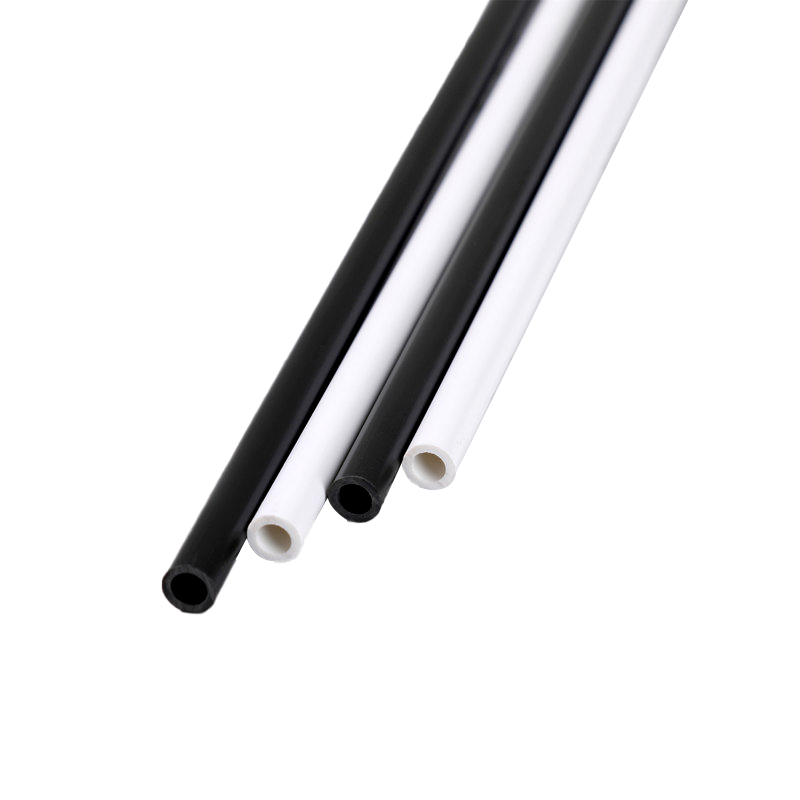
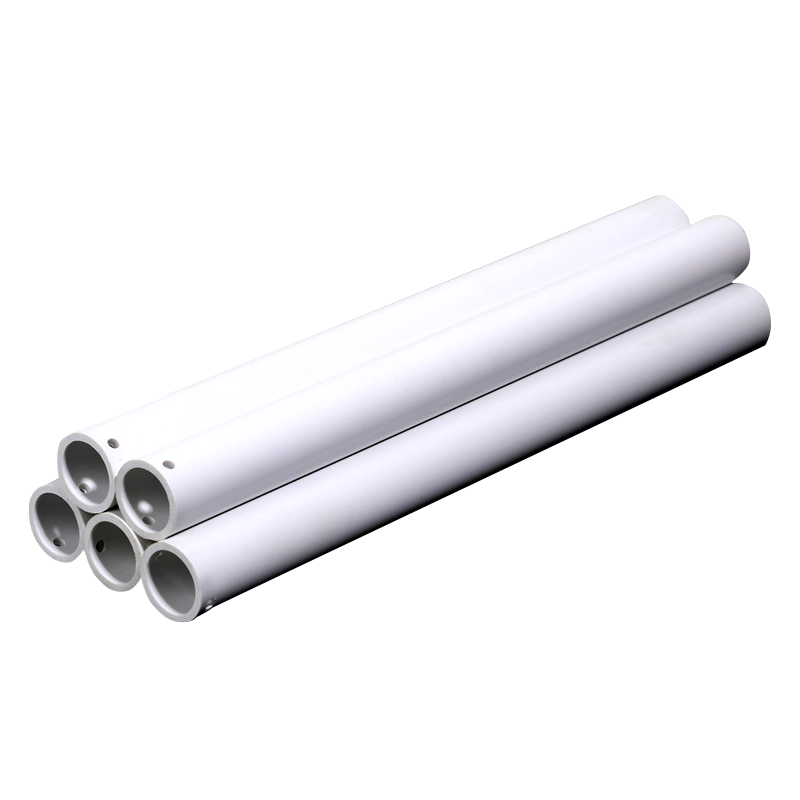
2023 New Cheap Plastic Pipe Multiple Colors And Sizes Custom Hand Waving Flagpole
-
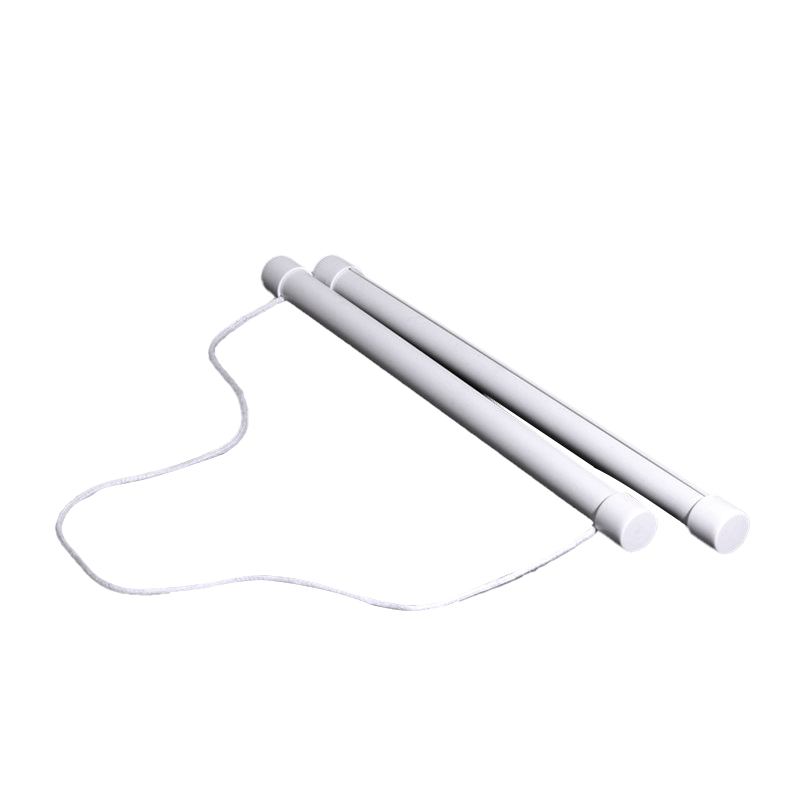
Wholesale Custom Pvc Material Indoor Desktop Flagpole Hand Waving Flagpole
-
Customizable Size Custom Logo Plastics Hand Waving Flagpole Big Pvc Flagpole
-
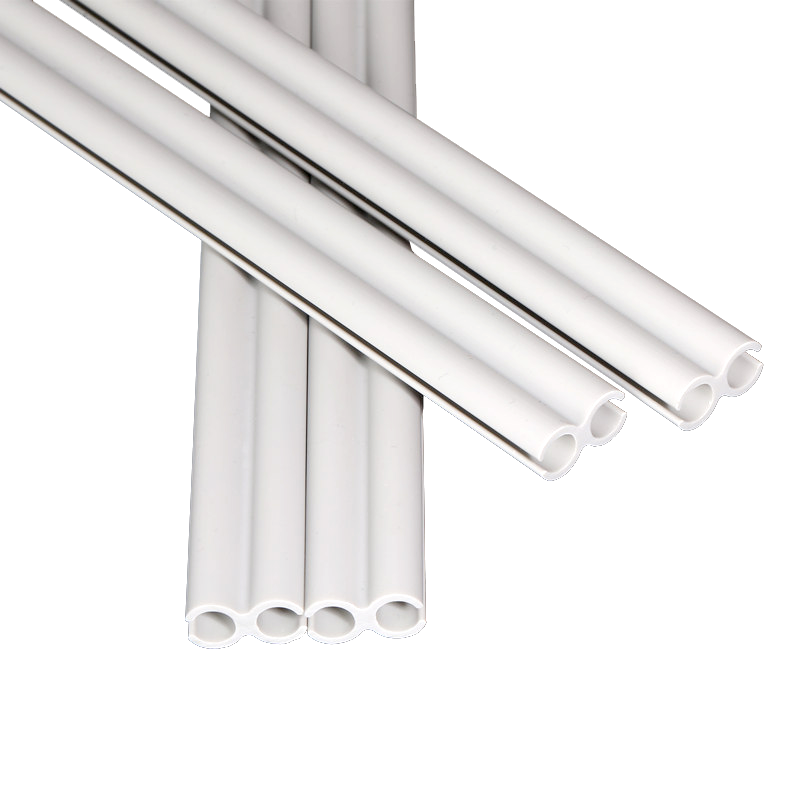
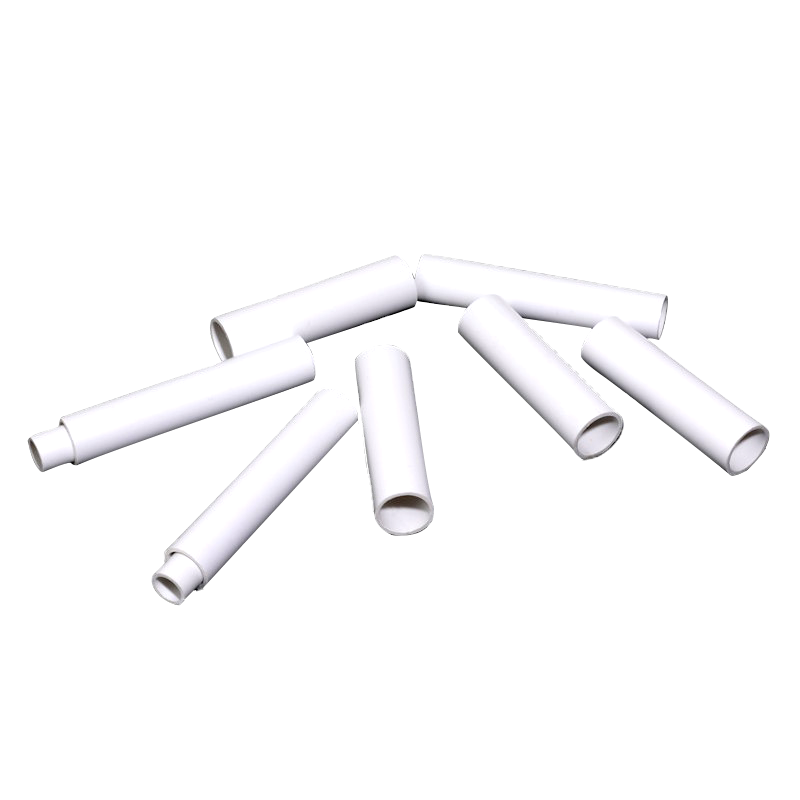
Plastics Hand Waving Flagpole Factory Direct Custom Wholesale PVC Flagpole Parts Pipe
-
Custom Easy Install Safety Flagpole Pvc China Factory Hand Waving Flagpole
-
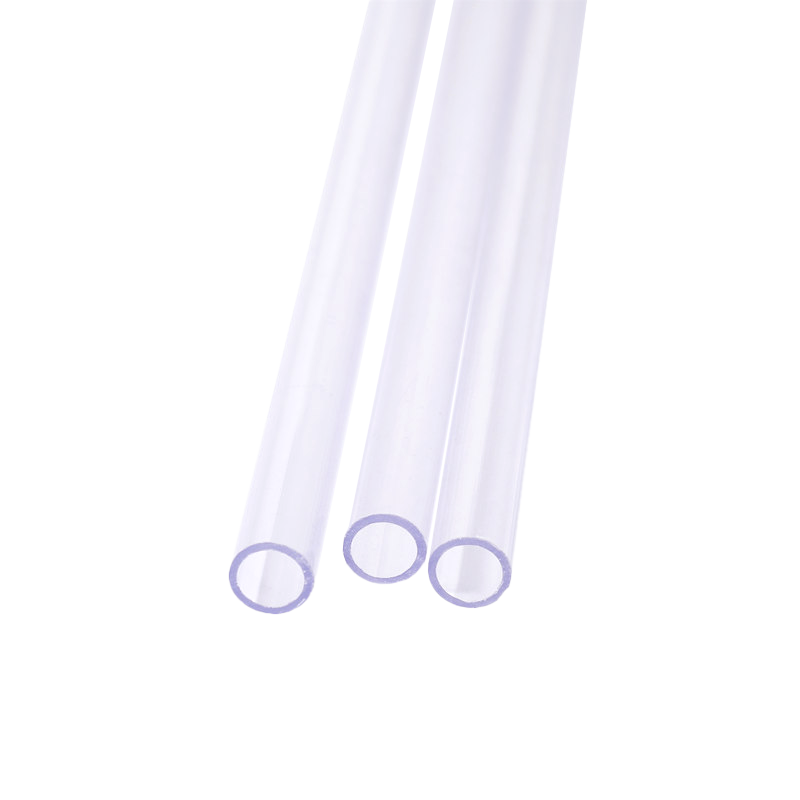
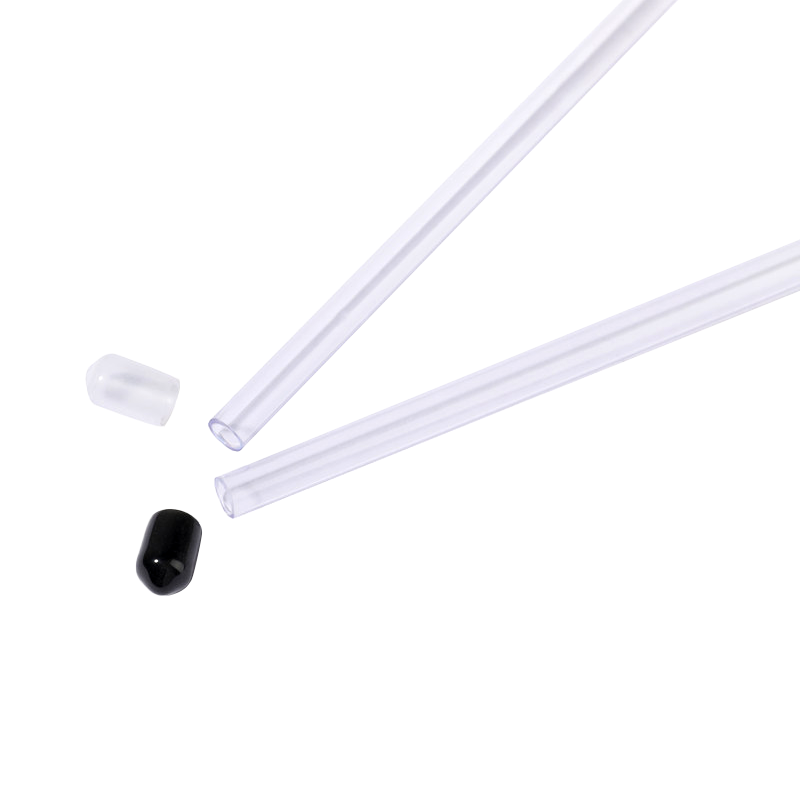
New Popular Product Transparent Pvc Flagpole Custom Size Hand Waving Flagpole
-
2023 High Quality Hand Waving Flagpole Big Or Small Flagpole Size Custom
-
Fast Delivery Promotion Factory Wholesale Flagpole Pvc Pipe Hand Waving Flagpole
-
2023 Personalized Custom Desk Hand Waving Flagpole Outdoor White Flagpole
-
Wholesale 2023 Hot Sale Used Flagpole Weight Custom Pvc Hand Waving Flagpole
-
Wholesale Products Cheap High Quality Hand Waving Flagpole Newest Sections Flagpole
-
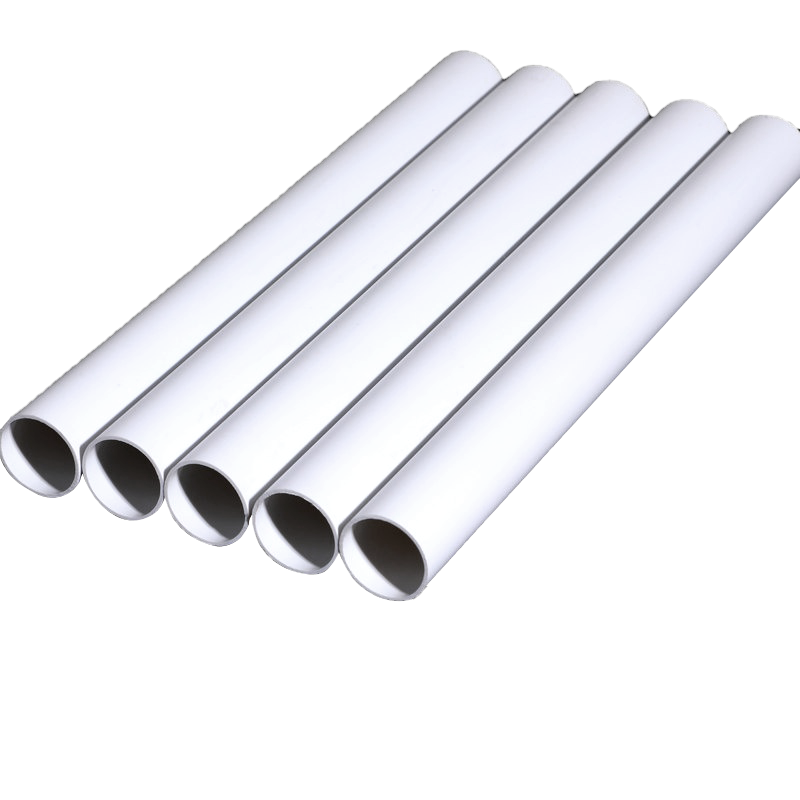
Wholesale Cheap High-Quality Hot Sale Flagpole Cylindrical Hand Waving Flagpole

Follow Us:
Copyright © Tongxiang Guangyu Plastic Products Co., Ltd. Rights Reserved.
