
 +86-0573-88528475
 English
 русский
Search by posts
Product category
Industry News
 By Admin
Flag Pole for House Mount: How to Choose, Size, and Install
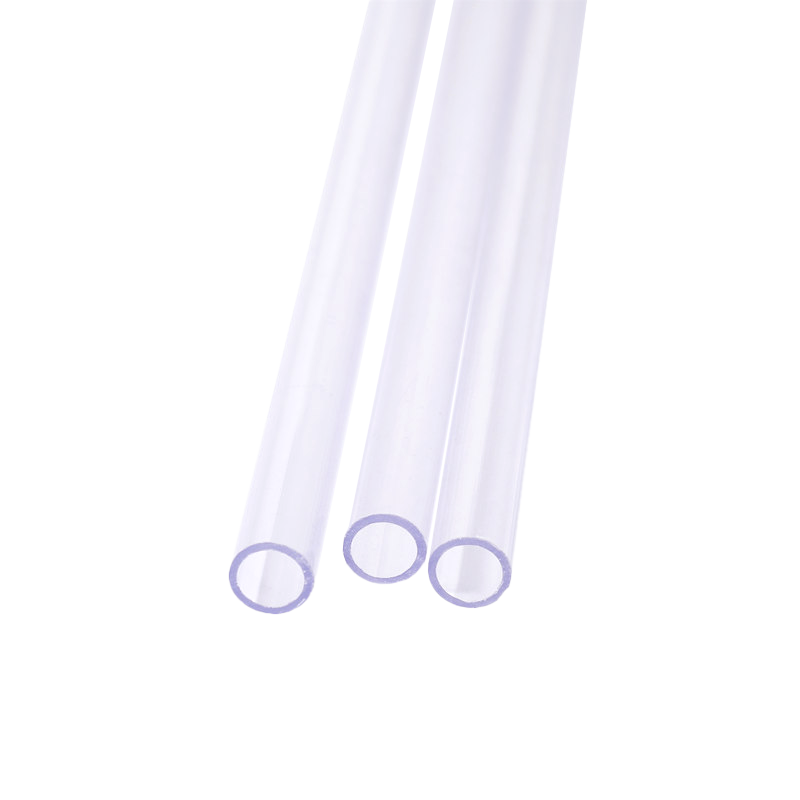
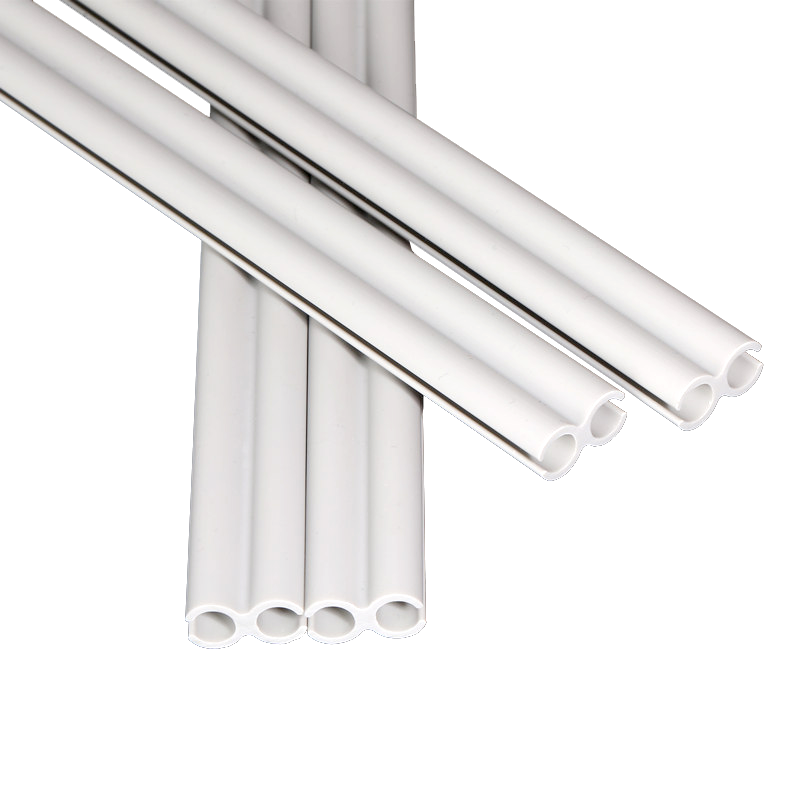
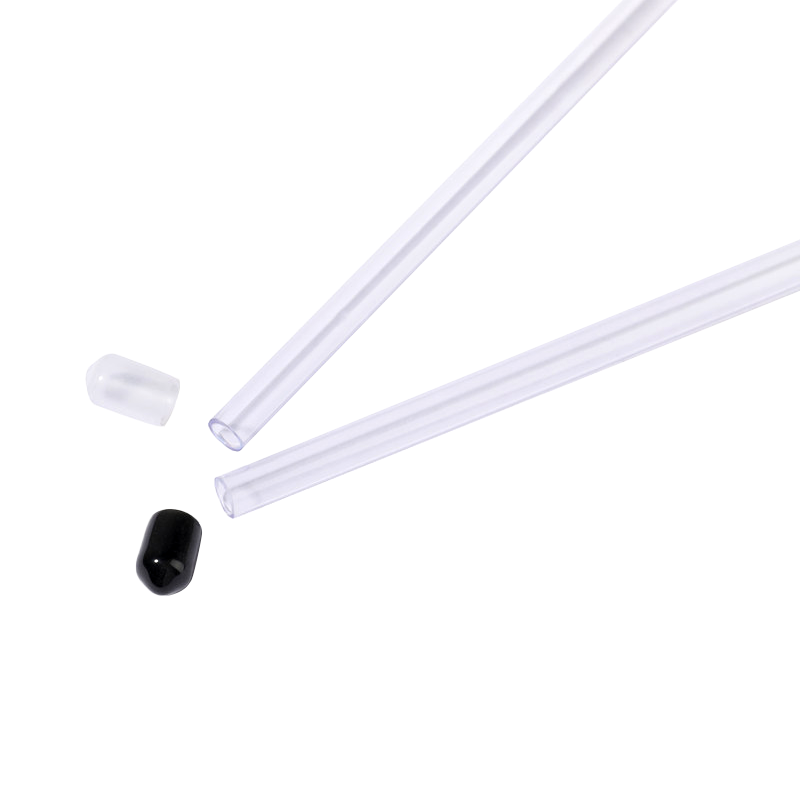
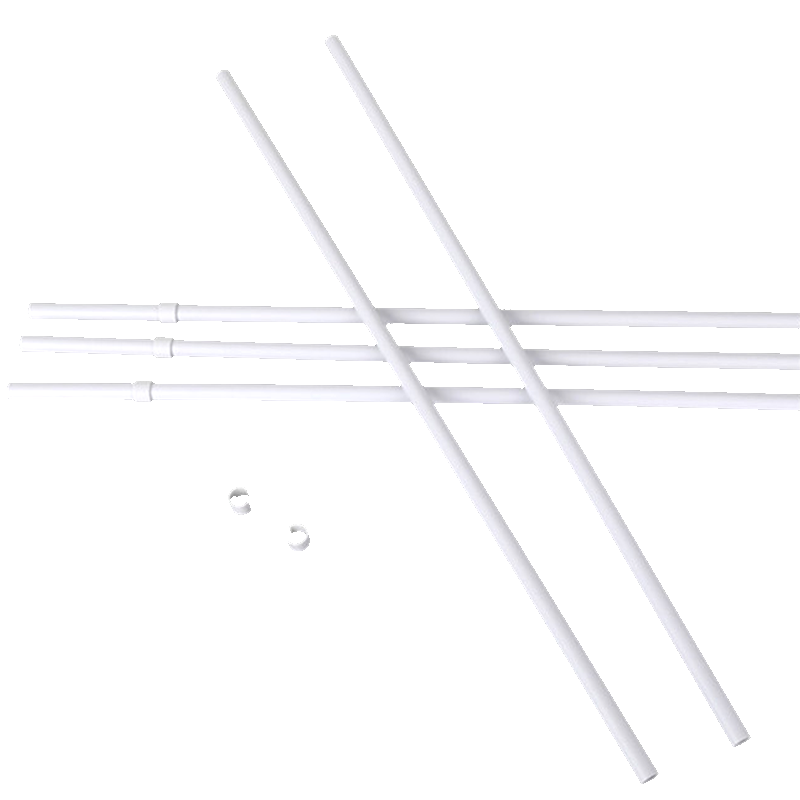
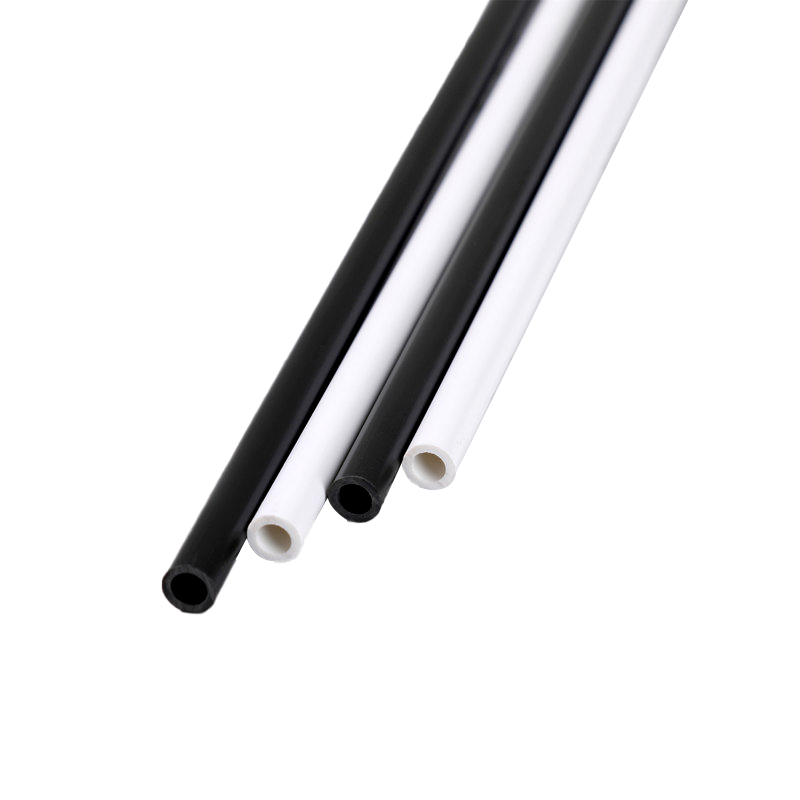
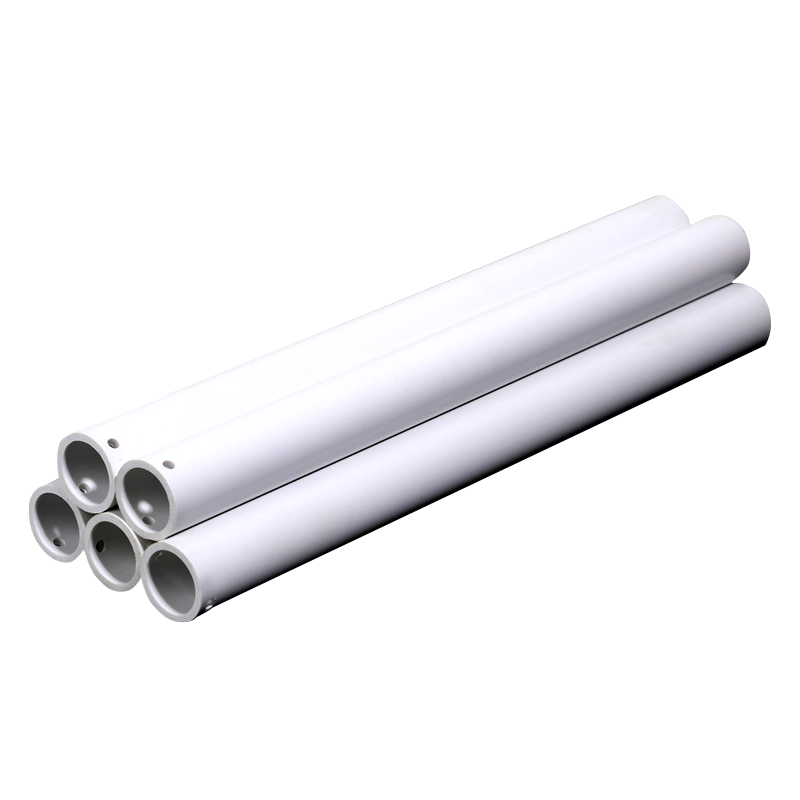
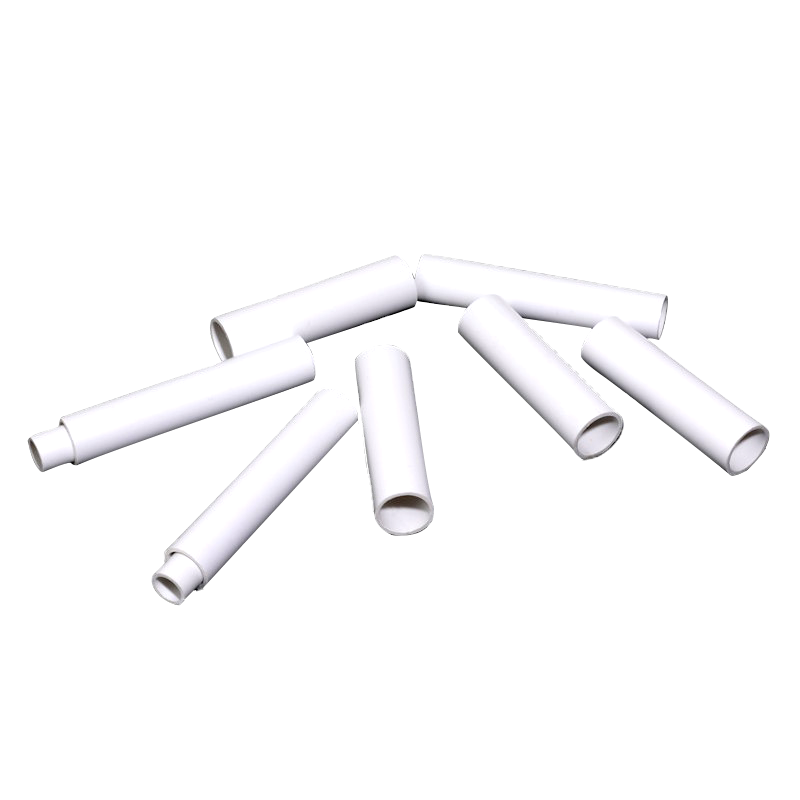
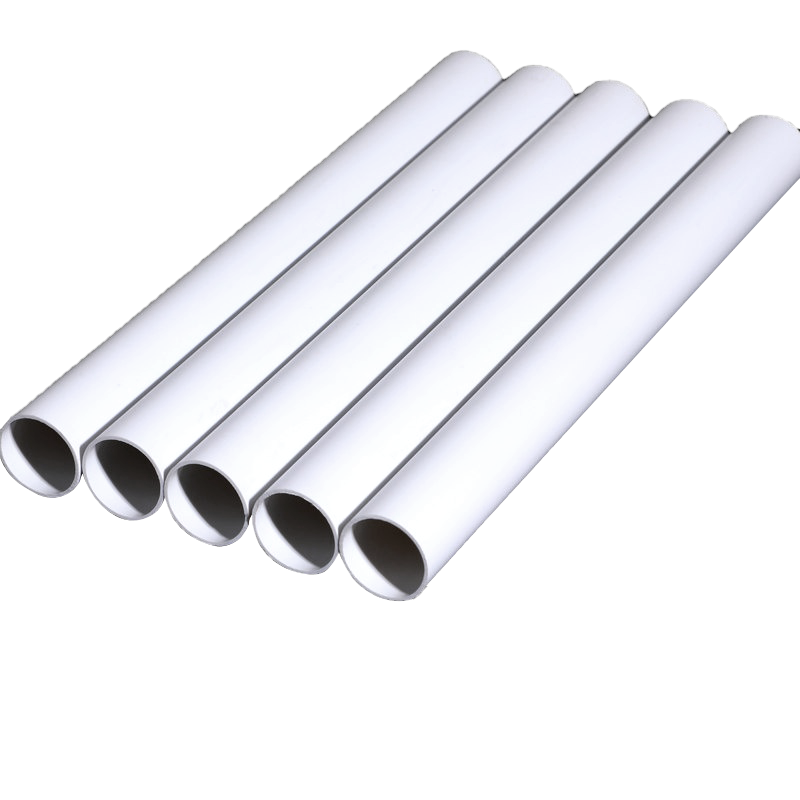
Content A house-mount flagpole looks simple from the street — a pole, a bracket, a flag. But the decisions that produce a display that stays straight, flies cleanly, and holds firm in bad weather are made well before you pick up a drill. Getting those decisions right up front saves you from remounting a loose bracket or replacing a pole that was the wrong length for the flag you wanted to fly. Three variables determine which setup will actually work for your home. The first is your mounting surface — wood framing, brick, stucco, and vinyl siding all require different fasteners and different installation approaches. The second is your available clearance: the pole needs room to extend outward without hitting a gutter, a window casing, or the edge of a porch roof. The third is the flag itself. Pole length should be chosen to match the flag size you want to display, not the other way around. Work through these three factors before comparing poles and brackets, and the rest of the selection process becomes straightforward. Most residential house-mount poles come in three practical lengths: 5 ft, 6 ft, and 8 ft. The right choice depends primarily on the flag you intend to fly and where the bracket will be positioned on your home's exterior. The standard pairing for a typical front-entry display is a 6 ft pole with a 3×5 ft flag. This combination gives the flag enough room to fly freely without the leading edge dragging against the house face in light wind. For a more prominent display — particularly on a two-story home or a wide facade — an 8 ft pole with a 4×6 ft flag creates a stronger visual presence from the street. Smaller 5 ft poles suit compact entry areas, narrow porches, or situations where clearance from a door or window is tight. Diameter is the specification most buyers overlook until it causes a problem at installation. Standard residential poles are 1 inch in diameter; heavier-duty options run 1¼ inches. The bracket bore must match the pole diameter exactly — a pole that is even slightly undersized will rock in its bracket under wind load, stressing the mounting screws and accelerating wear at the collar. Always confirm the pole diameter against the bracket specification before ordering both. The material of a house-mount flagpole affects its weight, how it handles outdoor exposure, how much maintenance it requires, and how it performs under sustained wind. Each option involves a different set of trade-offs. Aluminum dominates the residential market for good reason — it is light enough to handle single-handed during installation, resistant to rust under typical outdoor conditions, and available in a wide range of finishes. PVC and plastic poles occupy a distinct niche that is worth understanding. Because plastic carries zero corrosion risk, it performs consistently in humid, coastal, or heavily shaded environments where surface moisture stays on the pole for extended periods. The low weight also reduces stress on the bracket mounting points, which matters on homes where the bracket must be anchored into siding or softer substrate rather than solid stud framing. For a closer look at what goes into a well-made plastic flagpole pipe, the PVC flagpole pipe components for house display used in quality production illustrate why material selection at the manufacturing level matters to end-use performance. For buyers comparing long-term value across materials, the expected lifespan of plastic flagpoles vs aluminum or wood is a useful reference point — particularly for anyone in a climate where UV exposure, salt air, or freeze-thaw cycles accelerate degradation in metal and timber poles. And if you want to understand the full range of plastic formulations available for flagpole applications, the breakdown of material choices for plastic pipe flagpoles covers the key distinctions. The bracket is what connects the pole to your house, and its angle determines how the flag presents to the street. Getting this right is as much a practical decision as an aesthetic one. A 45-degree angle is the most common residential choice. It projects the pole outward and upward at a diagonal, giving the flag room to catch the breeze and move freely while keeping the pole compact enough to clear most eaves and window frames. This angle also distributes wind load more efficiently than a fully horizontal mount, reducing lateral stress on the bracket screws. A 90-degree horizontal mount creates a bolder, more assertive display — the flag projects straight out from the wall with maximum visibility. It works well on wide, unobstructed wall sections, but the trade-off is leverage: a horizontally extended pole places more torque on the bracket base, which demands deeper fastener penetration and a more solid anchor point. Adjustable brackets allow you to dial in any angle between roughly 30 and 90 degrees. They are the most flexible choice for homes with challenging geometry — low rooflines, overhanging eaves, or plantings that require the pole to clear an obstacle at a specific angle. Multi-position brackets often have two or three preset click-stops rather than fully infinite adjustment, so confirm the available angles before purchasing. For placement on the house, the traditional position is beside the front door — either side is appropriate, with preference given to the side that produces the most unobstructed clearance. Mounting height should place the base of the pole at roughly shoulder level or slightly above, keeping the flag visible from the street without the tip of the pole encroaching on gutters or roofline trim. Installation success depends almost entirely on matching your fasteners to your wall material. The bracket itself may be rated for heavy outdoor use, but if it is anchored incorrectly into the substrate, the first serious wind event will expose the weakness. Wood-framed walls are the most straightforward surface to work with. Use ¼-inch or 5/16-inch exterior-grade lag screws and drive them at least 1.5 to 2 inches into the stud behind the sheathing — not just into the cladding. Locate the stud first with a stud finder, mark your bracket hole positions, pre-drill pilot holes slightly smaller than the screw diameter, and apply exterior sealant around each penetration before seating the screws to prevent water intrusion behind the cladding. Brick and masonry require hammer drill bits and masonry anchors or expansion bolts sized to match the bracket hole diameter. Tap the anchor flush with the surface, position the bracket, and tighten the bolt until the bracket sits firm without rocking. Avoid overtightening into older or softer brick — the goal is a solid hold, not compression that cracks the mortar joint. Vinyl and composite siding presents the most challenge because the siding itself offers no structural holding power. The fasteners must pass through the siding and anchor into the sheathing or framing behind it. Use longer screws than the bracket hardware alone suggests, and consider adding a flat backing plate behind the siding at the bracket location to distribute the load across a wider area and prevent the bracket from pulling through under sustained wind. An easy-install PVC safety flagpole with a lighter overall weight is a practical advantage on vinyl siding surfaces precisely because it reduces the load demands on the bracket anchor points. Regardless of surface type, hold the bracket in its final position, use a level to confirm alignment, mark every hole location before drilling, and apply exterior-grade caulk around all penetrations before tightening the final fasteners. Flag tangling — where the flag wraps around the pole in wind and stays wrapped — is the single most common complaint about residential house-mount displays. A spinning pole eliminates this problem at the source. A spinning flagpole incorporates a free-rotating section at or near the top that allows the flag attachment point to rotate independently of the pole body. As wind direction shifts or gusts increase, the flag rotates with the airflow instead of wrapping around the pole. The result is a display that unfurls naturally when the wind picks up rather than hanging in a twisted bundle until someone manually straightens it. The practical question is whether the added mechanism is worth it for your specific location. In areas with steady prevailing winds that come consistently from one direction, a fixed pole can perform well — the flag simply streams outward and stays there. In locations with variable or gusty winds, particularly urban settings where buildings redirect airflow unpredictably, a spinning pole is the more reliable choice for a consistently clean display. One consideration worth checking before buying a spinning pole: the mechanism is the most mechanically complex part of the assembly, and over time the bearings or swivel collars can collect grit and stiffen. Periodic rinsing and occasional lubrication of the rotating collar keeps the mechanism moving freely. For a detailed look at how structural design affects long-term flagpole performance under repeated stress, the analysis of risks of flagpole bending or breaking under stress is worth reviewing — it addresses the wind-load variables that matter most for house-mounted installations. A house-mount flagpole requires far less maintenance than a freestanding ground pole, but a few simple habits significantly extend the life of both the hardware and the flag. Inspect the bracket twice a year — once in spring and once in fall. Check that all screws are seated and tight, that the bracket has not shifted or pulled away from the wall surface, and that there is no visible cracking or deformation at the bracket collar where the pole sits. Catching a loose fastener early prevents the kind of progressive movement that eventually strips the anchor point entirely. Clean the pole periodically. Aluminum poles benefit from an occasional wipe-down with mild soap and water to remove oxidation buildup and road grime. PVC and plastic poles can be cleaned with the same approach — the absence of surface coatings means there is nothing to abrade or lift. Avoid abrasive cleaners on any pole finish, as surface scratches accelerate weathering in UV-exposed environments. Bring the flag inside before major storms. A house-mount pole and bracket are engineered for typical residential wind loads, not sustained gusts from severe weather events. Removing the flag during storms eliminates both the risk of flag damage and the risk of the bracket experiencing forces well beyond its design rating. The pole itself can remain in the bracket; it is the sail-like surface area of a flying flag that generates the meaningful load in high wind. Rotate your flags seasonally. UV exposure, rain, and wind gradually degrade all outdoor flag fabrics. Keeping a spare flag and alternating them every few months — or bringing the current flag inside during extended periods of bad weather — doubles the effective display life of each flag without requiring any changes to the pole or bracket setup.What to Know Before You Buy a House-Mount Flag Pole
Pole Length and Diameter: Sizing It Right
Pole Length
Recommended Flag Size
Best Application
5 ft
2×3 ft
Compact entryways, narrow porches, tight clearance areas
6 ft
3×5 ft
Standard residential front entry — most common setup
8 ft
4×6 ft
Two-story homes, wide facades, high-visibility displays
Material Comparison: Aluminum, Steel, Wood, and PVC
Material
Weight
Rust / Corrosion
Maintenance
Typical Use
Aluminum
Light
Resistant (anodized)
Low
Most residential kits; spinning poles
Stainless Steel
Heavier
Excellent
Very low
Coastal and high-wind environments
Wood
Medium
Vulnerable to rot
High (sealing, refinishing)
Traditional and classic aesthetics
PVC / Plastic
Very light
None — fully corrosion-proof
Minimal
Budget-friendly, portable, custom applications
Bracket Angles and Mounting Positions Explained
How to Install a Flag Pole Bracket: Surface-by-Surface Guide
Spinning vs Fixed Poles: Solving the Tangle Problem
Maintenance and Long-Term Care
Recommended products
-
2023 New Cheap Plastic Pipe Multiple Colors And Sizes Custom Hand Waving Flagpole
-
Wholesale Custom Pvc Material Indoor Desktop Flagpole Hand Waving Flagpole
-
Customizable Size Custom Logo Plastics Hand Waving Flagpole Big Pvc Flagpole
-
Plastics Hand Waving Flagpole Factory Direct Custom Wholesale PVC Flagpole Parts Pipe
-
Custom Easy Install Safety Flagpole Pvc China Factory Hand Waving Flagpole
-
New Popular Product Transparent Pvc Flagpole Custom Size Hand Waving Flagpole
-
2023 High Quality Hand Waving Flagpole Big Or Small Flagpole Size Custom
-
Fast Delivery Promotion Factory Wholesale Flagpole Pvc Pipe Hand Waving Flagpole
-
2023 Personalized Custom Desk Hand Waving Flagpole Outdoor White Flagpole
-
Wholesale 2023 Hot Sale Used Flagpole Weight Custom Pvc Hand Waving Flagpole
-
Wholesale Products Cheap High Quality Hand Waving Flagpole Newest Sections Flagpole
-
Wholesale Cheap High-Quality Hot Sale Flagpole Cylindrical Hand Waving Flagpole

Follow Us:
Copyright © Tongxiang Guangyu Plastic Products Co., Ltd. Rights Reserved.
