
 +86-0573-88528475
 English
 русский
Search by posts
Product category
Industry News
 By Admin
How to Keep a Flag From Wrapping Around the Pole
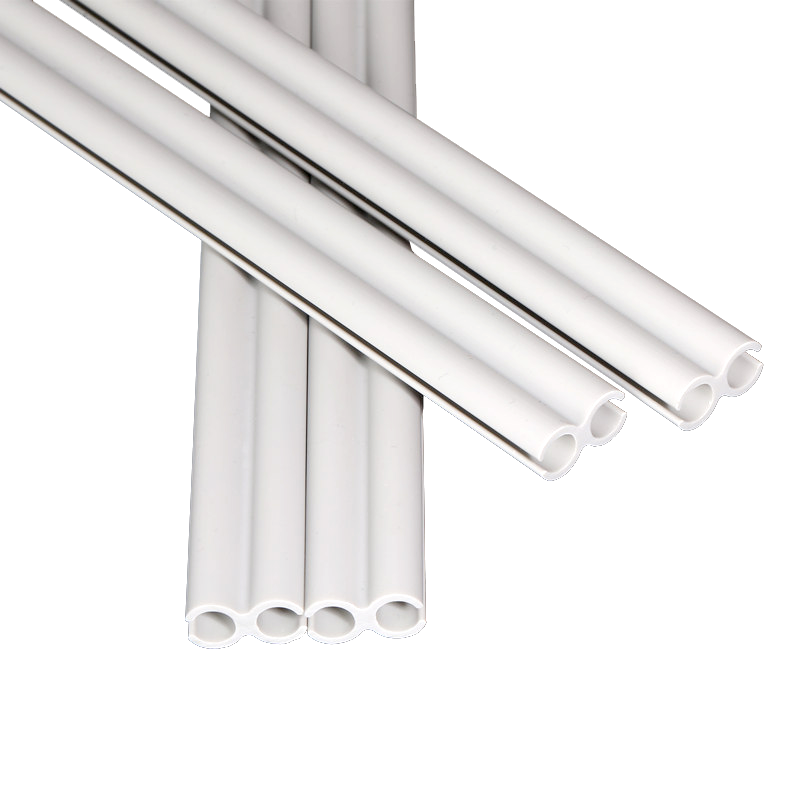
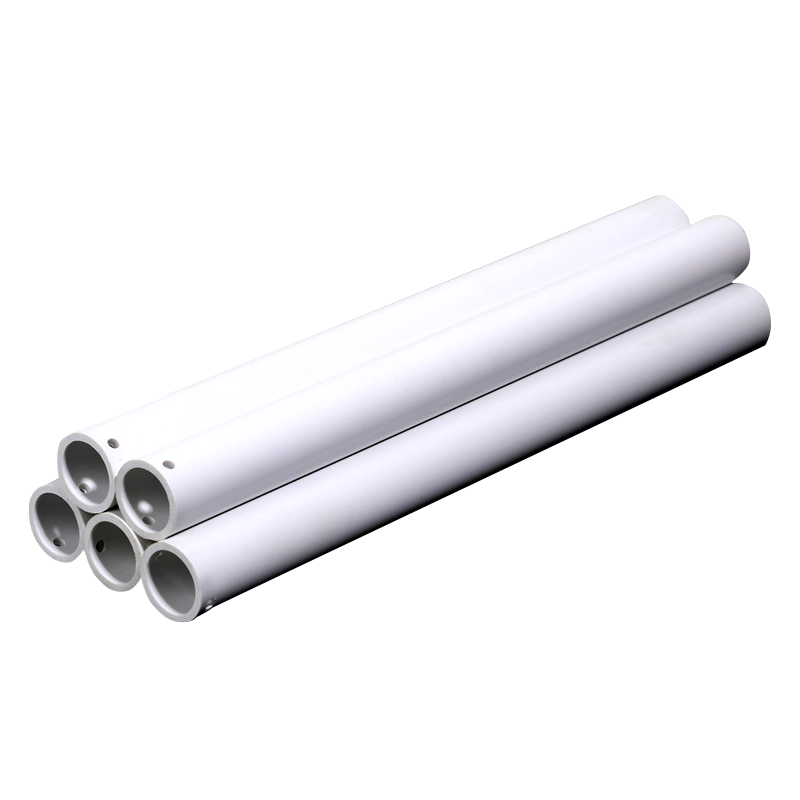
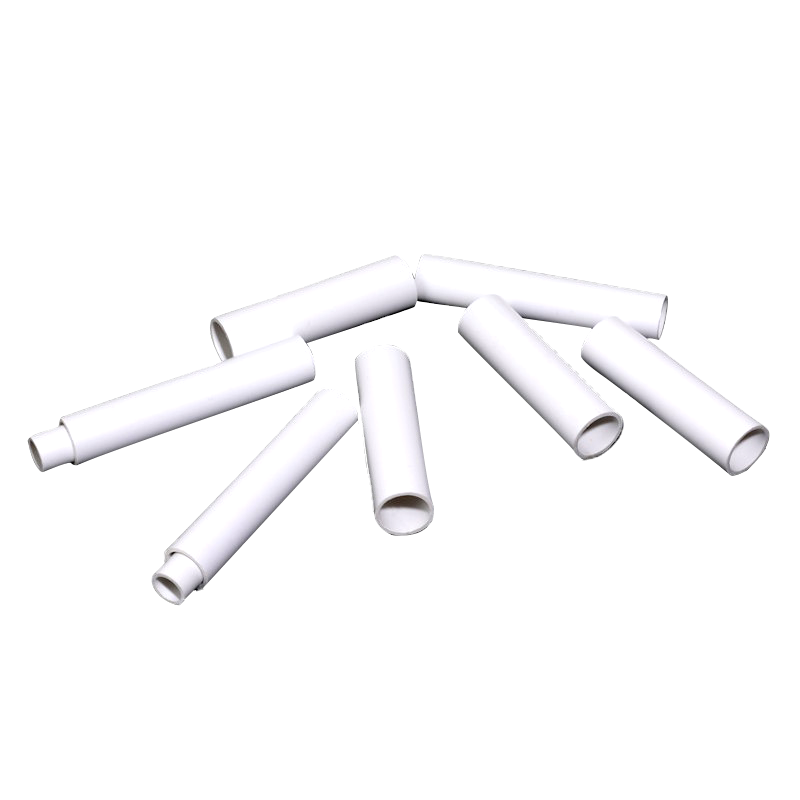
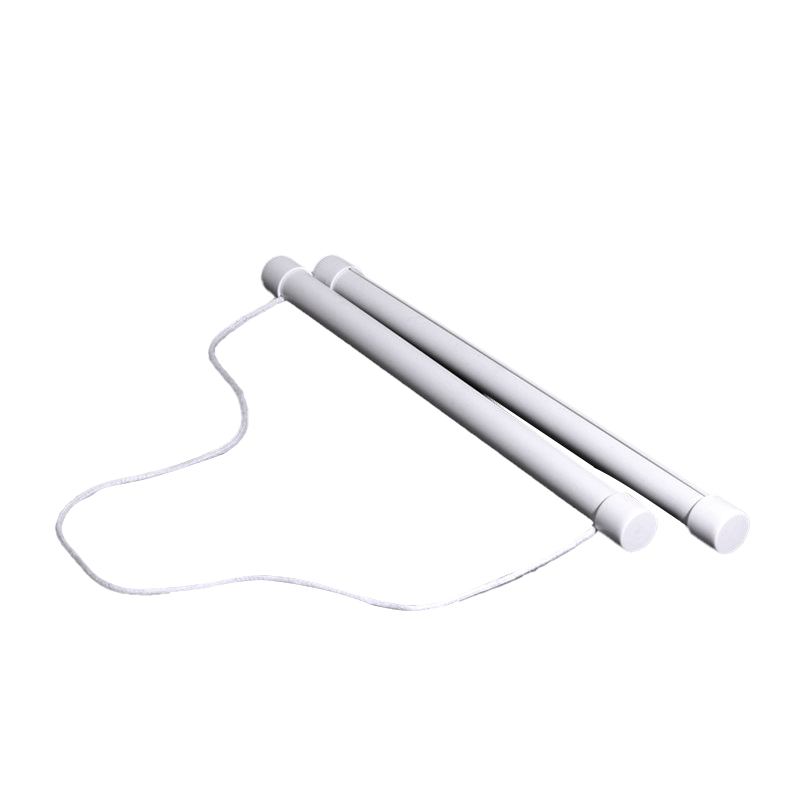
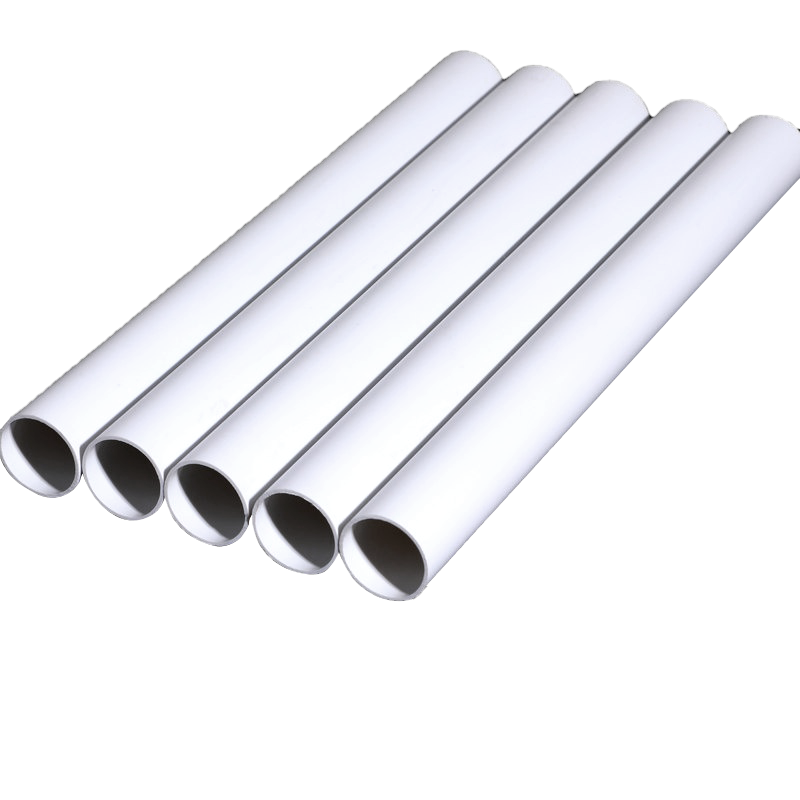
You hang the flag, step back to admire it, and an hour later it's spun itself into a twisted knot around the pole. It's one of the most common frustrations of flying a flag outdoors, and the good news is that it almost always comes down to one of a few fixable causes. Content Wrapping happens for one of three reasons, usually in combination. First, fixed attachment hardware — snap hooks or grommets that don't rotate — gives the flag nowhere to go when the wind shifts direction except around the pole itself. Second, wind turbulence near buildings, fences, or trees creates swirling, unpredictable airflow rather than a steady directional breeze, which confuses even a well-mounted flag. Third, an oversized flag for the pole height catches more wind and builds more rotational momentum when the wind does change, making a wrap far more likely once it starts. This is the single most effective solution, and it's often the cheapest. Standard hooks hold the flag rigidly in place, so any shift in wind direction has to fight the pole rather than move with it. Swivel snaps and rotating rings insert a free-turning barrel between the flag's grommet and the attachment point, so the flag can spin with the wind instead of winding around the pole. For flags mounted on a fixed pole, replacing basic snap hooks with swivel versions takes only a few minutes and solves the majority of wrapping complaints on its own. For taller or telescoping poles, a full rotating collar or ring system at both the top and bottom attachment points gives the flag even more freedom to track changing wind without ever building up enough twist to tangle. A flag that's too large for its pole isn't just visually off-balance — it's mechanically more prone to wrapping. A bigger flag surface catches more wind and carries more momentum when that wind shifts, and momentum is exactly what turns a simple direction change into a full wrap. A commonly used sizing guideline keeps the flag's fly (its longest dimension) to roughly one-quarter of the pole's height. A 15-foot pole suits a 3x5 flag, a 20-foot pole suits a 4x6, and a 25-foot pole suits a 5x8. Going oversized doesn't just look disproportionate; it actively works against any swivel hardware you've installed. Even perfect hardware struggles against genuinely chaotic wind. Poles installed within about 10 feet of a house wall, fence line, or dense tree canopy tend to sit in a pocket of turbulent, swirling airflow rather than the steady directional wind found in open space. That turbulence is what makes a flag whip unpredictably instead of streaming out in one consistent direction. Moving a pole even a modest distance farther from the nearest obstruction often reduces wrapping noticeably, since the flag responds to more predictable, single-direction gusts rather than air bouncing off nearby surfaces. Hardware and positioning solve most wrapping problems, but the pole itself plays a supporting role too. A smooth, consistent surface finish reduces the friction that can catch fabric mid-wrap and hold it in place rather than letting the flag slide free on its own. This matters especially for lightweight hand-waving and portable flagpoles used at events, parades, or on vehicles, where custom PVC flagpole parts and pipe built for hand-waving flag displays are designed with a consistent diameter and finish specifically to pair well with swivel-style mounts. PVC construction also brings practical advantages beyond wrap prevention. It's naturally corrosion-resistant, lighter than aluminum for portable use, and doesn't require the periodic refinishing that wood poles do. For anyone setting up a display that needs to go up and down repeatedly, an easy-install, safety-focused PVC hand-waving flagpole avoids much of the maintenance overhead of traditional materials. If you're weighing pole materials more broadly, it's worth reading up on how plastic flagpole lifespan compares to traditional materials like aluminum or wood, and whether plastic pipe flagpoles carry any risk of breaking or bending under stress. Buyers evaluating options across grades and finishes may also find it useful to look at the specific material choices available for plastic pipe flagpoles before settling on a spec. While you're fixing the mechanics of a wrapping flag, it's worth double-checking that the display itself follows standard positioning conventions. U.S. federal code outlines the customary position and manner for displaying the flag, including guidance on orientation and how it should be flown relative to other flags and structures. A flag that's properly sized, mounted on swivel hardware, and correctly positioned tends to solve both the wrapping problem and the etiquette question at the same time.Why Flags Wrap Around Poles in the First Place
The Swivel Fix: Letting the Flag Rotate Independently
Matching Flag Size to Pole Height
Positioning Your Pole to Avoid Wind Turbulence
Why Pole Material and Construction Matter
Getting Display Etiquette Right While You're At It
Recommended products
-
2023 New Cheap Plastic Pipe Multiple Colors And Sizes Custom Hand Waving Flagpole
-
Wholesale Custom Pvc Material Indoor Desktop Flagpole Hand Waving Flagpole
-
Customizable Size Custom Logo Plastics Hand Waving Flagpole Big Pvc Flagpole
-
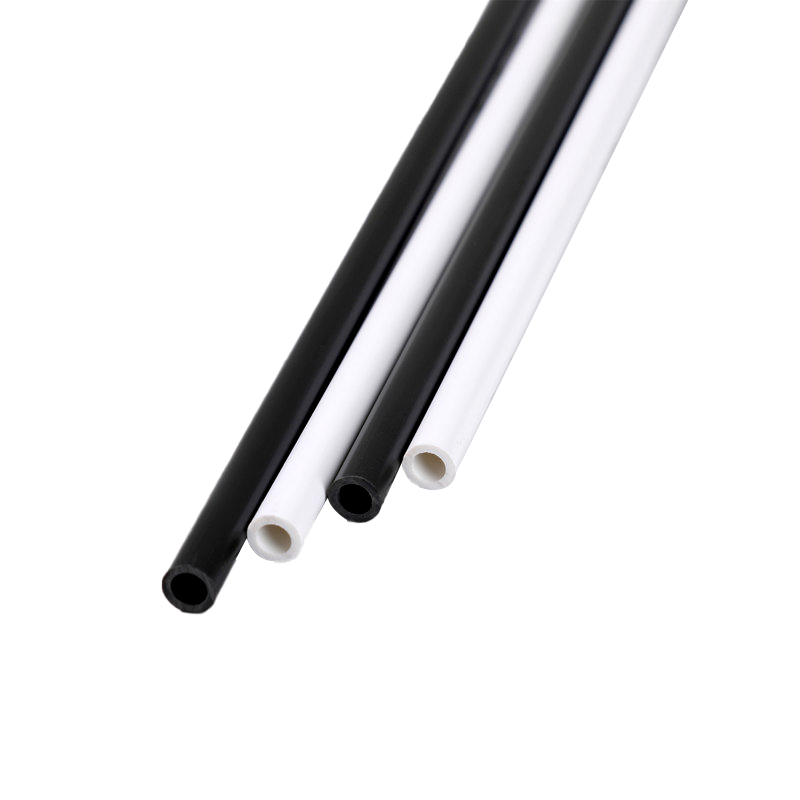
Plastics Hand Waving Flagpole Factory Direct Custom Wholesale PVC Flagpole Parts Pipe
-
Custom Easy Install Safety Flagpole Pvc China Factory Hand Waving Flagpole
-
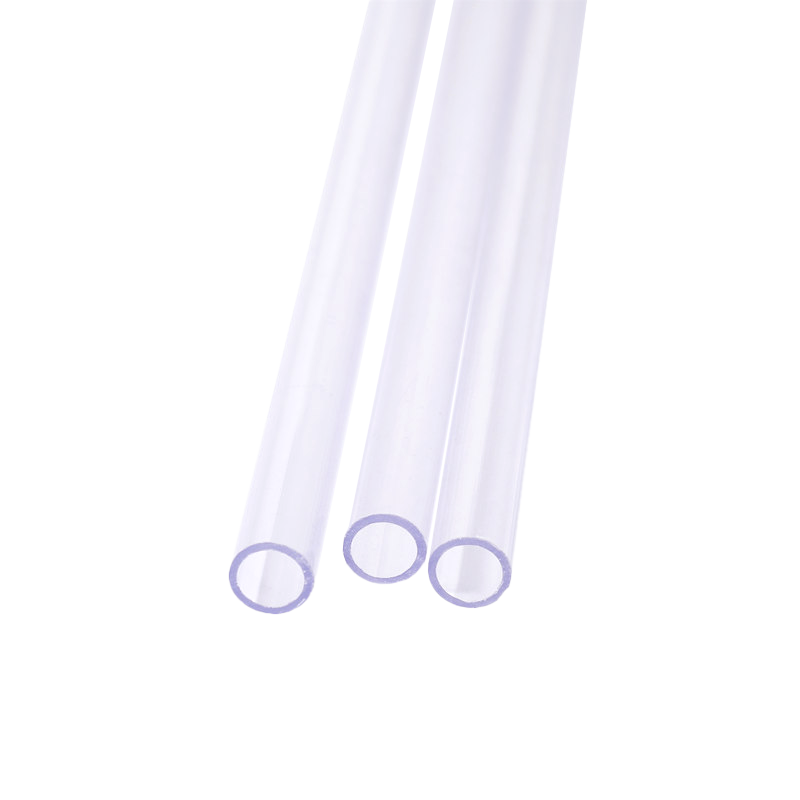
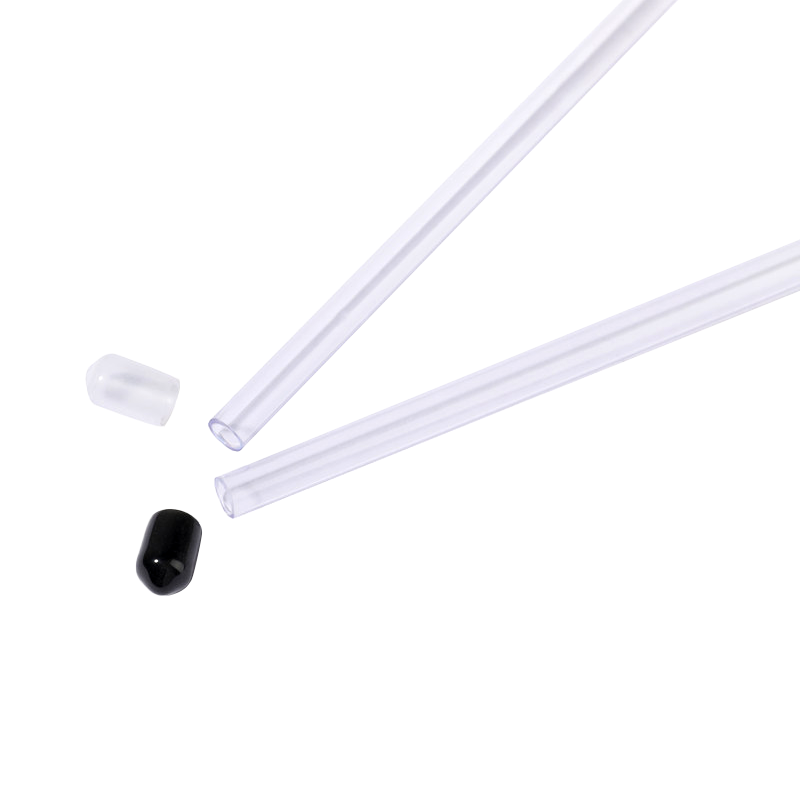
New Popular Product Transparent Pvc Flagpole Custom Size Hand Waving Flagpole
-
2023 High Quality Hand Waving Flagpole Big Or Small Flagpole Size Custom
-
Fast Delivery Promotion Factory Wholesale Flagpole Pvc Pipe Hand Waving Flagpole
-
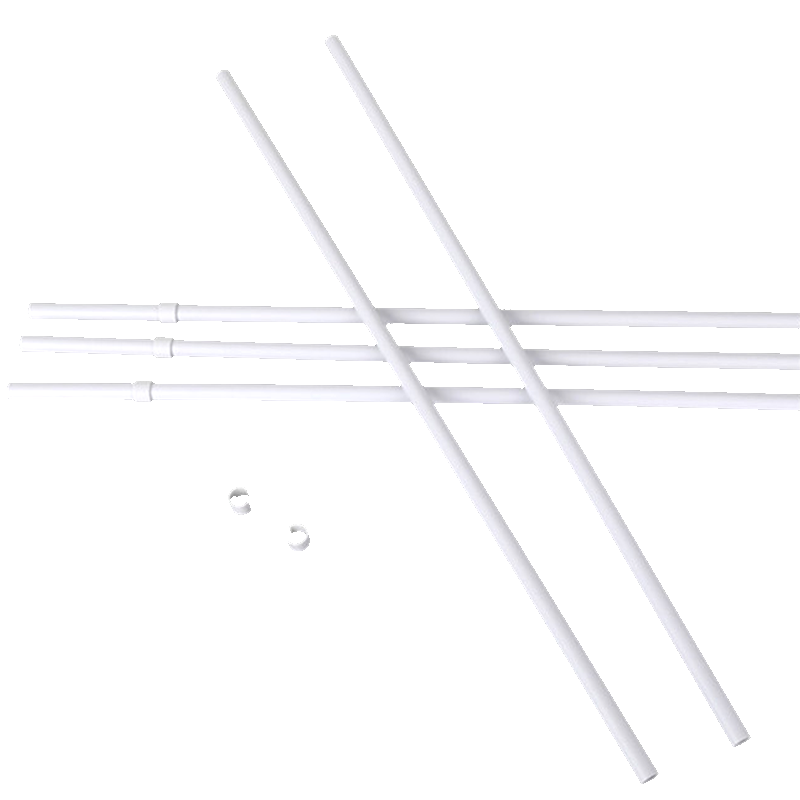
2023 Personalized Custom Desk Hand Waving Flagpole Outdoor White Flagpole
-
Wholesale 2023 Hot Sale Used Flagpole Weight Custom Pvc Hand Waving Flagpole
-
Wholesale Products Cheap High Quality Hand Waving Flagpole Newest Sections Flagpole
-
Wholesale Cheap High-Quality Hot Sale Flagpole Cylindrical Hand Waving Flagpole

Follow Us:
Copyright © Tongxiang Guangyu Plastic Products Co., Ltd. Rights Reserved.
