
 +86-0573-88528475
 English
 русский
Search by posts
Product category
Industry News
 By Admin
20 Foot Flagpole: Types, Materials, Installation & Maintenance Guide
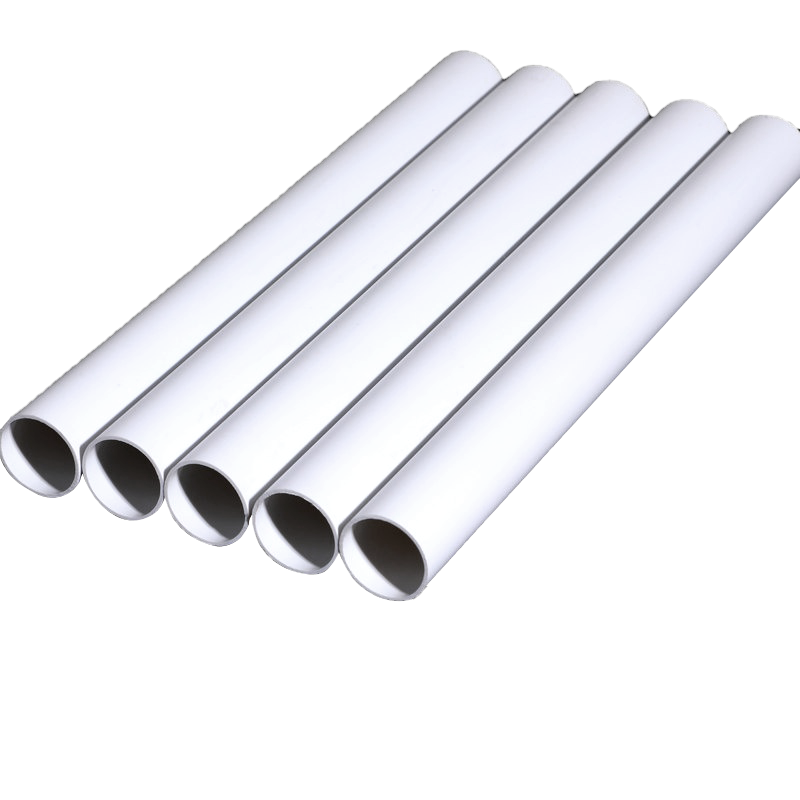
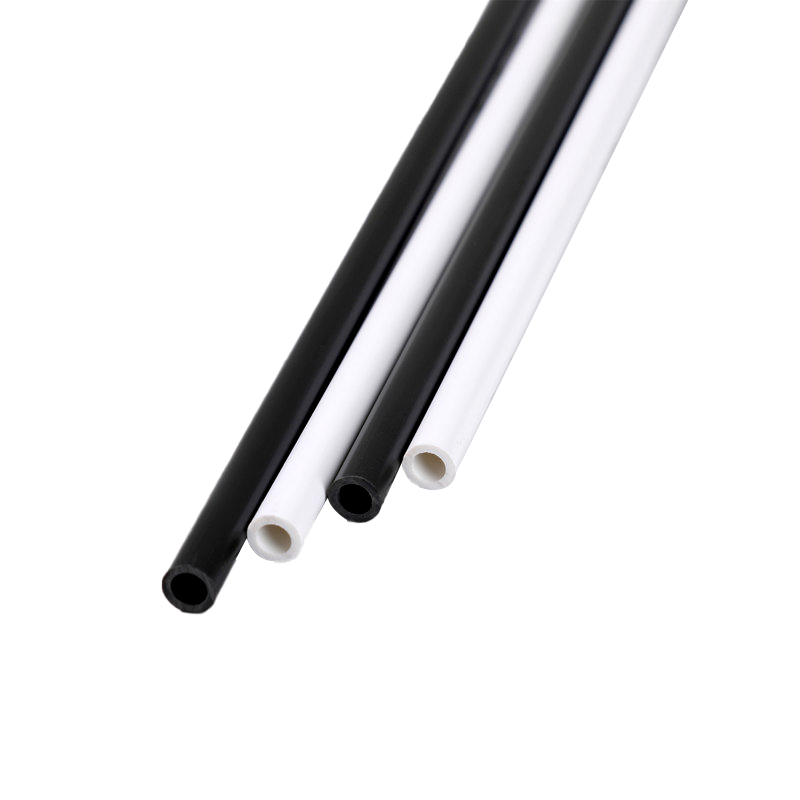
A 20 foot flagpole sits at the intersection of visibility and proportion that makes it the most commonly installed residential flagpole height in the United States. Tall enough to fly a full-sized flag well above the roofline of a single-story home, short enough to install without professional equipment or a building permit in most jurisdictions, and proportionate to the typical suburban lot — a 20-foot pole is the practical starting point for anyone adding a permanent flagpole to their property. This guide covers everything needed to choose, install, and maintain one correctly: the types available, the materials that matter, the foundation requirements, and the accessories that determine how well the system performs over time. Content Height selection for a residential flagpole comes down to three practical variables: visibility from the street, proportion relative to the building, and local regulations. A 20-foot pole addresses all three more cleanly than any other standard height. For a single-story home with a roofline at approximately 12–15 feet, a 20-foot pole positions the flag 5–8 feet above the peak — high enough to clear the turbulent air zone that forms on the downwind side of a structure and catch clean, steady airflow. A flag that sits inside a building's wind shadow hangs limp, wraps around the pole, or flutters erratically. Getting the flag above the roofline resolves all three of those issues without requiring a taller, more expensive, and harder-to-install pole. On the regulatory side, 20 feet is the threshold below which most municipal codes and homeowners' associations do not require a building permit or prior approval. Many HOAs that restrict flagpole installations set their maximum height at exactly 20 or 25 feet. Confirming local requirements before purchasing is always advisable, but a 20-foot pole is the most likely to qualify as a straightforward installation without additional steps. The standard flag recommendation for a 20-foot pole is a 3×5 foot flag. This proportion — where the fly (horizontal length) of the flag equals approximately one-quarter of the pole height — follows the widely observed rule of thumb for visual balance. A 4×6 foot flag is also commonly used on 20-foot poles where greater visual impact is desired, particularly for corner lots or properties set back from the street. Three installation styles are available for 20-foot flagpoles. Each suits a different combination of property type, installation preference, and intended use frequency. Sectional in-ground poles are the most structurally permanent option. They ship in two or three bolted sections that assemble on the ground before being raised into a concrete-set ground sleeve. Once installed, a sectional pole is fixed in place — it will not be moved unless the sleeve is excavated. This type offers the best wind resistance and is the standard specification for residential installations where the pole will fly year-round without being taken down. Telescoping poles use a sliding section design that inserts into a permanently installed ground sleeve. The pole itself can be raised, lowered, and removed entirely from the sleeve without tools. This makes seasonal storage straightforward — remove the pole before a major storm, during winter months when the flag is not being flown, or whenever the property needs the space. The ground sleeve remains in the concrete foundation permanently; only the visible pole section moves. Wall-mount and outrigger poles attach to the exterior of a building via a bracket, angling the flag outward at 45 degrees or extending it horizontally. These require no ground excavation and can be installed by most homeowners in an afternoon. The trade-off is that the effective display height is limited to wherever the bracket is mounted, and a 20-foot outrigger pole will typically extend 15–18 feet horizontally from the wall rather than rising 20 feet vertically. Flagpole material determines weight, wind load performance, corrosion resistance, and long-term maintenance requirements. The three most common materials each suit a different combination of environment, budget, and application. Aluminum is the dominant material for permanent in-ground residential flagpoles. Extruded aluminum — typically 6063-T6 alloy — is lightweight, rust-proof, and structurally strong enough to handle the bending loads imposed by flag drag in high winds. A 20-foot aluminum pole weighs significantly less than a comparable steel pole, making DIY installation far more manageable. The natural oxide layer that forms on aluminum provides inherent corrosion protection, which is why aluminum poles require minimal maintenance in most climates. In coastal environments, salt air can accelerate oxidation; a periodic rinse with fresh water is the primary maintenance requirement in those locations. Aluminum finishes include satin (brushed), bronze anodized, and white painted, allowing the pole to complement a range of architectural styles. Fiberglass is the preferred material for high-wind coastal and marine environments where salt corrosion would degrade aluminum over time. Fiberglass poles are non-conductive, which is relevant for installations near power lines or in lightning-prone areas. They are slightly more flexible than aluminum under extreme wind load, which helps them absorb gusts without the stress concentration that can crack or bend more rigid poles. The main limitation of fiberglass is UV degradation over many years of sun exposure — the outer gelcoat can chalk or fade, requiring periodic refinishing to maintain appearance and structural integrity. For portable, lightweight, and event-use applications, plastic flag poles — including PVC-based constructions — offer a cost-effective and corrosion-proof alternative to metal poles. PVC flagpoles are significantly lighter than aluminum or fiberglass of comparable length, making them easy to transport, set up, and reposition without permanent installation. They are well suited to hand-wave poles, desk displays, event flagging, and short-term outdoor installations where portability matters more than long-term structural permanence. PVC is fully waterproof, does not rust or corrode, and requires no surface treatment or painting to maintain its appearance. Correct foundation work determines whether a flagpole stands securely for decades or leans and loosens within a few seasons. The foundation for a 20-foot in-ground pole is a manageable DIY project, but the dimensions and curing time must be followed precisely. For a complete step-by-step walkthrough including truck assembly and halyard threading, the full guide on how to put up a flagpole covers the erection process in detail. Before digging, call 811 (the national utility locate service in the United States) at least 48–72 hours in advance. Underground gas, water, electrical, and telecommunications lines must be identified and marked before any excavation begins. This step is legally required in most states and prevents damage that can be dangerous and expensive to repair. The hole dimensions for a 20-foot pole ground sleeve follow a standard formula: depth should be approximately 10% of the pole height plus 2 feet, giving a target depth of roughly 4 feet. Diameter should be at least three times the ground sleeve's outer diameter to allow sufficient concrete coverage on all sides. These dimensions are minimums — soft, sandy, or loose soil may require a deeper or wider foundation. Place 4–6 inches of pea gravel at the base of the hole before setting the sleeve. Gravel provides drainage that prevents water from pooling inside the sleeve and around the base of the pole, which is the primary cause of internal corrosion in poorly drained installations. Insert the ground sleeve vertically, check it with a level on two perpendicular axes, and brace it in position before pouring concrete. Any misalignment at this stage becomes permanent once the concrete sets. Use a quick-setting concrete mix and fill the hole completely to eliminate air pockets. Tamp the concrete in layers rather than pouring all at once, which helps remove voids. Slope the top of the concrete slightly away from the sleeve to direct surface water away from the base. Allow a minimum of 48–72 hours of curing time before inserting and loading the pole — loading a freshly poured foundation is one of the most common installation mistakes and can permanently compromise the concrete's holding strength. Two decisions made at purchase time determine how the finished installation looks and functions: flag size and halyard system. Both are straightforward once the underlying logic is understood. Flag sizing follows the one-quarter rule: the fly of the flag — its horizontal length — should be approximately one-quarter of the pole's height. For a 20-foot pole, this yields a fly of 5 feet, making a 3×5 foot flag the standard recommendation. A 4×6 flag (with a 6-foot fly) is proportionally larger and appropriate when greater visual presence is desired, such as on corner lots or wide frontages. Going significantly larger than a 4×6 on a 20-foot pole creates excessive wind load on both the flag and the pole hardware, accelerating wear on halyards, snap hooks, and the truck pulley. For comprehensive guidance on displaying the flag correctly once it is installed — including half-staff protocol and multi-flag arrangements — the flag on flagpole rules guide covers U.S. Flag Code requirements in full. The halyard system is the rope-and-pulley mechanism used to raise and lower the flag. External halyard systems route the rope down the outside of the pole, where it is secured to a cleat mounted at a comfortable height. These are the most common type for residential 20-foot installations because they are lower cost, easier to operate, and straightforward to maintain or replace. The exposed rope is accessible without any tools and can be rethreaded or swapped out in minutes. The main limitation is that the rope is visible on the pole's exterior and can rattle in wind if not kept taut. Internal halyard systems route the rope inside the pole, exiting through a locking door near the base. The interior routing protects the halyard from UV degradation, weather, and vandalism, and eliminates the rope-on-pole noise. Internal systems are more common on commercial and institutional installations but are available in 20-foot residential configurations for homeowners who prefer the cleaner appearance and added security of a locking access door. A well-installed 20-foot flagpole requires minimal maintenance, but the few tasks that do matter — halyard inspection, hardware checks, and seasonal cleaning — make a significant difference in the pole's lifespan and appearance. Halyard inspection. The rope is the component most subject to wear. UV exposure, repeated friction through the truck pulley, and weathering cause halyards to fray and weaken over time. Inspect the rope twice a year — particularly at the points where it runs through the truck pulley and wraps around the cleat, where friction wear is most concentrated. Replace a fraying halyard before it fails completely; a halyard failure with the flag at the top of the pole means the flag cannot be lowered without raising a ladder or lowering the pole itself. Truck and hardware check. The truck — the ball or finial at the top of the pole — houses the pulley that guides the halyard. Check that it rotates freely and that the pulley wheel turns smoothly. A seized pulley causes the rope to saw against a fixed surface, accelerating halyard wear dramatically. Snap hooks and flag clips should also be checked for corrosion or deformation that could cause them to open unintentionally and release the flag in wind. Pole cleaning. Aluminum poles benefit from an annual wash with mild detergent and water to remove pollen, bird droppings, and atmospheric deposits that can dull the finish over time. In coastal environments, rinse the pole with fresh water after extended salt air exposure to prevent the white oxidation deposits that form when salt-laden moisture dries on aluminum. Never use abrasive cleaners or steel wool on an aluminum or fiberglass pole — these scratch the surface finish and create microscopic sites where corrosion can begin. Ground sleeve inspection. Once a year, check the visible top of the ground sleeve for moisture accumulation or debris. Clear any standing water from inside the sleeve, and confirm that the pole seats fully and securely without play. A pole that has developed lateral movement at the base indicates either sleeve deterioration or concrete cracking — both of which should be addressed before a major wind event loads the foundation further. Flag rotation. Flags wear faster than poles. Inspect the flag regularly for fraying at the fly end (the free edge opposite the hoist) and at the header — the reinforced strip where the snap hooks attach. Rotating between two flags extends the life of both and ensures that one is always in good condition for display.Why 20 Feet Is the Most Popular Residential Flagpole Height
20 Foot Flagpole Types: Sectional, Telescoping, and Wall-Mount
Type
Installation
Key Advantage
Best For
Sectional (in-ground)
Permanent concrete foundation with ground sleeve
Maximum stability; professional appearance
Permanent residential or commercial displays
Telescoping (in-ground)
Ground sleeve set in concrete; pole slides in/out
Removable for storage; adjustable height
Homeowners who want to lower or store the pole seasonally
Wall-mount / outrigger
Bracket bolted to exterior wall or post
No excavation required; ideal for limited yards
Condos, townhouses, properties without yard space
Materials Compared: Aluminum, Fiberglass, and PVC
How to Install a 20 Foot Flagpole: Foundation Basics
Choosing the Right Flag Size and Halyard System
Maintenance Tips to Keep Your 20 Foot Flagpole Looking Its Best
Recommended products
-
2023 New Cheap Plastic Pipe Multiple Colors And Sizes Custom Hand Waving Flagpole
-
Wholesale Custom Pvc Material Indoor Desktop Flagpole Hand Waving Flagpole
-
Customizable Size Custom Logo Plastics Hand Waving Flagpole Big Pvc Flagpole
-
Plastics Hand Waving Flagpole Factory Direct Custom Wholesale PVC Flagpole Parts Pipe
-
Custom Easy Install Safety Flagpole Pvc China Factory Hand Waving Flagpole
-
New Popular Product Transparent Pvc Flagpole Custom Size Hand Waving Flagpole
-
2023 High Quality Hand Waving Flagpole Big Or Small Flagpole Size Custom
-
Fast Delivery Promotion Factory Wholesale Flagpole Pvc Pipe Hand Waving Flagpole
-
2023 Personalized Custom Desk Hand Waving Flagpole Outdoor White Flagpole
-
Wholesale 2023 Hot Sale Used Flagpole Weight Custom Pvc Hand Waving Flagpole
-
Wholesale Products Cheap High Quality Hand Waving Flagpole Newest Sections Flagpole
-
Wholesale Cheap High-Quality Hot Sale Flagpole Cylindrical Hand Waving Flagpole


Follow Us:
Copyright © Tongxiang Guangyu Plastic Products Co., Ltd. Rights Reserved.
