
 +86-0573-88528475
 English
 русский
Search by posts
Product category
Industry News
 By Admin
American Flag Vertical Display & Flag on Flagpole: Rules and Etiquette Guide
Properly displaying the American flag — whether hung vertically on a wall or flown from a flagpole — is governed by the U.S. Flag Code, a federal law first established by Congress on June 22, 1942. While adherence to the Flag Code is voluntary for private citizens rather than legally enforced, it serves as the authoritative reference for flag etiquette across homes, businesses, schools, and government buildings. Understanding its specific rules for vertical display and flagpole use ensures the Stars and Stripes is shown the respect it is due. Content When the American flag is displayed vertically — against a wall, in a window, or suspended over a street — the position of the union (the blue field of stars) is the defining rule. The union must always be at the top and to the flag's own right, which means to the observer's left. This applies consistently whether the flag is hung indoors or outdoors, against a flat surface or in a window facing a street. This rule is codified in U.S. Code Title 4, Chapter 1, Section 7, which states that when displayed either horizontally or vertically against a wall, the union should be uppermost and to the flag's own right — that is, to the observer's left. The same orientation applies when the flag is displayed in a window: the union or blue field should face left as viewed from the street. A common error when hanging the flag vertically is reversing this orientation — placing the union to the observer's right. This is incorrect under the Flag Code and should be avoided in any formal or public display context. Additionally, the flag should be suspended so its folds fall freely, as though it were staffed, rather than being stretched flat or pinned tightly against a surface. When the American flag is hung vertically over a street, a directional rule applies in addition to the union placement standard. Over an east-west street, the union should face north. Over a north-south street, the union should face east. If the flag is suspended over a sidewalk from a rope extending from a building to a pole at the street's edge, it should be hoisted union-first, outward from the building. When flying the American flag on a flagpole, the Flag Code establishes clear standards for position, timing, and conduct. The flag should be hoisted briskly and lowered ceremoniously — the brisk raising reflects national pride, while the slow, deliberate lowering signals respect. The flag should be displayed from sunrise to sunset on buildings and stationary flagstaffs in the open. It may be displayed around the clock if it is properly illuminated during hours of darkness. The flag should not be flown during inclement weather unless an all-weather flag — typically made of nylon or other non-absorbent material — is used. The Flag Code is silent on the required size of a flag relative to its flagpole, but a widely followed rule of tradition holds that the fly of the flag — its horizontal length — should be approximately one-quarter the height of the pole. The most common American flag size for residential and commercial flagpoles is 3 x 5 feet, which works well with poles ranging from 15 to 20 feet in height. For taller commercial or institutional poles, a 4 x 6 or 5 x 8 foot flag provides better visual proportion. The Flag Code places no restrictions on the makeup or ornamentation of a flagpole. Standard toppers in common use — drawn from military tradition — include the eagle, acorn, gilt lance, ball, gilt star, and spear. The eagle is by far the most widely recognized and commonly used topper for residential and institutional flagpoles in the United States. Flying the flag at half-staff is a nationally recognized sign of mourning. The correct procedure is specific: the flag must first be hoisted briskly to the peak of the flagpole, then slowly and solemnly lowered to the half-staff position — exactly halfway between the top and bottom of the staff. At the end of the day, it should be raised to the peak again before being lowered for the final time. On Memorial Day, the flag is flown at half-staff from sunrise until noon, then raised to full-staff for the remainder of the day. The distinction between "half-staff" and "half-mast" is often misunderstood: half-staff is the correct term for flags flown on land, while half-mast refers specifically to flags on ships or naval stations. Half-staff directives are issued by the President of the United States or, at the state level, by the Governor. Under U.S. law, the flag is flown at half-staff for specific periods depending on the office of the deceased: Flags flown on poles affixed to a private home or building are not required to be flown at half-staff. In such cases, a black memorial streamer may be affixed to the top of the flagpole as an alternative gesture of mourning. When state, city, or organizational flags are flown on the same halyard as the American flag, the American flag must always be at the peak — the highest position. No other flag or pennant may be placed above it, or to its right when flags are displayed at the same level. The American flag is always hoisted first and lowered last when flown alongside other flags on adjacent staffs. When displaying three flagpoles together at the same height, the American flag occupies the position of honor — to its own right, meaning the leftmost position as viewed by an observer facing the display. Other flags may be the same size or smaller than the American flag, but none may be larger. The Flag Code outlines a set of specific prohibitions that apply to all flag displays, public and private. These include: When a flag has served its useful life and is no longer in a condition fit for display, the Flag Code recommends it be destroyed in a dignified manner — preferably by burning. Many American Legion posts conduct formal flag retirement ceremonies, particularly around Flag Day on June 14.How to Hang the American Flag Vertically
Vertical Display Over a Street
Displaying the Flag on a Flagpole
When to Fly the Flag
Flagpole Size and Flag Proportions
Flagpole Toppers
Displaying the Flag at Half-Staff
Who Authorizes Half-Staff Orders
Rules for Flying Multiple Flags on the Same Pole or Adjacent Poles
Display Scenario
Correct Position for U.S. Flag
Vertical on a wall
Union at top-left (observer's left)
Same halyard as state/org flags
At the peak (topmost position)
Adjacent poles, equal height
Furthest left (observer's perspective)
Multiple poles, different heights
Center on the tallest pole
Crossed staffs with another flag
On its own right, staff in front
With flags of other nations
Separate poles of equal height
Key Prohibitions Under the U.S. Flag Code
Recommended products
-
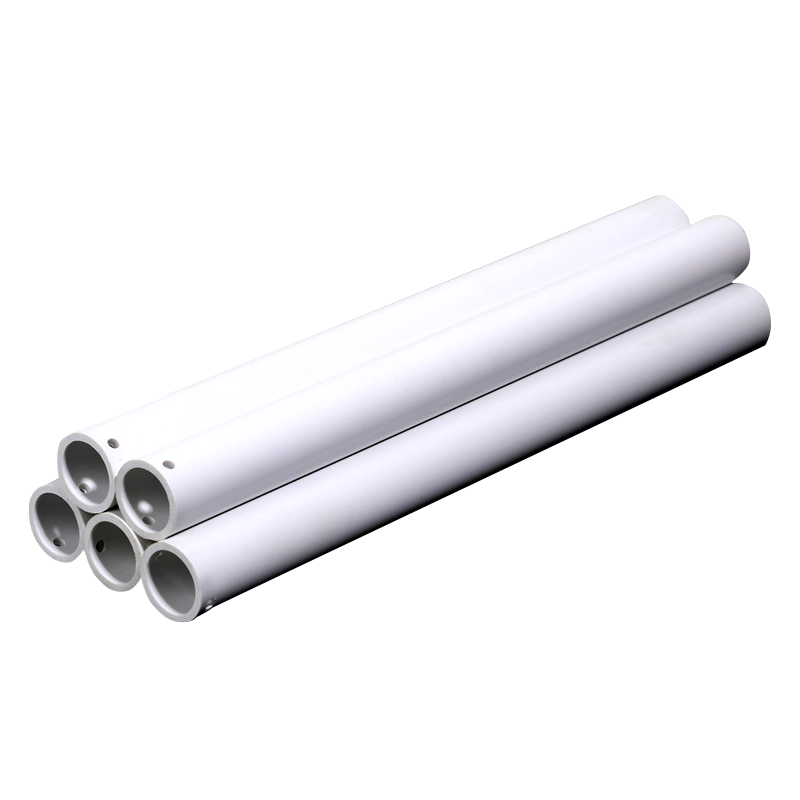
2023 New Cheap Plastic Pipe Multiple Colors And Sizes Custom Hand Waving Flagpole
-
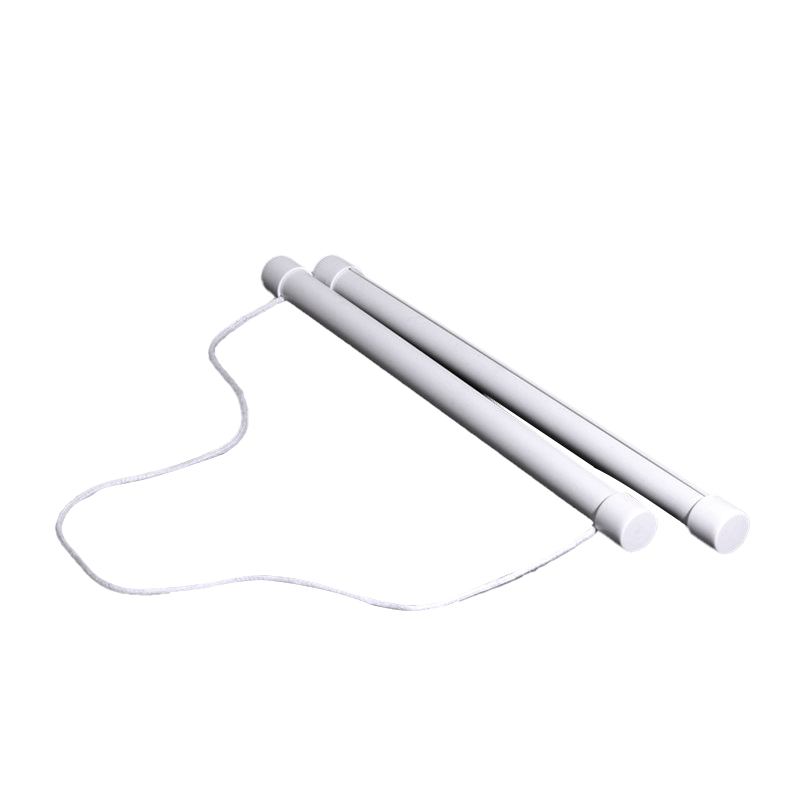
Wholesale Custom Pvc Material Indoor Desktop Flagpole Hand Waving Flagpole
-
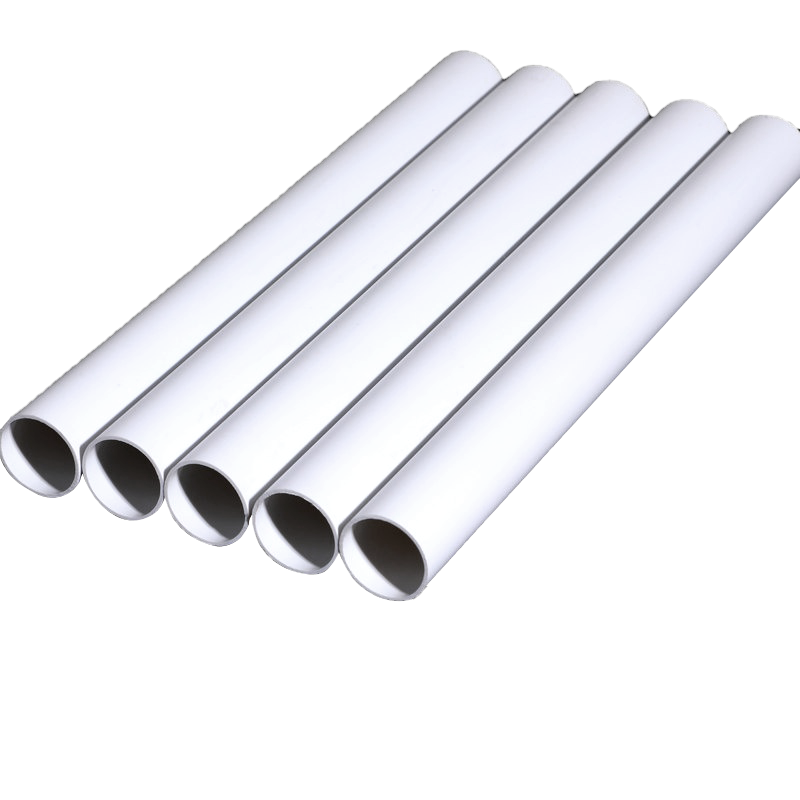
Customizable Size Custom Logo Plastics Hand Waving Flagpole Big Pvc Flagpole
-
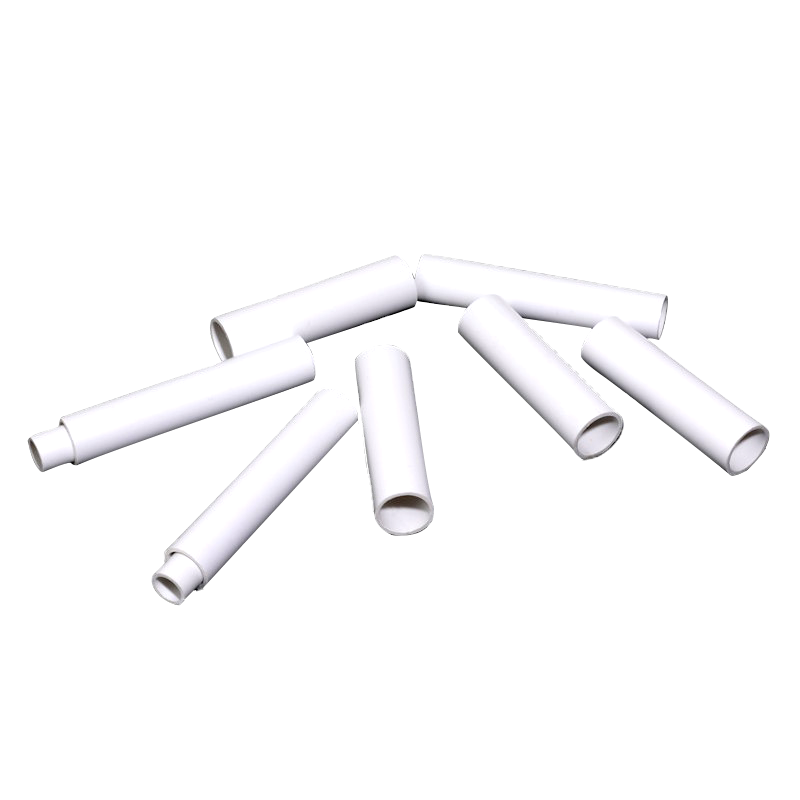
Plastics Hand Waving Flagpole Factory Direct Custom Wholesale PVC Flagpole Parts Pipe
-
Custom Easy Install Safety Flagpole Pvc China Factory Hand Waving Flagpole
-
New Popular Product Transparent Pvc Flagpole Custom Size Hand Waving Flagpole
-
2023 High Quality Hand Waving Flagpole Big Or Small Flagpole Size Custom
-
Fast Delivery Promotion Factory Wholesale Flagpole Pvc Pipe Hand Waving Flagpole
-
2023 Personalized Custom Desk Hand Waving Flagpole Outdoor White Flagpole
-
Wholesale 2023 Hot Sale Used Flagpole Weight Custom Pvc Hand Waving Flagpole
-
Wholesale Products Cheap High Quality Hand Waving Flagpole Newest Sections Flagpole
-
Wholesale Cheap High-Quality Hot Sale Flagpole Cylindrical Hand Waving Flagpole

Follow Us:
Copyright © Tongxiang Guangyu Plastic Products Co., Ltd. Rights Reserved.
