
 +86-0573-88528475
 English
 русский
Search by posts
Product category
Industry News
 By Admin
Why Are Plastic Pipes Becoming Popular in Residential Construction?
Content
Introduction to Plastic Pipes
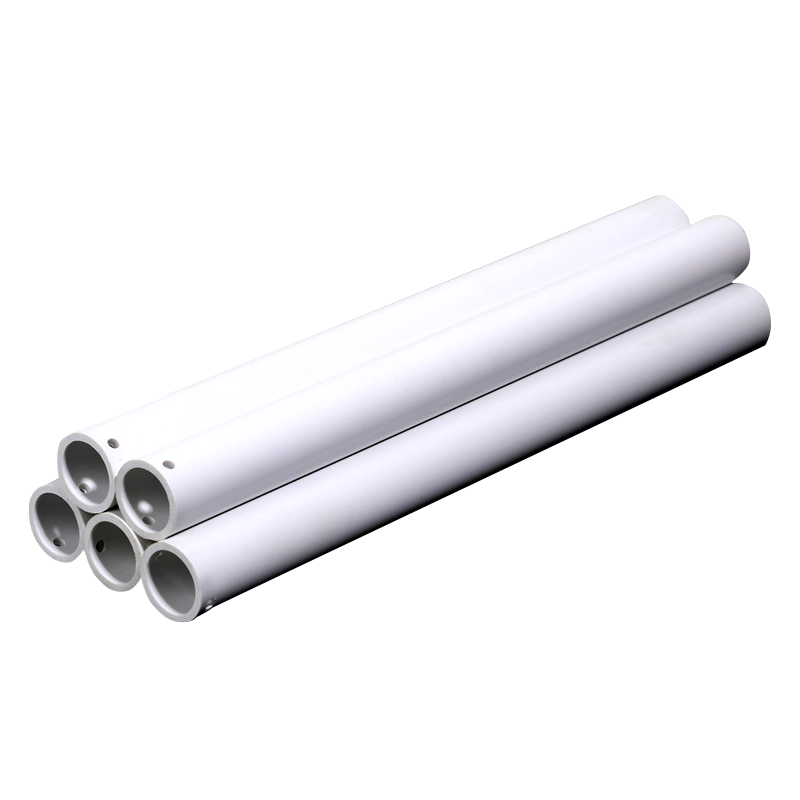
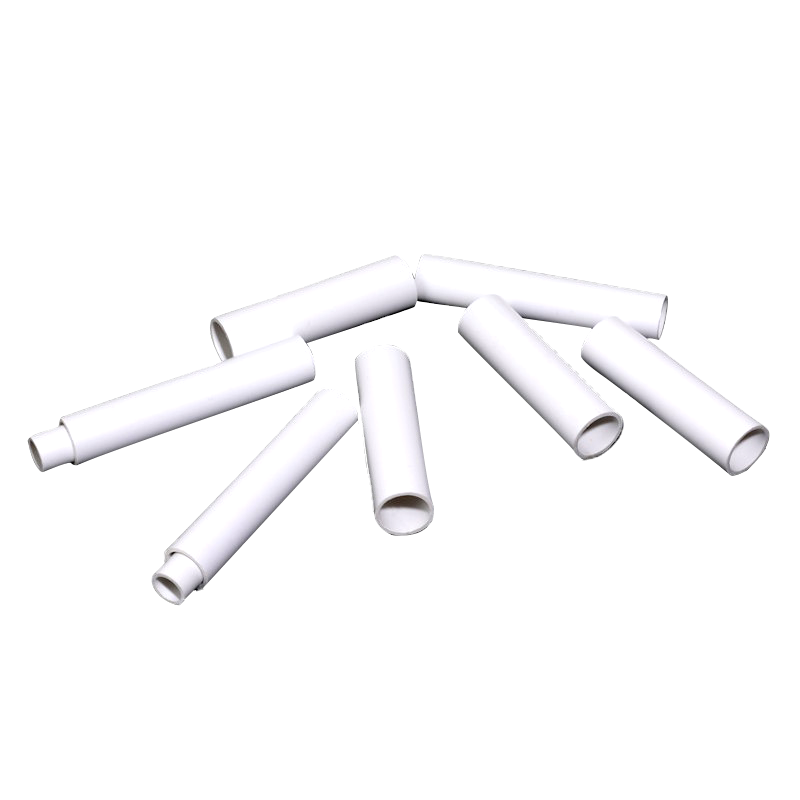
Plastic pipes have increasingly become a preferred choice in residential construction, replacing traditional metal and concrete piping systems. They are used in plumbing, drainage, and water supply networks due to their unique combination of durability, cost-effectiveness, and ease of installation.
The adoption of plastic pipes has grown alongside advances in polymer technology, offering homeowners and builders solutions that are reliable, sustainable, and adaptable to modern residential needs.
Types of Plastic Pipes and Their Applications
Plastic pipes are available in several materials, each suitable for specific applications within residential construction. Choosing the right type ensures performance, longevity, and safety.
PVC (Polyvinyl Chloride) Pipes
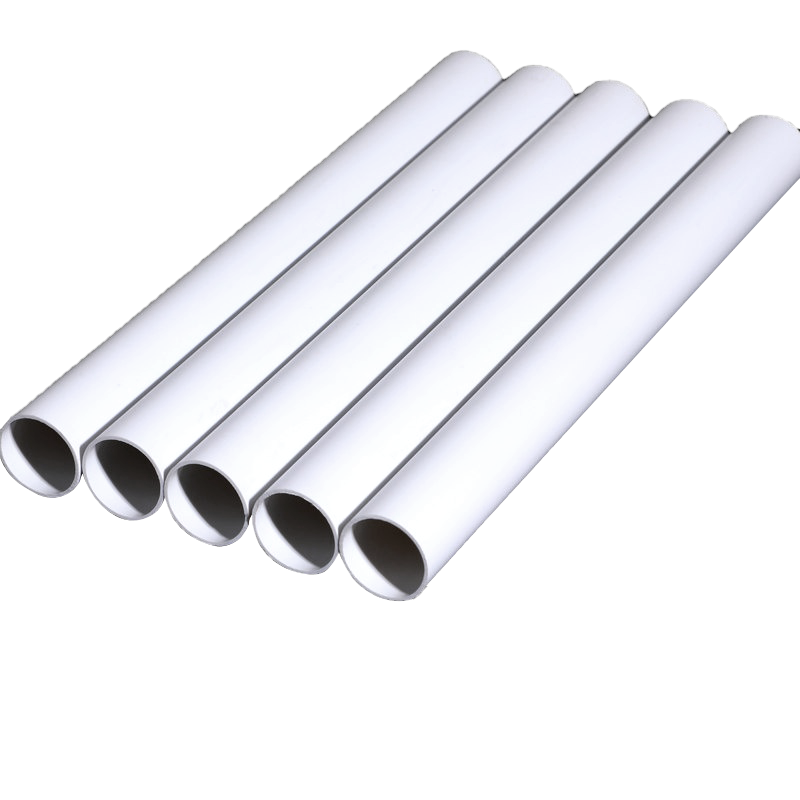
PVC pipes are widely used for cold water supply, drainage, and irrigation. They are lightweight, resistant to corrosion, and cost-effective, making them a popular option for residential plumbing projects.
CPVC (Chlorinated Polyvinyl Chloride) Pipes
CPVC pipes handle hot water applications efficiently, maintaining integrity under higher temperatures. Their chemical resistance and longevity make them ideal for domestic hot water distribution systems.
PEX (Cross-Linked Polyethylene) Pipes
PEX pipes are flexible, resistant to scale buildup, and easy to install. They are commonly used for hot and cold water supply lines, and their flexibility reduces the need for joints, minimizing leak risks.
Advantages of Plastic Pipes in Residential Construction
Plastic pipes offer several advantages that explain their rising popularity in residential construction, from installation convenience to long-term performance.
Durability and Corrosion Resistance
Unlike metal pipes, plastic pipes do not corrode or rust over time. This quality ensures a longer service life, reduces maintenance needs, and maintains water quality in residential systems.
Cost-Effectiveness
Plastic pipes are generally more affordable than metal alternatives, both in material cost and installation labor. Lightweight properties reduce handling expenses and allow for faster installation, further lowering overall project costs.
Ease of Installation
Plastic pipes are lightweight and can be cut, joined, and bent on-site with relative ease. This reduces installation time and labor requirements, enabling quicker project completion and fewer disruptions.
Versatility and Flexibility
Plastic pipes can be used in a wide range of applications, including water supply, drainage, heating, and waste management systems. Their flexibility makes them suitable for retrofit projects where pipe routing may be complex.
Resistance to Chemical and Environmental Stress
Plastic pipes resist chemical reactions, UV exposure, and environmental stresses better than many traditional materials. This makes them reliable for long-term use in varying residential environments.
Sustainability Considerations
Modern plastic pipes increasingly incorporate recycled materials and energy-efficient manufacturing processes. While plastic production has environmental impacts, long lifespan and low maintenance reduce overall ecological footprint compared to frequently replaced metal pipes.
Recyclability
Many plastic pipes, especially PVC and HDPE, can be recycled at the end of their service life. Recycling reduces raw material consumption and limits environmental waste.
Energy Efficiency
Lightweight plastic pipes require less energy for transportation and installation. Energy savings during the lifecycle of the pipes contribute to their overall sustainability advantages.
Challenges and Considerations
Despite their benefits, plastic pipes also have considerations, such as potential UV degradation if exposed outdoors and thermal expansion in hot water systems. Proper installation and selection of suitable materials are critical to mitigating these issues.
Conclusion
Plastic pipes are gaining popularity in residential construction due to their durability, cost-effectiveness, ease of installation, and versatility. Sustainable manufacturing practices and recyclability further enhance their appeal.
By understanding the types, advantages, and considerations of plastic pipes, builders and homeowners can make informed decisions, ensuring long-lasting, efficient, and environmentally conscious residential plumbing systems.
Recommended products
-
2023 New Cheap Plastic Pipe Multiple Colors And Sizes Custom Hand Waving Flagpole
-
Wholesale Custom Pvc Material Indoor Desktop Flagpole Hand Waving Flagpole
-
Customizable Size Custom Logo Plastics Hand Waving Flagpole Big Pvc Flagpole
-
Plastics Hand Waving Flagpole Factory Direct Custom Wholesale PVC Flagpole Parts Pipe
-
Custom Easy Install Safety Flagpole Pvc China Factory Hand Waving Flagpole
-
New Popular Product Transparent Pvc Flagpole Custom Size Hand Waving Flagpole
-
2023 High Quality Hand Waving Flagpole Big Or Small Flagpole Size Custom
-
Fast Delivery Promotion Factory Wholesale Flagpole Pvc Pipe Hand Waving Flagpole
-
2023 Personalized Custom Desk Hand Waving Flagpole Outdoor White Flagpole
-
Wholesale 2023 Hot Sale Used Flagpole Weight Custom Pvc Hand Waving Flagpole
-
Wholesale Products Cheap High Quality Hand Waving Flagpole Newest Sections Flagpole
-
Wholesale Cheap High-Quality Hot Sale Flagpole Cylindrical Hand Waving Flagpole

Follow Us:
Copyright © Tongxiang Guangyu Plastic Products Co., Ltd. Rights Reserved.
