
 +86-0573-88528475
 English
 русский
Search by posts
Product category
Industry News
 By Admin
Where to Hang a Flag on Your House: The Best Placement and Mounting Tips
If you are standing in the driveway with a new flagpole in one hand and a wall bracket in the other, the first question is usually not about fabric or color. It is about where to drill the hole. The answer is straightforward: hang the flag beside the front entrance, on the left side of the house when you look at it from the street, and keep the union of the flag at the top on the observer's left. That placement is visible, easy to light, and accepted in most neighborhoods. Content The best location is the exterior wall or column immediately beside the front door. A flag mounted there is visible to visitors, mail carriers, and people walking past. It also sits near a natural entry point, which makes it easier to light and easier to reach when you need to take the flag down at sunset. If your house has a covered porch, mount the bracket on a porch post or on the wall next to the doorway. If there is no porch, use the trim or the main wall surface beside the door. A street-facing garage wall can work as a secondary location, but the front door should remain the default choice when the layout allows. Choosing a wall is only the start. The height, the angle of the pole, and the side of the entrance all affect how the flag looks and how long it lasts. The wall beside the front door gives the flag a clear sight line from the street. It is also the most common answer to where to hang a flag on a house. On a horizontal wall display, the union of the flag should sit at the top and on the observer's left. On a staff that projects from the wall, the union should be at the peak of the staff. Position the lowest edge high enough that it cannot touch the ground, porch floor, or potted plants. A porch column keeps the flag away from the main wall and gives the display a finished look. This works especially well on covered verandas and entry posts. Wrap the bracket with a rubber gasket before tightening it, because painted wood and metal posts can be scratched easily. On houses where the garage faces the street, the wall beside the garage door is often the most visible surface. It is usually empty and easy to work with. Just check that the flag cannot swing into the garage door, an open car door, or the path of a person walking to the entrance. Before you mark any holes, rule out the positions that cause damage or look wrong from the street. A few simple checks will save you a repair job later. Local rules matter more than personal preference. City ordinances and neighborhood guidelines can limit the size and placement of flags on a house exterior. If you rent, ask the landlord. If your property has a homeowners association, read the architectural review rules before drilling into siding, brick, or masonry. Inside the house, use a stud finder or a wire detector before you drill. On masonry, use a carbide bit and anchors that are rated for the weight of the pole and flag. On vinyl siding, choose a bracket designed for that material so you do not crack the panels. Also think about lighting: if the flag stays out after sunset, it needs a light. If you do not have an exterior light that reaches the flag, take the flag down at dusk. The mounting height and the flag size are just as important as the side of the house. A flag that is too low will touch shrubs and block the view. A flag that is too high can look disconnected from the entrance. As a general rule, position the bracket so the lowest edge of the flag stays at least head height above the nearest walking surface, but keep the display within the visual frame of the doorway. Most single-story homes suit a 3-by-5-foot flag on a 5- to 6-foot pole. A larger flag needs a thicker pole and a stronger bracket. If the flag is oversized for a short wall-mounted pole, it will wrap around the pole in the first storm. Match the flag area to the stiffness of the pole, not just to the width of the wall. A good location is only half of the project. The flagpole itself must keep the flag clear of the wall, hold its shape in wind, and survive rain and sun. Steel poles can rust at the bracket. Aluminum is light but may bend without warning. PVC flagpoles are a practical choice for many home displays because they are waterproof, do not need painting, and can be cut to the exact width of the wall. This is why the material choices for plastic pipe flagpoles deserve attention before you buy. For a compact display next to the front door, a custom easy-install safety flagpole from our factory is simple to set up and has a clean profile against a wall or post. If you like to swap the flag for holidays, festival walking-mount flagpoles give you the freedom to move the display between the porch and the yard without buying a second pole. When the only usable wall is a carport or a narrow side passage, the custom indoor and outdoor flagpole for car and off-road use is short enough to keep the flag clear of the walkway. Before you settle on a pole, think about long-term use. A plastic flagpole does not splinter, and it resists the corrosion that shortens the life of metal poles. The expected lifespan of a plastic flagpole compared with aluminum or wood explains why many homeowners keep PVC poles longer than they originally planned. Also review whether a plastic pipe flagpole can break or bend under stress so you choose the correct diameter for your flag size and local wind conditions. The shortest reliable answer is still the same: choose the wall or column beside the front door, place the flag on the left side as viewed from the street, and keep the union at the top. Check the local rules, avoid obstructions, and use a pole that matches the weather in your area. If you follow those steps, the flag will look correct from the curb and hold up well for years.The Short Answer: The Best Spot to Hang a Flag on a House
Where Exactly to Hang a Flag on a House
Next to the Front Door
On a Porch Column or Post
Beside the Garage Door
Location
Best for
Main thing to check
Wall beside the front door
Everyday display and street visibility
Bracket angle and clearance from the door frame
Porch column or post
Covered porches and symmetrical front entries
Gasket padding and clearance from the railing
Wall beside the garage
Houses with a street-facing garage
Clearance for the garage door and vehicles
Where Not to Hang a Flag on a House
Check Local Rules and the Wall Surface First
Installation Details That Affect the Final Look
Match the Flagpole to the Mounting Spot
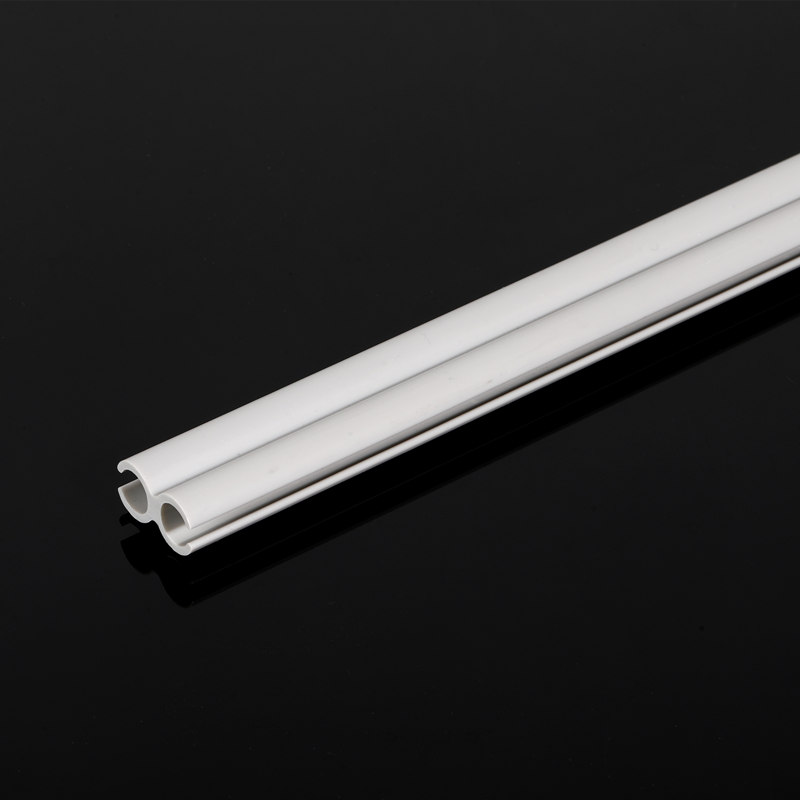 OEM/ODM Custom Easy Install Safety Flagpole Pvc China Factory Hand Waving FlagpoTongxiang Guangyu Plastic Products Co., Ltd is China OEM/ODM Custom Easy Install Safety Flagpole Pvc China Factory Hand Waving Flagpole m...View Product →
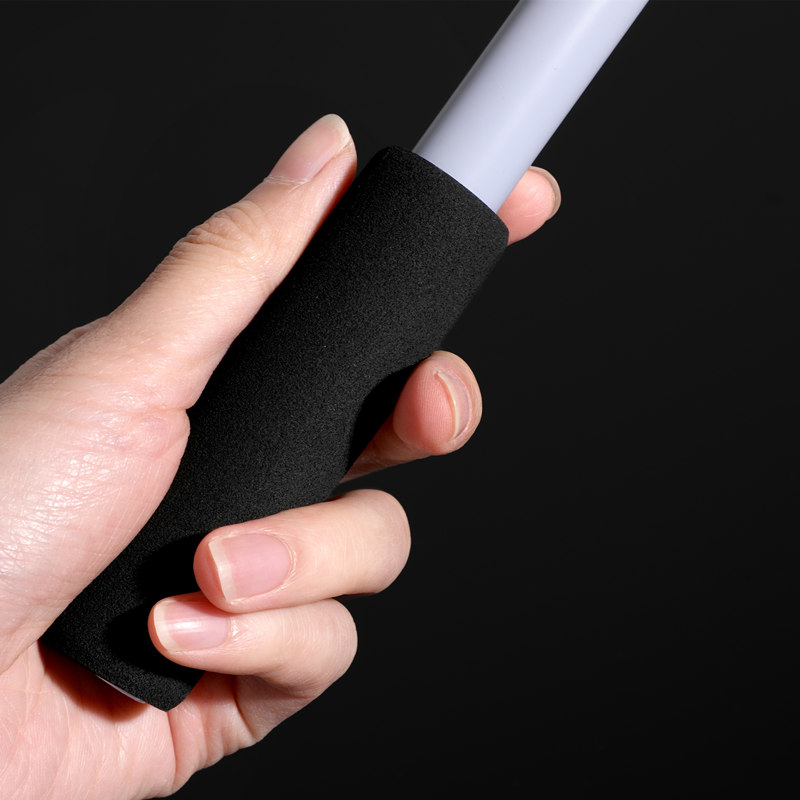 OEM/ODM Festival Walking Mount Flagpoles Personalized Design Hand Waving FlagpolTongxiang Guangyu Plastic Products Co., Ltd is China OEM/ODM Festival Walking Mount Flagpoles Personalized Design Hand Waving Flagpole ma...View Product →
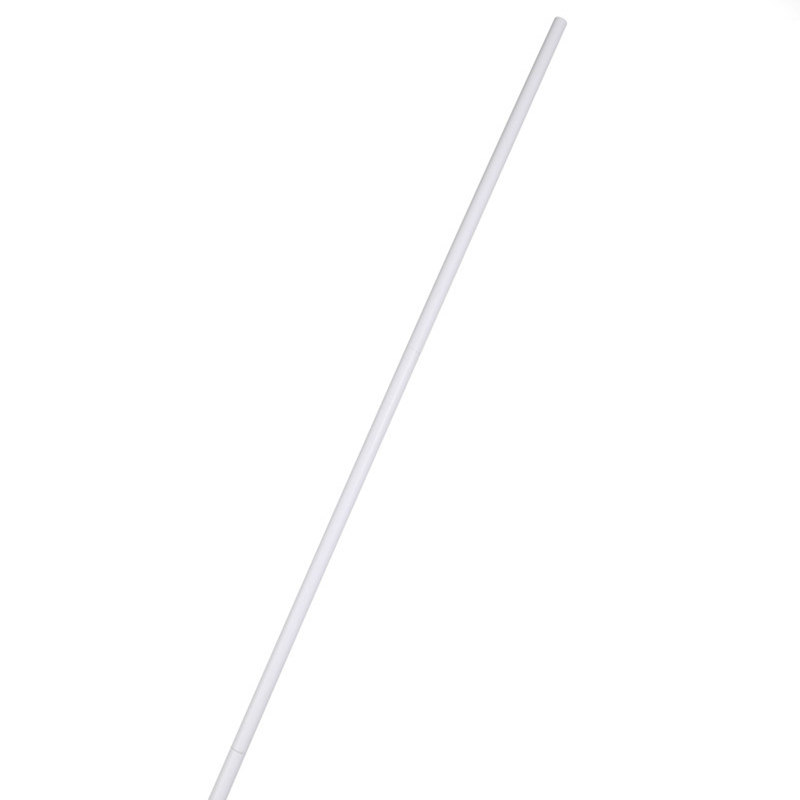 OEM/ODM Hand Waving Flagpole Hot Sale Custom Indoor Outdoor Flagpole For Car OffTongxiang Guangyu Plastic Products Co., Ltd is China OEM/ODM Hand Waving Flagpole Hot Sale Custom Indoor Outdoor Flagpole For Car Offroad...View Product →
Final Advice: Keep the Display Simple and Correct
Recommended products
-
2023 New Cheap Plastic Pipe Multiple Colors And Sizes Custom Hand Waving Flagpole
-
Wholesale Custom Pvc Material Indoor Desktop Flagpole Hand Waving Flagpole
-
Customizable Size Custom Logo Plastics Hand Waving Flagpole Big Pvc Flagpole
-
Plastics Hand Waving Flagpole Factory Direct Custom Wholesale PVC Flagpole Parts Pipe
-
Custom Easy Install Safety Flagpole Pvc China Factory Hand Waving Flagpole
-
New Popular Product Transparent Pvc Flagpole Custom Size Hand Waving Flagpole
-
2023 High Quality Hand Waving Flagpole Big Or Small Flagpole Size Custom
-
Fast Delivery Promotion Factory Wholesale Flagpole Pvc Pipe Hand Waving Flagpole
-
2023 Personalized Custom Desk Hand Waving Flagpole Outdoor White Flagpole
-
Wholesale 2023 Hot Sale Used Flagpole Weight Custom Pvc Hand Waving Flagpole
-
Wholesale Products Cheap High Quality Hand Waving Flagpole Newest Sections Flagpole
-
Wholesale Cheap High-Quality Hot Sale Flagpole Cylindrical Hand Waving Flagpole
Follow Us:
Copyright © Tongxiang Guangyu Plastic Products Co., Ltd. Rights Reserved.
