
 +86-0573-88528475
 English
 русский
Search by posts
Product category
Industry News
 By Admin
What is the difference between a hand-waving flagpole and a fixed flagpole?
Content
Introduction to Flagpoles
Flagpoles are essential tools for displaying flags in various contexts, from public events to personal celebrations. They come in different types, primarily hand-waving flagpoles and fixed flagpoles. Understanding the differences between these two types is important for selecting the right flagpole for your needs, whether for ceremonial purposes, sports events, promotional activities, or everyday display.
Design and Structure Differences
The most apparent distinction between hand-waving and fixed flagpoles lies in their design and structural features.
Hand-Waving Flagpoles
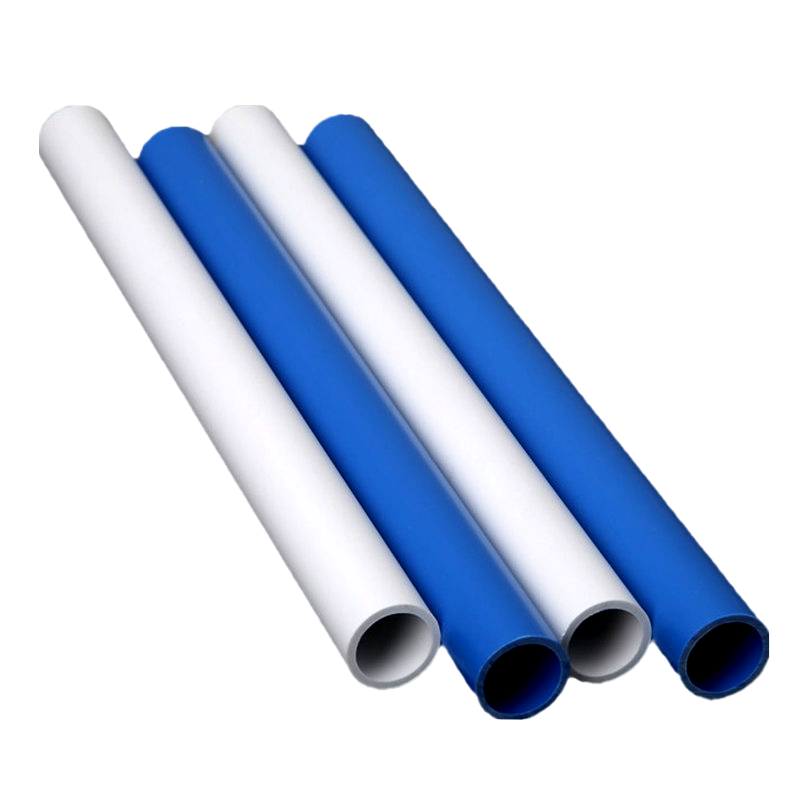
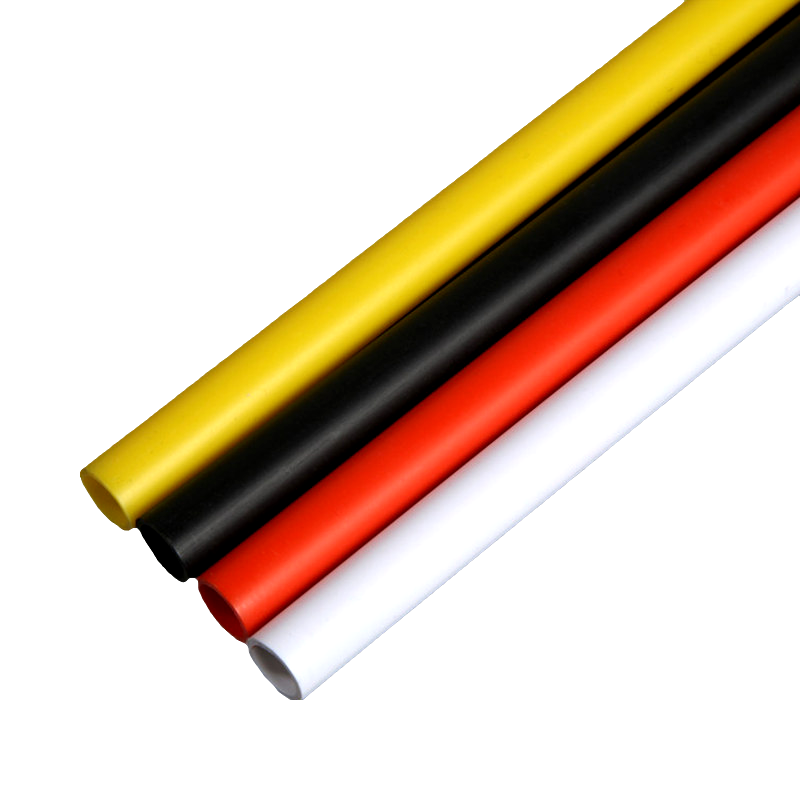
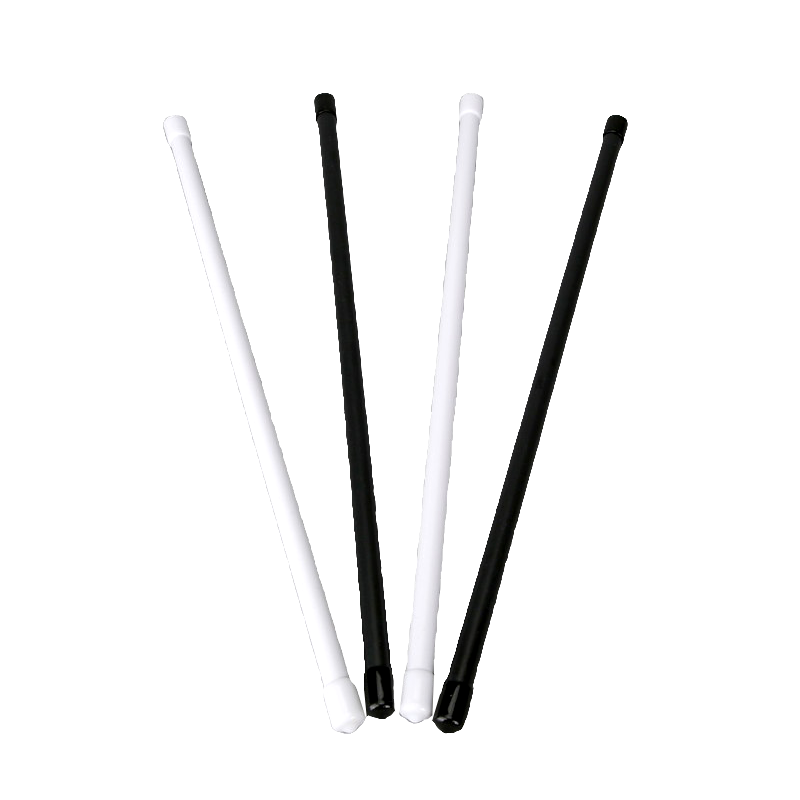
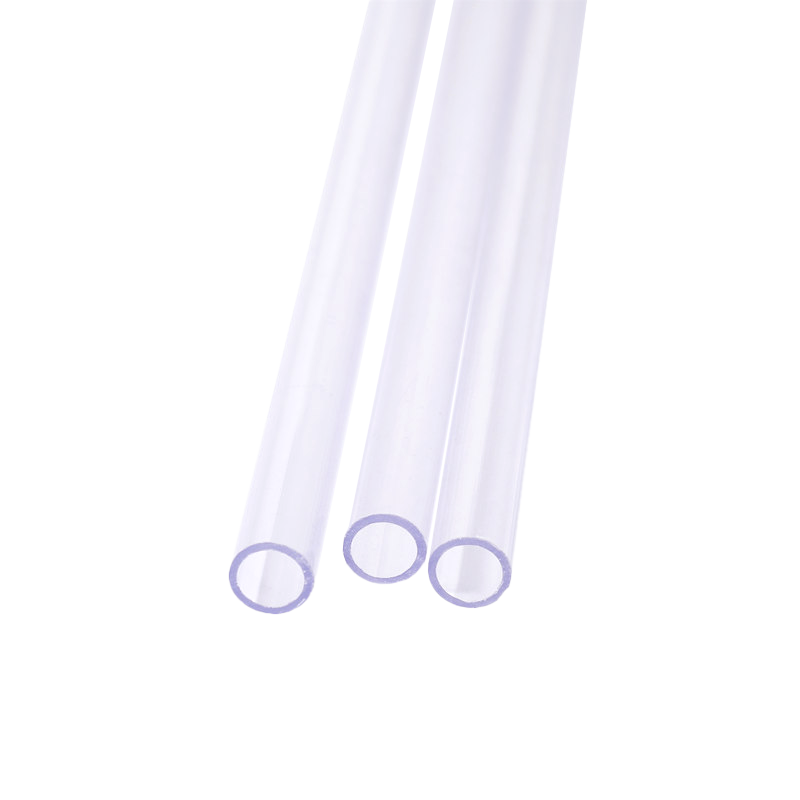
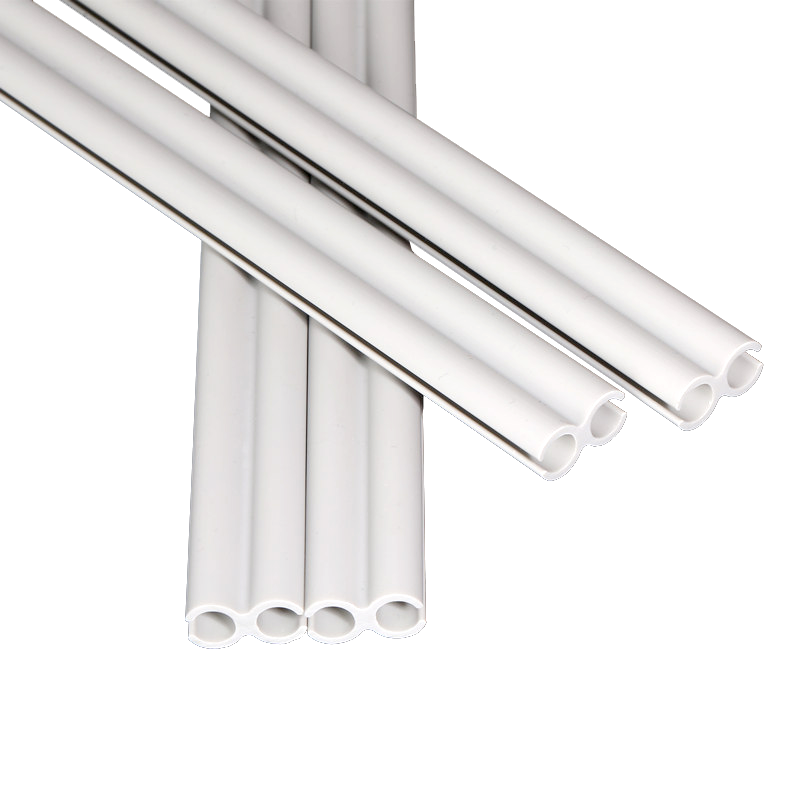
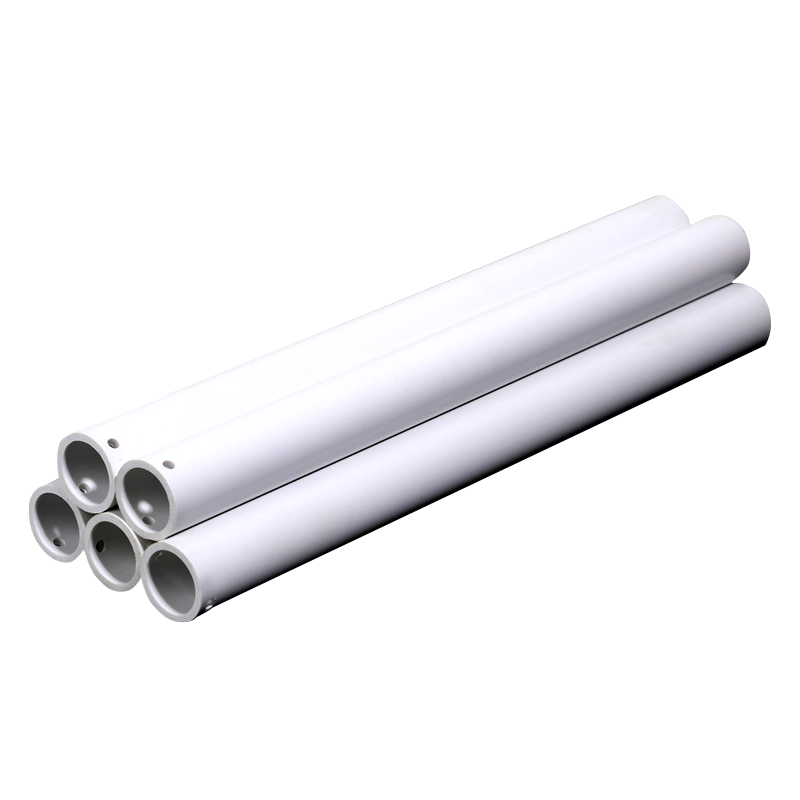
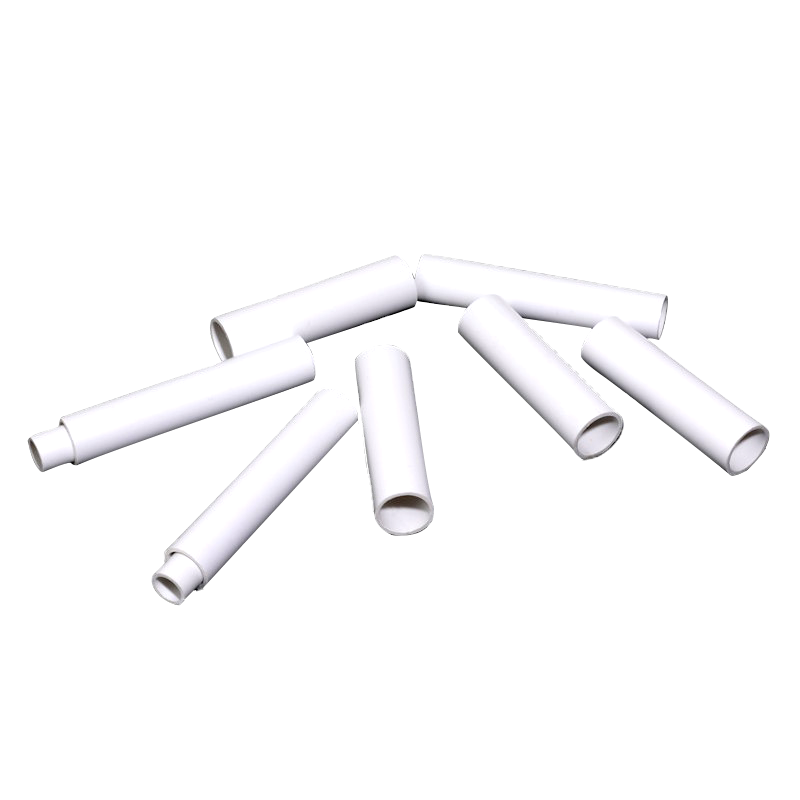
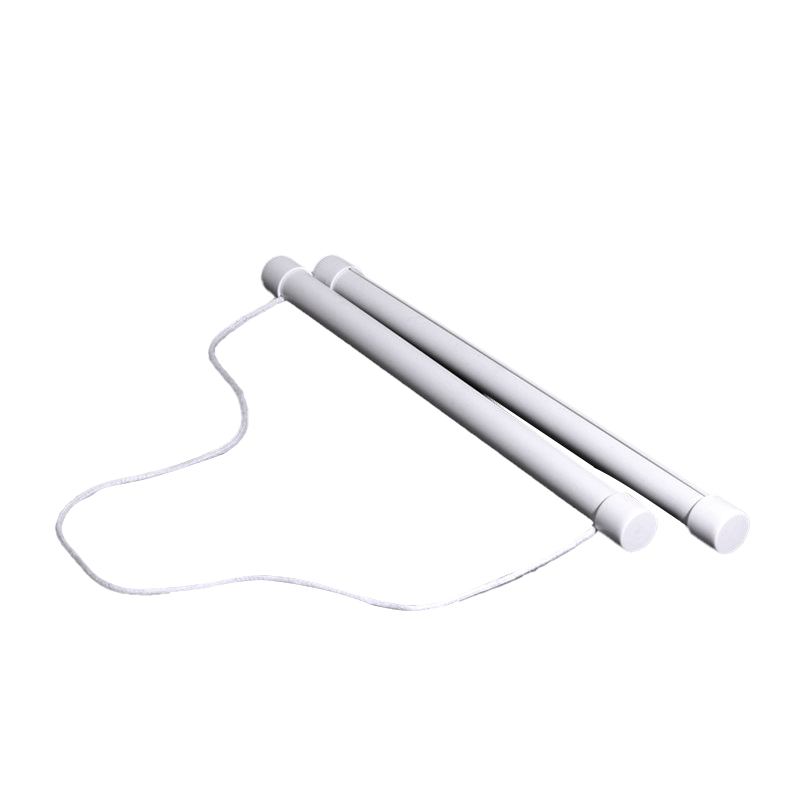
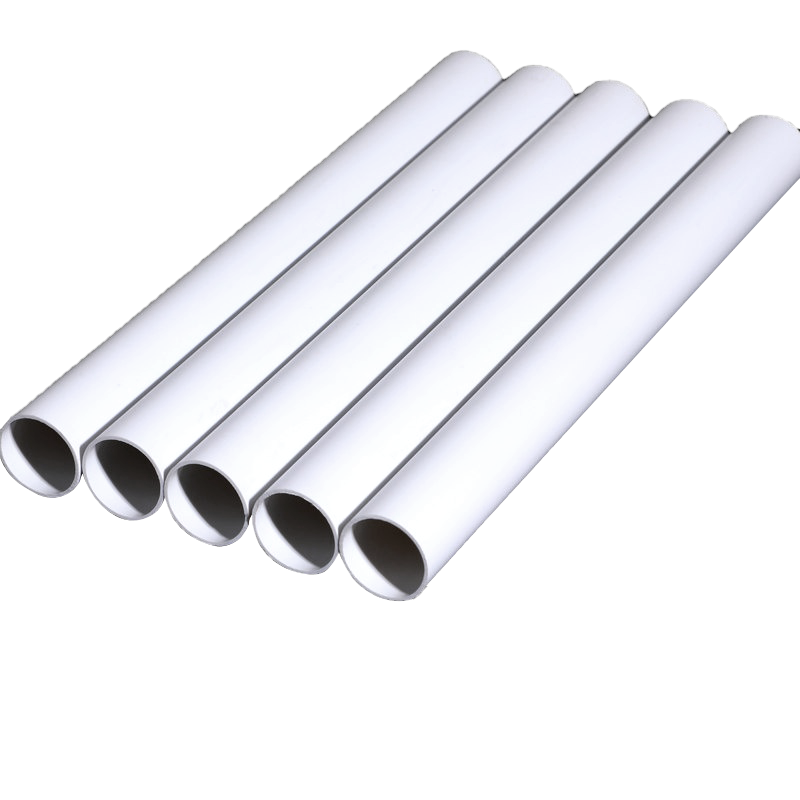
Hand-waving flagpoles are lightweight, portable, and designed to be held by hand. They are usually made from materials such as plastic, fiberglass, or lightweight aluminum, allowing easy maneuverability. The length of hand-waving flagpoles varies, commonly ranging from 60cm to 150cm, depending on the event type and flag size.
Fixed Flagpoles
Fixed flagpoles are designed for permanent or semi-permanent installation. Typically made from durable metals such as stainless steel, aluminum, or galvanized steel, they are anchored into the ground or building structures. Fixed flagpoles are much taller than hand-waving ones, often ranging from 3 meters to over 20 meters, to ensure visibility from a distance.
Usage and Applications
The intended use of the flagpole heavily influences the choice between hand-waving and fixed types.
Hand-Waving Flagpoles Applications
Hand-waving flagpoles are ideal for temporary, mobile, or interactive use. They are frequently used in:
- Parades and public celebrations
- Sports events and fan cheering
- Protests or rallies
- Promotional or marketing events
- Educational or classroom activities
Fixed Flagpoles Applications
Fixed flagpoles are suited for long-term display and official purposes. Common applications include:
- Government buildings and embassies
- Schools and universities
- Corporate headquarters
- Parks and public squares
- Residential complexes with permanent flag displays
Portability and Mobility
Portability is another key difference between these two flagpole types.
Hand-Waving Flagpoles
Hand-waving flagpoles are lightweight and can be carried easily by a single person. They are flexible in movement, allowing users to wave, rotate, and gesture with the flag during events. This mobility makes them perfect for interactive or dynamic displays.
Fixed Flagpoles
Fixed flagpoles are immobile once installed. Their height and stability make them suitable for long-term visibility but restrict interactive use. Maintenance, such as raising and lowering the flag, is often done using pulleys or motorized systems.
Durability and Material Considerations
The materials and durability requirements differ significantly between hand-waving and fixed flagpoles.
Hand-Waving Flagpoles Durability
Hand-waving flagpoles prioritize lightweight design over extreme durability. Materials like plastic or fiberglass resist bending and breaking under typical waving conditions but are not designed to withstand strong winds for extended periods.
Fixed Flagpoles Durability
Fixed flagpoles are built for long-term exposure to environmental elements, including wind, rain, and UV radiation. Metals such as stainless steel or aluminum provide strength and corrosion resistance, ensuring stability and safety even in adverse weather conditions.
Cost and Installation Differences
Cost and installation complexity also distinguish these two flagpole types.
Hand-Waving Flagpoles
Hand-waving flagpoles are generally inexpensive and require no installation. They are sold ready-to-use and are accessible for large crowds or events without significant budget or logistical requirements.
Fixed Flagpoles
Fixed flagpoles involve higher initial costs due to materials, anchoring, and installation labor. They often require concrete foundations, pulleys, and occasional maintenance, which adds to the long-term investment but ensures durability and formal display quality.
Comparison Table: Hand-Waving vs Fixed Flagpoles
The table below summarizes the key differences between hand-waving and fixed flagpoles:
| Feature | Hand-Waving Flagpole | Fixed Flagpole |
|---|---|---|
| Material | Plastic, fiberglass, light aluminum | Stainless steel, aluminum, galvanized steel |
| Portability | High, handheld | Low, fixed installation |
| Height | 0.6–1.5 meters | 3–20+ meters |
| Usage | Events, cheering, temporary displays | Official buildings, parks, permanent display |
| Cost | Low | High |
Conclusion
Hand-waving and fixed flagpoles serve distinct purposes. Hand-waving flagpoles offer portability, low cost, and interactive use for temporary events, while fixed flagpoles provide durability, height, and a permanent presence for official and long-term displays. Choosing the right flagpole depends on the intended application, budget, and environmental conditions, ensuring optimal functionality and visibility.
Recommended products
-
2023 New Cheap Plastic Pipe Multiple Colors And Sizes Custom Hand Waving Flagpole
-
Wholesale Custom Pvc Material Indoor Desktop Flagpole Hand Waving Flagpole
-
Customizable Size Custom Logo Plastics Hand Waving Flagpole Big Pvc Flagpole
-
Plastics Hand Waving Flagpole Factory Direct Custom Wholesale PVC Flagpole Parts Pipe
-
Custom Easy Install Safety Flagpole Pvc China Factory Hand Waving Flagpole
-
New Popular Product Transparent Pvc Flagpole Custom Size Hand Waving Flagpole
-
2023 High Quality Hand Waving Flagpole Big Or Small Flagpole Size Custom
-
Fast Delivery Promotion Factory Wholesale Flagpole Pvc Pipe Hand Waving Flagpole
-
2023 Personalized Custom Desk Hand Waving Flagpole Outdoor White Flagpole
-
Wholesale 2023 Hot Sale Used Flagpole Weight Custom Pvc Hand Waving Flagpole
-
Wholesale Products Cheap High Quality Hand Waving Flagpole Newest Sections Flagpole
-
Wholesale Cheap High-Quality Hot Sale Flagpole Cylindrical Hand Waving Flagpole

Follow Us:
Copyright © Tongxiang Guangyu Plastic Products Co., Ltd. Rights Reserved.
