
 +86-0573-88528475
 English
 русский

Search by posts
Product category
Industry News
 By Admin
Sectional vs Telescoping Flagpole: Which Design Fits Your Site and Budget?
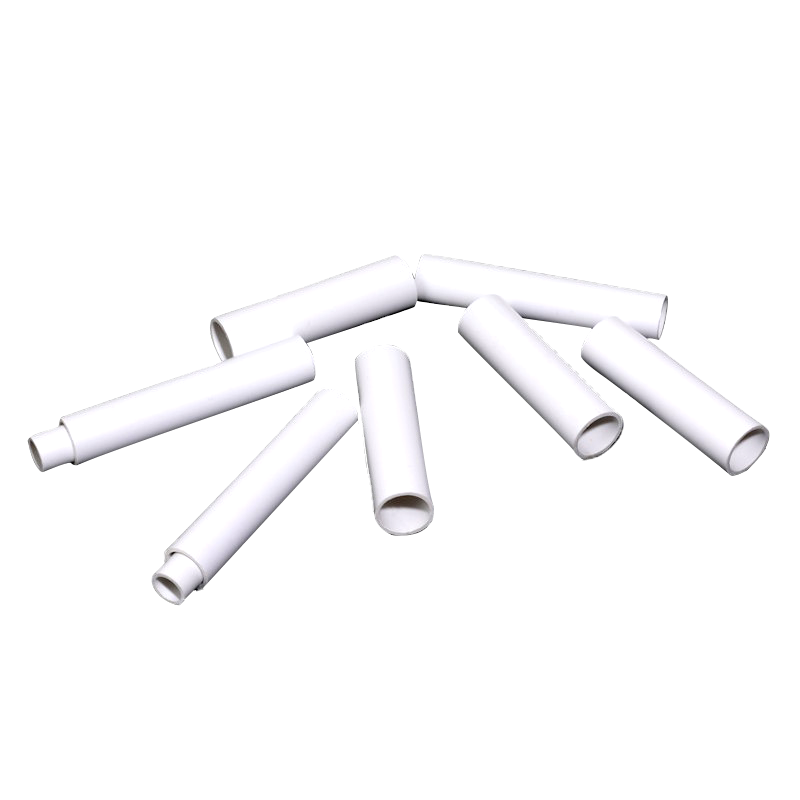
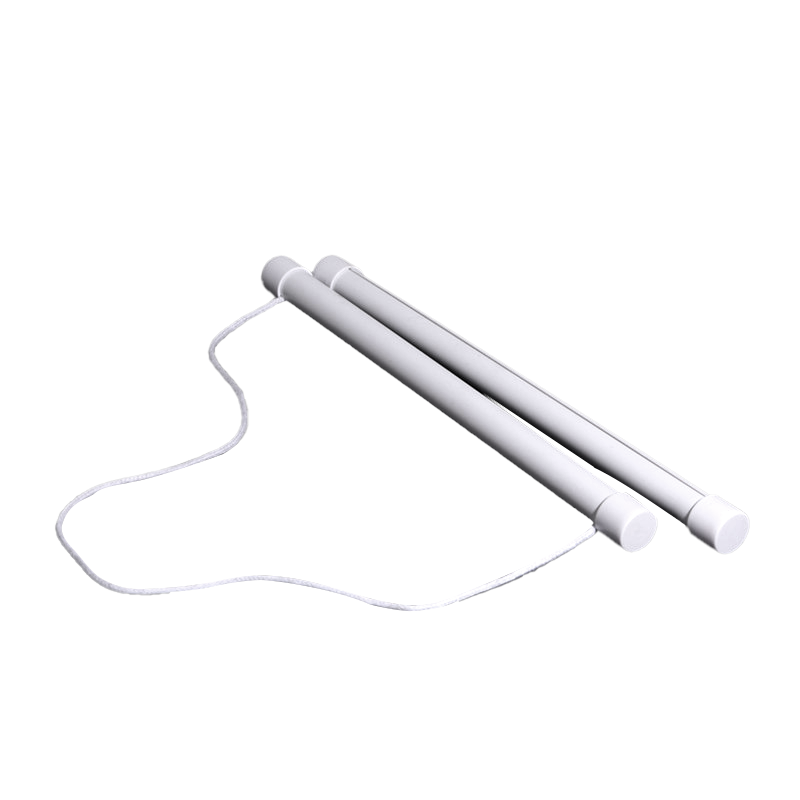
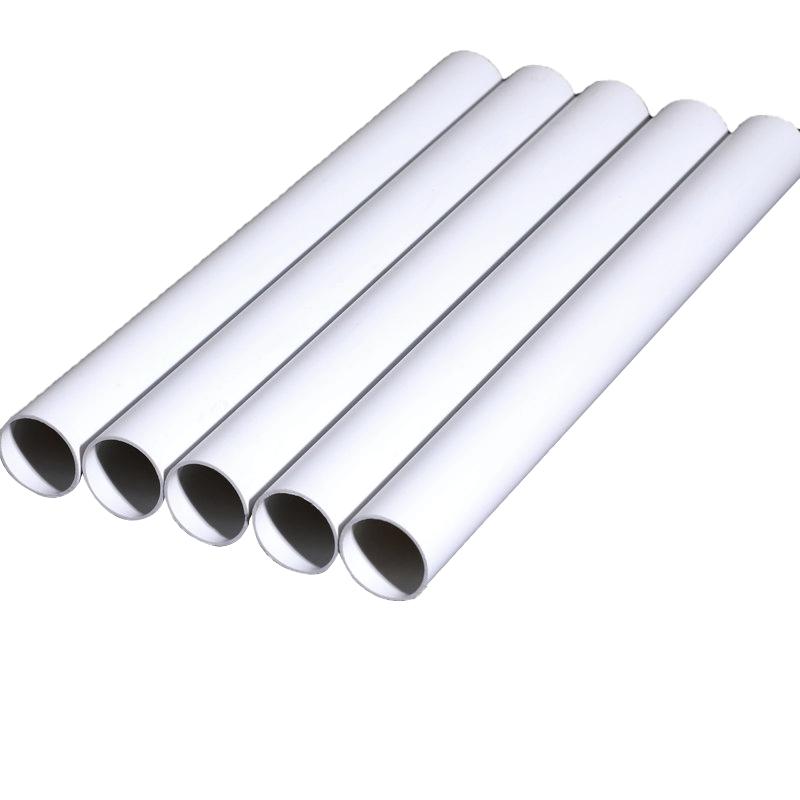
Two crews install the same twenty-foot flag run on a breezy Saturday. One finishes in under ten minutes and drives away with every pole folded into a car trunk. The other spends half an hour seating joints and tightening collars, then returns in spring to replace two segments that cracked where they meet. Both crews bought from reliable suppliers. What separated them was pole architecture: one used sectional poles, the other used telescoping poles. The trade-off is simple. Telescoping poles buy portability and speed, and pay for both with stiffness and unit price. Sectional poles buy strength and a lower cost per foot, and pay for it by being long, rigid and awkward to move. Content If the pole goes into the ground once and stays there for years, choose sectional. If the pole travels, gets raised and lowered weekly, or has to fit in a van, choose telescoping. Almost every disappointment in this category comes from buying one design for a job the other design was built to do. Use sectional when the flag line is permanent, the height runs past twenty feet, the site is exposed to steady wind, or the buyer is paying per unit and counting every dollar. Use telescoping when setup labor is expensive, when storage space is limited, when height must be adjusted between events, or when one person has to raise the pole alone. A sectional pole is a set of straight tubes, usually three to five, coupled end to end by an internal ferrule or an external sleeve. Because the tubes never have to slide through each other, every section can keep the same outside diameter and the same wall thickness. The bottom of the pole is as strong as the drawing specifies, and the top is not much weaker. A telescoping pole nests. Each upper section must fit inside the one below it, so diameter and wall thickness step down at every stage. That nesting clearance is the hidden cost of the design. With two millimeters of clearance per stage, a four-section pole built on a 50 mm base can lose twelve to sixteen millimeters of diameter by the time you reach the top. The tip that holds the flag is the thinnest, most flexible part of the whole assembly, and it works at the greatest leverage. Stiffness is where the two designs part company most sharply. For a cantilevered tube, doubling the height multiplies tip deflection by roughly sixteen if nothing else changes, and deflection falls with the fourth power of diameter. That math explains why a telescoping pole feels solid at twelve feet and springy at twenty-two: the tallest setting is also the thinnest section doing the most work. Every lock on a telescoping pole is a stress point as well. A twist cam or pin hole interrupts an otherwise uniform tube, so repeated gust loading tends to show up first as a hairline crack at the collar or a collar that no longer grips. Sectional poles avoid the interruption along the span, and their joints sit at fixed points chosen by the designer rather than at whatever height the user stops turning. Two habits extend the life of a telescoping pole considerably: leave the top stage partly retracted in gusty conditions, and match the flag area to the pole's rating instead of its maximum height. A flag that is oversized for the top stage does more damage than wind alone. Sectional poles fail at the logistics stage more often than at the engineering stage. Five segments of six feet each will not fit in a sedan, and on-site crews need somewhere to lay them out while joints are seated. If the pole is installed once from a truck, that is a non-issue. If a sales team reassembles it every weekend, it becomes the deciding factor. Telescoping poles collapse to a bundle that fits across a back seat. That is why they dominate car dealerships, parade units, event marketing and any application where the pole is raised, dropped and moved again in the same week. The cost shows up later as lock maintenance and shorter service life under constant wind. At equal tube quality, a telescoping pole usually carries a noticeable premium because of the machined locks, springs and tighter nesting tolerances. Sectional hardware is simpler and cheaper to replace. On a permanent installation, that gap widens over ten years: a sectional pole may need nothing more than a collar and a set screw, while a telescoping pole with a jammed lock is often scrapped or returned. Labor flips the calculation. If raising a pole costs a crew ten minutes each time, a hundred setups per season covers the premium several times over. Buyers who price poles by unit only, without counting setup labor and replacement rate, consistently misjudge which design is cheaper for their operation. PVC extrusion is the workhorse material for hand-waving poles, promotional flagpoles and short indoor or outdoor display poles. It does not rust, color runs through the wall instead of sitting on the surface, and the cost per unit is low enough for giveaway volumes. Grades can be tuned at the compound stage: cold-resistant, heat-resistant and oil-resistant formulations, matte or clear finishes, all compliant with ROHS requirements. A short guide to material choices for plastic pipe flagpoles covers those grades in more detail. What PVC will not do is substitute for aluminum at thirty feet in open wind. Its modulus is a fraction of metal's, it creeps under sustained bending load, and impact strength drops in near-freezing weather. Size the pole honestly for the load, keep spans short, and PVC performs for years. Overreach on height and the pole tells you quickly. A specification that survives real use covers more than height and color. Work through this list with any supplier, including us: Volume buyers usually need both designs from one supplier, sized in millimeters, with consistent joint hardware across shipments. Custom dimensions, colors and designs are routine in extrusion, and mixed containers that combine short hand poles with sectional segments keep freight costs sensible. Ask for a sample from the current production run rather than a catalog photo, measure the wall at both ends of the tube, and test one lock a few hundred cycles. That takes twenty minutes and prevents most of the returns that follow a first container. Sectional and telescoping poles are not competing answers to the same question. One is a fixed structure that happens to ship knocked down, the other is a portable tool that happens to hold a flag. Decide first whether the pole is infrastructure or equipment, then let height, wind exposure and setup labor settle the specification. Buyers who start from the installation site rather than the product photo rarely regret the choice.The Short Answer
How Each Design Actually Works
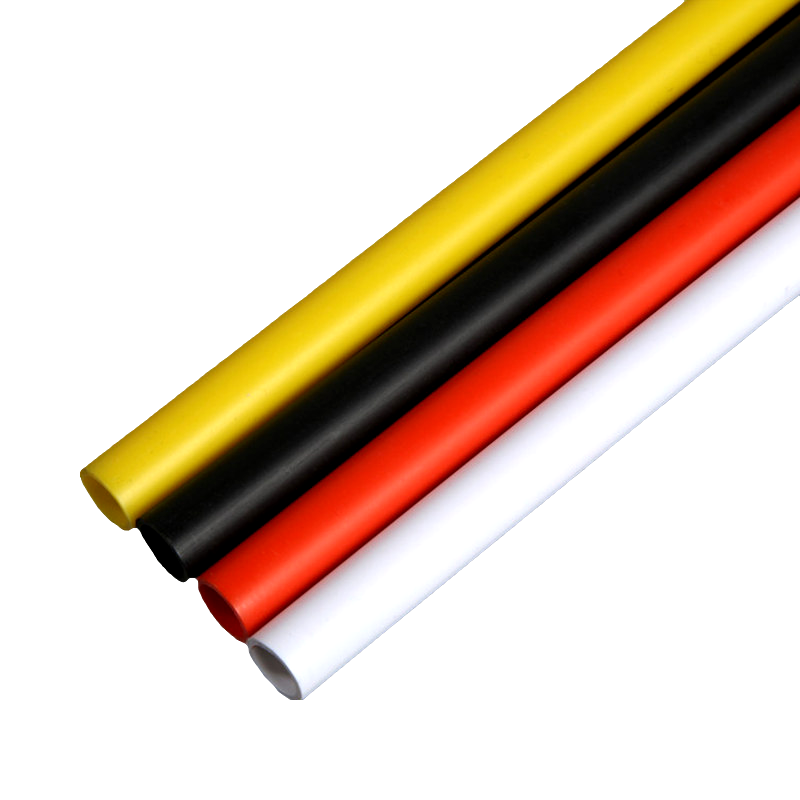
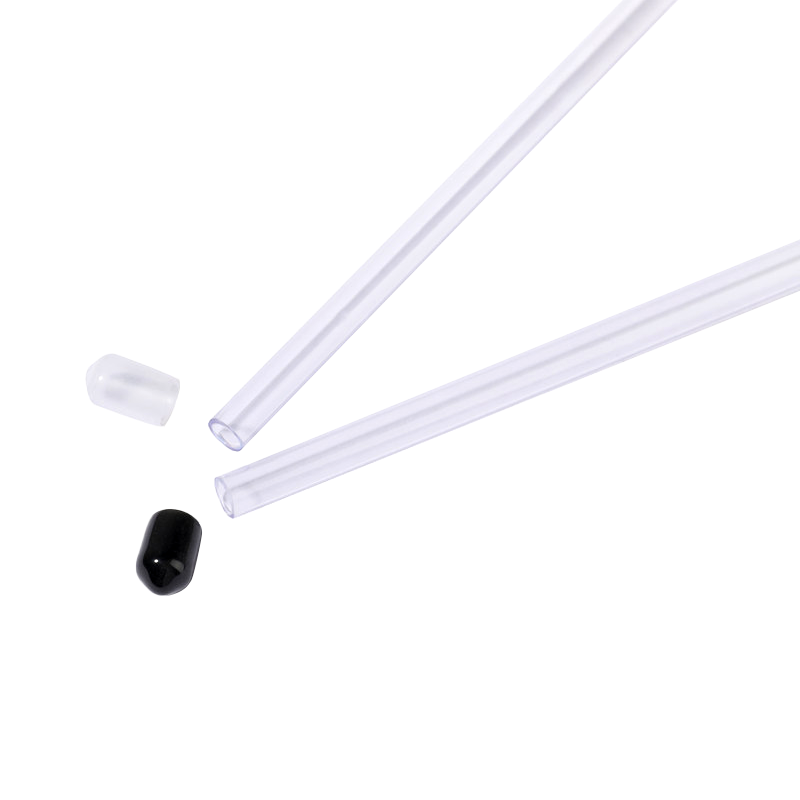
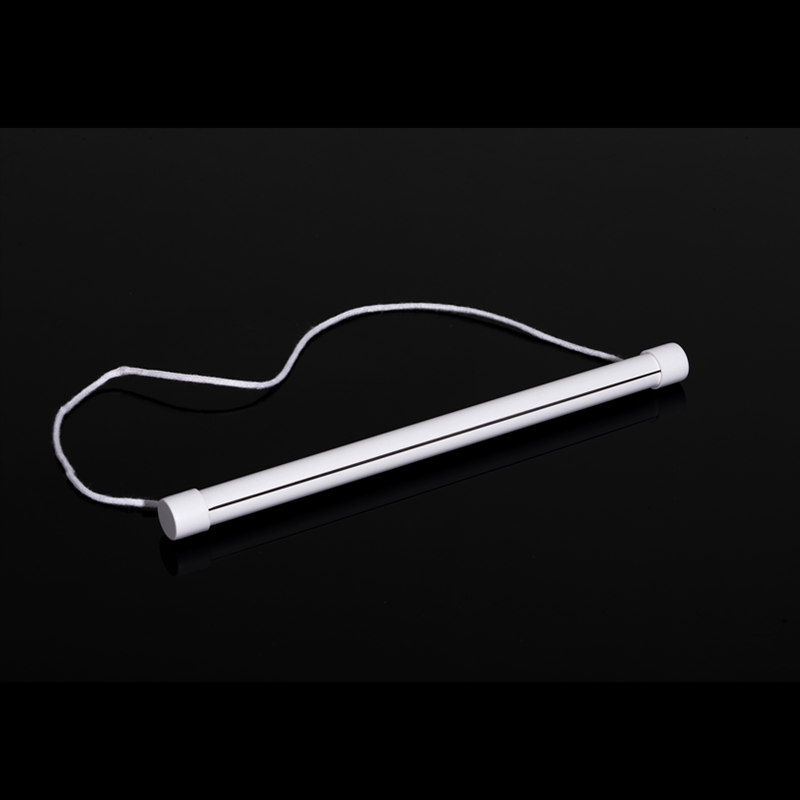 Customizable Plastic Hand Waving FlagpoleA lightweight plastic hand-waving flagpole with customizable size, color and printing, suited to bulk OEM/ODM orders.View Product →
Side-by-Side Comparison
Attribute
Sectional
Telescoping
Joint system
Fixed ferrule or sleeve joints, secured with set screws or cam collars
Nested tubes with twist cams, lever clamps or spring pins
Tube geometry
Constant outside diameter and full wall thickness
Diameter and wall step down at each stage
Collapsed length
Longest single segment, commonly 5 to 8 ft
Roughly the base section, commonly 4 to 6 ft
Setup time
5 to 15 minutes for three to five joints, plus final truing
30 to 90 seconds, often by one person
Practical height
20 to 30 ft in metal, 8 to 20 ft in PVC
15 to 25 ft, rarely above 30 ft
Wind behavior
Stiffer, joints stay aligned under load
More deflection, locks concentrate stress
Unit cost
Lower for the same tube quality
Higher, because of locks and tighter tolerances
Maintenance focus
Joint hardware, set screw torque, base seating
Clean nesting surfaces, dry storage, lock replacement
Strength, Wind and Deflection
Setup, Transport and Storage
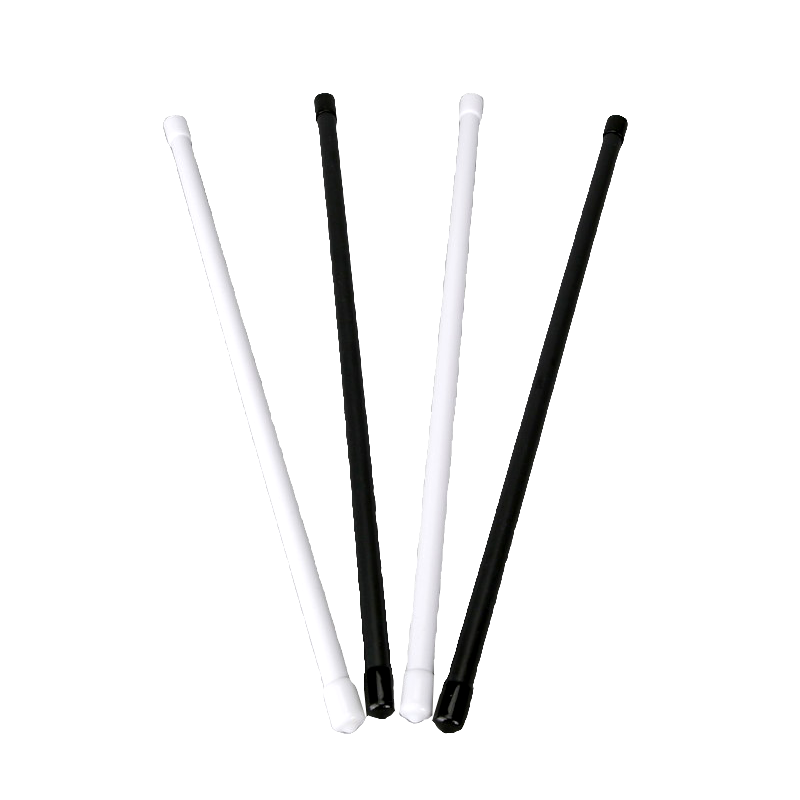
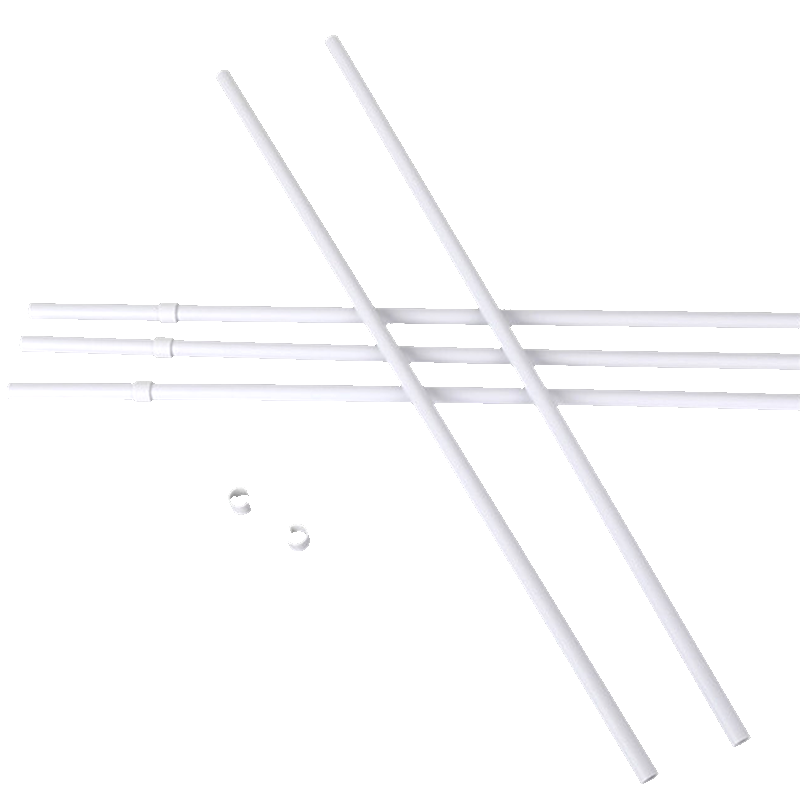
 Custom Plastic Hand Wave Flagpole for Indoor and Outdoor UseLightweight customizable plastic flagpole with OEM/ODM options, size and color choices, and packaging for indoor or outdoor flag displays.View Product →
Cost and Total Cost of Ownership
Where PVC Fits, and Where It Does Not
Matching the Design to the Job
Use case
Recommended type
Reason
Permanent home or commercial line above 20 ft
Sectional
Stiffness, lower cost per foot, fewer moving parts
Trade shows, parades, hand-waving promotion
Telescoping or short hand pole
Collapses into a bag, one-person setup
Dealer lots and roadside display
Telescoping
Moves between vehicles, fast takedown before weather
Rental and event fleets
Telescoping
Adjustable height, individual sections replaceable
Long banner runs and heavy flags
Sectional
Full-diameter tube carries the load without whipping
Seasonal low-cost promotion
Short PVC hand pole
Low unit price, no rust, molded-in color
What to Check Before You Order
Sourcing Notes for Wholesale Buyers
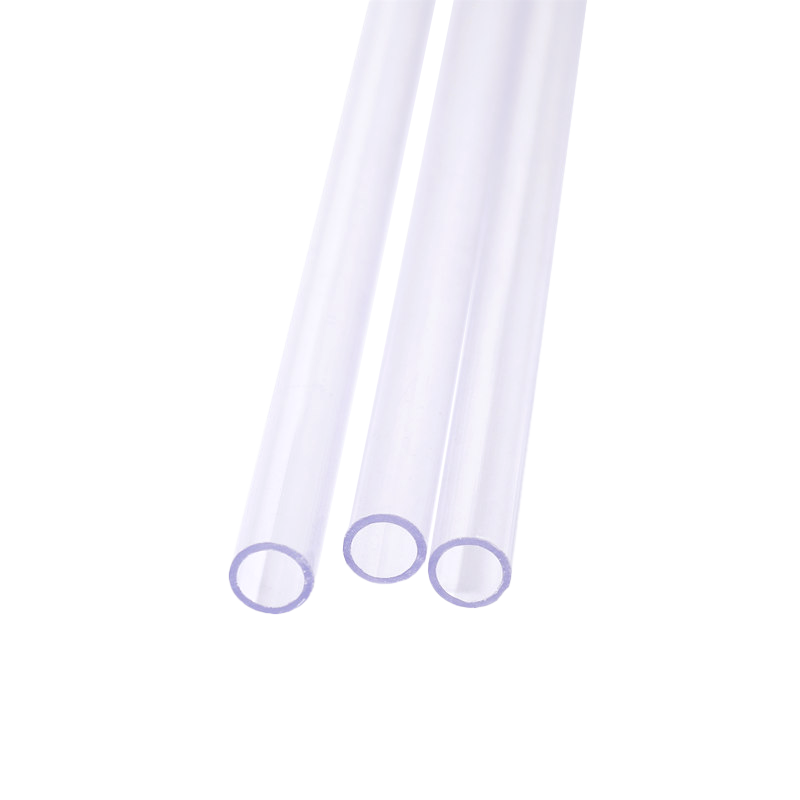
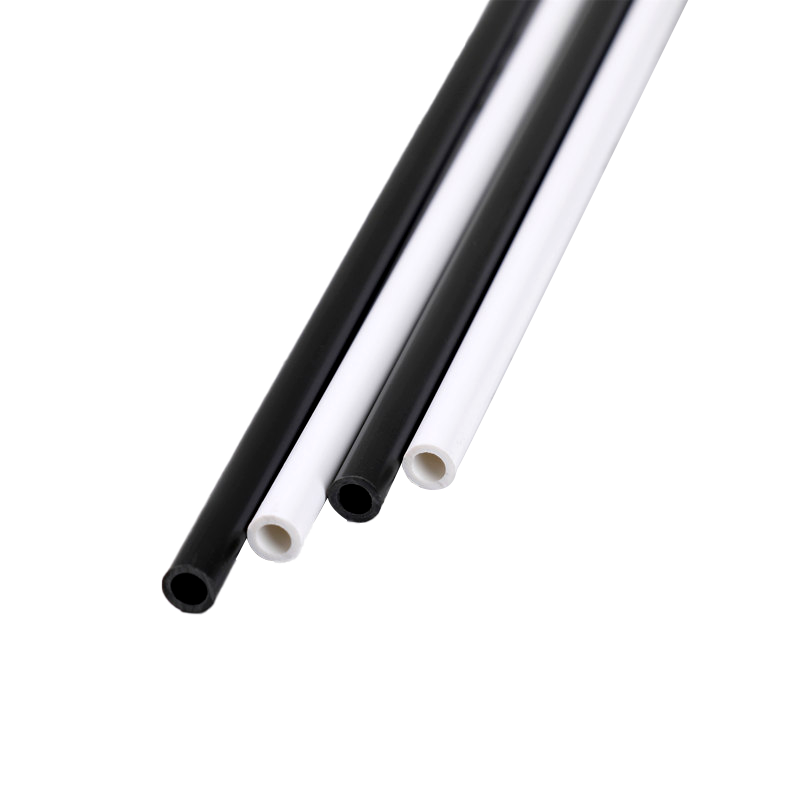
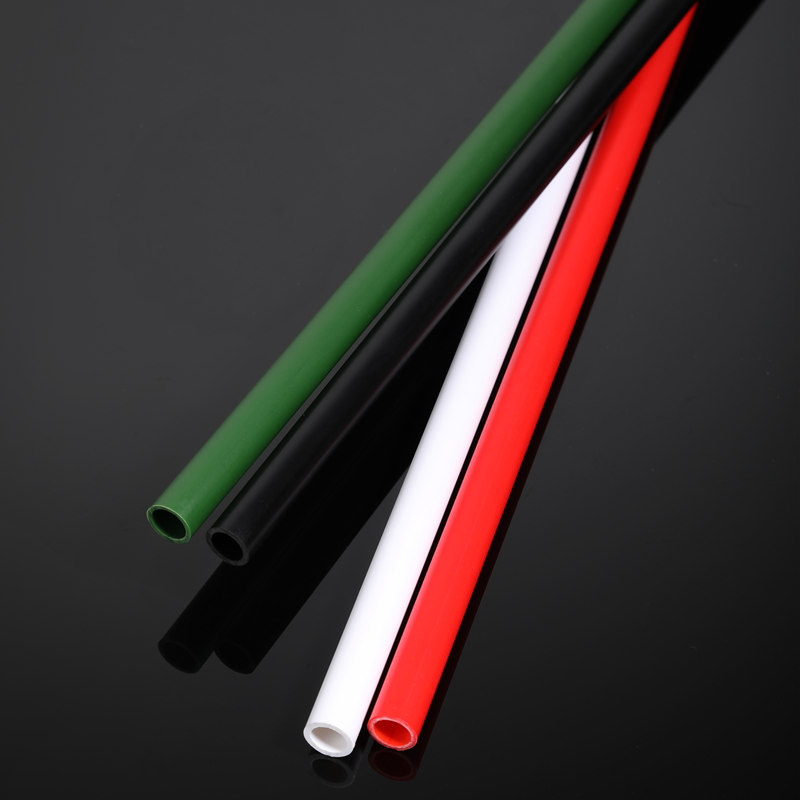 Custom Size Wholesale Hand Waving FlagpoleCustom-size plastic hand-waving flagpole with color, design and printing options, offered for wholesale OEM/ODM orders.View Product →
Recommended products
-
2023 New Cheap Plastic Pipe Multiple Colors And Sizes Custom Hand Waving Flagpole
-
Wholesale Custom Pvc Material Indoor Desktop Flagpole Hand Waving Flagpole
-
Customizable Size Custom Logo Plastics Hand Waving Flagpole Big Pvc Flagpole
-
Plastics Hand Waving Flagpole Factory Direct Custom Wholesale PVC Flagpole Parts Pipe
-
Custom Easy Install Safety Flagpole Pvc China Factory Hand Waving Flagpole
-
New Popular Product Transparent Pvc Flagpole Custom Size Hand Waving Flagpole
-
2023 High Quality Hand Waving Flagpole Big Or Small Flagpole Size Custom
-
Fast Delivery Promotion Factory Wholesale Flagpole Pvc Pipe Hand Waving Flagpole
-
2023 Personalized Custom Desk Hand Waving Flagpole Outdoor White Flagpole
-
Wholesale 2023 Hot Sale Used Flagpole Weight Custom Pvc Hand Waving Flagpole
-
Wholesale Products Cheap High Quality Hand Waving Flagpole Newest Sections Flagpole
-
Wholesale Cheap High-Quality Hot Sale Flagpole Cylindrical Hand Waving Flagpole
Follow Us:
Copyright © Tongxiang Guangyu Plastic Products Co., Ltd. Rights Reserved.
