
 +86-0573-88528475
 English
 русский
Search by posts
Product category
Industry News
 By Admin
Safety Flagpole Guide: Types, Installation & Compliance
Content Safety flagpoles are essential visual markers used to delineate hazardous areas, guide traffic, and enhance visibility on construction sites, roadsides, and industrial facilities. Properly placed safety flags can reduce accident rates by up to 35% in low-visibility conditions by providing early warning to drivers and pedestrians. Unlike standard decorative poles, safety flagpoles are engineered for durability and high visibility. They typically feature bright orange or red flags made from reflective or fluorescent materials, mounted on flexible yet sturdy poles that can withstand wind loads and minor impacts without breaking. Selecting the right safety flagpole involves evaluating several critical design elements: Different environments require specific types of safety flagpoles: These often use heavy-duty fiberglass poles with large bases. They mark excavation sites, overhead hazards, and perimeter boundaries. Their bright color contrasts with soil and concrete, ensuring clear visibility. Used on roadsides, these poles are typically shorter (3–4 feet) and mounted on rubber bases. They guide traffic around lane closures and work zones, complying with Department of Transportation (DOT) standards. Smaller, lightweight flags identify underground cables, pipes, or survey points. They are often color-coded according to industry standards (e.g., red for electric, yellow for gas). To maximize effectiveness, follow these guidelines for deploying safety flagpoles: Safety flagpoles must often meet specific regulatory standards depending on the industry: Adhering to these standards not only ensures legal compliance but also demonstrates a commitment to workplace safety, potentially lowering insurance premiums and liability risks.The Critical Role of Safety Flagpoles in Hazard Zones
Key Features of High-Performance Safety Flagpoles
Common Types and Applications
Construction Site Markers
Traffic Control Delineators
Utility and Underground Markers
Type
Height Range
Base Type
Best Use Case
Construction Marker
4–6 feet
Weighted/Auger
Perimeter Safety
Traffic Delineator
3–4 feet
Rubber/Flat
Road Work Zones
Utility Marker
1–2 feet
Wire Stake
Underground ID
Installation and Maintenance Best Practices
Regulatory Compliance and Standards
Recommended products
-
2023 New Cheap Plastic Pipe Multiple Colors And Sizes Custom Hand Waving Flagpole
-
Wholesale Custom Pvc Material Indoor Desktop Flagpole Hand Waving Flagpole
-
Customizable Size Custom Logo Plastics Hand Waving Flagpole Big Pvc Flagpole
-
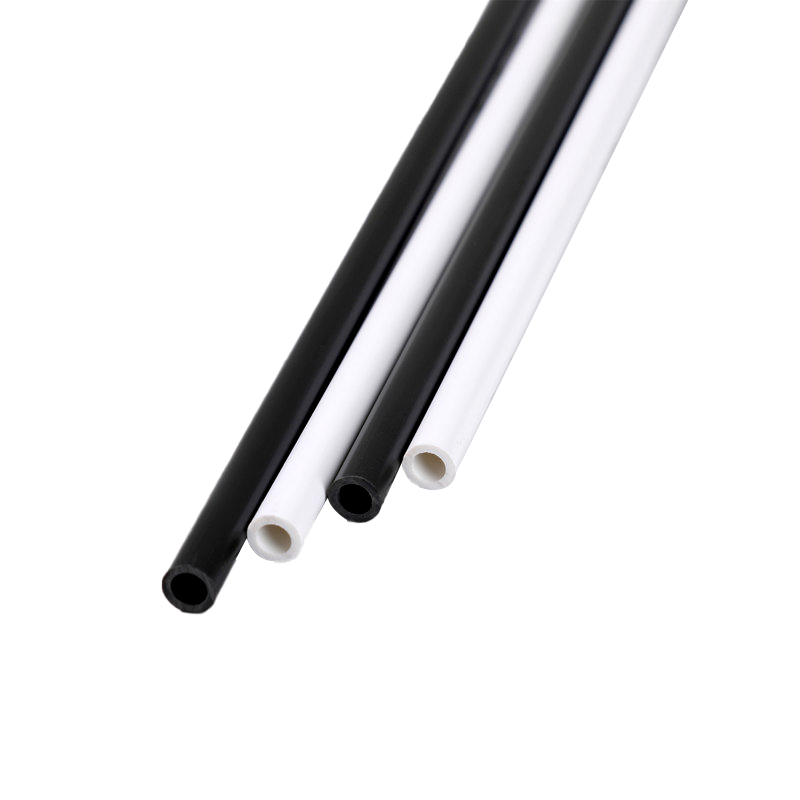
Plastics Hand Waving Flagpole Factory Direct Custom Wholesale PVC Flagpole Parts Pipe
-
Custom Easy Install Safety Flagpole Pvc China Factory Hand Waving Flagpole
-
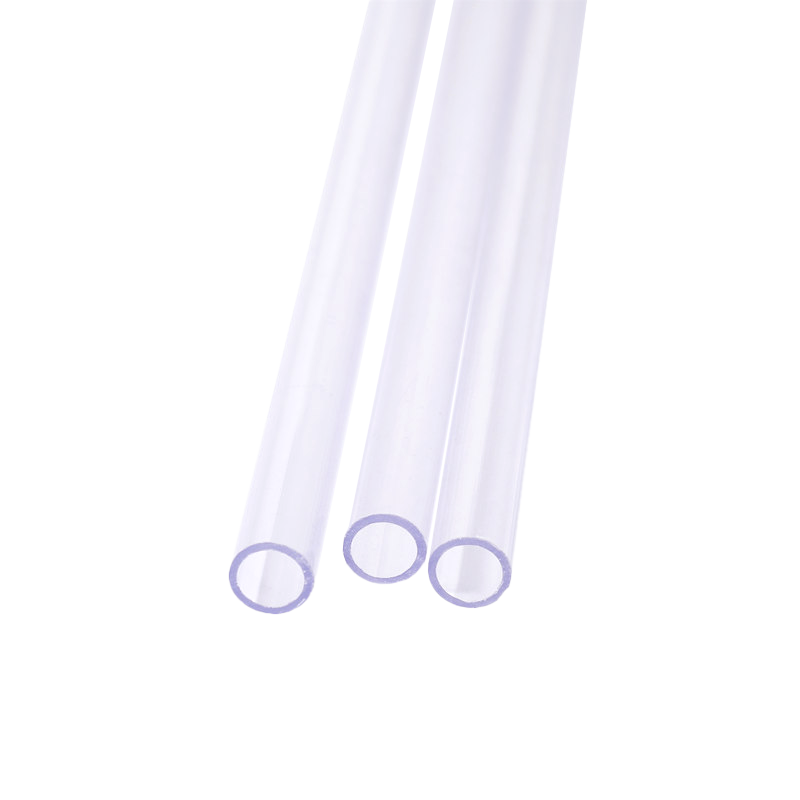
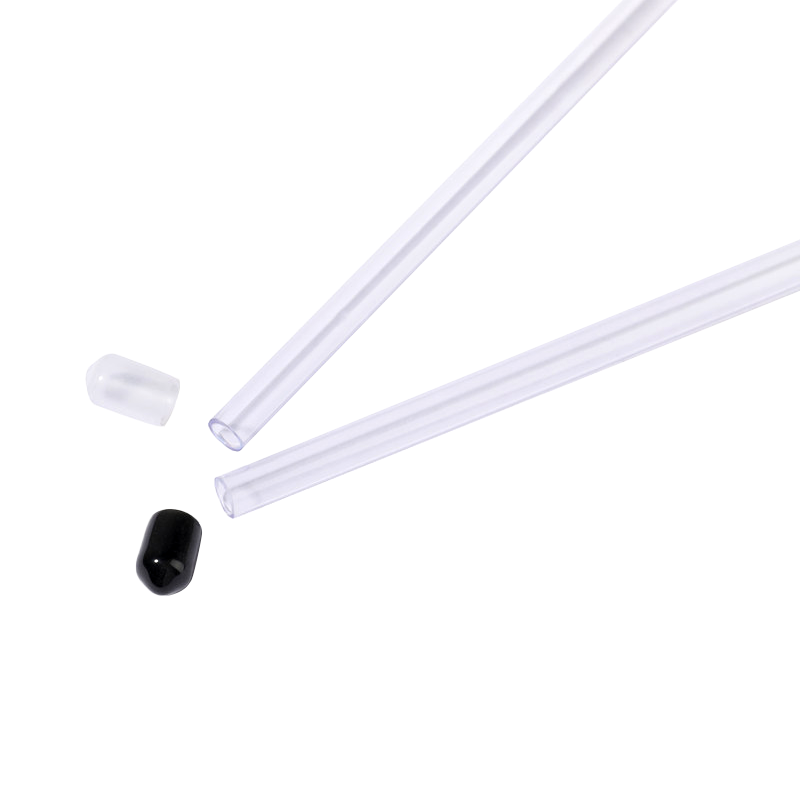
New Popular Product Transparent Pvc Flagpole Custom Size Hand Waving Flagpole
-
2023 High Quality Hand Waving Flagpole Big Or Small Flagpole Size Custom
-
Fast Delivery Promotion Factory Wholesale Flagpole Pvc Pipe Hand Waving Flagpole
-
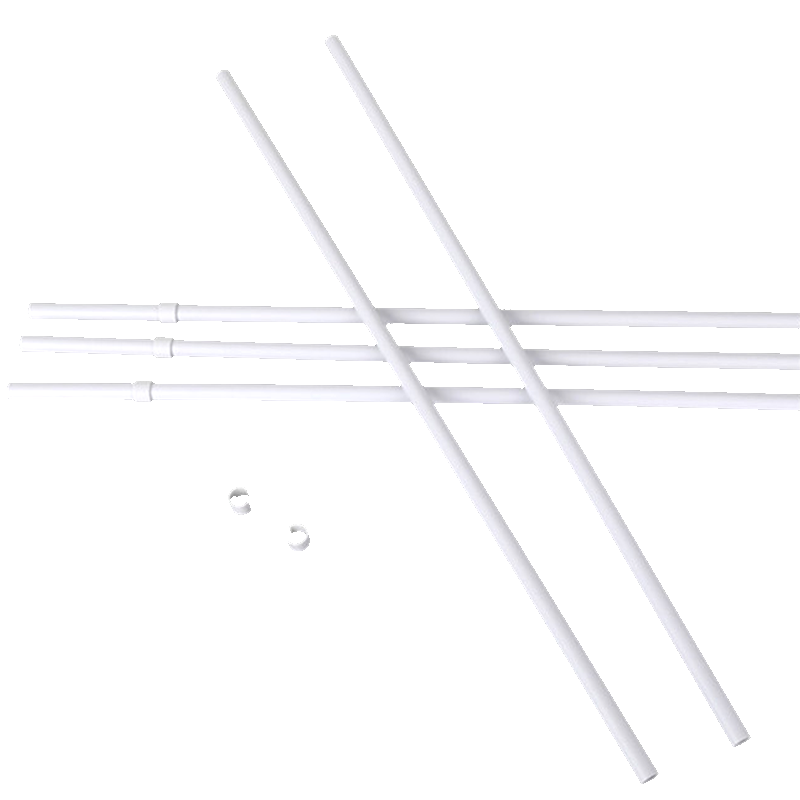
2023 Personalized Custom Desk Hand Waving Flagpole Outdoor White Flagpole
-
Wholesale 2023 Hot Sale Used Flagpole Weight Custom Pvc Hand Waving Flagpole
-
Wholesale Products Cheap High Quality Hand Waving Flagpole Newest Sections Flagpole
-
Wholesale Cheap High-Quality Hot Sale Flagpole Cylindrical Hand Waving Flagpole

Follow Us:
Copyright © Tongxiang Guangyu Plastic Products Co., Ltd. Rights Reserved.
