
 +86-0573-88528475
 English
 русский
Search by posts
Product category
Industry News
 By Admin
Residential Flagpole Rules: Height Limits, HOA & Permit Guide
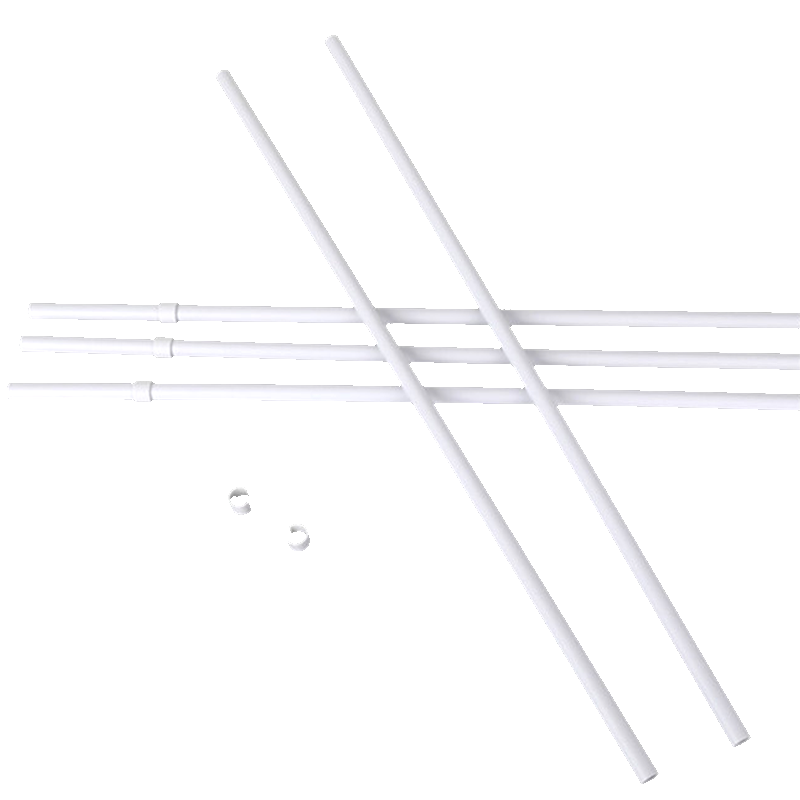
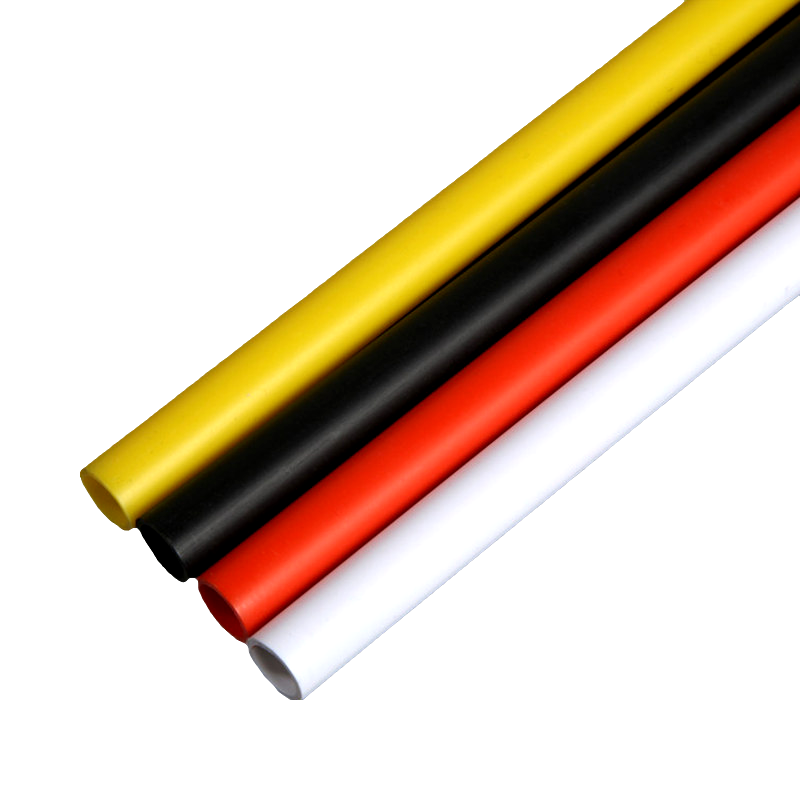
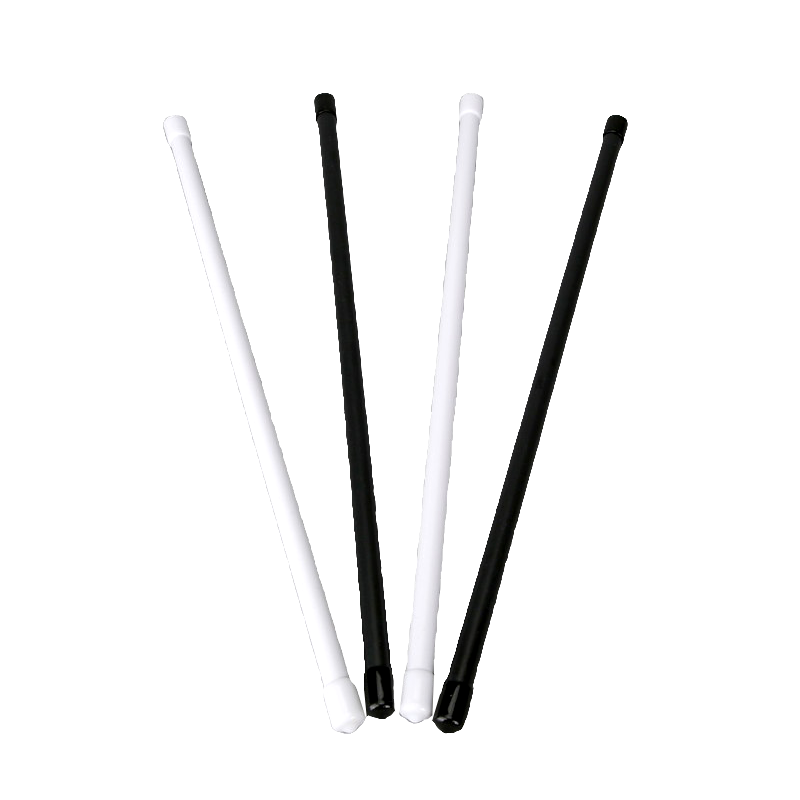
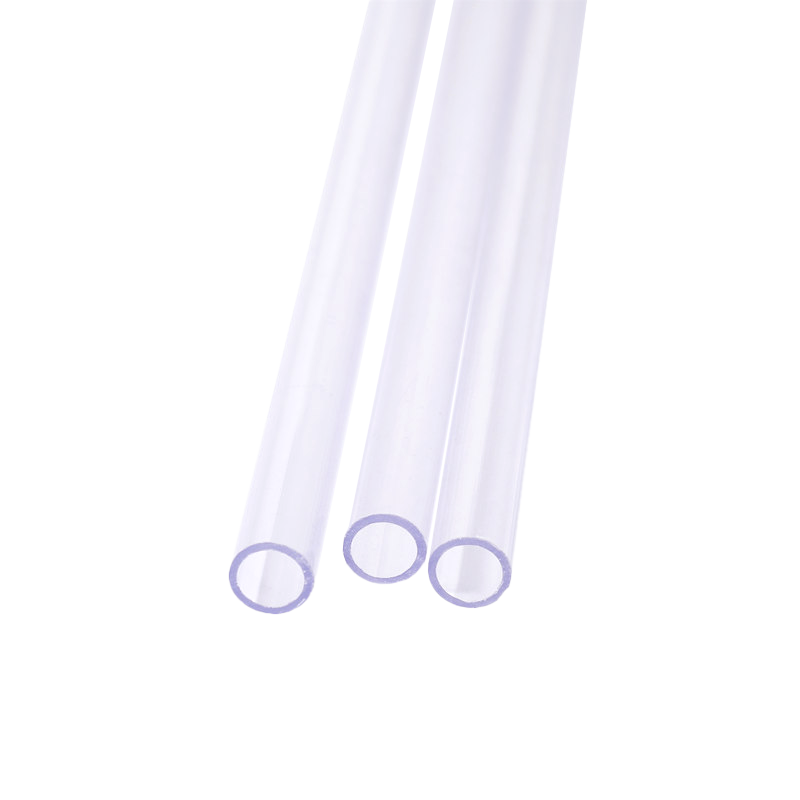
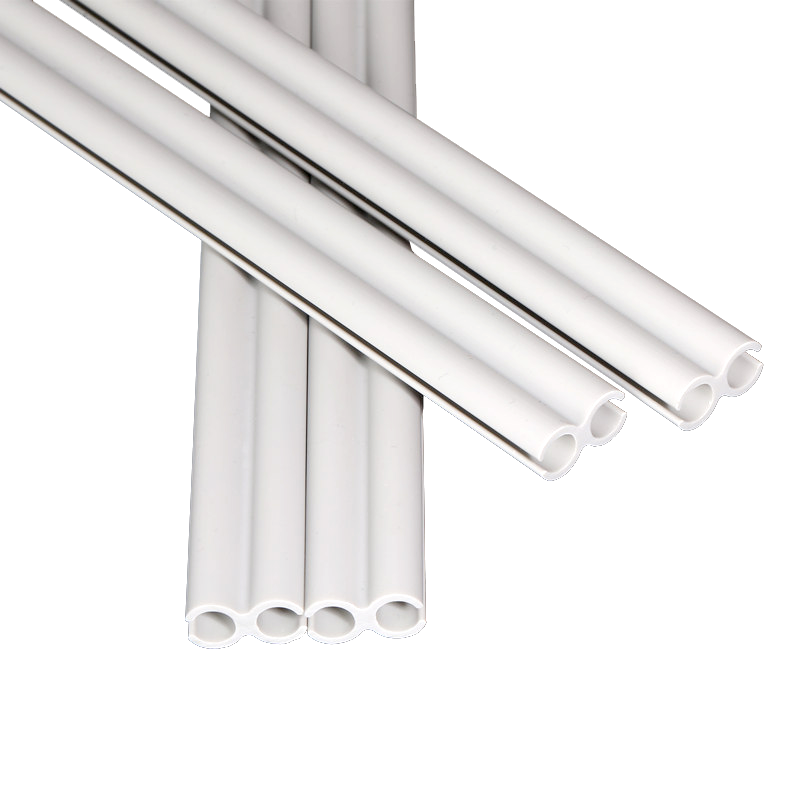
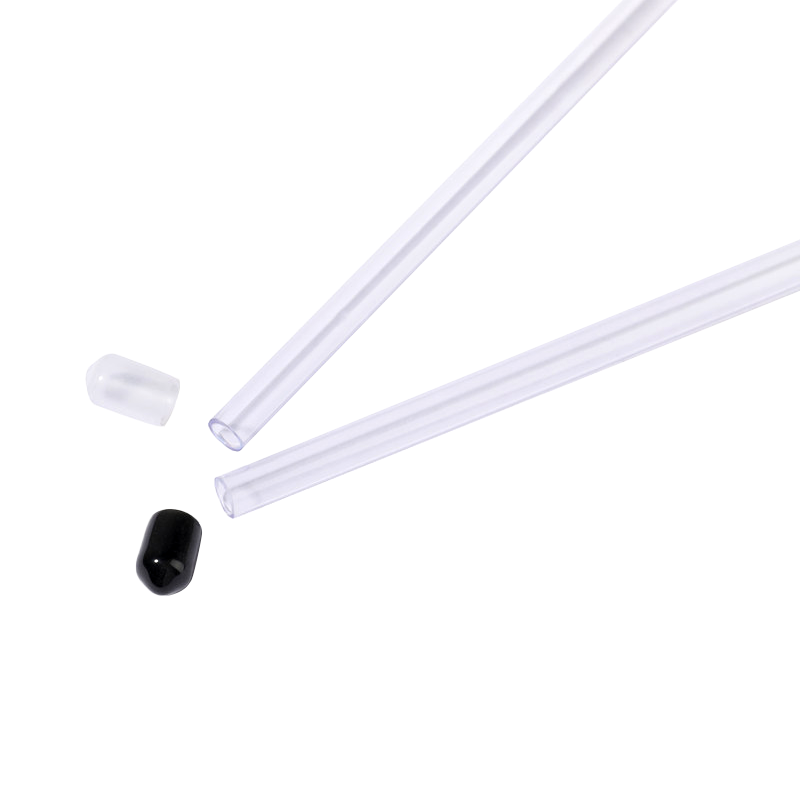
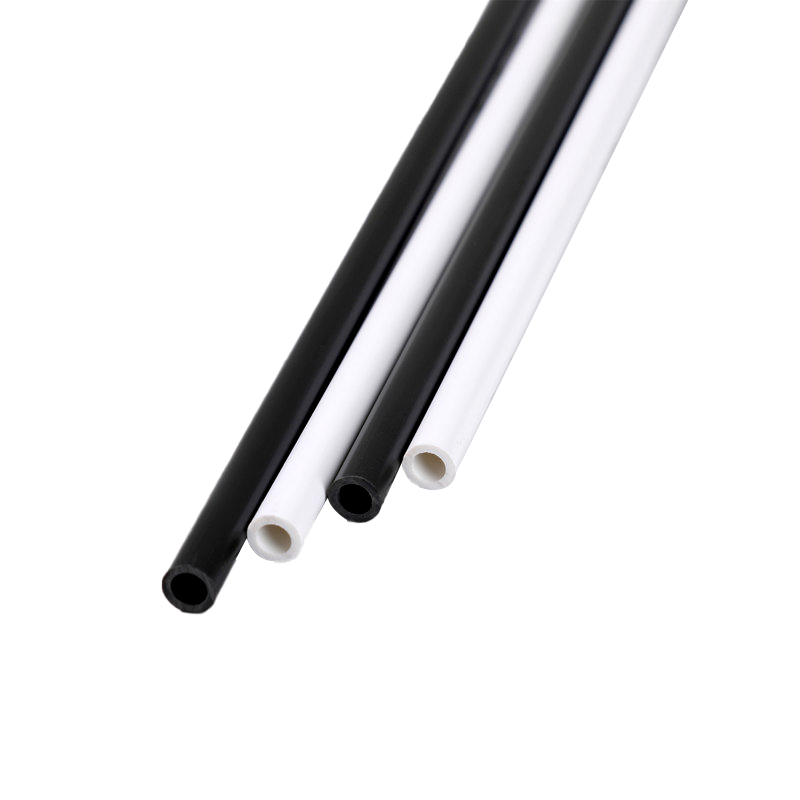
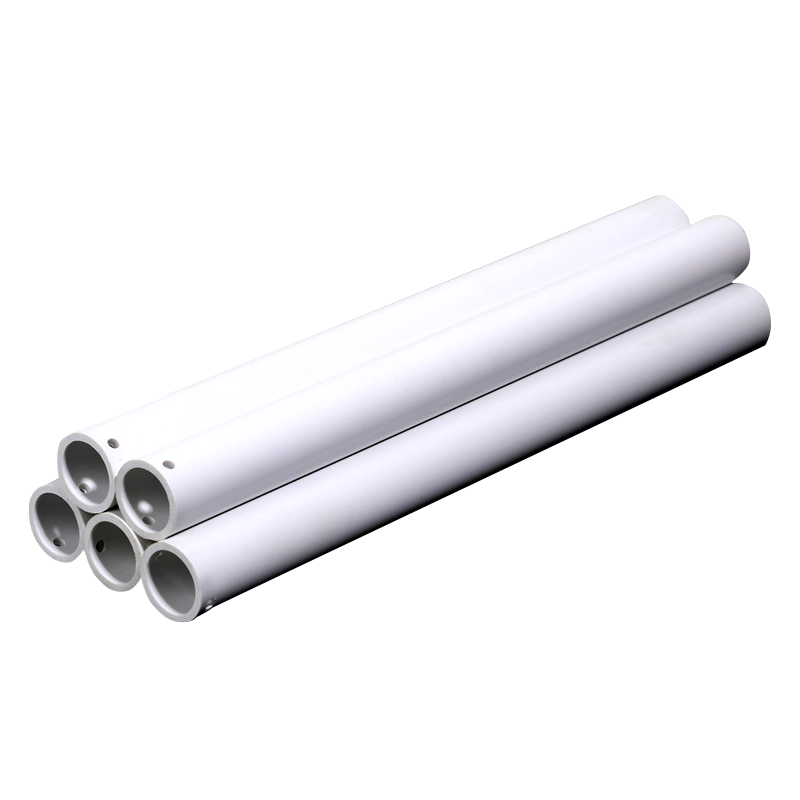
Flying a flag at your home sounds simple — plant a pole, attach the flag, done. In practice, residential flagpole installation sits at the intersection of federal law, state statutes, local zoning codes, and HOA governing documents, each of which can impose different requirements. Getting any one of them wrong can mean fines, forced removal, or neighbor disputes. This guide breaks down every layer of the rules so you know exactly where you stand before the first shovel hits the ground. Content The starting point for any conversation about residential flagpole rules is federal law. The Freedom to Display the American Flag Act of 2005 (Public Law 109-243) prohibits condominium associations, cooperative associations, and residential real estate management associations from adopting or enforcing any policy that prevents a member from displaying the U.S. flag on residential property they own or have the right to exclusively use. That protection is real and enforceable — but it comes with a critical qualifier. The law explicitly permits "reasonable restrictions pertaining to the time, place, or manner" of display, provided those restrictions are necessary to protect a substantial interest of the association. In plain terms: your HOA cannot ban the American flag outright, but it can regulate how, where, and at what height you fly it. The federal act also does not create a private right of action, meaning you cannot sue your HOA directly under it in federal court. Enforcement typically flows through state-level flag protection statutes, which many states have enacted to mirror or strengthen the federal baseline. You can review the full statutory text of the federal law at the official Freedom to Display the American Flag Act as published by Congress. Homeowners associations operate through their governing documents — the CC&Rs (Covenants, Conditions, and Restrictions), bylaws, and architectural guidelines. Any flagpole restriction an HOA wants to enforce must be explicitly written into those documents. Rules that are not stated cannot be enforced, and enforcement must be applied uniformly across all residents. Within those boundaries, HOAs have broad latitude to regulate flagpoles. The most common restrictions include: What HOAs cannot do is adopt a blanket prohibition on displaying the U.S. flag, the official flags of U.S. Armed Forces branches, or POW-MIA flags — these are protected under federal and most state laws regardless of what the CC&Rs say. Even if your HOA has no objection, your local municipality may. City and county zoning codes treat flagpoles as structures, and many jurisdictions impose their own height ceilings that apply independently of HOA rules. The more restrictive of the two — local code or HOA rule — is the one that governs. Height limits vary considerably by location. The table below summarizes common benchmarks across regulatory frameworks. The 15-to-25-foot range is where most residential flagpoles comfortably sit. Within this range, poles provide strong flag visibility and typically fall under the height thresholds that trigger formal permit requirements — though this varies by municipality and should always be verified locally before purchase. Whether a flagpole requires a building permit depends on three factors: pole height, your local jurisdiction's threshold, and whether the installation involves permanent ground anchoring. A wall-mounted or ground-sleeve portable pole almost never requires a permit. A permanently embedded freestanding pole often does, particularly once it exceeds 20 to 25 feet. When a permit is required, the application process typically involves: The permit process protects homeowners as much as it regulates them. Underground utility lines — gas, water, electrical — run through most residential yards. Digging without a utility locate check (available free through 811, the national dig-safe hotline) risks serious damage and liability. Permit requirements force this check into the process before installation begins. Once you know your height limit and installation requirements, the flagpole material becomes the next decision. Aluminum is the traditional standard for permanent installations, but PVC and high-density plastic poles have become a practical alternative for residential use — particularly for homeowners who want a lightweight, weather-resistant option that installs without heavy equipment. PVC flagpoles do not rust, require no painting, and maintain their appearance in high-humidity and coastal environments where aluminum can corrode over time. They are also significantly lighter than aluminum at equivalent lengths, which simplifies both shipping and ground-level installation. For a standard residential setup, a lightweight PVC flagpole pipe for residential installation offers a durable, low-maintenance option that fits most HOA height requirements. Homeowners who prefer a simpler setup without permanent ground anchoring should consider a profile-based design. An easy-install safety PVC flagpole for home use is engineered for quick assembly and does not require concrete footings, making it a compliant choice in communities where permanent structures need HOA architectural approval. For properties with specific height or dimension requirements, a custom-size hand waving flagpole for outdoor display can be specified to match local zoning limits precisely. Rushing the installation is the most common reason homeowners end up with compliance problems. The checklist below covers the verification steps that prevent the most frequent issues. For events, parades, or temporary displays where a permanent installation is not the goal, a portable outdoor flagpole in multiple colors sidesteps zoning and HOA approval requirements entirely, since it does not constitute a permanent structure under most local codes. Residential flagpole rules involve more layers than most homeowners expect, but the compliance path is straightforward once each layer is checked in order: federal law sets the floor, state law adds protections, local zoning sets the height ceiling, and HOA rules fill in the remaining details. Work through them in sequence, document your approvals, and the installation itself is the easy part.Federal Law: What the Freedom to Display the American Flag Act Actually Protects
HOA Flagpole Rules: What They Can and Cannot Enforce
Local Zoning Ordinances and Height Restrictions
Regulatory Source
Typical Height Limit
Notes
Florida state law
20 feet
Applies regardless of HOA restrictions; must not obstruct sightlines or encroach on easements
Texas state law
Up to 20 feet (HOA-regulated)
Associations may impose reasonable height restrictions but cannot ban U.S. or Texas flags
Standard HOA guideline
15–20 feet
Most common range across U.S. residential communities
Under 15 feet
Rarely restricted
Short poles seldom trigger zoning or HOA review processes
Over 25 feet
Permit often required
May require engineering review, wind load calculations, and variance approval
Permit Requirements: When You Need One and How to Get It
Choosing the Right Flagpole for Residential Use
Practical Tips Before You Install
Recommended products
-
2023 New Cheap Plastic Pipe Multiple Colors And Sizes Custom Hand Waving Flagpole
-
Wholesale Custom Pvc Material Indoor Desktop Flagpole Hand Waving Flagpole
-
Customizable Size Custom Logo Plastics Hand Waving Flagpole Big Pvc Flagpole
-
Plastics Hand Waving Flagpole Factory Direct Custom Wholesale PVC Flagpole Parts Pipe
-
Custom Easy Install Safety Flagpole Pvc China Factory Hand Waving Flagpole
-
New Popular Product Transparent Pvc Flagpole Custom Size Hand Waving Flagpole
-
2023 High Quality Hand Waving Flagpole Big Or Small Flagpole Size Custom
-
Fast Delivery Promotion Factory Wholesale Flagpole Pvc Pipe Hand Waving Flagpole
-
2023 Personalized Custom Desk Hand Waving Flagpole Outdoor White Flagpole
-
Wholesale 2023 Hot Sale Used Flagpole Weight Custom Pvc Hand Waving Flagpole
-
Wholesale Products Cheap High Quality Hand Waving Flagpole Newest Sections Flagpole
-
Wholesale Cheap High-Quality Hot Sale Flagpole Cylindrical Hand Waving Flagpole


Follow Us:
Copyright © Tongxiang Guangyu Plastic Products Co., Ltd. Rights Reserved.
