
 +86-0573-88528475
 English
 русский
Search by posts
Product category
Industry News
 By Admin
Plastics Hand Waving Flagpole Guide: Types, Uses & Selection Tips
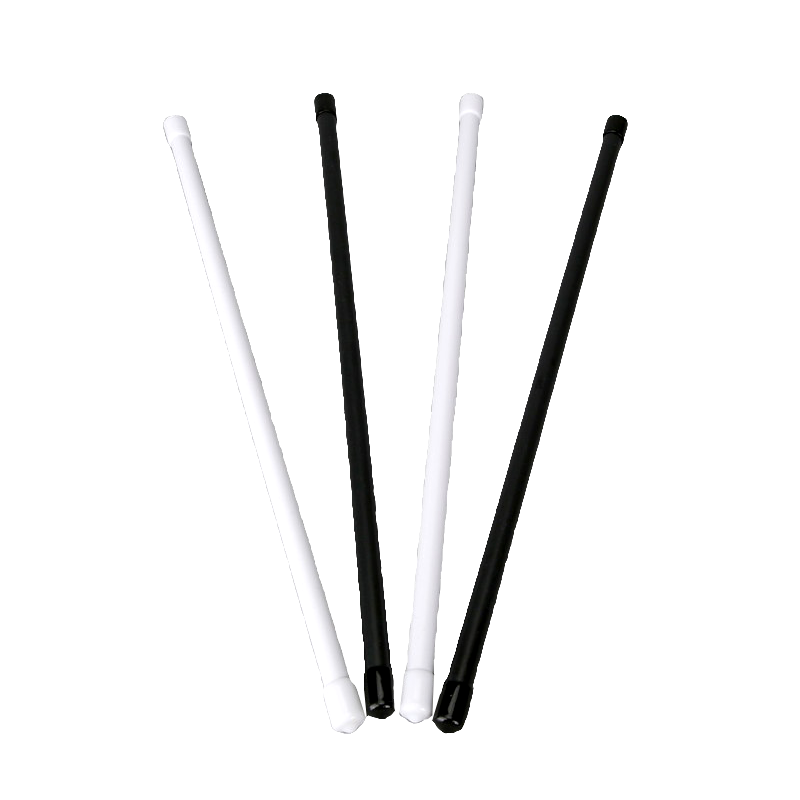
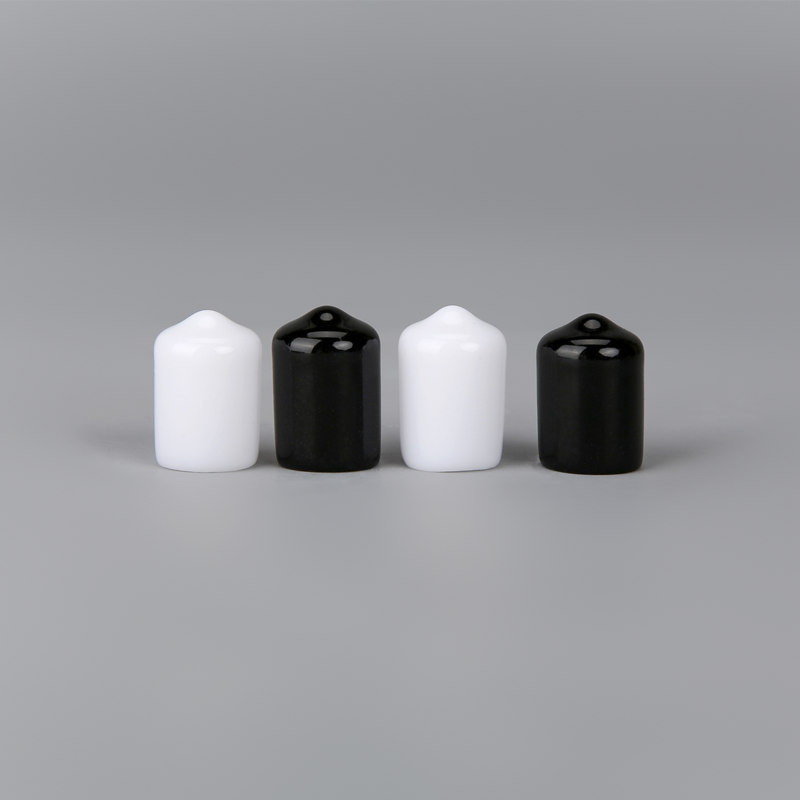
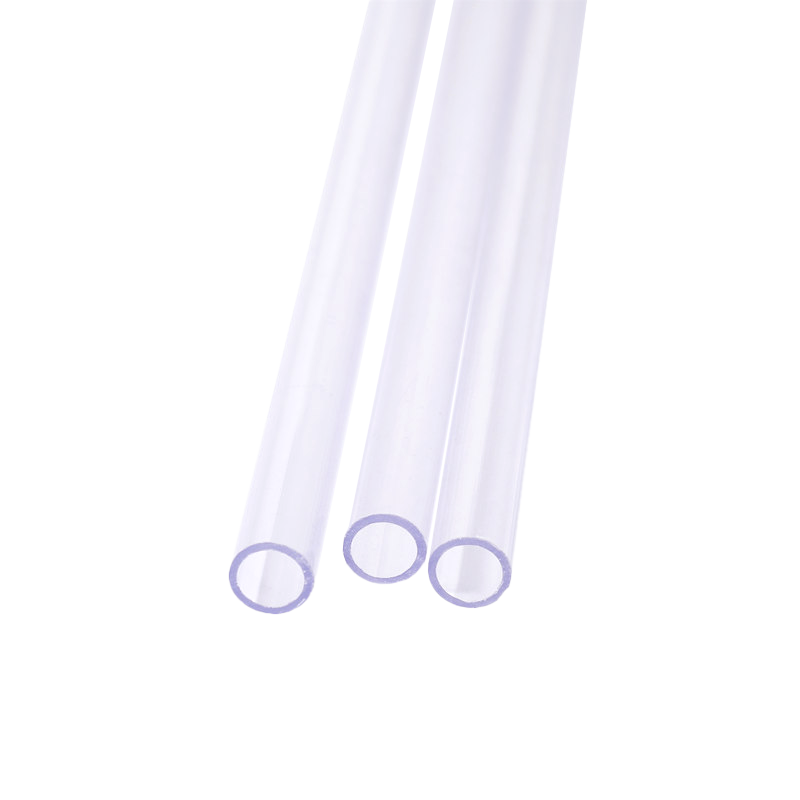
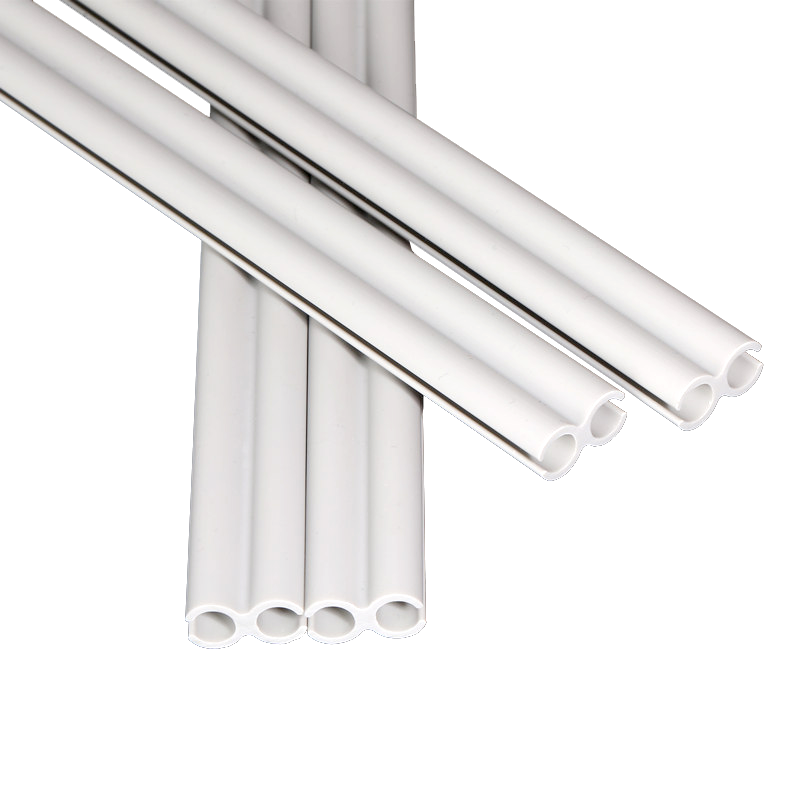
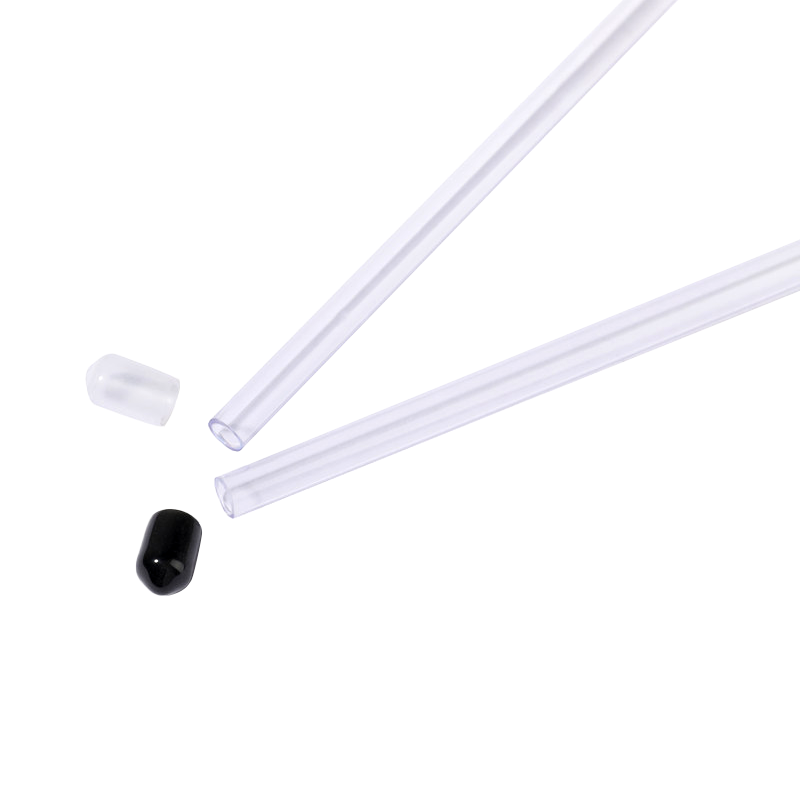
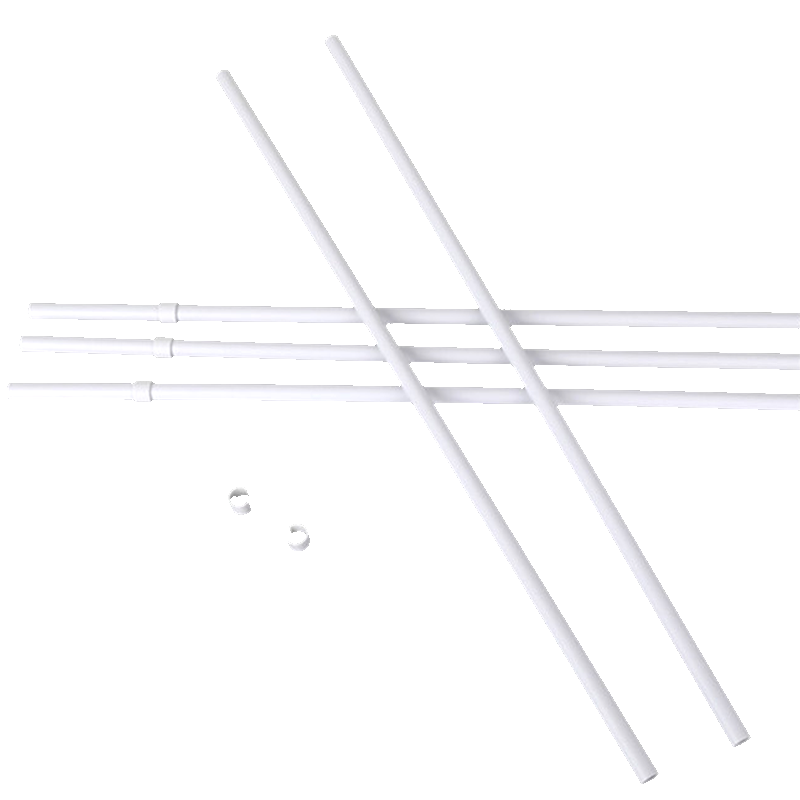
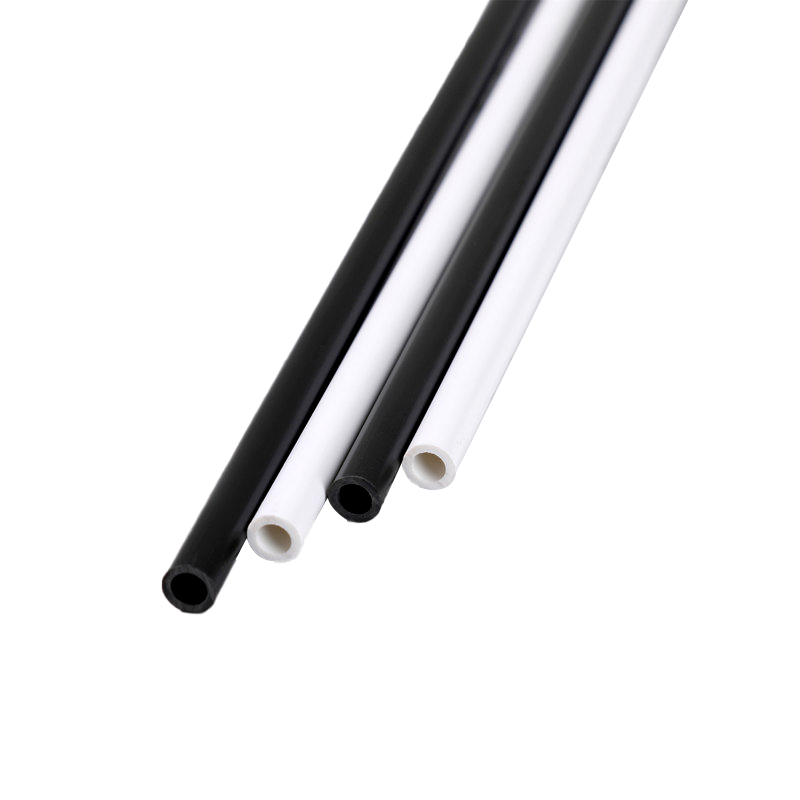
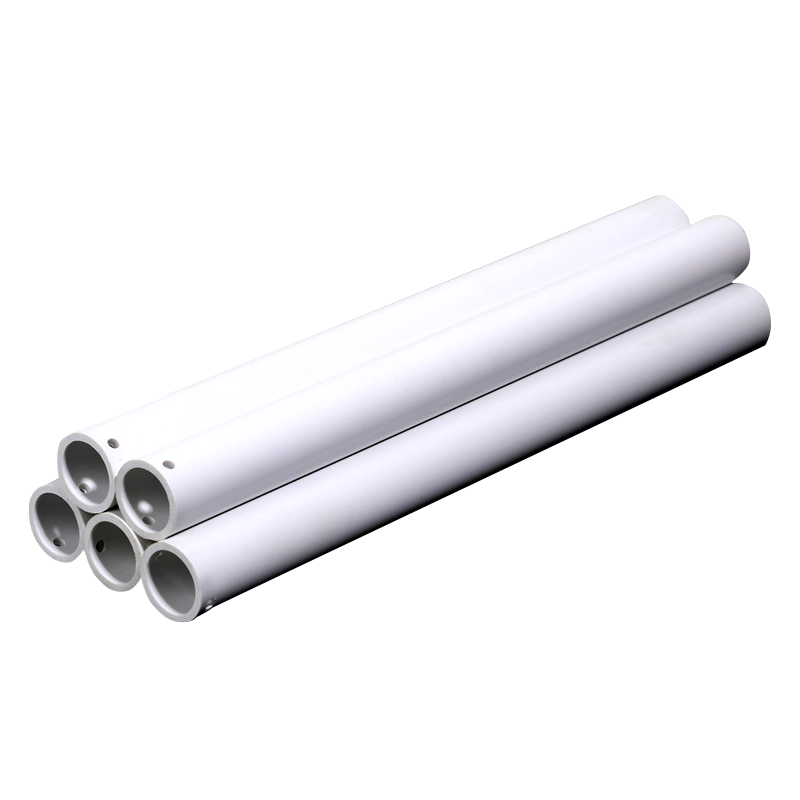
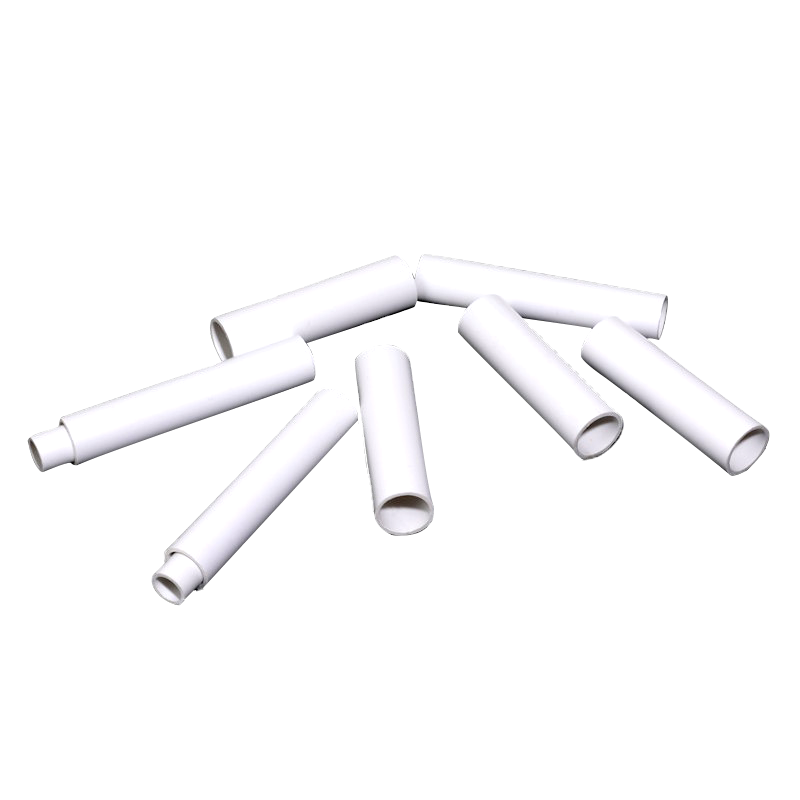
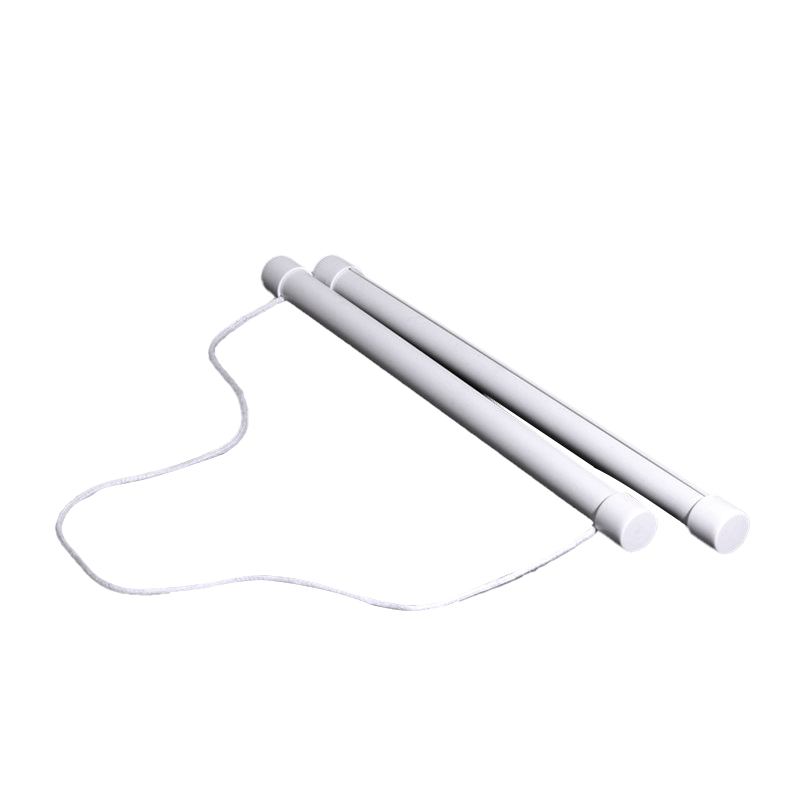
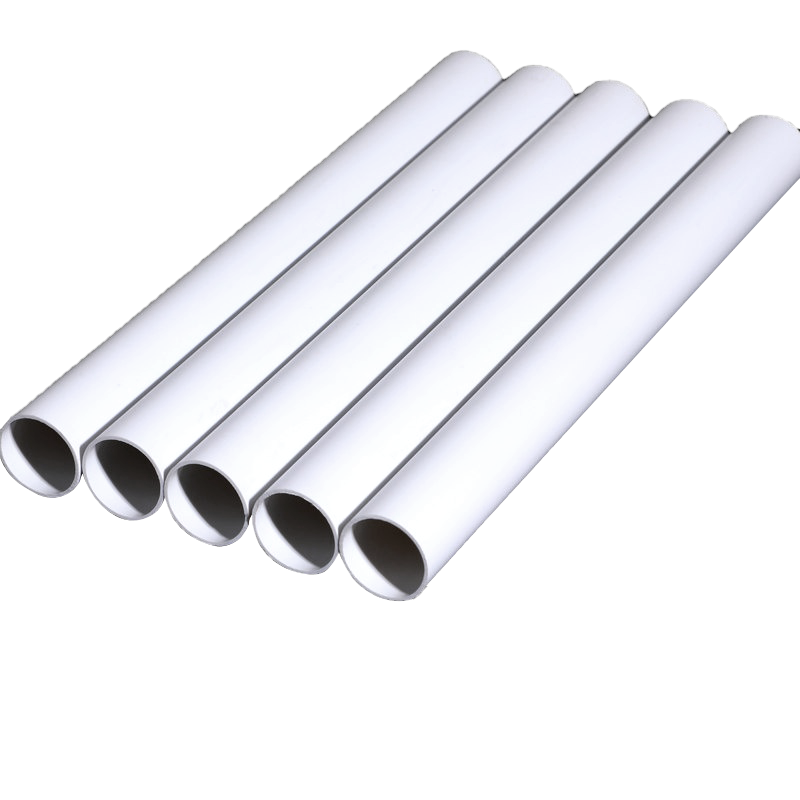
Plastics hand waving flagpoles are lightweight, cost-effective promotional tools consisting of a plastic pole (typically 30-45cm long) attached to a small flag, designed for crowd participation at sporting events, parades, political rallies, and promotional campaigns. These portable flag sets have become essential accessories for creating visual impact and collective enthusiasm across various occasions, from international sporting competitions to local community celebrations. The popularity of plastic hand waving flagpoles stems from their affordability, safety, and ease of distribution. Unlike traditional wooden or metal poles, plastic versions eliminate splinter risks and reduce weight, making them ideal for mass distribution to audiences of all ages. Market data shows that over 500 million plastic hand waving flags are produced globally each year, with peak demand during major sporting events like the Olympics and World Cup. Content The quality of plastic hand waving flagpoles varies significantly based on the materials used in their construction. Understanding these differences helps buyers select products that balance durability with budget constraints. Manufacturers primarily use three plastic types for flagpole construction: The flag portion typically uses polyester fabric or plastic film. Heat-sealed attachment methods provide the strongest bond, with quality products showing no separation even after 50+ vigorous waving cycles. Budget versions may use adhesive attachment, which can fail under humid conditions or intense use. Selecting the appropriate size ensures optimal visibility and user comfort. Industry standards have emerged based on extensive event testing and ergonomic research. The 30-35cm standard size accounts for approximately 70% of all hand waving flag sales, as it provides optimal balance between visibility and handling comfort for adults and children over 8 years old. Plastic hand waving flagpoles serve diverse purposes across commercial, political, and social sectors. Their versatility makes them indispensable for creating unified visual experiences. Sports venues represent the largest market segment, with stadium operators ordering 10,000 to 50,000 units for single major events. The 2022 FIFA World Cup in Qatar distributed over 2.5 million plastic hand waving flags throughout the tournament. Teams and sponsors use custom-printed flags featuring team colors, logos, and sponsor messages to enhance atmosphere and brand visibility. Political organizations utilize hand waving flags for rallies, conventions, and street campaigns. The low production cost—typically $0.15 to $0.35 per unit in bulk orders of 5,000+—allows campaigns to distribute thousands of flags while maintaining budget efficiency. Custom printing capabilities enable rapid production of candidate-specific designs within 5-7 business days. Businesses deploy branded hand waving flags at trade shows, product launches, and promotional events. The compact size makes them ideal for booth giveaways, with many companies reporting 35-40% higher booth engagement when distributing interactive promotional items like flags compared to static brochures alone. Independence days, national holidays, and cultural celebrations drive significant seasonal demand. Government agencies and community organizations often purchase national flag variants, with orders spiking 300-400% in the two months preceding major national celebrations. Customization capabilities transform generic plastic flagpoles into powerful branding tools. Understanding available options helps buyers maximize marketing impact. Beyond flag printing, poles themselves offer customization opportunities including colored plastic (matching brand colors), laser engraving for premium products, decorative finials or caps, and safety ball tips for child-oriented events. Adding colored poles increases costs by approximately $0.05-$0.10 per unit but significantly enhances visual cohesion. Event organizers must consider safety standards when distributing plastic hand waving flagpoles, particularly for events involving children or large crowds. Reputable manufacturers ensure products meet international safety standards including CPSIA (Consumer Product Safety Improvement Act) for children's products, EN71 European toy safety standards, and REACH compliance for chemical content. Buyers should request certification documentation, especially for children-focused events or educational settings. Quality hand waving flags incorporate safety elements such as: Some venues impose restrictions on flagpole dimensions, with many stadiums limiting poles to maximum 40cm length to prevent obstruction of views or use as projectiles. Event planners should verify venue policies before finalizing bulk orders to avoid distribution issues at entry points. Understanding pricing structures enables budget-conscious purchasing decisions while maintaining quality standards appropriate for the intended application. Beyond base unit costs, budget planning should account for setup fees (typically $50-$150 for screen printing), shipping costs varying by destination and urgency, rush production fees adding 25-40% to base costs for delivery under 10 days, and packaging options ranging from bulk poly bags to individual retail packaging. Growing environmental awareness has prompted both manufacturers and buyers to seek more sustainable options for promotional products, including hand waving flags. Progressive manufacturers now offer flagpoles made from recycled polypropylene (rPP) containing 50-80% post-consumer plastic, reducing virgin plastic demand while maintaining comparable durability. Though costing 15-20% more than standard versions, these options appeal to environmentally conscious organizations. Some companies have introduced PLA-based biodegradable poles that decompose within 12-18 months under industrial composting conditions, though these remain premium products at 40-60% price premiums. Event organizers can minimize environmental impact through several approaches: Major sporting events implementing comprehensive recycling programs report recovery rates of 40-55% for distributed plastic hand flags, significantly reducing landfill contributions. Choosing the optimal plastic hand waving flagpole requires balancing multiple factors including budget constraints, event type, audience demographics, and branding objectives. When evaluating suppliers and products, consider these essential factors: Reliable suppliers should provide product samples before bulk ordering, safety certification documentation, clear pricing breakdowns including all fees, proof of previous large-scale event deliveries, and flexible minimum order quantities. Request at least 3-5 physical samples to assess actual quality before committing to orders above 1,000 units, as photos can misrepresent color accuracy and material quality. Proper handling from delivery through event distribution ensures flags reach participants in pristine condition while maintaining efficient logistics. Plastic hand waving flags require minimal special storage but benefit from controlled conditions. Store in cool, dry environments away from direct sunlight to prevent plastic degradation and flag fading. Standard cartons of 1,000 units occupy approximately 0.35 cubic meters, enabling compact warehouse storage. Avoid stacking cartons more than 8 high to prevent crushing bottom boxes and deforming poles. Efficient distribution prevents bottlenecks while maximizing participant engagement. Successful strategies include pre-distribution at entry points with dedicated hand-out stations (recommend 1 station per 500 expected attendees), seat placement for ticketed events where flags are positioned on every seat pre-event, and strategic timing by distributing 30-45 minutes before key moments like national anthems or team entrances when waving will peak. For large events expecting 10,000+ attendees, staffing 20-25 distribution points reduces wait times to under 2 minutes per person, significantly improving attendee experience and ensuring maximum flag usage during critical event moments.Materials and Construction Quality
Common Plastic Types
Flag Material Integration
Standard Sizes and Specifications
Specification
Standard Size
Mini Size
Large Size
Pole Length
30-35cm
20-25cm
40-45cm
Flag Dimensions
21×14cm
14×10cm
30×20cm
Total Weight
8-12g
5-7g
15-20g
Pole Diameter
6-8mm
5-6mm
8-10mm
Best Use
General events
Children/giveaways
Outdoor stadiums
Primary Applications and Use Cases
Sporting Events and Competitions
Political Campaigns and Rallies
Corporate Promotions and Trade Shows
National Celebrations and Parades
Customization Options and Printing Methods
Flag Printing Techniques
Pole Customization Features
Safety Considerations and Regulations
Material Safety Standards
Design Safety Features
Venue-Specific Restrictions
Cost Analysis and Bulk Ordering
Price Ranges by Order Volume
Order Quantity
Basic Quality
Standard Quality
Premium Quality
100-500 units
$0.45-$0.60
$0.65-$0.80
$0.95-$1.20
1,000-2,500 units
$0.30-$0.40
$0.45-$0.55
$0.70-$0.85
5,000-10,000 units
$0.20-$0.28
$0.32-$0.42
$0.50-$0.65
10,000+ units
$0.15-$0.22
$0.25-$0.35
$0.40-$0.55
Additional Cost Factors
Environmental Considerations and Sustainability
Recyclable and Biodegradable Options
Waste Reduction Strategies
Selection Guide for Buyers
Decision Criteria Checklist
Supplier Evaluation Criteria
Storage and Distribution Best Practices
Storage Requirements
Event Distribution Strategies
Recommended products
-
2023 New Cheap Plastic Pipe Multiple Colors And Sizes Custom Hand Waving Flagpole
-
Wholesale Custom Pvc Material Indoor Desktop Flagpole Hand Waving Flagpole
-
Customizable Size Custom Logo Plastics Hand Waving Flagpole Big Pvc Flagpole
-
Plastics Hand Waving Flagpole Factory Direct Custom Wholesale PVC Flagpole Parts Pipe
-
Custom Easy Install Safety Flagpole Pvc China Factory Hand Waving Flagpole
-
New Popular Product Transparent Pvc Flagpole Custom Size Hand Waving Flagpole
-
2023 High Quality Hand Waving Flagpole Big Or Small Flagpole Size Custom
-
Fast Delivery Promotion Factory Wholesale Flagpole Pvc Pipe Hand Waving Flagpole
-
2023 Personalized Custom Desk Hand Waving Flagpole Outdoor White Flagpole
-
Wholesale 2023 Hot Sale Used Flagpole Weight Custom Pvc Hand Waving Flagpole
-
Wholesale Products Cheap High Quality Hand Waving Flagpole Newest Sections Flagpole
-
Wholesale Cheap High-Quality Hot Sale Flagpole Cylindrical Hand Waving Flagpole

Follow Us:
Copyright © Tongxiang Guangyu Plastic Products Co., Ltd. Rights Reserved.
