
 +86-0573-88528475
 English
 русский
Search by posts
Product category
Industry News
 By Admin
Outdoor Hand Pulled Flagpole: Buying, Sizing & Install Guide
An outdoor hand pulled flagpole — also called an external halyard flagpole — uses an exposed rope and pulley system on the outside of the pole shaft to raise and lower the flag manually. It is the most widely used flagpole type for residential, commercial, and institutional outdoor settings because it is straightforward to operate, easy to maintain, and requires no mechanical components inside the pole that could corrode or jam. This guide covers how hand pulled flagpoles are built, what specifications actually determine long-term performance, how to size and install one correctly, and how to maintain it so the halyard, hardware, and pole itself remain functional for decades. Content The hand pulled (external halyard) design centers on a few simple but durable components working together. A rope — the halyard — runs from a cleat at the base of the pole, up through a pulley (truck) mounted at the top, and back down to the cleat on the other side. The flag attaches to the halyard with snap hooks, and raising or lowering the flag is done by pulling the appropriate side of the rope at ground level. This simplicity is its core advantage over internal halyard poles, which route the rope through the hollow center of the shaft to a winch-lock mechanism inside a hinged door at the base. Internal systems offer greater security (the rope is inaccessible without a key) but are more expensive, harder to service, and prone to internal corrosion in wet climates. For most residential properties, schools, businesses, and government buildings without a specific security concern, external halyard poles are the practical and cost-effective standard. The pole shaft material is the most consequential long-term decision in flagpole selection. Each material has a different combination of strength, weight, maintenance requirements, and cost profile. Aluminum — specifically 6063-T6 extruded alloy — is the dominant material for commercial and residential outdoor flagpoles and accounts for the large majority of poles installed in North America and Europe. It combines good strength-to-weight ratio, natural corrosion resistance, and ease of machining into tapered or straight sections. A well-specified aluminum pole in a typical residential or commercial application has a service life of 30 to 50 years with minimal maintenance beyond occasional cleaning. The anodized or powder-coated finish protects the surface from oxidation and maintains appearance. Standard finish options are clear anodized (natural silver appearance), black, bronze, and white powder coat. Fiberglass poles (glass-reinforced polyester or epoxy) are the preferred choice in coastal environments, areas with high atmospheric corrosion, or near salt water where even anodized aluminum can pit and degrade over time. Fiberglass does not corrode, is electrically non-conductive (relevant for lightning-sensitive locations), and requires virtually no surface maintenance beyond periodic washing. The material is slightly heavier than aluminum for the same shaft diameter and is more expensive, but in salt-spray environments the long-term cost of ownership is lower because the surface never requires stripping and recoating. Typical fiberglass flagpole service life in coastal settings exceeds 20 to 30 years without structural degradation. Steel poles are used in heavy commercial and government applications where maximum structural strength is required — tall poles (above 80 feet / 24 meters), high-wind zones, or applications requiring unusually large flags. Galvanized carbon steel requires periodic painting to maintain corrosion protection. Stainless steel (304 or 316 grade) is used in architecturally prominent or coastal commercial applications where aesthetics and corrosion resistance are both required, but the cost is significantly higher than aluminum — typically 3 to 5 times the price of an equivalent aluminum pole. Getting the pole height and flag size right is as important as the hardware quality. An undersized flag on a tall pole looks lost; an oversized flag on a short pole looks disproportionate and generates excessive wind load that accelerates halyard and hardware wear. For residential properties, 20-foot (6 m) to 25-foot (7.6 m) poles are the most common choice, providing good visibility without dominating a typical residential yard. Commercial and institutional settings typically use 25-foot to 40-foot (7.6 m to 12 m) poles. Government buildings and prominent commercial installations often specify 50-foot to 80-foot (15 m to 24 m) poles. Poles above 80 feet (24 m) move into engineered structural steel territory and typically require a site-specific structural analysis and building permit. The standard guideline for flag proportion is that the flag's fly length (horizontal dimension) should be approximately one quarter to one third of the pole height. For a 20-foot pole this means a flag with a fly of approximately 4 to 6 feet — a standard 3×5-foot flag is the most common pairing. For a 25-foot pole, a 4×6-foot or 5×8-foot flag is appropriate. Exceeding the upper proportion limit significantly increases halyard tension, snap hook stress, and fabric wear, particularly in sustained winds. Shaft diameter and wall thickness determine the pole's structural capacity — its ability to resist bending under wind load. Poles are rated by the wind speed they can withstand at a specified exposure category. A residential 20-foot aluminum pole typically has a butt (base) diameter of 3.5 to 4 inches (89–102 mm) tapering to a tip diameter of approximately 1.5 inches (38 mm), with a wall thickness of 0.188 to 0.250 inches (4.8–6.4 mm). Always verify that the pole's rated wind speed meets or exceeds the design wind speed for your location — this information is available from local building codes or ASCE 7 wind speed maps. A flagpole foundation failure is one of the most common — and most preventable — causes of flagpole damage. The foundation must resist both the vertical weight of the pole and, far more importantly, the overturning moment generated by wind load on the flag and pole. Insufficient embedment depth is the root cause of the majority of flagpole foundation failures. The industry standard rule of thumb for aluminum residential poles in average soil conditions is to embed the ground sleeve at a depth equal to 10% of the above-ground pole height, plus 2 feet (0.6 m). For a 20-foot pole, this means a minimum embedment of 4 feet (1.2 m); for a 25-foot pole, 4.5 feet (1.4 m). In sandy, loose, or saturated soils, add at least 12 to 18 inches (0.3–0.45 m) to the minimum depth. For commercial poles or poles in high-wind zones, a site-specific engineering calculation is required. The concrete footing should be a minimum of 3,000 psi (20 MPa) compressive strength — a standard ready-mix or bag-mix concrete. The footing hole diameter should be at least 3 times the diameter of the ground sleeve to provide adequate bearing area. For a sleeve with a 5-inch (127 mm) outer diameter, a minimum 15-inch (380 mm) diameter hole is appropriate. Use cardboard tube form for clean edges and minimize loose soil at the bottom before pouring. Allow a minimum of 48 to 72 hours curing time before installing the pole, regardless of the weather. Crown the top surface of the concrete footing to slope away from the ground sleeve opening. Standing water inside the sleeve accelerates corrosion of the sleeve interior, makes pole insertion and removal difficult, and can freeze in cold climates, potentially cracking the sleeve. Some installers place a small amount of gravel or crushed stone at the bottom of the sleeve for drainage before inserting the pole. Installing a hand pulled flagpole correctly involves preparation, sequencing, and attention to a few details that significantly affect long-term performance. The following process applies to a standard aluminum pole with a buried ground sleeve. For poles above 30 feet (9 m) or in confined installation locations, always use appropriate lifting equipment and follow safe working practices. A falling flagpole is a significant hazard; do not attempt to raise large poles with insufficient crew or equipment. The halyard is the highest-wear component on any hand pulled flagpole and the most frequently replaced. Choosing the right rope and replacing it on a sensible schedule prevents the frustrating (and occasionally embarrassing) scenario of a halyard breaking with a flag aloft. Inspect the halyard annually, paying particular attention to the section that runs over the truck pulley — this zone experiences the highest friction wear. Replace the halyard when any of the following are present: visible strand breakage or fraying at any point, stiffness or glazing from UV degradation, diameter reduction greater than 10% at the wear zone, or any difficulty operating the pulley smoothly. Replacing a halyard costs $15–$40 in rope and 30 minutes of time; recovering a flag from a stuck halyard on a 30-foot pole can cost hundreds of dollars in lift equipment rental. The most common complaint about outdoor hand pulled flagpoles is halyard noise — the metallic slapping or clanging of snap hooks and rope against the pole shaft in wind. This is particularly noticeable at night in residential settings and can become a neighbor relations issue if not addressed. A well-maintained hand pulled flagpole requires very little time but benefits significantly from a consistent annual inspection routine. The following schedule covers the tasks that prevent the most common failures. The price range for outdoor hand pulled flagpoles spans from under $100 for basic imported residential poles to over $2,000 for heavy-duty commercial units — and the quality differences are substantial. These are the specifications and details that distinguish a pole that will last decades from one that will require replacement within a few years. For a residential 20-foot aluminum hand pulled flagpole with quality hardware, expect to pay $150–$400 from a reputable supplier. Commercial-grade poles for 25- to 40-foot applications from established manufacturers typically range from $400 to $1,200 or more depending on wall thickness, finish specification, and wind rating. The cost difference between a budget pole and a quality pole is small relative to the installation cost — choosing quality hardware at the outset avoids the considerably larger expense of early replacement or remediation of a failed foundation installation.How an Outdoor Hand Pulled Flagpole Works
Key Components
Pole Materials: Aluminum, Fiberglass, and Steel Compared
Aluminum
Fiberglass
Steel and Stainless Steel
Material
Corrosion Resistance
Typical Weight
Maintenance Level
Relative Cost
Best For
Aluminum (6063-T6)
Good (very good with anodize)
Light
Low
Low–Medium
Residential, commercial, inland locations
Fiberglass (GRP)
Excellent
Medium
Very Low
Medium
Coastal, marine, high-humidity, non-conductive
Galvanized Steel
Moderate (requires maintenance)
Heavy
Medium–High
Medium
Tall poles, heavy-duty structural applications
Stainless Steel
Excellent
Heavy
Very Low
Very High
Architectural, coastal commercial, premium installs
Sizing a Hand Pulled Flagpole: Height, Diameter, and Flag Proportion
Standard Height Guidelines
Flag-to-Pole Proportion
Shaft Diameter and Wall Thickness
Foundation Requirements: Depth, Concrete, and Ground Conditions
Embedment Depth Guidelines
Concrete Mix and Hole Diameter
Above-Grade Drainage
Installation Process for a Ground-Sleeve External Halyard Pole
Halyard Selection and Replacement
Rope Material Comparison
When to Replace the Halyard
Reducing Halyard Noise: Solving the Slapping Problem
Routine Maintenance Schedule
Interval
Task
What to Check / Do
Monthly
Halyard visual check
Look for fraying, glazing, or wear at the cleat and truck contact zones
Monthly
Snap hook inspection
Check for corrosion, seized springs, or bent hooks that don't close cleanly
Annually
Truck pulley service
Apply a drop of light machine oil to the pulley axle; check wheel for cracking or seizing
Annually
Cleat tightness check
Tighten mounting screws; check for corrosion at pole contact points
Annually
Pole shaft cleaning
Wash with mild soap and water; apply automotive wax to anodized or bare aluminum to maintain finish
Annually
Foundation inspection
Check for concrete cracking, ground heaving, or visible movement at the base; verify pole plumb
Every 5–10 years
Halyard replacement
Replace polyester halyard; check and replace snap hooks as needed
As needed
Flag inspection and replacement
Replace flags showing significant fraying, fading, or torn stitching at the fly hem
Buying Guide: What to Look for in a Quality Hand Pulled Flagpole
Recommended products
-
2023 New Cheap Plastic Pipe Multiple Colors And Sizes Custom Hand Waving Flagpole
-
Wholesale Custom Pvc Material Indoor Desktop Flagpole Hand Waving Flagpole
-
Customizable Size Custom Logo Plastics Hand Waving Flagpole Big Pvc Flagpole
-
Plastics Hand Waving Flagpole Factory Direct Custom Wholesale PVC Flagpole Parts Pipe
-
Custom Easy Install Safety Flagpole Pvc China Factory Hand Waving Flagpole
-
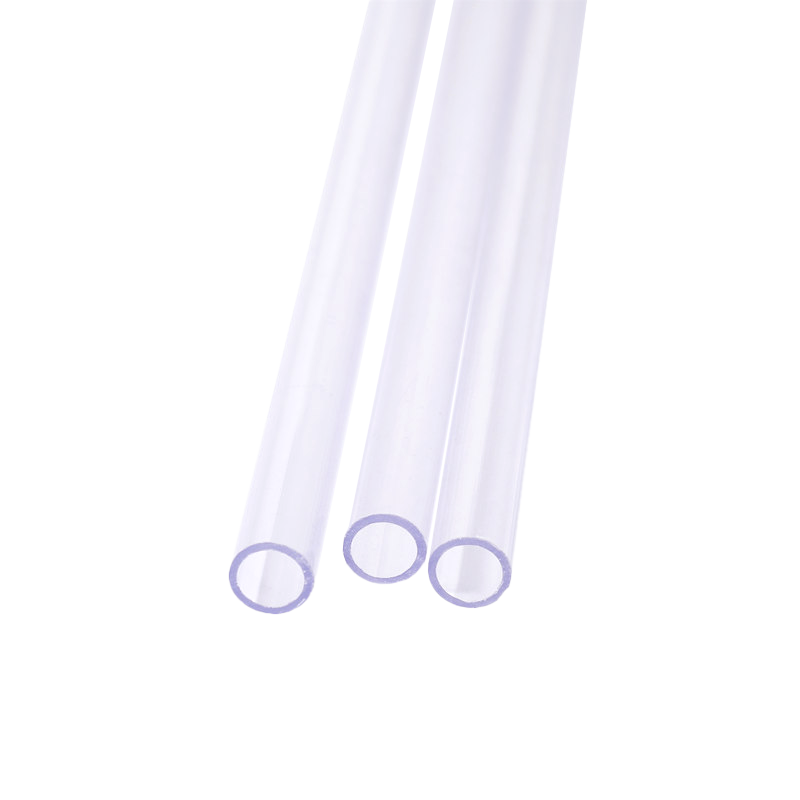
New Popular Product Transparent Pvc Flagpole Custom Size Hand Waving Flagpole
-
2023 High Quality Hand Waving Flagpole Big Or Small Flagpole Size Custom
-
Fast Delivery Promotion Factory Wholesale Flagpole Pvc Pipe Hand Waving Flagpole
-
2023 Personalized Custom Desk Hand Waving Flagpole Outdoor White Flagpole
-
Wholesale 2023 Hot Sale Used Flagpole Weight Custom Pvc Hand Waving Flagpole
-
Wholesale Products Cheap High Quality Hand Waving Flagpole Newest Sections Flagpole
-
Wholesale Cheap High-Quality Hot Sale Flagpole Cylindrical Hand Waving Flagpole
Follow Us:
Copyright © Tongxiang Guangyu Plastic Products Co., Ltd. Rights Reserved.
