
 +86-0573-88528475
 English
 русский

Search by posts
Product category
Industry News
 By Admin
How to Replace Flagpole Rope Safely: A Step-by-Step Halyard Restringing Guide
Two people, one ladder-free hour, and a length of rope twice the height of the pole — that is usually all a flagpole rope replacement takes. The pole stays standing, the pulley housing at the top is never touched, and nobody climbs. The method works because you tie the new rope to the old one before pulling the old one out, so the old halyard becomes your pull line through the pulley. The details that decide whether the job lasts five years or five months are less glamorous: rope diameter, joint thickness, tension at the cleat, and a two-minute inspection before anything fails. The steps below suit external halyards and most internal ones on poles up to roughly 9 m (30 ft). Content A halyard is a wear item, not a permanent part of the pole. Sun, salt air, and thousands of bends over a small sheave attack it in predictable places, so a quick inspection tells you more than the rope's age does. Inspect twice a year with gloves on, and look up at the pulley while the flag is raised — a rope that sits off-centre in the wheel is already grinding itself down. A slightly frayed end can be trimmed and re-knotted once; do not stretch that grace period past a single season. Buy the rope before you remove the old one. Once the old halyard is out and no guide line has been run, there is no route left to pull anything through the pulley, and the job turns into a pole-down repair. Oversized rope is the most common cause of a jammed pulley, and undersized rope jumps the wheel in gusty weather. Use the figures below as a starting point, then check the groove and the cleat opening on your own pole. Polyester double braid is the default choice for outdoor halyards: it resists UV, holds its shape and does not stretch noticeably under a flag's load. Nylon stretches and stays wet longer, while polypropylene degrades quickly in sunlight and is best kept for indoor displays. If the new rope still runs roughly, look at the hardware: a sheave that no longer spins, a loose finial, cracks around the base plate, or a bent section near the cleat. On tall metal poles, a plastic or PVC flagpole often outlasts the fittings around it, which is why the expected service life of a plastic flagpole is usually decided by the pulley and rope rather than the tube itself. Not every pole uses a halyard. Promotional and event poles — the ones sold in volume for storefronts, showrooms and parades — are typically a single pipe with a push-fit or walking mount, and their failure mode is a cracked, lost or bent section rather than a frayed rope. For that kind of fleet, spare pipe sections matter far more than a spare halyard. Keeping two or three spare sections in the van turns a damaged display pole into a two-minute swap instead of a lost promotional day. The same logic applies when you choose the original stock: wall thickness, colour consistency and how the sections join will decide how many replacements you buy over a season, and the material choices for plastic pipe flagpoles explain why two poles of identical length can behave very differently outdoors. A halyard replacement is cheap insurance against a flag stranded at half-mast and a rope end whipping against the pole for a week. Check the rope every six months, replace it before it snaps, keep the sheave clean and turning, and the job stays a one-hour task on a calm morning rather than an emergency call.Signs the halyard is finished, not just worn
What you need before you start
Step by step: replacing the flagpole rope
Matching rope size to pole height
Pole height
Typical halyard diameter
Rope to order
Typical application
Up to 6 m (20 ft)
5 mm (3/16 in)
2× height + 1 m
Residential poles, light flags
6–9 m (20–30 ft)
6 mm (1/4 in)
2× height + 1.5 m
Most commercial and municipal poles
9–15 m (30–50 ft)
8 mm (5/16 in)
2× height + 2 m
Larger flags, exposed or coastal sites
Over 15 m (50 ft)
10 mm (3/8 in)
2× height + 2 m
Confirm sheave and cleat capacity first
Safety points worth repeating
Three mistakes that lead to a repeat job
When the problem is the pole, not the rope
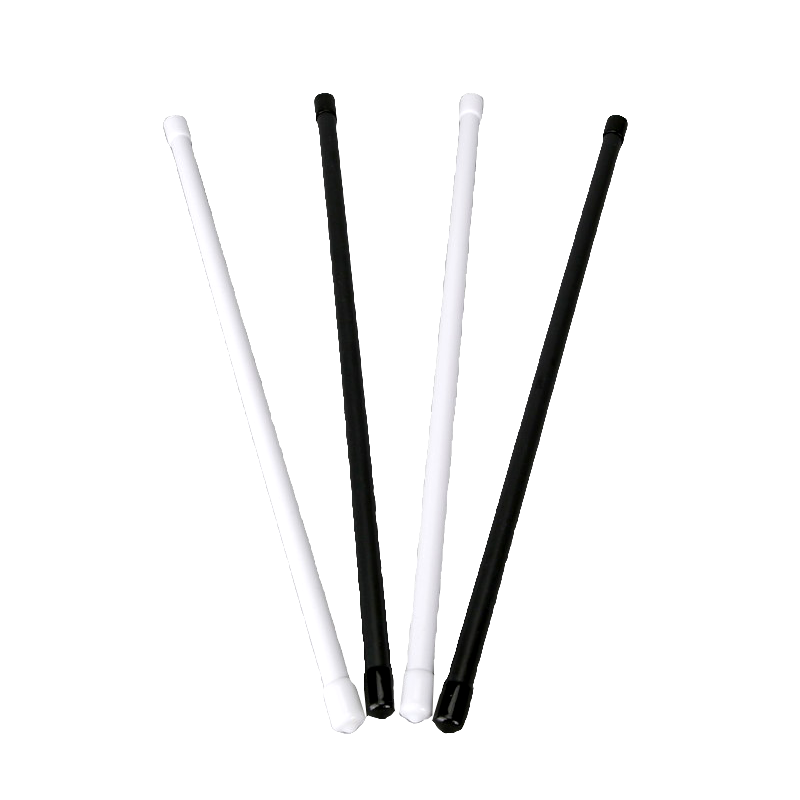
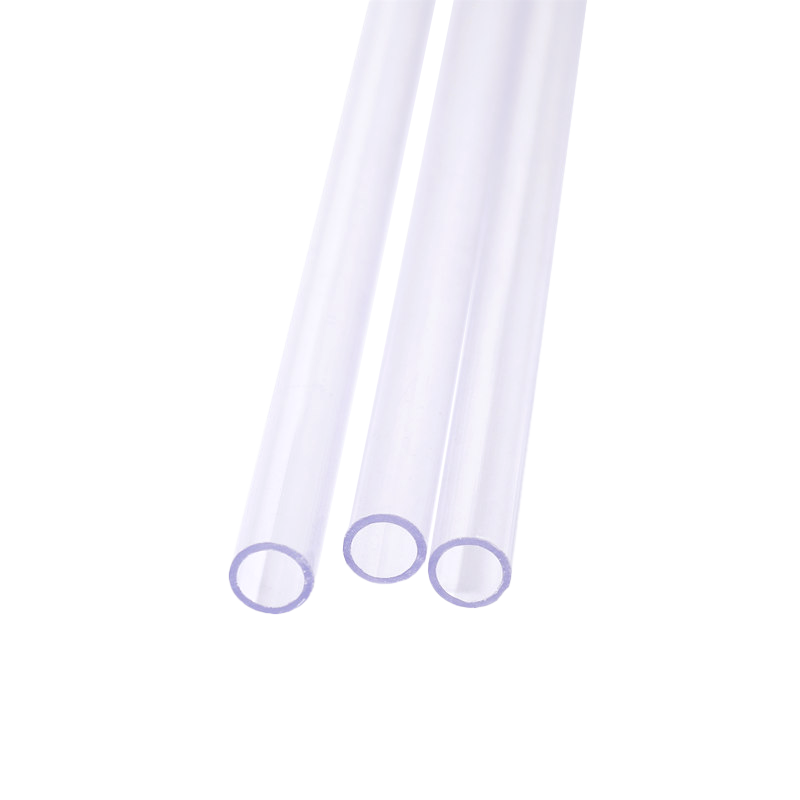
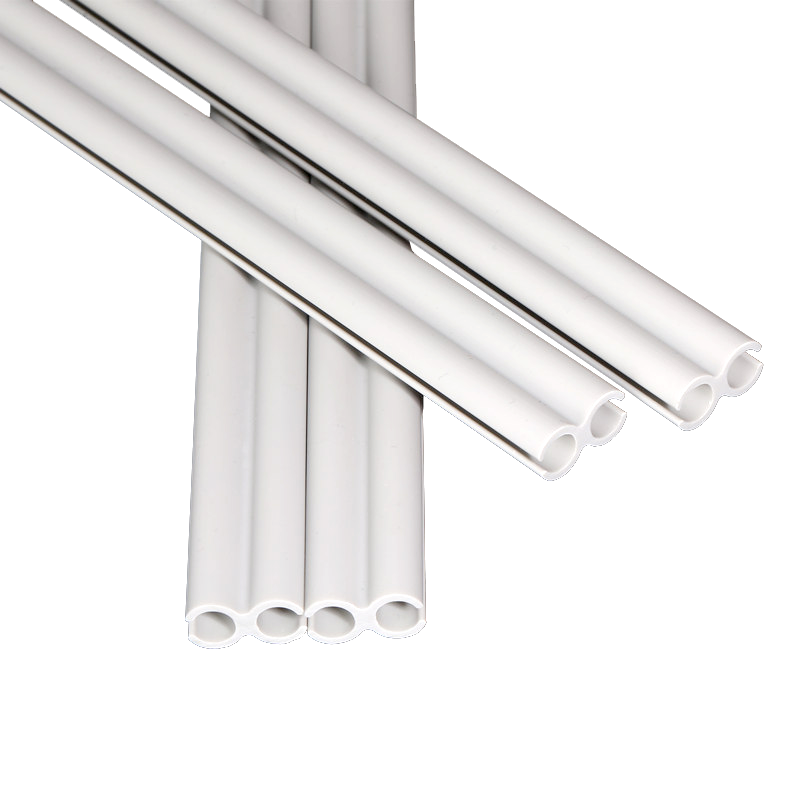
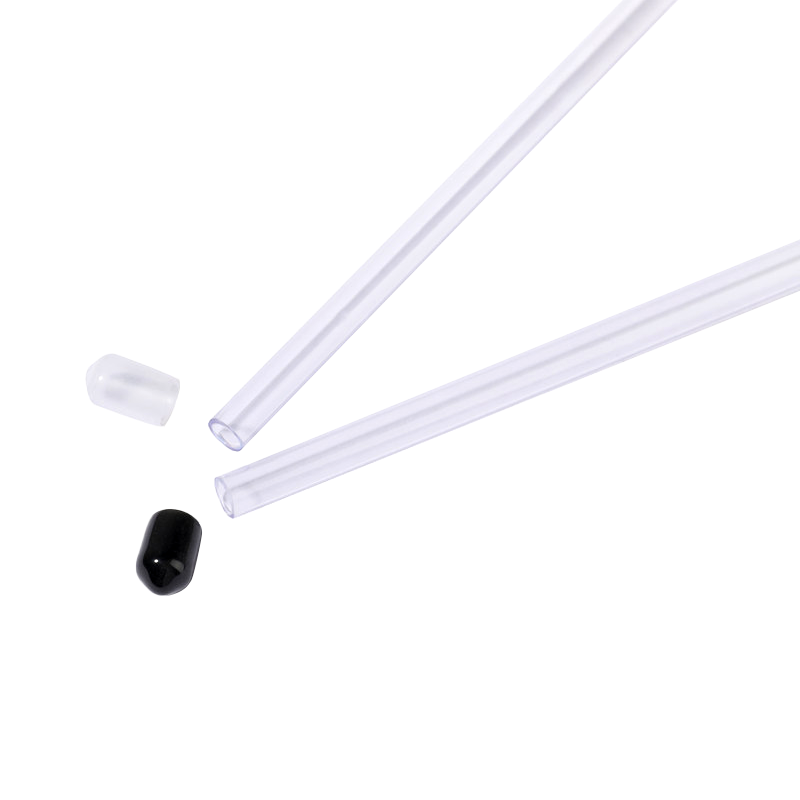
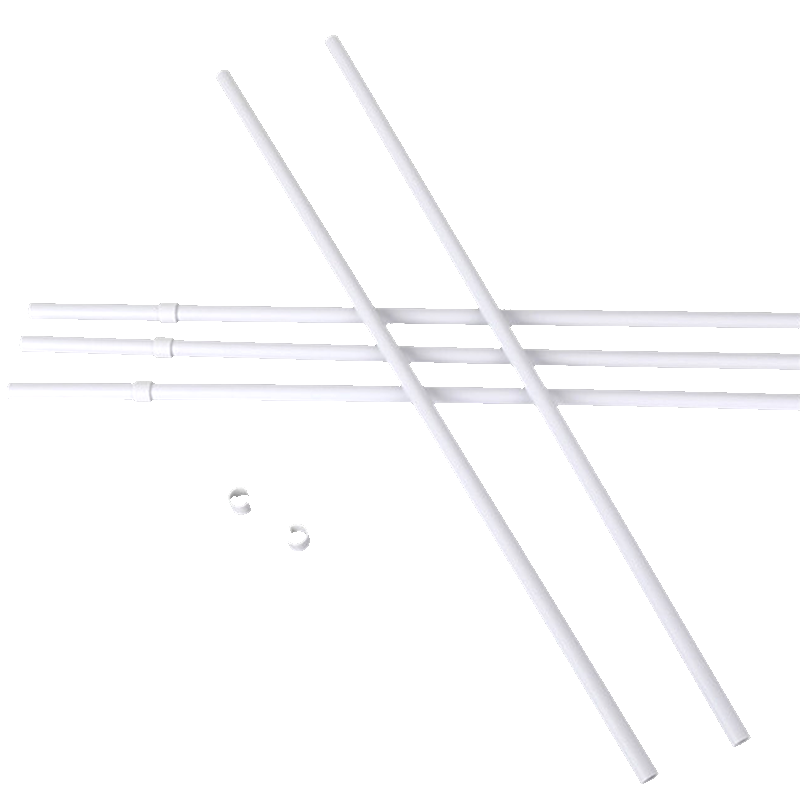
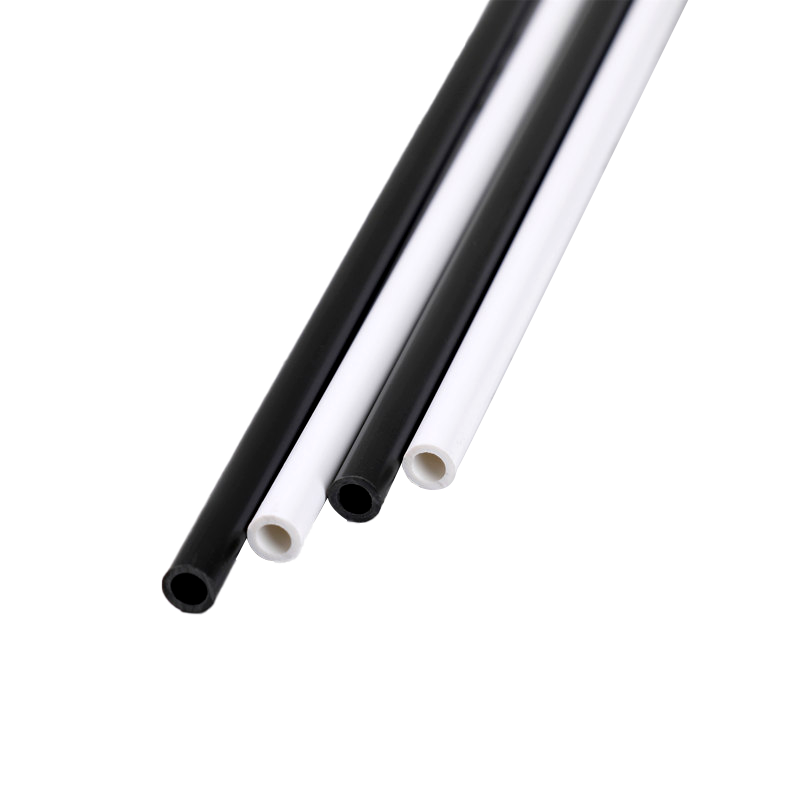
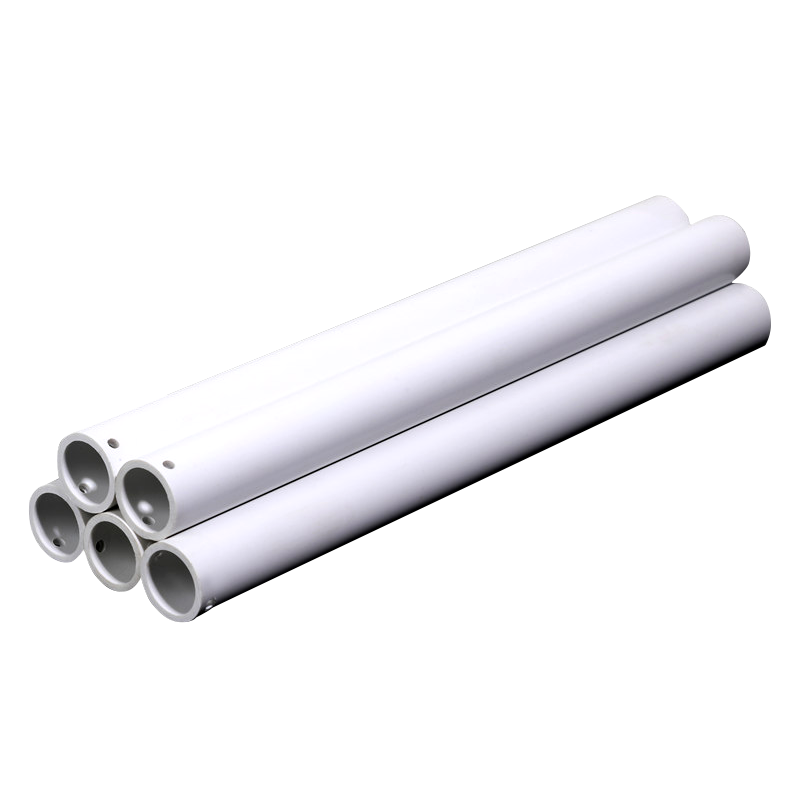
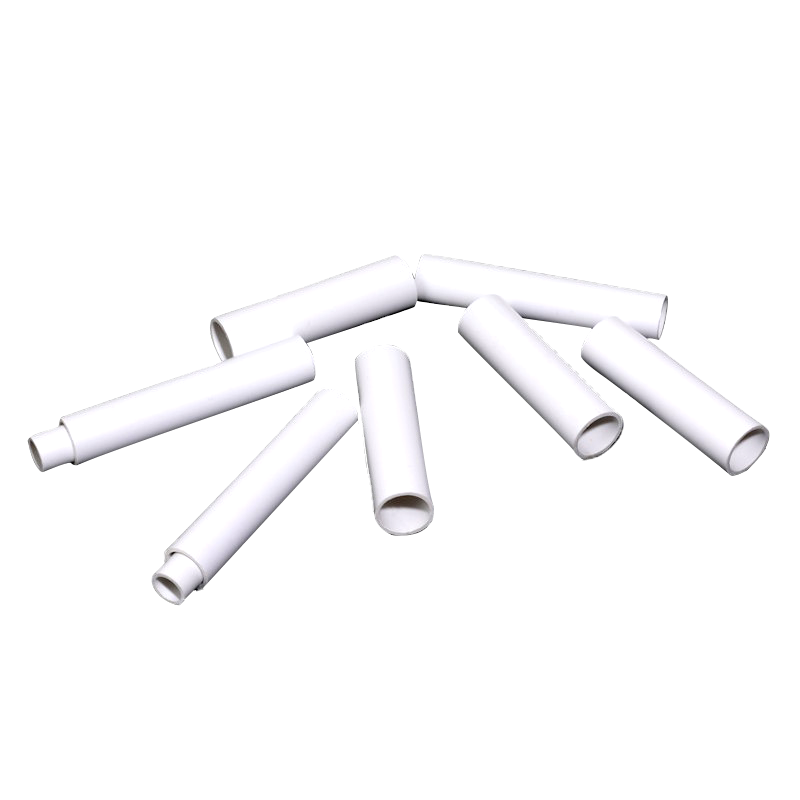
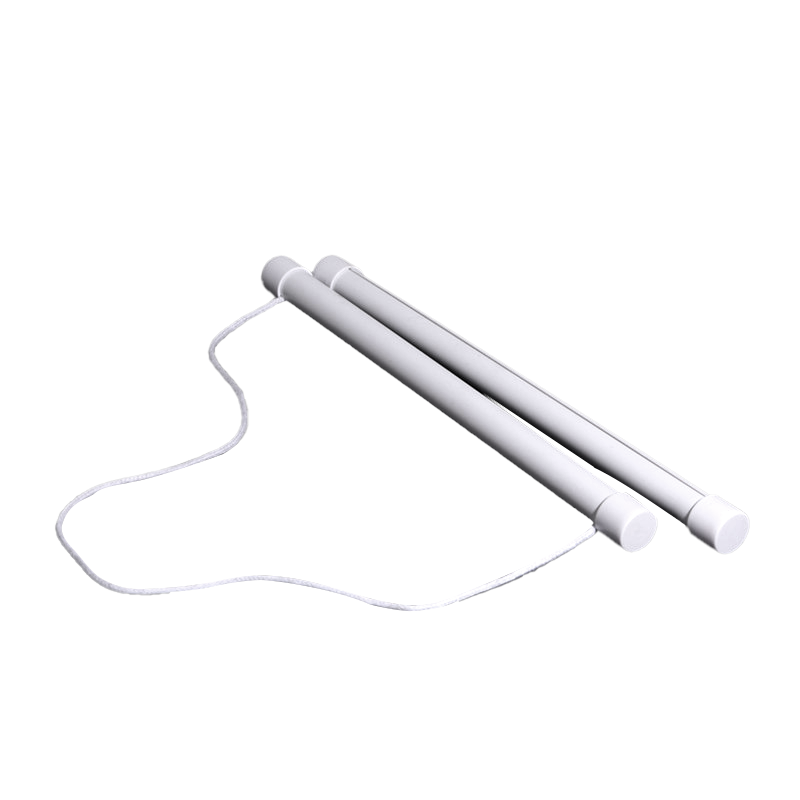
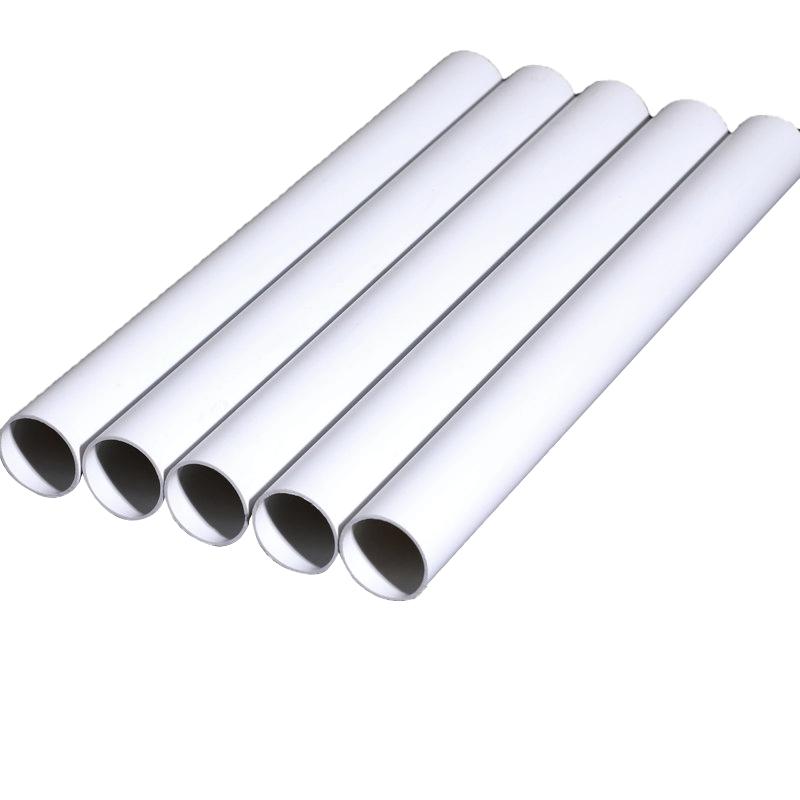
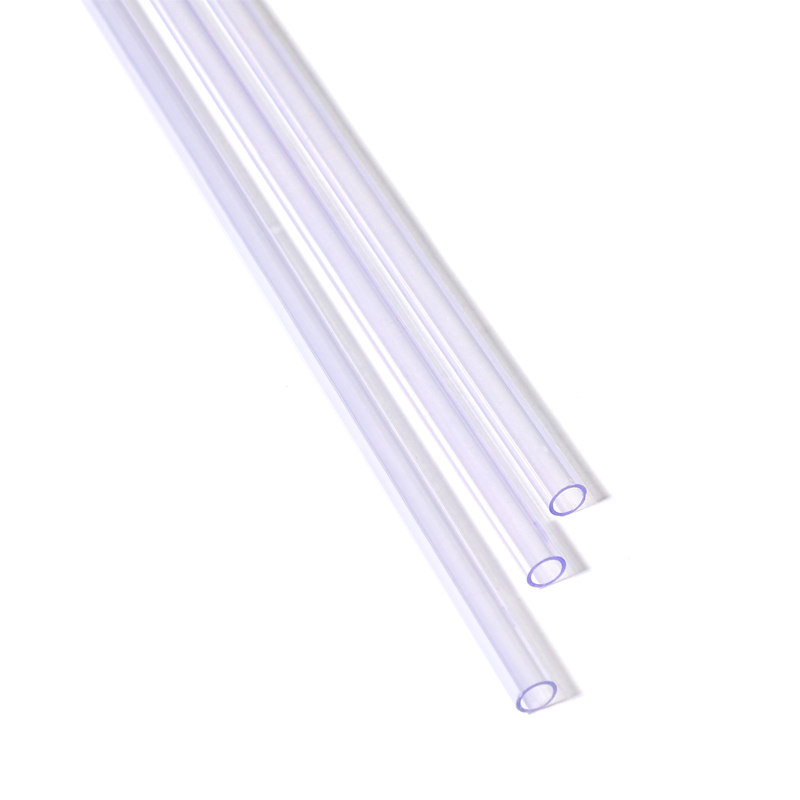 Custom Plastic Hand-Waving Flagpole and PVC Pipe SectionsLightweight customizable PVC flagpole sections suit promotional and event pole fleets where spare pipe replacements matter more than spare halyards.View Product →
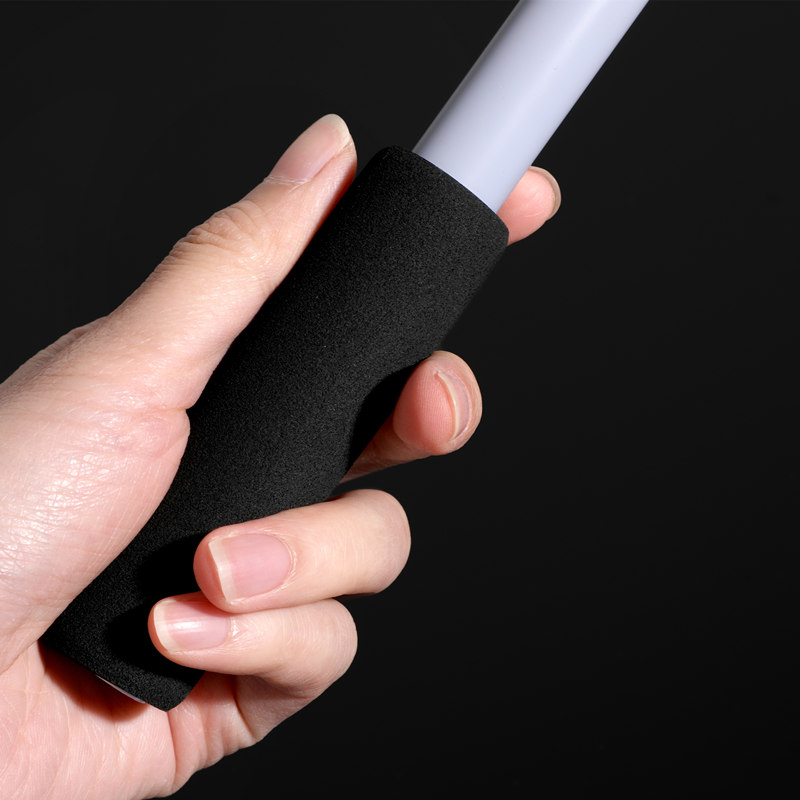 Festival Walking Mount Custom Hand-Waving FlagpoleA lightweight customizable plastic hand-waving flagpole for festival walking mounts, suited to event and promotional flagpole fleets.View Product →
Recommended products
-
2023 New Cheap Plastic Pipe Multiple Colors And Sizes Custom Hand Waving Flagpole
-
Wholesale Custom Pvc Material Indoor Desktop Flagpole Hand Waving Flagpole
-
Customizable Size Custom Logo Plastics Hand Waving Flagpole Big Pvc Flagpole
-
Plastics Hand Waving Flagpole Factory Direct Custom Wholesale PVC Flagpole Parts Pipe
-
Custom Easy Install Safety Flagpole Pvc China Factory Hand Waving Flagpole
-
New Popular Product Transparent Pvc Flagpole Custom Size Hand Waving Flagpole
-
2023 High Quality Hand Waving Flagpole Big Or Small Flagpole Size Custom
-
Fast Delivery Promotion Factory Wholesale Flagpole Pvc Pipe Hand Waving Flagpole
-
2023 Personalized Custom Desk Hand Waving Flagpole Outdoor White Flagpole
-
Wholesale 2023 Hot Sale Used Flagpole Weight Custom Pvc Hand Waving Flagpole
-
Wholesale Products Cheap High Quality Hand Waving Flagpole Newest Sections Flagpole
-
Wholesale Cheap High-Quality Hot Sale Flagpole Cylindrical Hand Waving Flagpole
Follow Us:
Copyright © Tongxiang Guangyu Plastic Products Co., Ltd. Rights Reserved.
