
 +86-0573-88528475
 English
 русский

Search by posts
Product category
Industry News
 By Admin
How to Keep a Flag From Wrapping Around the Pole: Fixes That Actually Work
Your flag came through a windy weekend wound tight around the pole, creased along the heading and refusing to shake itself out. Before blaming the fabric, check the two things behind most tangles: a halyard with too much slack, and rings spaced so widely that the flag can bunch up against the pole. Tighten the halyard and reset the ring spacing first; those two adjustments alone solve a large share of wrap problems on fixed poles. Everything else, from spinners to pole diameter, is refinement on top of that base. What follows is the order a flagpole supplier would actually work through: causes, free fixes, hardware, and the point at which the pole itself is the problem. Content A flag only wraps when the wind can no longer keep the fabric spread out. Three conditions create that situation, and most tangles trace back to at least one of them. Ground-level wind is rarely clean. Buildings, trees, fences and vehicle roofs create swirling, shifting flow that pushes the flag one way and then the other. A well-tensioned setup lets the flag follow that shift; a loose setup lets the shift turn into a spiral. Work through these in order. Most flags come off the pole correctly after step two or three. A spinner is a small bearing unit fitted at the top of the pole that lets the halyard and clips rotate freely, so the flag can unwind itself instead of staying pinned. Rotating or tangle-free pole designs take the same idea further: the whole pole pivots with the wind, keeping the flag downwind of the pole. On these setups, check the direction of rotation and free the collar if grit or salt has seized it, because a jammed spinner behaves exactly like no spinner at all. A spacer, sometimes called an anti-furl ring, is a rigid hoop or arm that holds the flag a few inches off the pole surface. It removes the surface the fabric would otherwise grip. Combine it with bearing swivels at both the top and bottom clips, and the flag has nothing to catch on and nothing to wind against. These parts are cheap; replacing a creased flag is not. The same symptom points to different solutions depending on what the pole is and how the flag attaches. These are practical starting points rather than code requirements, and they should be adjusted for local wind exposure. Wind exposure matters more than flag size. A sheltered backyard and an open coastal car park can carry the same flag and pole and still behave completely differently, so tune the setup where it actually stands. Surface finish, straightness and stiffness all influence how a flag behaves. An extruded PVC pole with a smooth, round profile gives the fabric fewer edges to grip than a pitted or jointed alternative, and consistent wall thickness keeps the pole from flexing and throwing slack back into the halyard. That stiffness question is worth understanding before specifying a long, slender pole; this look at how plastic pipe flagpoles behave under stress covers the load side of the decision. For portable and hand-waving use, a custom-size PVC flagpole in a diameter matched to the flag keeps the assembly rigid enough to resist wrapping during parades, trade shows and outdoor events. Where the pole is installed once and left outdoors, look for smooth section transitions and a coupler that does not step out beyond the pole surface. Every lip and shoulder is a place where a hem can catch. If wrapping keeps coming back, it may be cheaper to specify the pole correctly than to keep buying hardware. Ask for the details that control behaviour in wind: Buyers comparing options can review the full plastic pipe flagpole range to see the diameters, lengths and finishes available before fixing a specification. Wrapping is a tension and geometry problem far more often than a fabric problem. Tighten the halyard, set the rings properly, add a swivel or spacer, and check that the pole surface is smooth and stiff enough for the flag it carries. Do those four things and the flag will spend its time flying instead of furled around the pole.Why a Flag Wraps Around the Pole
Ten-Minute Fixes to Try Before Buying Anything
Hardware That Actually Stops the Wrap
Spinners and rotating collars
Spacers, swivels and clips
Match the Fix to Your Pole Setup
Pole setup
Usual cause
Fix that works
Watch-outs
Short fixed PVC hand-waving flagpole
Flag has no room to travel; halyard tied tight to the pole top
Add a spinner collar and tighten ring spacing
Match flag weight to pole diameter; thin poles whip in gusts
Sectional pole with external halyard
Slack halyard, snap hooks snagging the hem
Tension the halyard; swap snap hooks for bearing swivels
Rough or stepped coupler joints catch fabric
Rotating or tangle-free pole
Collar seized, or spinner fitted backwards
Free and lubricate the collar; verify rotation direction
Sand, salt and dust seize collars over a season
Vehicle or wall mount
Swirling airflow behind the mount
Shorter flag, closer ring spacing, spacer ring
Vibration loosens fasteners; check monthly
Ring Spacing, Flag Size and Other Numbers That Matter
When the Pole Itself Is Causing the Wrap
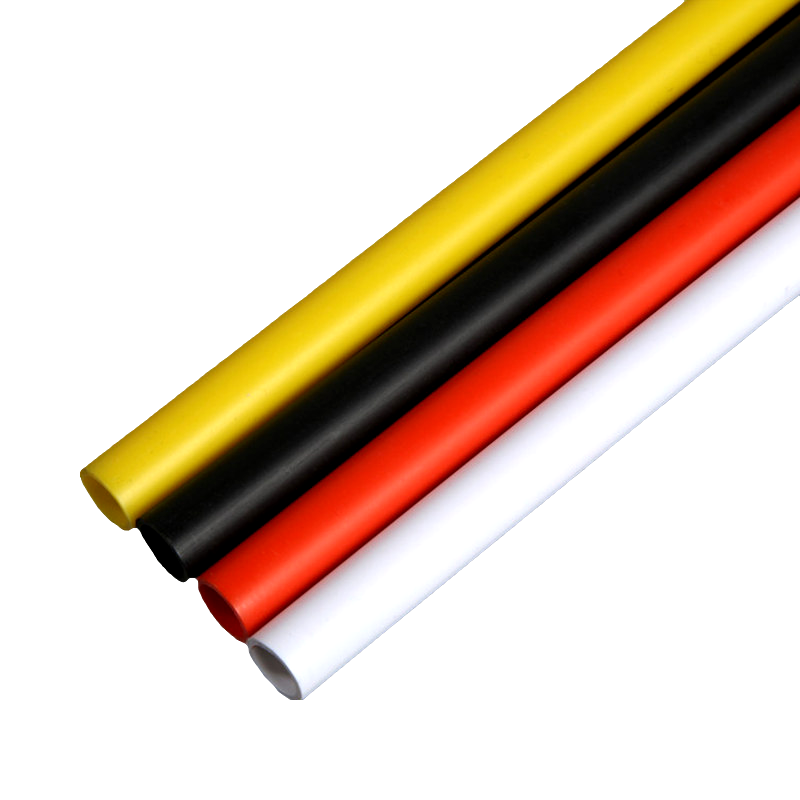
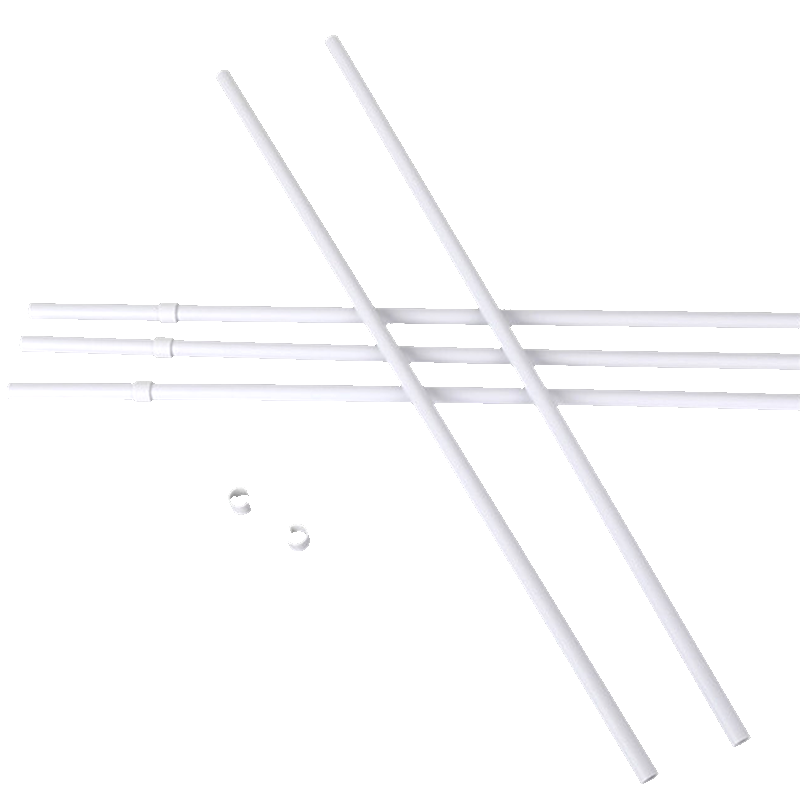
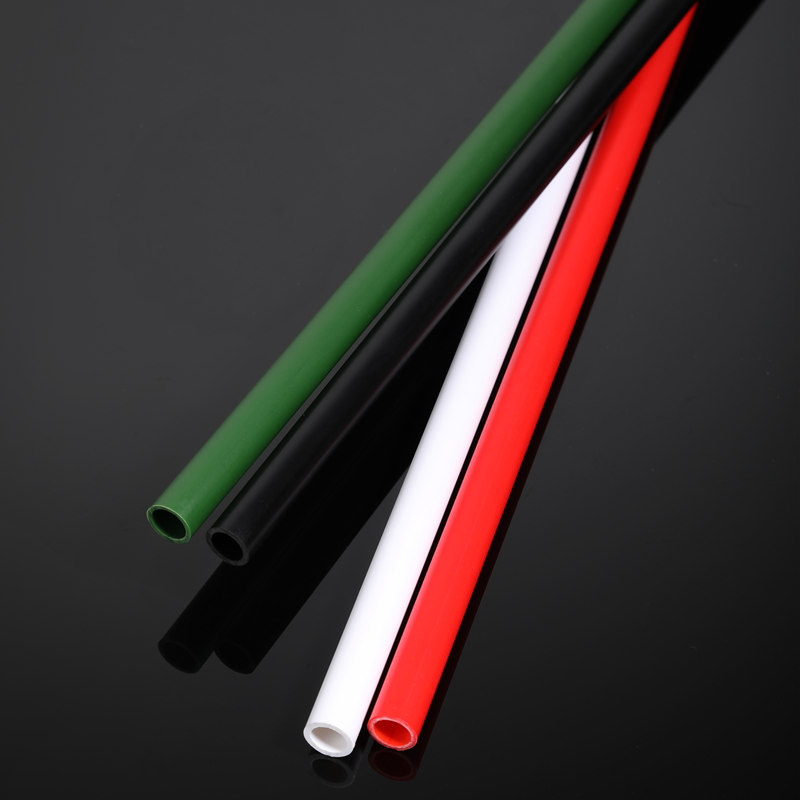 Custom-Size PVC Hand-Waving Flagpole for EventsA lightweight plastic pole available in custom sizes and colors, suited to portable hand-waving use where matching diameter to the flag helps reduce wrapping.View Product →
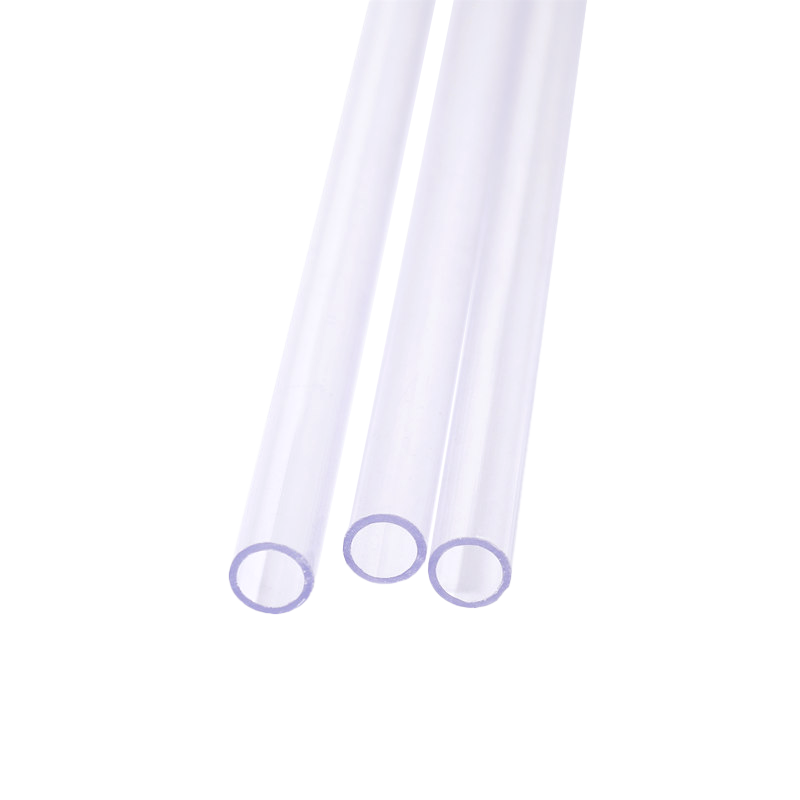
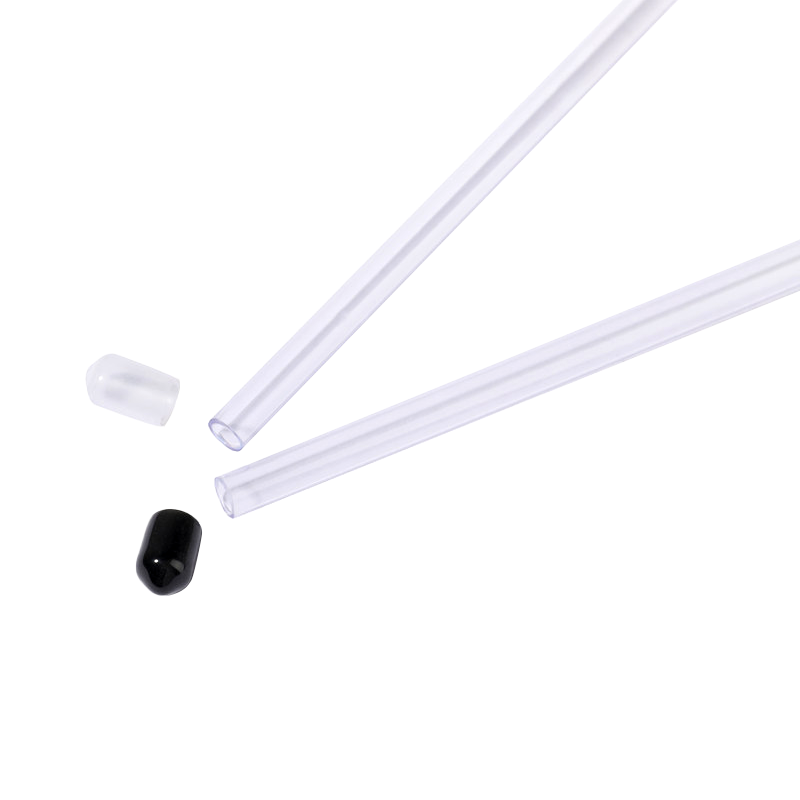
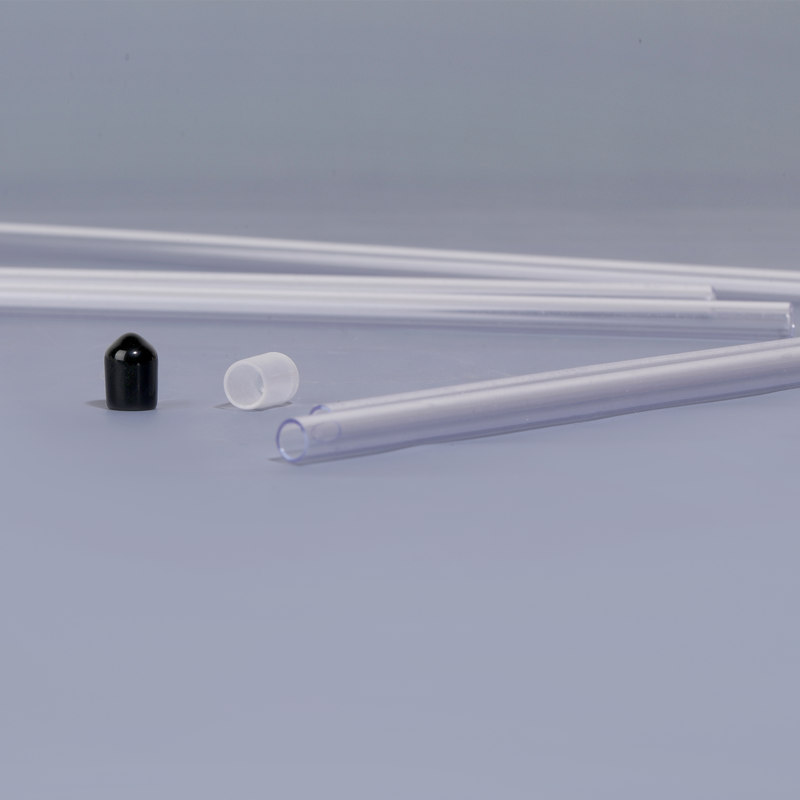 Transparent PVC Custom Hand-Waving FlagpoleA lightweight transparent PVC flagpole made to custom size, useful when recurring wrapping calls for reviewing pole specification and wind-related details.View Product →
Checks to Run Before the Next Windy Day
Specifying New Flagpoles: What to Ask For
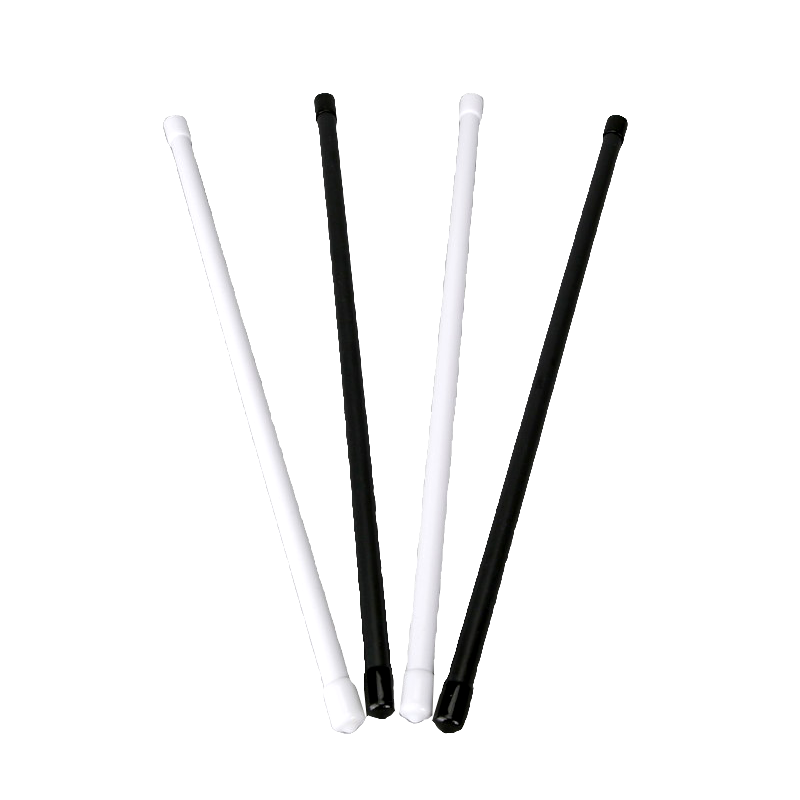
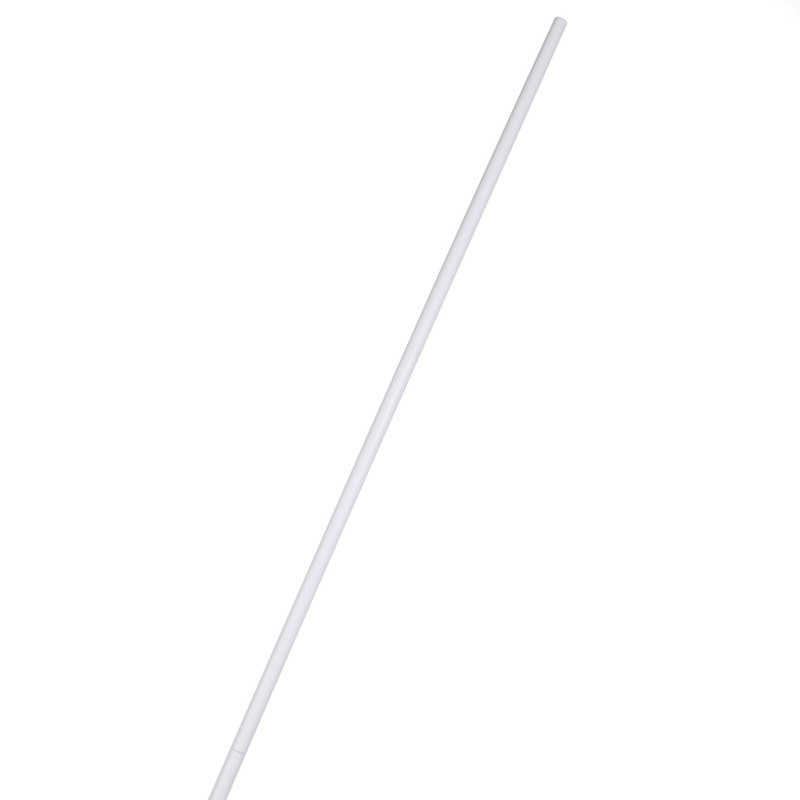 Custom Plastic Hand-Waving Flagpole for Indoor and Outdoor UseA lightweight plastic flagpole with custom size, color and design options, suited to hand-waving flag use and worth comparing before fixing a specification.View Product →
Recommended products
-
2023 New Cheap Plastic Pipe Multiple Colors And Sizes Custom Hand Waving Flagpole
-
Wholesale Custom Pvc Material Indoor Desktop Flagpole Hand Waving Flagpole
-
Customizable Size Custom Logo Plastics Hand Waving Flagpole Big Pvc Flagpole
-
Plastics Hand Waving Flagpole Factory Direct Custom Wholesale PVC Flagpole Parts Pipe
-
Custom Easy Install Safety Flagpole Pvc China Factory Hand Waving Flagpole
-
New Popular Product Transparent Pvc Flagpole Custom Size Hand Waving Flagpole
-
2023 High Quality Hand Waving Flagpole Big Or Small Flagpole Size Custom
-
Fast Delivery Promotion Factory Wholesale Flagpole Pvc Pipe Hand Waving Flagpole
-
2023 Personalized Custom Desk Hand Waving Flagpole Outdoor White Flagpole
-
Wholesale 2023 Hot Sale Used Flagpole Weight Custom Pvc Hand Waving Flagpole
-
Wholesale Products Cheap High Quality Hand Waving Flagpole Newest Sections Flagpole
-
Wholesale Cheap High-Quality Hot Sale Flagpole Cylindrical Hand Waving Flagpole
Follow Us:
Copyright © Tongxiang Guangyu Plastic Products Co., Ltd. Rights Reserved.
