
 +86-0573-88528475
 English
 русский
Search by posts
Product category
Industry News
 By Admin
How to Keep a Flag From Wrapping Around the Flagpole
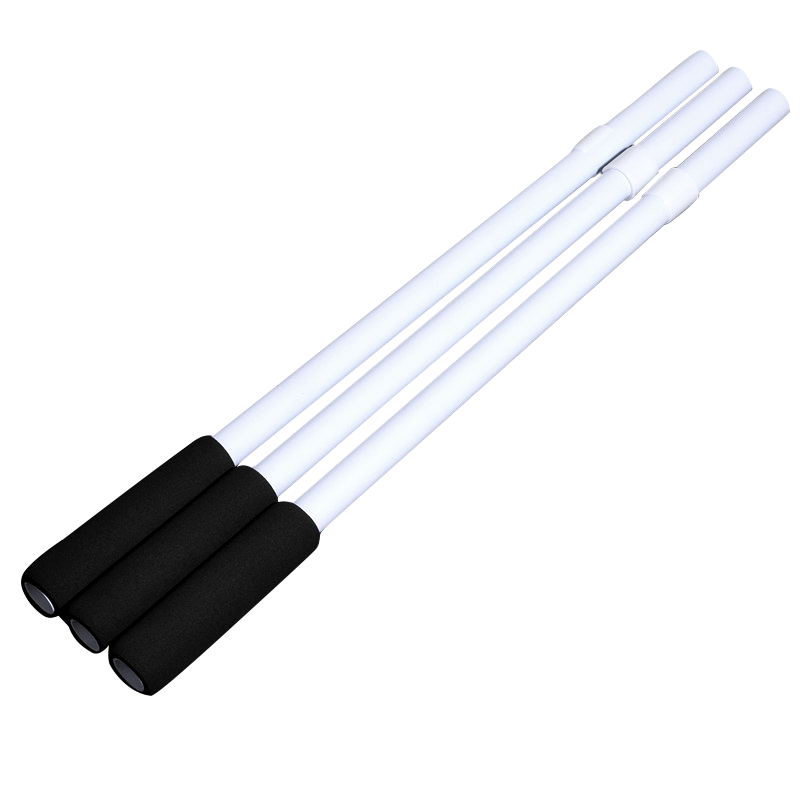
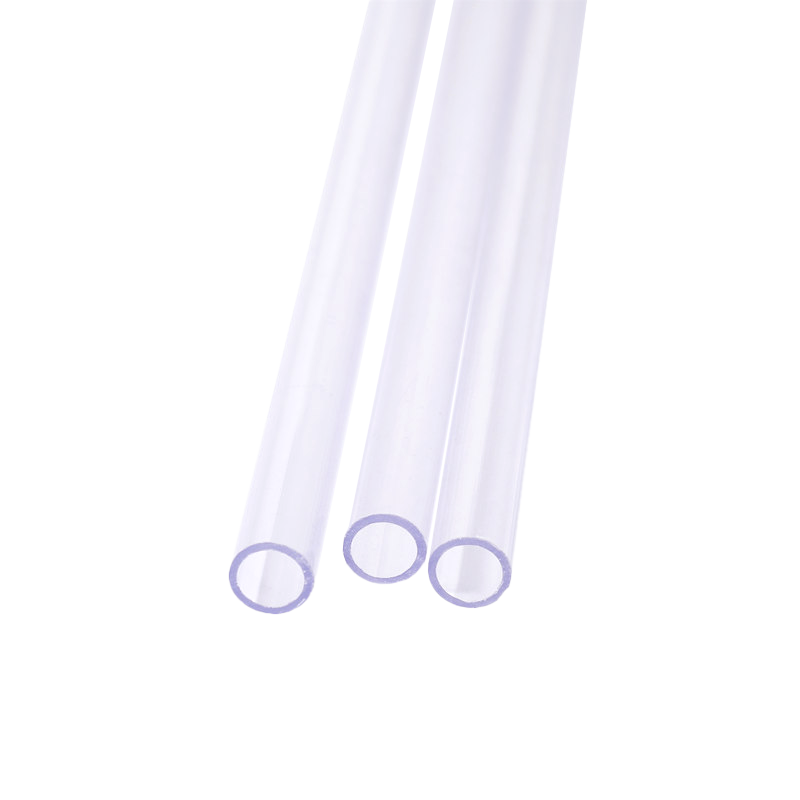
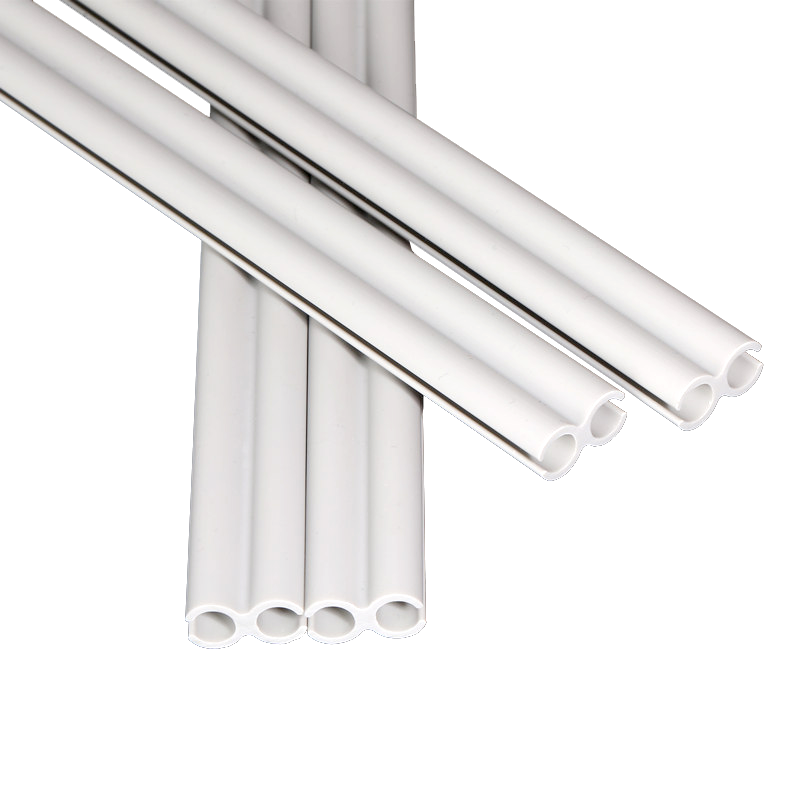
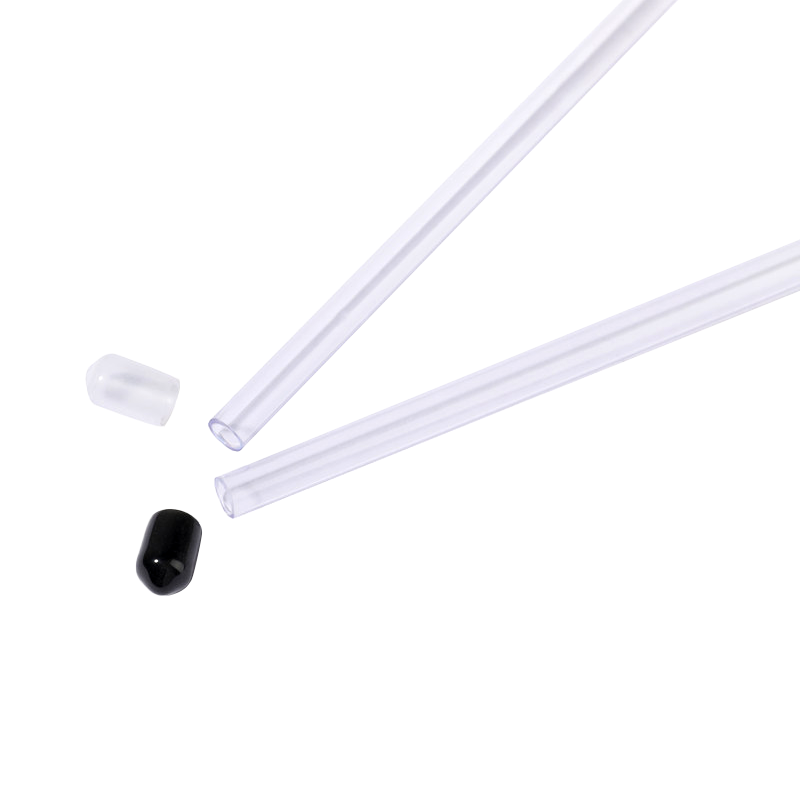
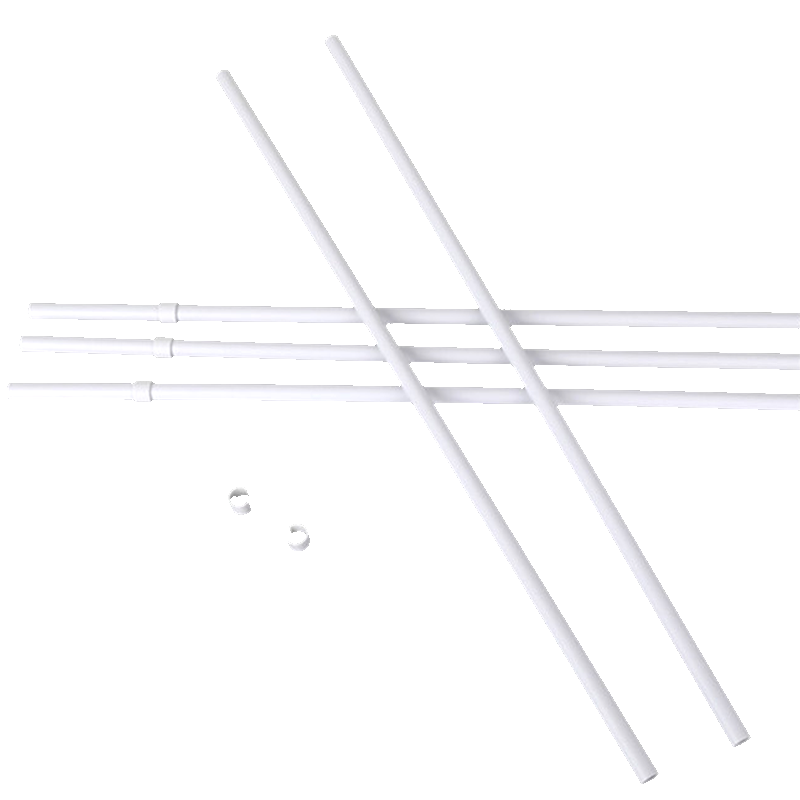
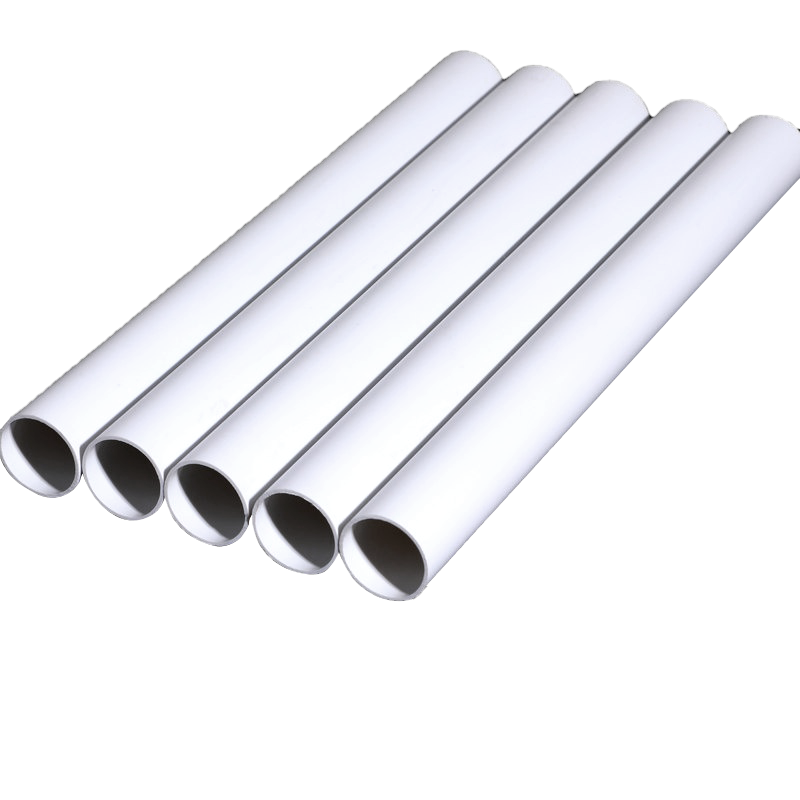
Content A flag doesn't wrap around its pole because it's windy — it wraps because the hardware holding it in place can't keep up when the wind shifts direction. Standard snap hooks fasten the grommet to the halyard, but they don't rotate. When the wind changes, the flag has nowhere to go except around the pole itself. Two other factors make the problem worse. A flag sized too large for its pole catches more wind and builds up more rotational momentum every time the direction shifts, so it winds up tighter and faster. And a flagpole planted close to a wall, fence, or tree sits in turbulent, unpredictable airflow rather than a clean, steady breeze — that turbulence is often what triggers the tangling in the first place, not the wind speed itself. The fastest fix is almost always hardware, not the flag or the pole. Swapping fixed snap hooks for swivel snaps lets the flag rotate independently of the halyard, so a shift in wind direction spins the flag instead of winding it. This is a five-minute upgrade and usually the first thing worth trying. For a more complete solution, anti-furling kits and rotating collar systems go a step further by letting an entire section of the pole — or a dedicated ring assembly — spin freely with the wind. These systems use internal ball bearings or rotating rings to keep tension even across the flag's edge, which is what actually prevents the twisting rather than just delaying it. Oversizing is one of the most common and easiest-to-fix mistakes. A flag that's too large for its pole height catches disproportionately more wind, and that extra surface area translates directly into more torque every time the wind shifts — exactly the force that causes wrapping. Weight matters too, in the opposite direction. A lighter flag whips around more freely in gusty conditions, while a heavier, thicker fabric naturally resists flipping over the top of the pole during moderate wind. The goal isn't to go as heavy as possible — a flag too heavy for the local wind conditions simply won't fly properly — but matching weight to typical wind conditions in a specific location goes a long way toward reducing tangling on its own. Hardware and sizing solve most wrapping problems, but the pole material plays a supporting role too — mainly in how well the pole and its fittings hold up to the repeated stress that comes with wind exposure over time. A pole that flexes excessively or degrades under UV exposure can loosen fittings or warp slightly, which makes swivel hardware less effective even when it's properly installed. PVC and plastic pipe flagpoles are a common alternative to aluminum or wood, and how plastic pipe flagpoles hold up under stress without breaking or bending is worth understanding before assuming plastic is automatically less durable than metal — modern PVC formulations are engineered specifically to resist the kind of repeated flexing that wind exposure creates. Longevity is the other piece of the material question. how a plastic flagpole's lifespan compares to aluminum or wood covers the trade-offs in more detail — plastic poles tend to resist corrosion better than untreated metal, though they handle extreme temperature swings differently than either aluminum or wood. For anyone weighing options, the different material options available for plastic pipe flagpoles breaks down how formulation changes affect flexibility and weather resistance. Most wrapping problems clear up with a combination of the first two fixes — swivel hardware plus correctly sized flag — with material and placement as the remaining variables if tangling persists. Anyone comparing pole options directly can browse the plastic pipe flagpole product range or the PVC profile flagpole options to see how different constructions handle these same stresses. As one flagpole retailer notes, rotating flagpole systems and anti-furling kits work by letting part of the pole assembly turn freely with the wind, which remains the most reliable long-term fix regardless of what the pole itself is made from.Why Flags Wrap Around the Pole in the First Place
Swivel Hardware and Anti-Furling Kits
Match Flag Size and Weight to the Pole
Does the Flagpole Material Itself Make a Difference?
Putting It Together: A Simple Checklist
Symptom
Likely cause
Fix
Flag wraps every time wind shifts
Fixed (non-swivel) snap hooks
Install swivel snaps or a full anti-furling kit
Flag wraps in even light wind
Flag oversized for the pole
Downsize to match pole height
Wrapping worse near buildings or trees
Turbulent airflow
Relocate pole further from obstructions
Fittings loosen or pole flexes over time
Material fatigue from repeated stress
Check pole material rated for outdoor wind exposure
Recommended products
-
2023 New Cheap Plastic Pipe Multiple Colors And Sizes Custom Hand Waving Flagpole
-
Wholesale Custom Pvc Material Indoor Desktop Flagpole Hand Waving Flagpole
-
Customizable Size Custom Logo Plastics Hand Waving Flagpole Big Pvc Flagpole
-
Plastics Hand Waving Flagpole Factory Direct Custom Wholesale PVC Flagpole Parts Pipe
-
Custom Easy Install Safety Flagpole Pvc China Factory Hand Waving Flagpole
-
New Popular Product Transparent Pvc Flagpole Custom Size Hand Waving Flagpole
-
2023 High Quality Hand Waving Flagpole Big Or Small Flagpole Size Custom
-
Fast Delivery Promotion Factory Wholesale Flagpole Pvc Pipe Hand Waving Flagpole
-
2023 Personalized Custom Desk Hand Waving Flagpole Outdoor White Flagpole
-
Wholesale 2023 Hot Sale Used Flagpole Weight Custom Pvc Hand Waving Flagpole
-
Wholesale Products Cheap High Quality Hand Waving Flagpole Newest Sections Flagpole
-
Wholesale Cheap High-Quality Hot Sale Flagpole Cylindrical Hand Waving Flagpole
Follow Us:
Copyright © Tongxiang Guangyu Plastic Products Co., Ltd. Rights Reserved.
