
 +86-0573-88528475
 English
 русский
Search by posts
Product category
Industry News
 By Admin
How to Keep a Flag from Wrapping Around a Pole
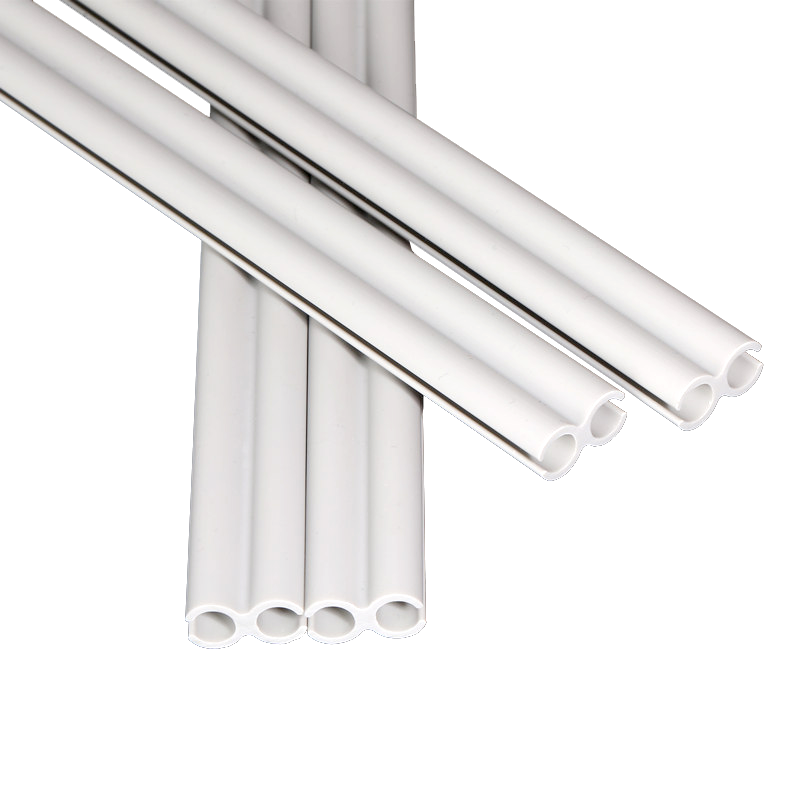
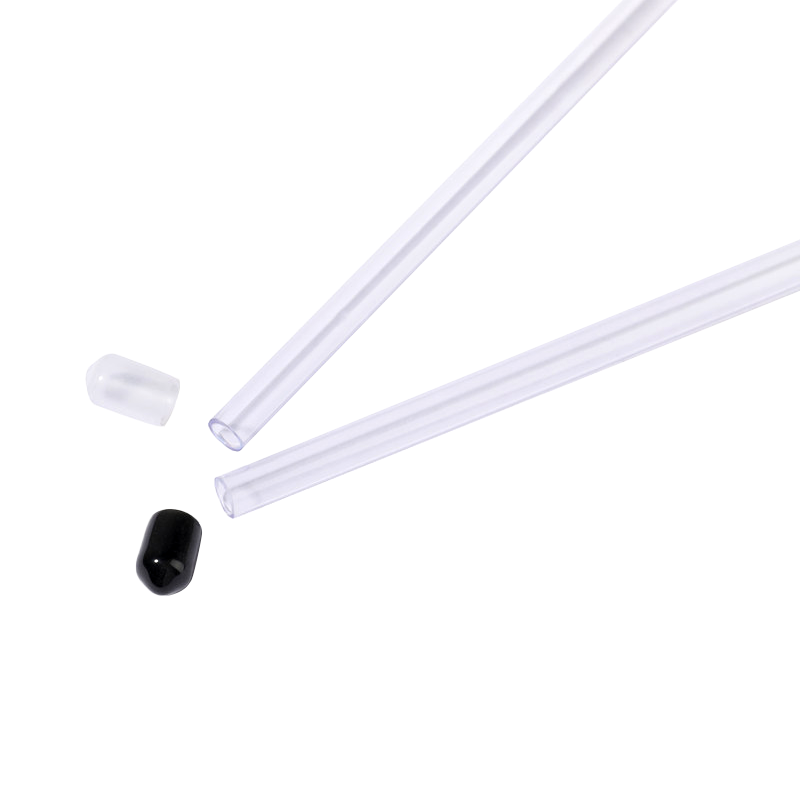
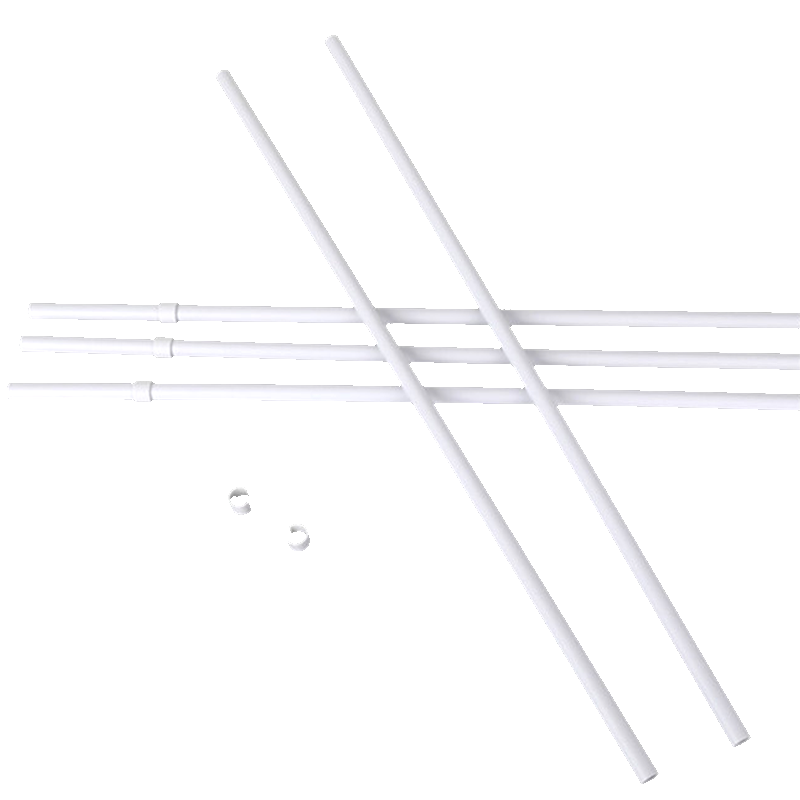
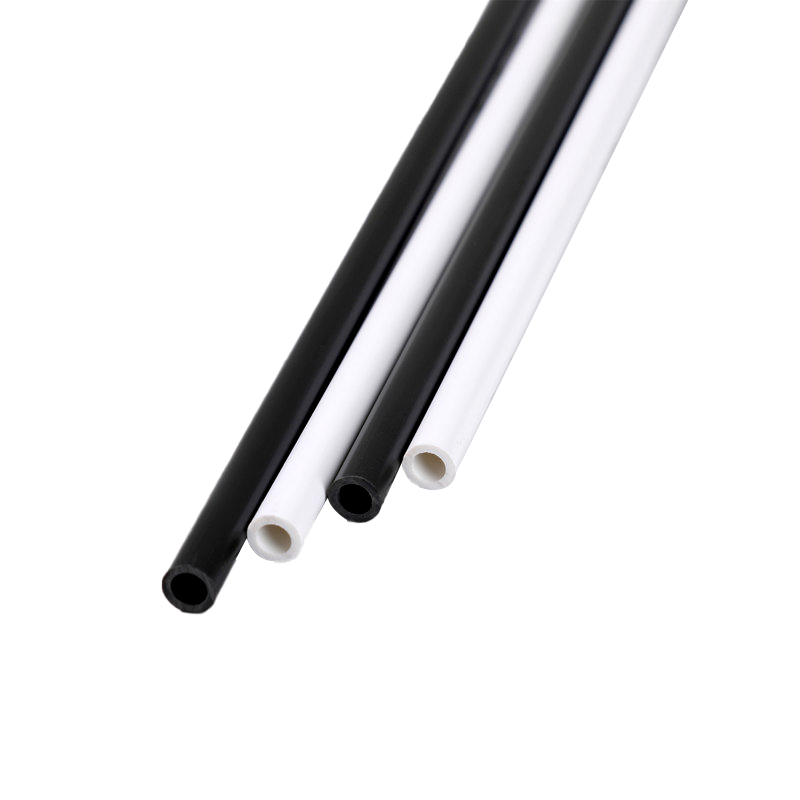
A flag wrapped tight around its pole is one of those small frustrations that compounds fast — it looks bad, strains the fabric, and shortens the life of a flag that's meant to fly for years. The culprit is almost always the wind, but the real problem is a flagpole setup that doesn't give the flag anywhere to go when the gusts arrive. Fix the setup, and furling becomes a non-issue. Below are the most reliable ways to stop your flag from wrapping, from quick hardware swaps to smart pole choices. Content Flag furling happens when a strong or shifting wind pushes the flag over the top of the pole or around it faster than the fabric can recover. Because the flag is attached at the hoist edge — and only there — the fly end has no anchor. In a gust, it gets thrown upward or sideways, loops around the pole, and stays stuck. For portable handheld flagpoles used at festivals and outdoor events, wrapping is especially common because the pole is angled and carried in changing directions — the flag has no fixed orientation relative to the wind. On residential flagpoles, it's usually a combination of light fabric and a static mounting system that can't rotate when the wind shifts. For most homeowners, an anti-furling kit is the fastest, most affordable fix. These kits attach to your existing flagpole without modification — typically using two hollow plastic or metal cylinders that slide along the pole. Each cylinder has a clip that attaches to a grommet on the flag. When the wind pushes the flag, the cylinders rotate freely around the pole rather than letting the fabric wrap. The Never-Furl system is one of the most widely used designs. It works with pole diameters ranging from ¾" to 2" and handles most standard flag sizes. The key to how it works is that each rotator moves independently — up, down, and around the pole — so the flag adjusts fluidly to shifting wind rather than fighting it. Installation takes under 15 minutes with basic tools. One caveat worth noting: anti-furling kits reduce tangling significantly but don't eliminate it in severe weather. The US Flag Code recommends bringing your flag in during high winds or storms regardless of what hardware you're using, both to protect the fabric and to maintain a respectful display. A rotating flagpole takes the anti-furling concept further by building the spinning mechanism directly into the pole itself. The top section — where the flag attaches — sits on an internal ball bearing system that lets it rotate a full 360 degrees. As wind direction shifts, the pole's mounting point turns with it, and the flag never has a chance to wrap. These poles are sometimes called no-tangle flagpoles or rotopole systems. They're a particularly good option for locations with consistently gusty or unpredictable winds, since they handle rapid direction changes better than any clip-on accessory. The trade-off is cost: rotating flagpoles run higher than a standard pole plus a kit. They're also designed for lightweight flag materials — nylon and lightweight polyester work well, but heavier 2-ply polyester fabrics can strain the bearing mechanism over time. Spinning fasteners are a middle-ground option. These small rings attach to the flag's grommets and fit over a standard 1-inch pole, effectively converting any static flagpole into a rotating one. They're inexpensive, require no drilling or permanent changes, and work well for balcony-mounted or porch flags. Flag weights work by giving the fly end of the flag some downward resistance, making it harder for the wind to throw the fabric over the top of the pole. Most outdoor flags are made from lightweight nylon — which is good for longevity and drying quickly, but makes them very susceptible to tangling in gusts. Commercial flag weights are available in magnetic versions with rubber coating, which attach to the bottom hem without damaging the fabric. DIY alternatives work just as well: fishing weights, shower curtain weights, or a length of thin chain sewn or clipped into the bottom hem all add enough heft to keep the fly end tracking downward. Aim for weights that stabilize without being so heavy that the flag can't billow naturally in normal breezes. Magnetic flag weights are a particularly clean solution — they snap on, leave no rust stains (when rubber-coated), and can be removed easily when storing the flag. Red-colored versions are designed to blend visually with the stripes of American flags. The flag itself is often overlooked as a variable. Thin, low-quality flags made from lightweight printed material wrap more easily and tear faster once they do. A heavier flag made from quality nylon or polyester has more natural resistance to being thrown around in the wind. Nylon is the most popular choice for outdoor flags — it's light, strong, dries fast, and moves gracefully in light winds. Polyester is a better option in persistently high-wind environments because it's heavier and more resistant to being whipped around. Either material outperforms cheap printed fabric by a significant margin. Flag sizing relative to pole height also matters more than most people expect. A flag that's too large for its pole catches excessive wind, especially at the top where it attaches — a small gust becomes a major furling event. As a rough guide: a 3x5 ft flag works well on a 6-ft pole, while larger flags (4x6 ft or bigger) belong on poles of 20 ft or more. Getting the proportion right reduces both furling and fabric stress at the grommets. Where the pole sits has a direct effect on how often the flag wraps. A flagpole in an open corridor — between two buildings, at the end of a driveway exposed to prevailing winds — will experience far more severe and unpredictable gusts than one positioned near a natural windbreak. Large trees, solid fencing, garden walls, and even storage sheds all reduce wind force on a flag without eliminating airflow entirely. The goal isn't to kill the wind — the flag needs to fly — but to take the edge off the strongest gusts that cause furling. Placing a pole within about 10–15 feet of a windbreak can make a noticeable difference. Just make sure there's enough clearance that the flag doesn't snag on branches or structure edges when it does move. In-ground telescoping flagpoles are inherently more stable than porch-mounted or bracket-mounted poles and tend to experience less furling overall, both because they stand vertically and because they're more firmly anchored against pole movement in the wind. Not all flagpoles are created equal, and the material and design of the pole affects how it handles wind stress — which in turn affects how often your flag wraps. Poles that flex and vibrate in the wind create erratic motion at the attachment point, making furling more likely even with a good flag and proper hardware. Aluminum is the traditional choice for residential poles — corrosion-resistant and stiff enough to minimize flex. For applications like hand-waving flags, event displays, and portable setups, PVC has become a practical alternative. A good PVC flagpole is lightweight enough to carry or mount easily, holds its shape under moderate wind pressure, and resists moisture and UV degradation without rusting or pitting. For outdoor displays and event use, lightweight PVC flagpoles designed for hand waving and outdoor events offer a stable, durable base that holds the flag correctly without the flex that contributes to wrapping. If you need a fixed outdoor or indoor display, custom-size PVC flagpoles for both indoor and outdoor use can be fitted with anti-furling hardware for a complete, tangle-resistant setup. Whatever pole material you choose, the key is pairing it with the right mounting method and accessories. A well-chosen pole, combined with an anti-furling kit or spinning fasteners and a properly weighted flag, handles most wind conditions without constant intervention.Why Does a Flag Wrap Around the Pole?
Use an Anti-Furling Kit or Never-Furl Device
Switch to a Rotating or Spinning Flagpole
Add Weights to the Bottom of Your Flag
Choose the Right Flag Material and Size
Consider Your Flagpole Placement
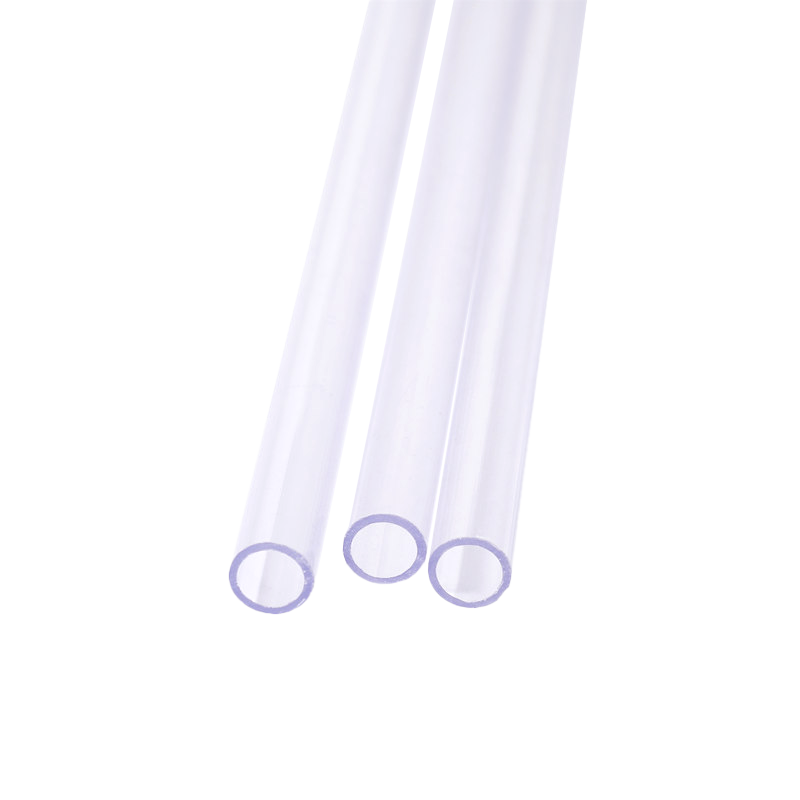
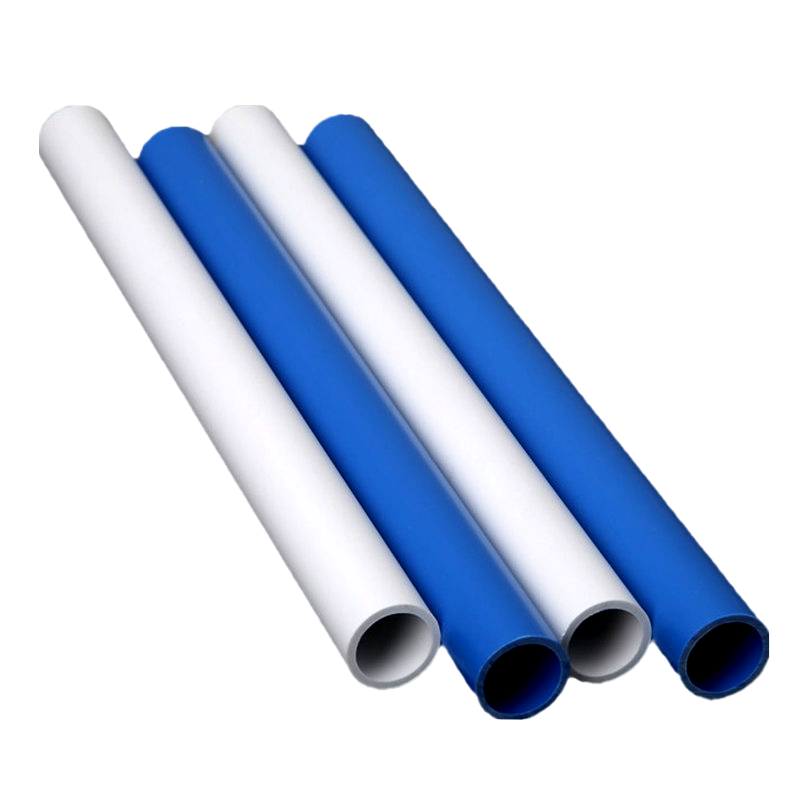
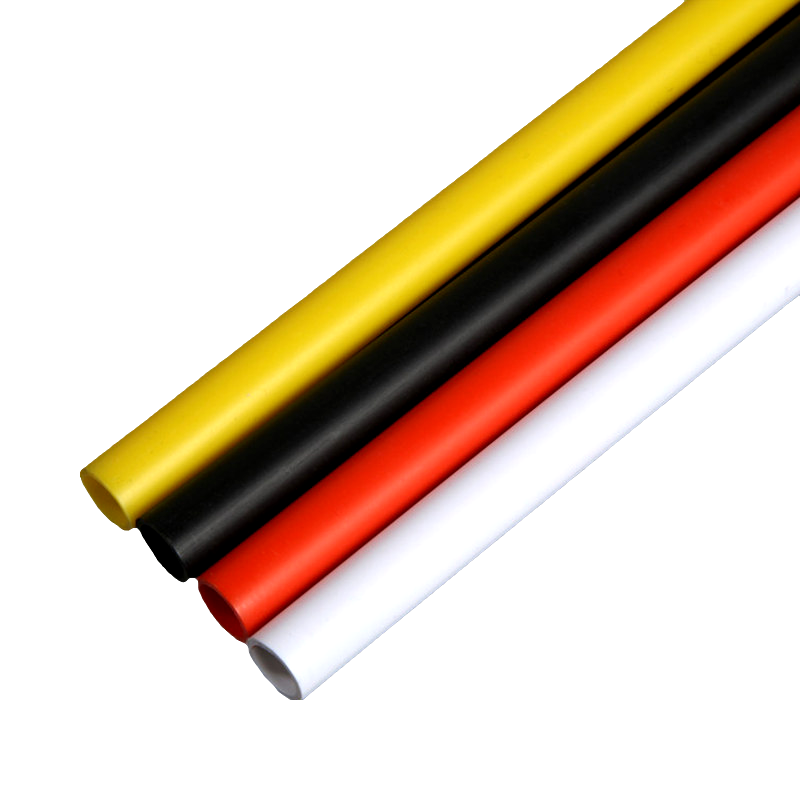
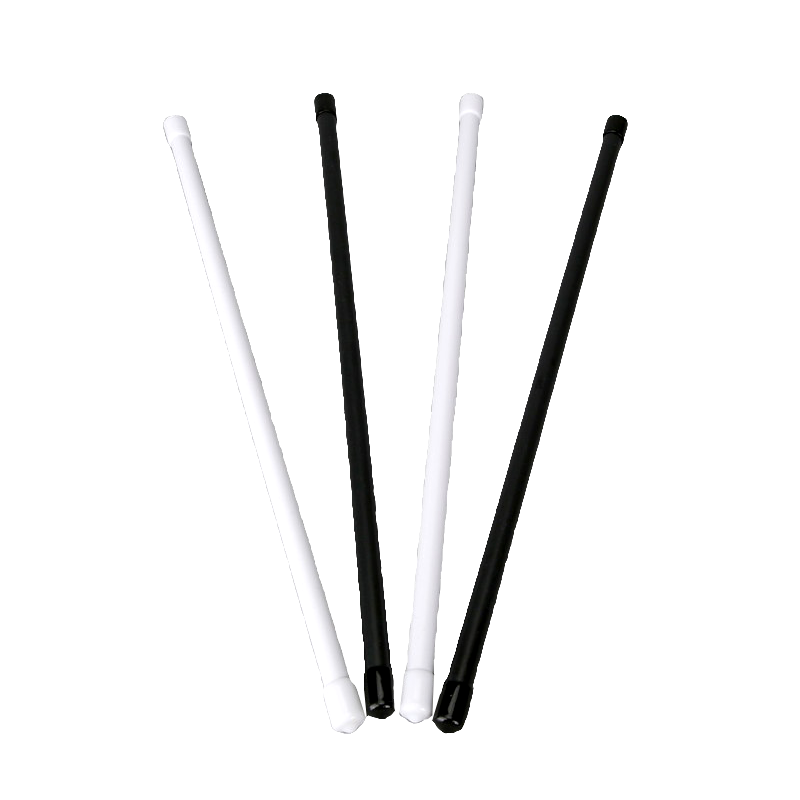
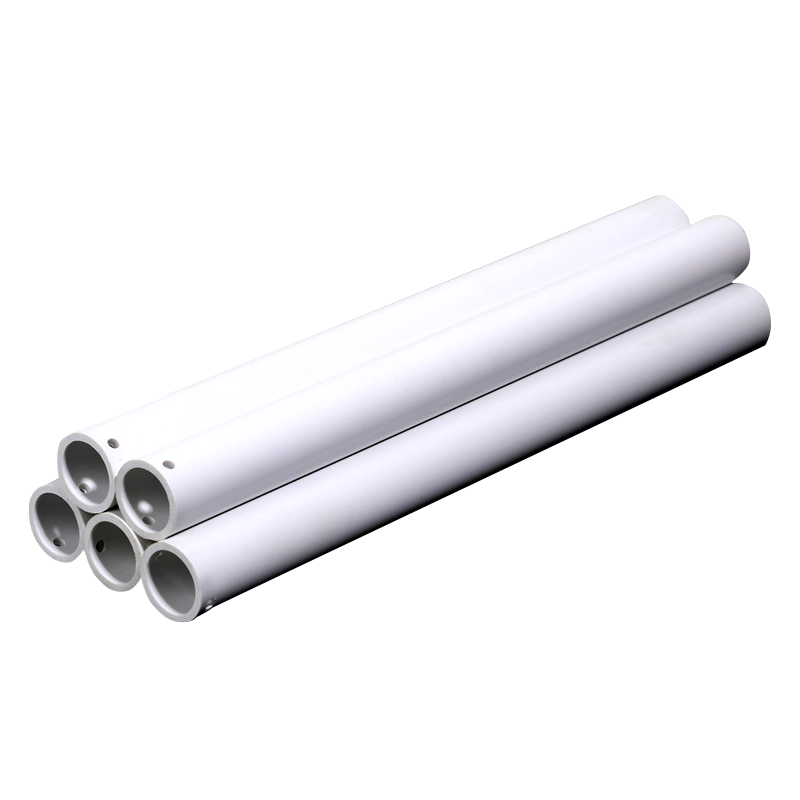
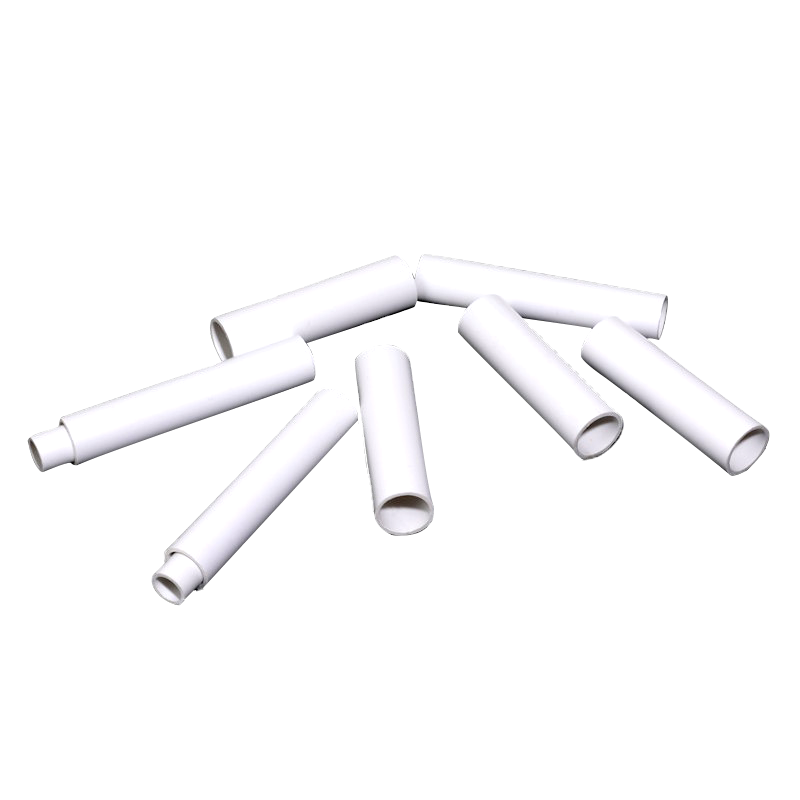
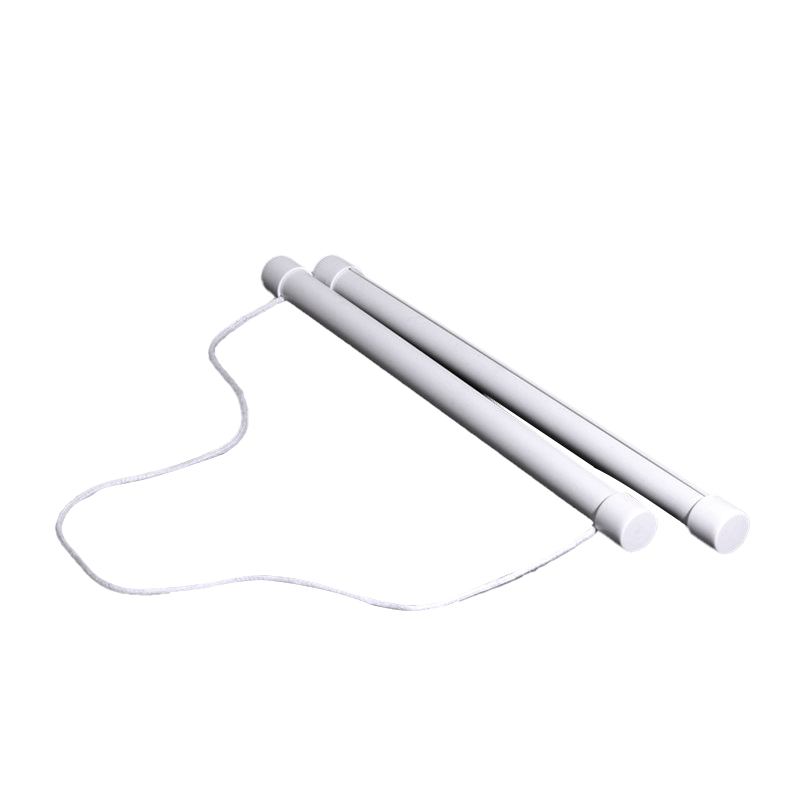
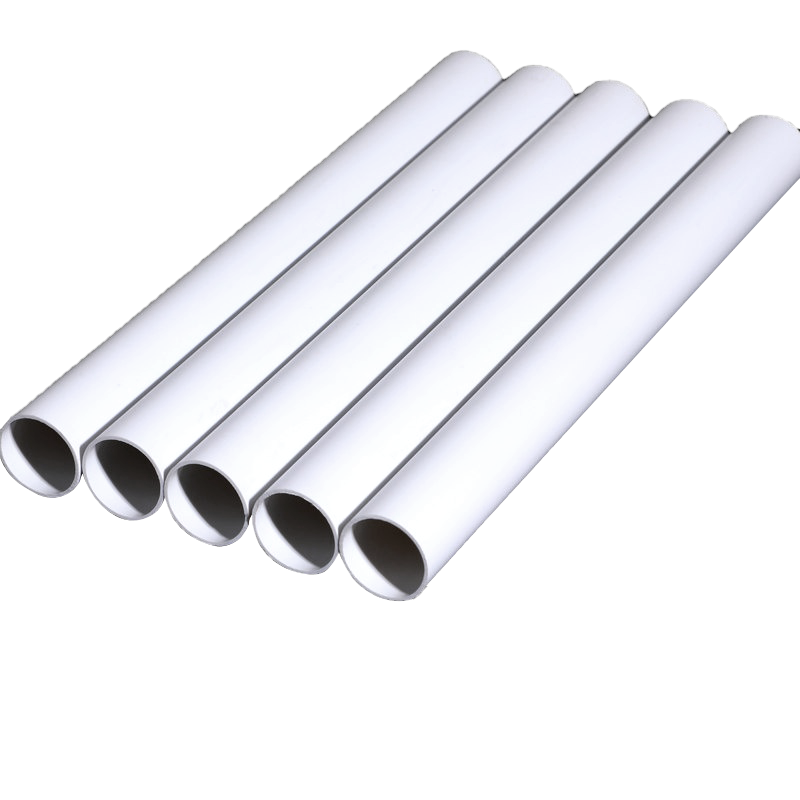
Choose a Flagpole Built for the Job
Recommended products
-
2023 New Cheap Plastic Pipe Multiple Colors And Sizes Custom Hand Waving Flagpole
-
Wholesale Custom Pvc Material Indoor Desktop Flagpole Hand Waving Flagpole
-
Customizable Size Custom Logo Plastics Hand Waving Flagpole Big Pvc Flagpole
-
Plastics Hand Waving Flagpole Factory Direct Custom Wholesale PVC Flagpole Parts Pipe
-
Custom Easy Install Safety Flagpole Pvc China Factory Hand Waving Flagpole
-
New Popular Product Transparent Pvc Flagpole Custom Size Hand Waving Flagpole
-
2023 High Quality Hand Waving Flagpole Big Or Small Flagpole Size Custom
-
Fast Delivery Promotion Factory Wholesale Flagpole Pvc Pipe Hand Waving Flagpole
-
2023 Personalized Custom Desk Hand Waving Flagpole Outdoor White Flagpole
-
Wholesale 2023 Hot Sale Used Flagpole Weight Custom Pvc Hand Waving Flagpole
-
Wholesale Products Cheap High Quality Hand Waving Flagpole Newest Sections Flagpole
-
Wholesale Cheap High-Quality Hot Sale Flagpole Cylindrical Hand Waving Flagpole

Follow Us:
Copyright © Tongxiang Guangyu Plastic Products Co., Ltd. Rights Reserved.
