
 +86-0573-88528475
 English
 русский
Search by posts
Product category
Industry News
 By Admin
How to Choose a PVC Flag Pole for High Wind Areas: Ratings, Height, and Custom Options
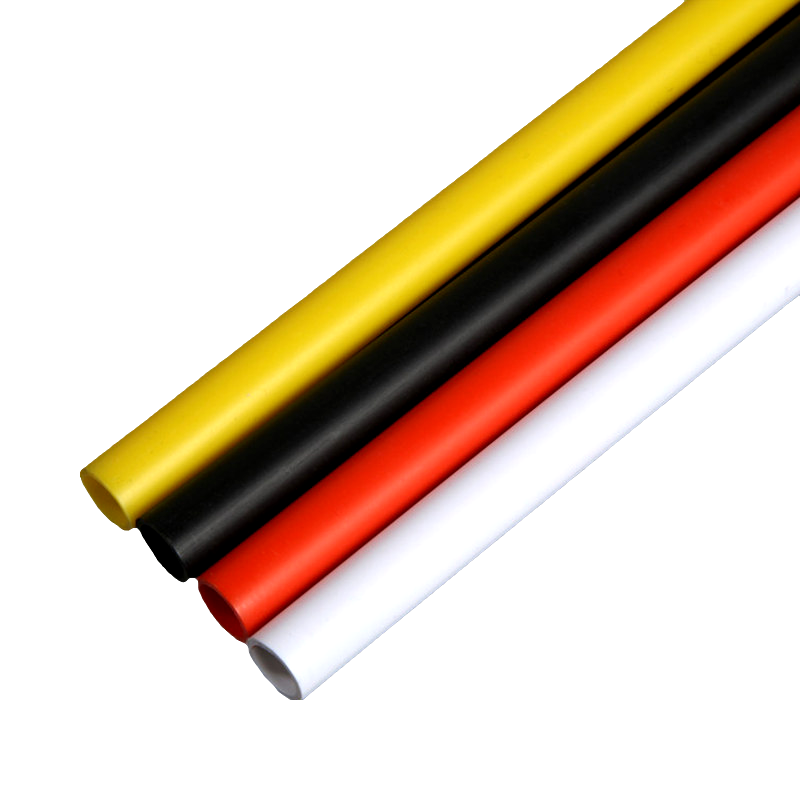
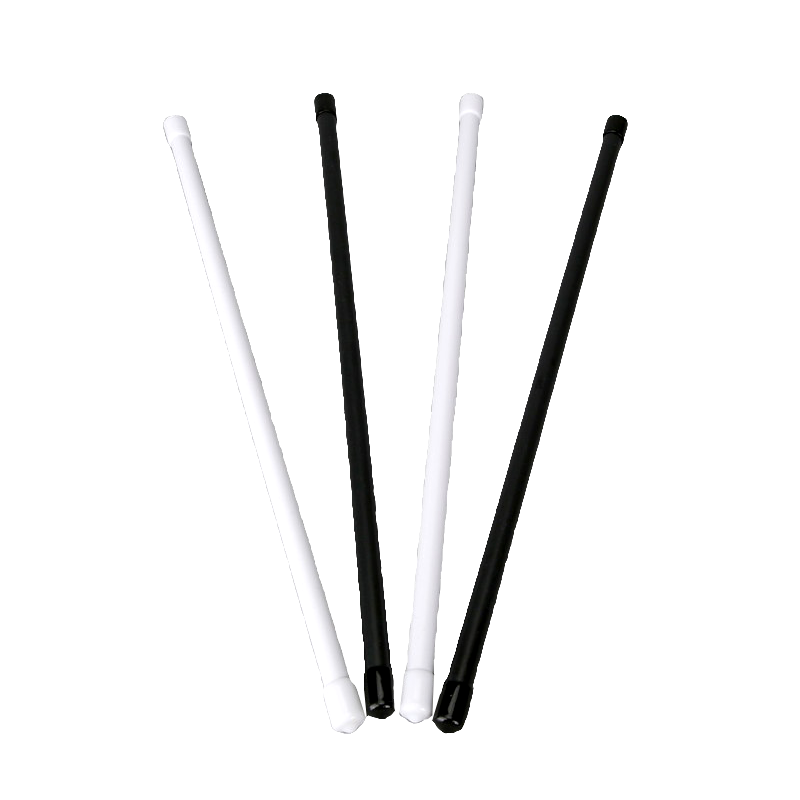
Fifteen miles inland from the coast, a 25-foot aluminum flagpole snapped cleanly in two during a storm that was not even a hurricane. The owner had not considered that steady wind is only half the problem. Gusts and turbulence around houses and trees create directional stress, and a pole that cannot flex under that stress fails at its weakest point. The same condition is common in open plains and lakefront lots. For high wind areas, a practical choice is a PVC extruded flagpole with the right wall thickness, height, and installation. PVC does not snap like brittle metal, does not corrode after saltwater exposure, and can be produced to exact custom dimensions at a factory-direct price. This is not a compromise for a temporary solution. It is an engineered answer to a known wind load problem. Manufacturers such as Tongxiang Guangyu Plastic Products offer PVC profiles that can be tailored for these conditions. Content Start with wind rating. A wind rating tells you the maximum steady speed at which the pole can hold a specified flag. In gusty areas, designers usually recommend a rated margin 20–30 percent above the local fastest-mile speed because gusts can exceed the average by that amount. Next, consider the pole's diameter and wall thickness. A thinner side wall means less stiffness per inch, but too much stiffness can act like a rigid lever and transfer stress to the foundation. PVC extrusions can be manufactured in a range of wall thicknesses to match a specific wind zone. Height is also critical. Taller poles see higher wind speeds and larger bending moments. A 20-foot pole in open terrain experiences a greater load than the same pole at 16 feet. Conversely, a shorter pole reduces the visible flag height and might not be acceptable for your use case. Use the table below as a starting point. Wind load is not a single steady push. It is the sum of a steady component and an oscillating component created by gusts. In open terrain, a gust can hit a tall pole with enough energy to make the top travel several inches. If the material is too rigid, that travel converts into a stress spike at the base. If the material is too soft, the pole wobbles and the flag starts to chafe. PVC extrusion can be tuned to land between those extremes. Remember that the table is only a general guideline. Local codes and structural engineering recommendations should always be followed. Metal poles fail in high wind for two reasons: they cannot absorb the cyclic stress of gusting, and they corrode at the weld or base. PVC extruded profile handles both differently. The material is viscoelastic—it deforms slightly under load and returns to shape. That flexing reduces the peak force transmitted to the ground and prevents the sharp stress concentration that causes fractures. In coastal applications, PVC is naturally resistant to salt air, so it does not develop rust spots or weaken at the anchor point. In addition, a PVC pole can be produced with a smooth finish that does not chafe the flag at the top, reducing wear on halyard lines and grommets. Another important property is impact resistance. Hail, debris, and the physical shock of a flagged pole being struck by windborne objects are all real risks. PVC profile resists that type of damage better than some alternatives because the material is not brittle at normal ambient temperatures. An additive package can be modified to keep this toughness at lower temperatures as well. Our safety-oriented flag pole design demonstrates how a factory-direct PVC profile can be configured for easier installation and reliable performance. The production process for PVC profiles also uses no paint or galvanizing, which is one reason the material has a favorable environmental profile. For high wind applications, we care about the product's lifecycle, and a pole that stays at original stiffness for years is more sustainable than one that needs replacement after a season. One of the biggest mistakes in high wind areas is choosing a taller pole than necessary. Wind speed increases with height, so a 30-foot pole may face 15 percent more wind load than a 20-foot pole in the same location. If the flag is not very large, the extra height reduces safety margins. Another mistake is using a flag that is too large for the pole. A larger flag creates more surface area for the wind to push against. A 5x8 foot flag on a 25-foot pole in 70 mph gusts imposes substantially more load than a 3x5 foot flag. When the flag is raised in high wind, it whips, adding dynamic forces that the pole must absorb without fatigue. A simple rule of thumb is to keep flag area below 1.5 square feet for every foot of pole height in exposed sites. A 20-foot pole then should not carry a flag larger than 30 square feet in a 70 mph gust zone. Checking the manufacturer's wind rating against that area is the fastest way to avoid an overloaded pole. For this reason, a custom-size extrusion is a real advantage. A pole can be cut to a specific length, with thickness adjusted for the wind load. Our plant produces custom-size wholesale outdoor flag poles for both retail and commercial use. The pole itself is only half the system. In high wind, the foundation and the way the pole is set into the ground are what keep it upright. A PVC flagpole should be installed in a sleeve that allows drainage and prevents the pole from being forced upward by ground moisture. The sleeve depth should be at least one-third of the exposed pole height, and the soil around it should be compacted or concrete fill must be used for very tall poles. If you are mounting a pole in soft, sandy coastal soil, a wider base is needed to resist overturning. If the flag is likely to whip in high wind, lowering it when storms are forecast takes the stress off the foundation. This is a simple rule that extends the life of any flagpole, regardless of material. When you pour a concrete collar, angle the top of the collar slightly so water runs away from the sleeve. If the sleeve is sealed, moisture can collect and expand during freezing cycles, which pushes the pole upward. This is a common cause of failure in cold, windy climates. For mobile uses, such as on vehicles or off-road equipment, a performance PVC profile with a sturdy holder can provide reliable high wind behavior in a portable format. When a wind zone is unusually demanding, the best approach is to specify the exact profile you need. Our factory can adjust raw material formulation to improve low-temperature toughness, which matters when high wind is accompanied by freezing weather. We can also produce a matte or gloss finish and any color requested, including black or white, with custom dimensions and wall thickness for the pole. A factory-direct relationship means you skip the importer and get a product made to your specification. It also means the pole can be manufactured to allow for particular accessories, such as a mounting bracket, a car off-road holder, or a custom sleeve. This is especially useful for businesses that need to equip many vehicles or event spaces with reliable flags in windy conditions. The ability to choose wall thickness is especially valuable when a pole will be used in a zone with frequent gales. A thicker wall increases stiffness and reduces deflection, but it also adds weight. For a portable flagpole, a moderate wall thickness paired with a short length can provide the same practical stability as a heavier pole. The expected lifespan of a PVC flagpole in properly managed settings is often longer than that of aluminum or wood because the material never rusts and does not rot. This is a significant factor in high wind zones where replacement is disruptive.What to Look for in a Flag Pole for High Wind Areas
Gust Speed
Typical Location
Recommended Flag Pole Strategy
60–80 mph
Inland, open suburbs
Use a reinforced PVC profile, at least 16 ft, with a sturdy base and a smaller flag.
80–100 mph
Coastal, exposed lots
Choose a thicker wall PVC extrusion, increase foundation depth, and lower the flag in storms.
100+ mph
Hurricane-prone regions
Plan to remove or lower the flag and consider a telescoping PVC pole that can be retracted in extreme events.
Why PVC Profiles Are a Practical Choice for High Wind
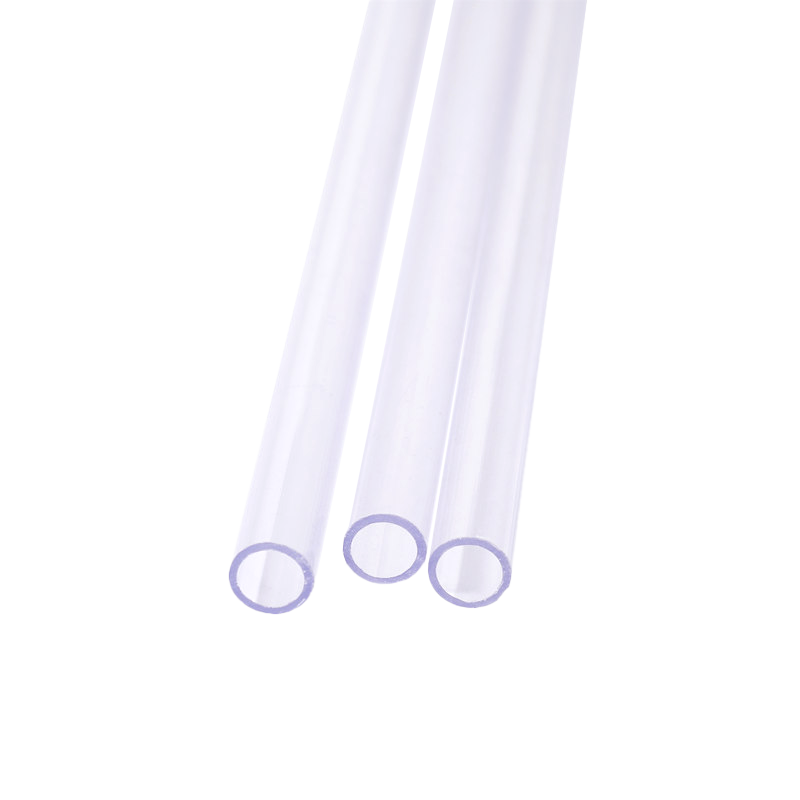
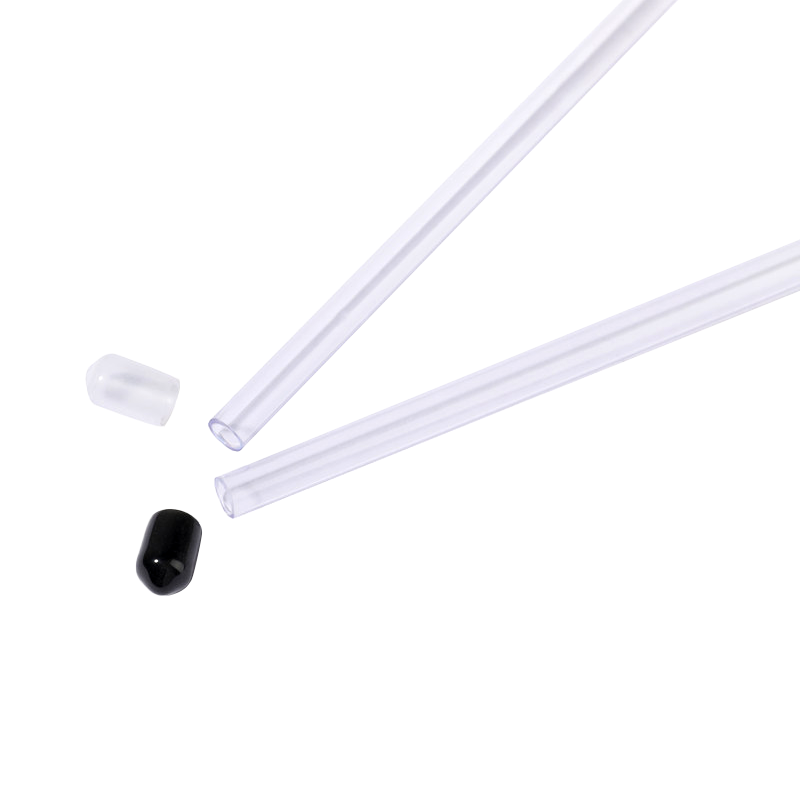
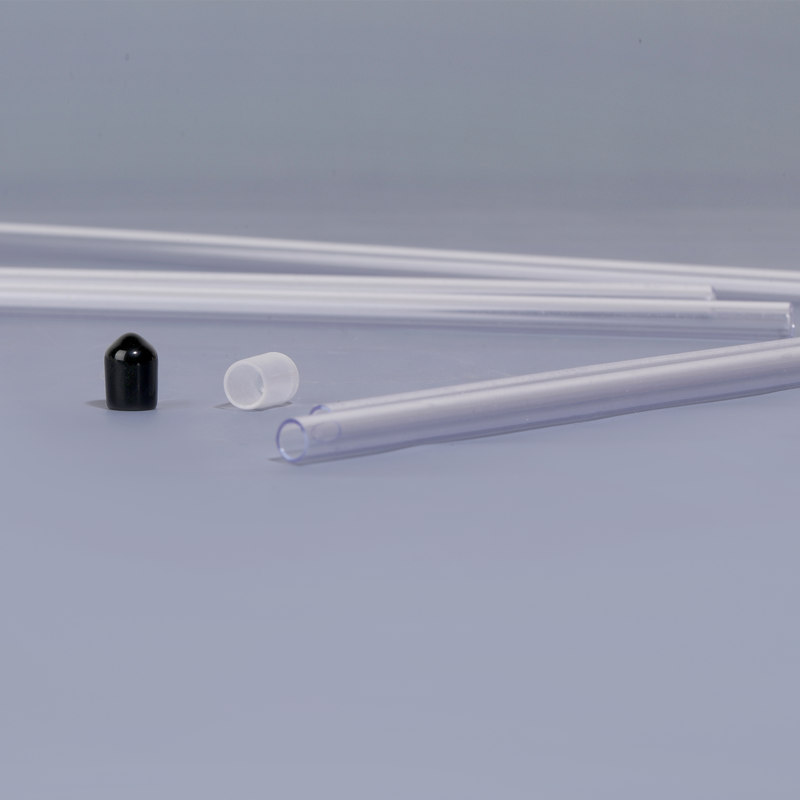 Transparent Custom-Size PVC Hand Waving FlagpoleThis transparent plastic flagpole is lightweight and customizable in size and color, making it easy to install and suitable for sports events with a factory-direct supply.View Product →
Size, Height, and Flag Load
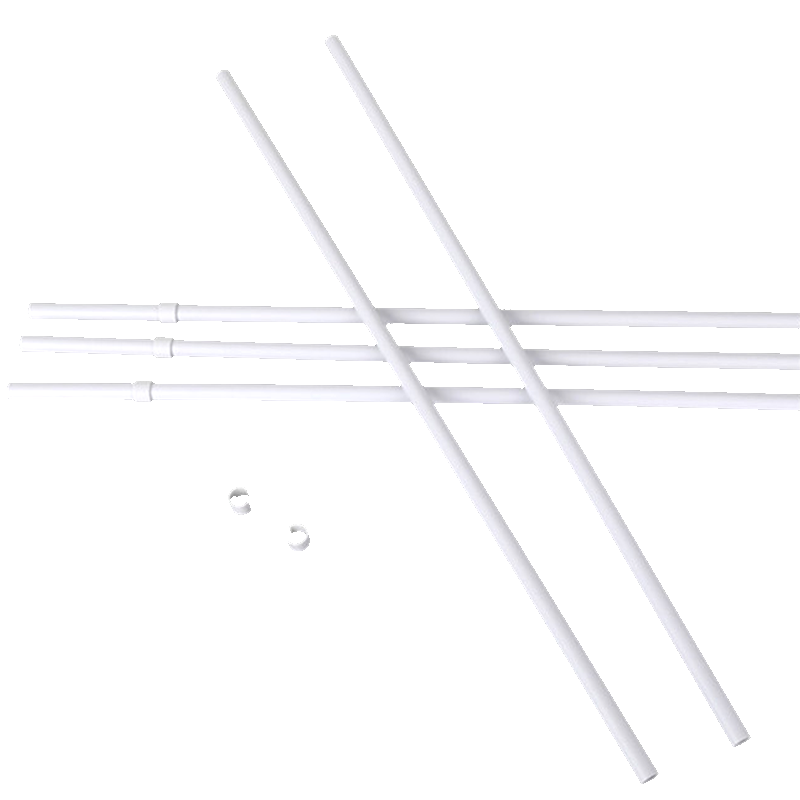
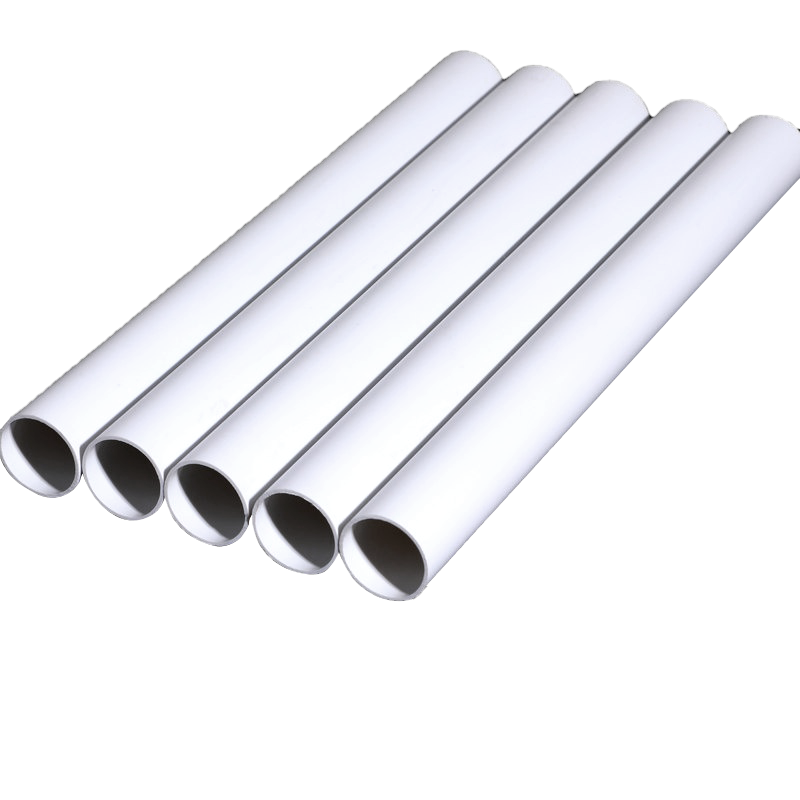
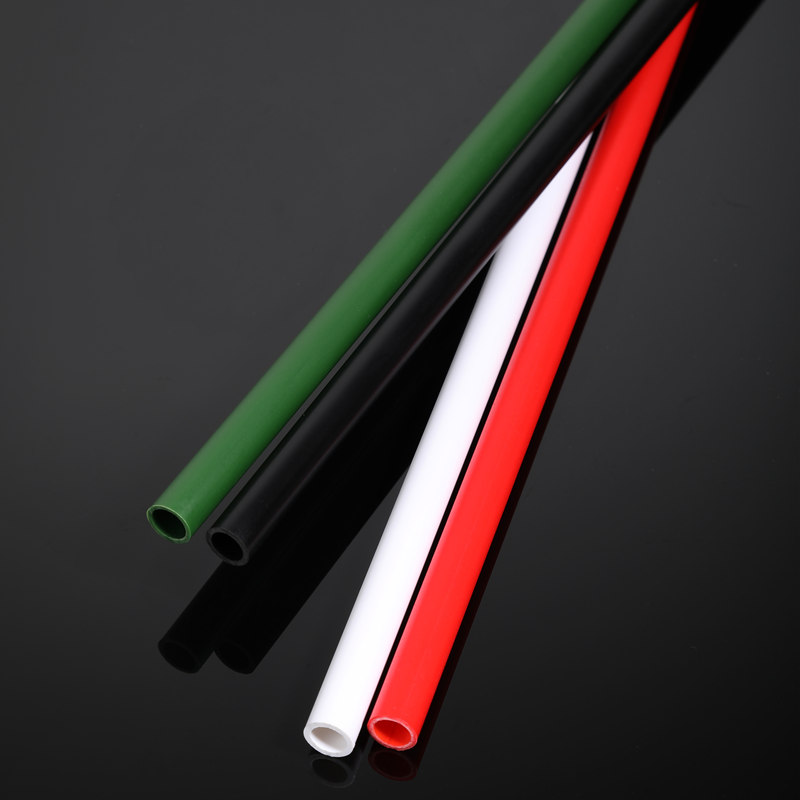 Custom-Size Outdoor Hand Waving Flagpole for WholesaleA custom-extruded PVC flagpole that can be cut to specific lengths and thicknesses for wind load, ideal for retail and commercial outdoor use with OEM support.View Product →
Installation Matters in High Wind Areas
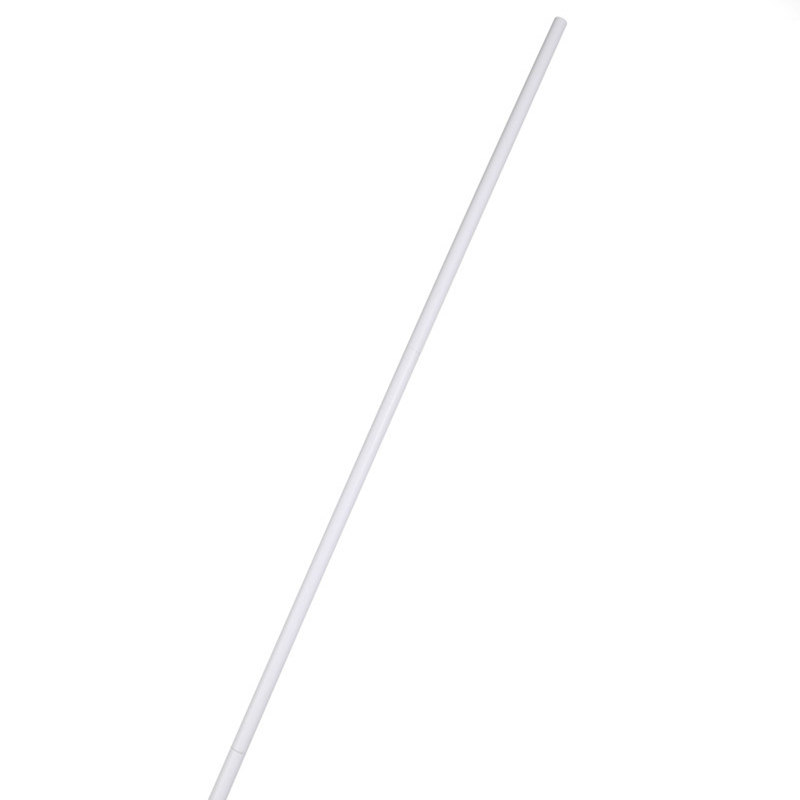 Custom Indoor Outdoor PVC Flagpole for Car Offroad UseThis hot-sale flagpole is designed for mobile use on vehicles or off-road equipment, with customizable dimensions, color, and finish for reliable high-wind performance.View Product →
Custom Options and Factory-Direct Supply
Recommended products
-
2023 New Cheap Plastic Pipe Multiple Colors And Sizes Custom Hand Waving Flagpole
-
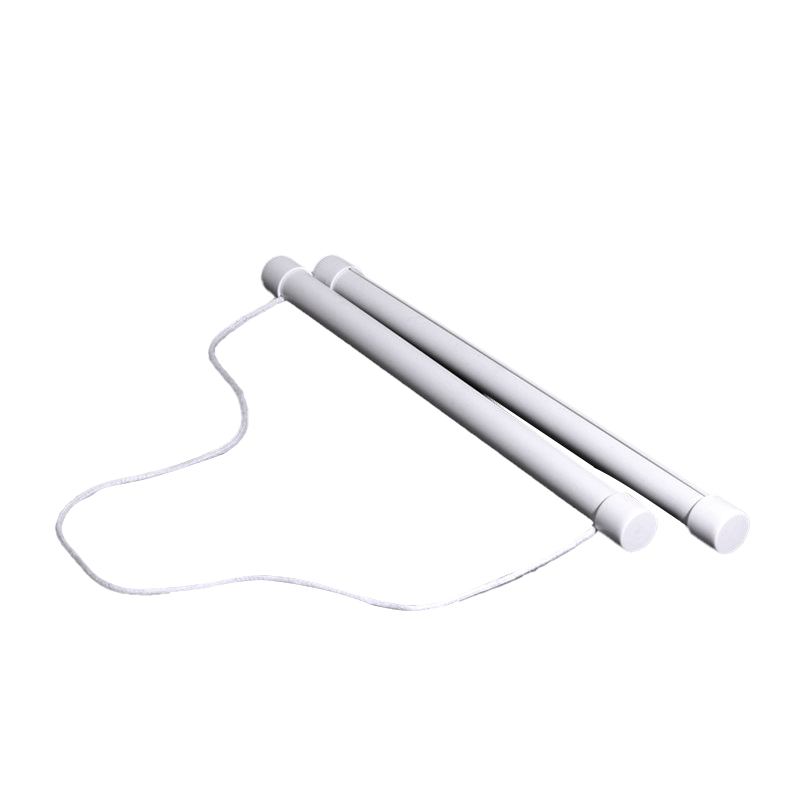
Wholesale Custom Pvc Material Indoor Desktop Flagpole Hand Waving Flagpole
-
Customizable Size Custom Logo Plastics Hand Waving Flagpole Big Pvc Flagpole
-
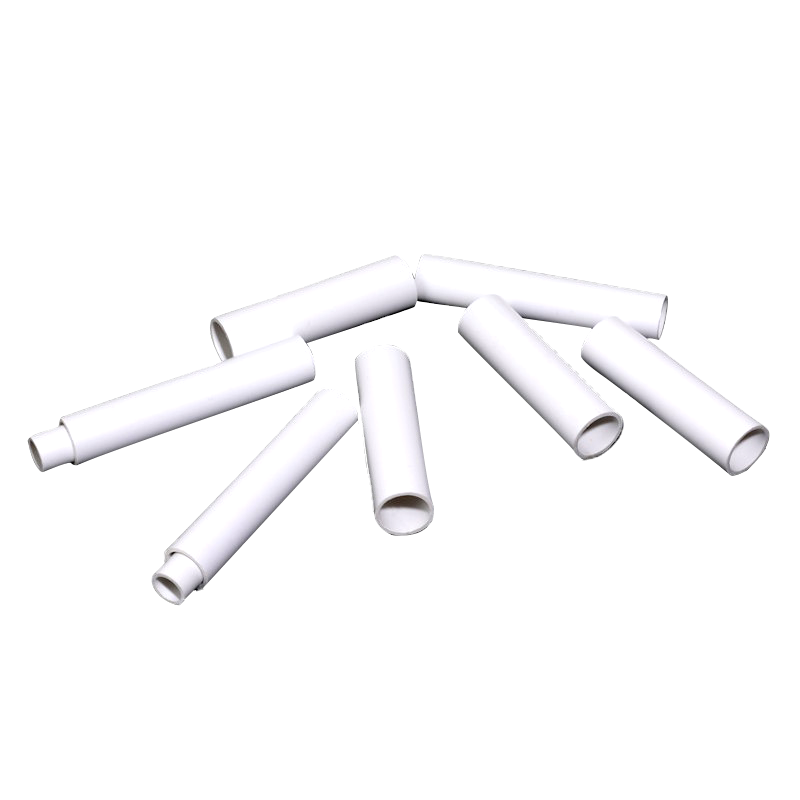
Plastics Hand Waving Flagpole Factory Direct Custom Wholesale PVC Flagpole Parts Pipe
-
Custom Easy Install Safety Flagpole Pvc China Factory Hand Waving Flagpole
-
New Popular Product Transparent Pvc Flagpole Custom Size Hand Waving Flagpole
-
2023 High Quality Hand Waving Flagpole Big Or Small Flagpole Size Custom
-
Fast Delivery Promotion Factory Wholesale Flagpole Pvc Pipe Hand Waving Flagpole
-
2023 Personalized Custom Desk Hand Waving Flagpole Outdoor White Flagpole
-
Wholesale 2023 Hot Sale Used Flagpole Weight Custom Pvc Hand Waving Flagpole
-
Wholesale Products Cheap High Quality Hand Waving Flagpole Newest Sections Flagpole
-
Wholesale Cheap High-Quality Hot Sale Flagpole Cylindrical Hand Waving Flagpole
Follow Us:
Copyright © Tongxiang Guangyu Plastic Products Co., Ltd. Rights Reserved.
