
 +86-0573-88528475
 English
 русский

Search by posts
Product category
Industry News
 By Admin
How to Attach a Flag to a Flagpole: Snap Hooks, Sleeves, Caps and Ties
A flag that slides halfway down the pole during a parade, or one that wraps itself around the halyard in the first real gust, is almost always an attachment problem rather than a flag problem. The flag is fine. The way it is fixed to the pole is not. The correct fix depends on the pole you own. Rope-and-halyard poles use two snap hooks set at the flag's grommet span and a cleat hitch to lock the rope. One-piece plastic pipe poles, the type used for hand-waving, walking and vehicle display, need something different: a sewn sleeve, a retaining end cap and a small tie to stop the fabric creeping down the pipe. Get the hardware and the tolerances right once and the flag stays where you put it for a full season of wind. Content Attachment hardware follows the pole design, not the flag design. A sleeve flag on a halyard pole will flap loose, and a grommet flag on a handheld PVC pipe has nothing to clip onto. Most buyers meet one of four setups. Halyard poles do part of the work for you: the rope runs inside or beside the pole and the flag hangs from two points on that rope. Work with the halyard slack and locked, so it cannot run away while your hands are busy. Hook spacing is the tolerance that matters most. Set the hooks wider than the grommet span and the flag hangs slack, so the corners take all the wear. Set them narrower and the fabric bunches, and the fly end never fills properly. On a 5 ft flag, a 10 mm mismatch is visible from the ground. A flag that wraps around the halyard in light air usually needs a tether rather than more tension. A short elastic cord or a pair of flag clips keeps the fabric close to the pole and stops it spinning. In sustained wind the load shifts from the hardware to the pole itself, so it is worth understanding how plastic flagpoles behave under bending and stress before you hang an oversized flag on a slim pipe. Hand-waving and display poles are normally one continuous piece of tube with no halyard, so the flag attaches through a sewn sleeve, also called a pole pocket. There is no rope, no cleat and no pulley, which means every part of the attachment has to be mechanical and every tolerance shows up immediately. Most complaints about sleeve poles trace back to a missing end cap or an oversized sleeve. A cap costs very little and removes the single most common failure on hand-waving poles. Buying poles and flags as a matched set removes the guesswork entirely, and a supplier that extrudes its own pipe can hold one outside diameter across a whole order. Where the sleeve is already stitched to a standard size, ordering pipe to match that sleeve is faster and cheaper than re-stitching the flag. Portable poles are handled roughly. They get waved, dropped, packed into a car boot and used again the following weekend. The attachment design has to assume that treatment from the start. A walking mount adds a base section, belt cup or bracket so the pole stays upright while the carrier keeps both hands free, and the sleeve still carries the whole load. For that reason the bottom hem should be reinforced with a double stitch or a tie, and the pipe should be capped. Check that the mount and the sleeve accept the same pipe diameter, because mismatched base sections are a common ordering error when parts come from different suppliers. Vehicle display poles take the highest vibration loads of any setup. A cable tie alone will work loose as the pipe vibrates against a window frame, so use a retaining cap plus a tight hem, and pay more attention to pipe wall thickness than to diameter. A slightly thicker wall resists the constant flexing at the hem line far better than a thin pipe of the same outside diameter. Attachment only works if the pole survives. PVC pipe is light, does not corrode and can be coloured through the wall rather than painted, which suits outdoor and vehicle use, but the compound matters as much as the hardware. Compound selection is the variable most buyers overlook when they compare quotations, and it is the one that decides whether a pole still looks new after two seasons. A useful reference on material choices for plastic pipe flagpoles covers the main options and their trade-offs. For poles that live outside year round, on a vehicle or in a shop window, a PVC profile pole built for indoor and outdoor mounting is the practical starting point, provided the compound is specified for the climate. Attachment failures at the customer's end are usually specification failures at the ordering stage. Confirm these details in writing rather than assuming them. A tolerance of one or two millimetres on the pipe diameter is enough to make a sleeve either slide freely or seize, so batch consistency is worth confirming with a sample before a wholesale order is placed. Attaching a flag to a flagpole comes down to one question: does the pole use a halyard or a sleeve? Halyard poles need two snap hooks set at the measured grommet span and a cleat hitch that will not slip. Sleeve poles need a sleeve 5 to 10 mm wider than the pipe, a capped top, and a light tie at the bottom hem. Everything else, from tether cords to wall thickness, exists to keep those three details working through wind, rain and repeated handling. If the poles and flags are being bought together, specify the pipe diameter, sleeve width and flag size as a single matched set, and ask for the compound to match the climate the poles will be used in.Match the Attachment Method to the Pole Type
Pole type
How the flag attaches
Hardware needed
Typical use
Halyard pole with internal or external rope
Snap hooks clipped through the flag grommets
Rope, two snap hooks, cleat, optional tether
Fixed outdoor poles, 15 to 30 ft
Sleeve or pole pocket
Pipe slides through a sewn fabric sleeve
End cap or plug, optional bottom tie
Hand-waving, parade and walking poles
Grommet-only flag
Cable ties or small carabiners through the grommets
UV-stable cable ties
Small display poles, temporary setups
Vehicle or mount pole
Sleeve plus a bracket or retaining cap
Mount bracket, end cap, cable tie
Car, off-road and window display
Attaching a Flag to a Rope and Halyard Pole
Attaching a Flag to a Sleeve or Pole-Cap Flagpole
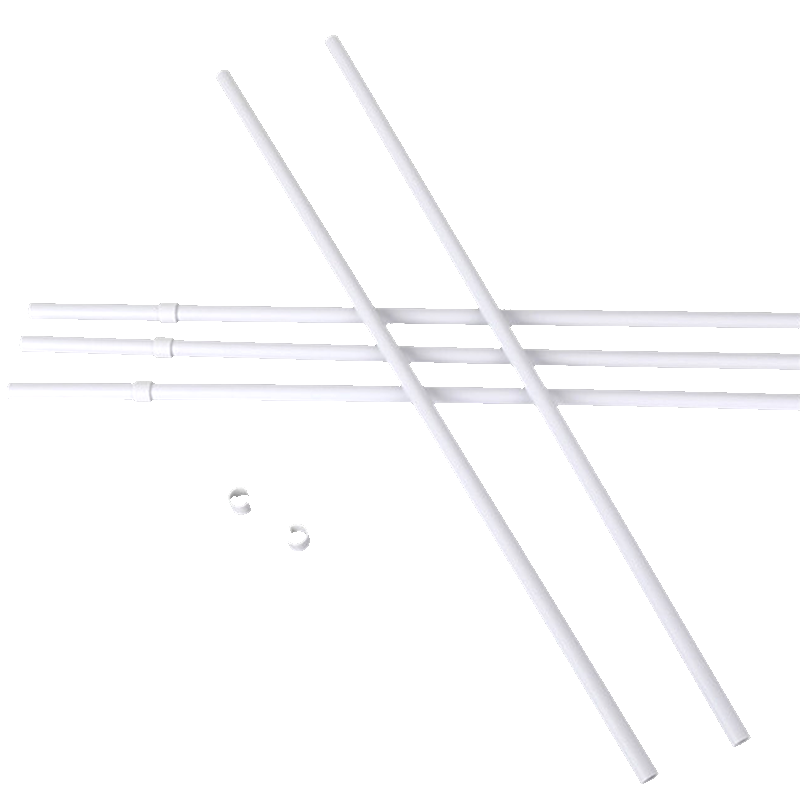
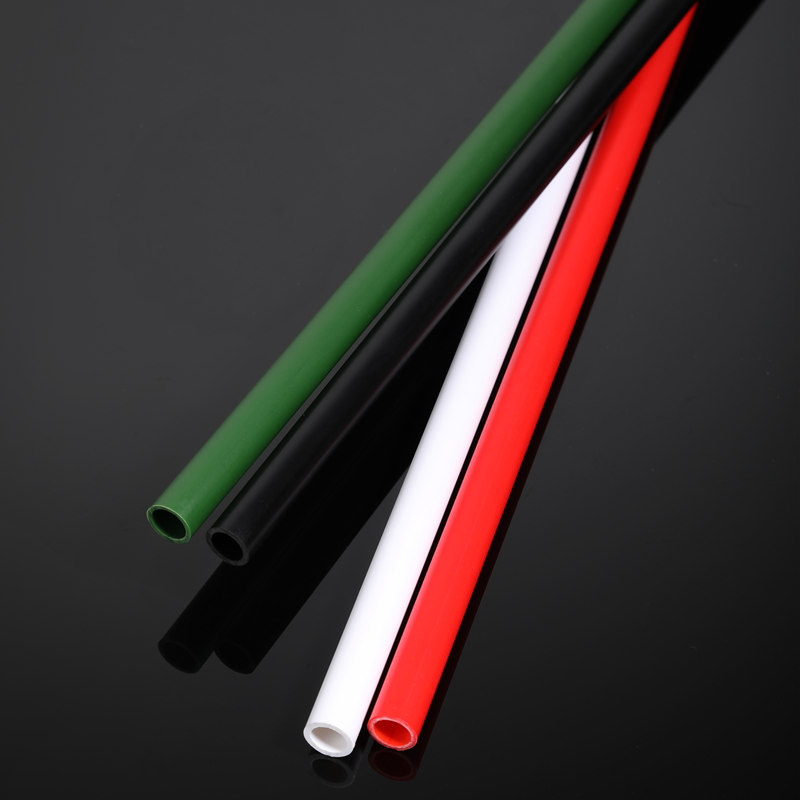 Custom Size Wholesale Outdoor Hand-Waving FlagpoleA customizable plastic hand-waving flagpole for flags; useful when matching pipe to an existing sleeve without restitching the flag.View Product →
Poles for Walking, Parades and Vehicle Display
Walking and parade mounts
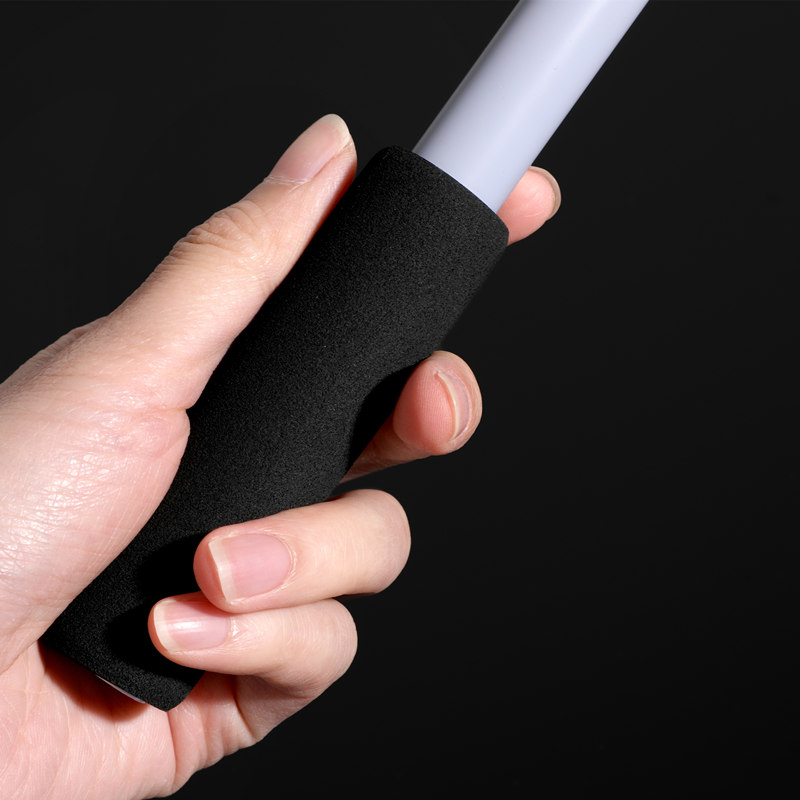 Festival Walking Mount Personalized Hand-Waving FlagpoleA customizable plastic hand-waving flagpole for walking mounts, with personalized design options and OEM/ODM service for flag combinations.View Product →
Vehicle and window poles
Choose the Pole Material for the Weather It Will See
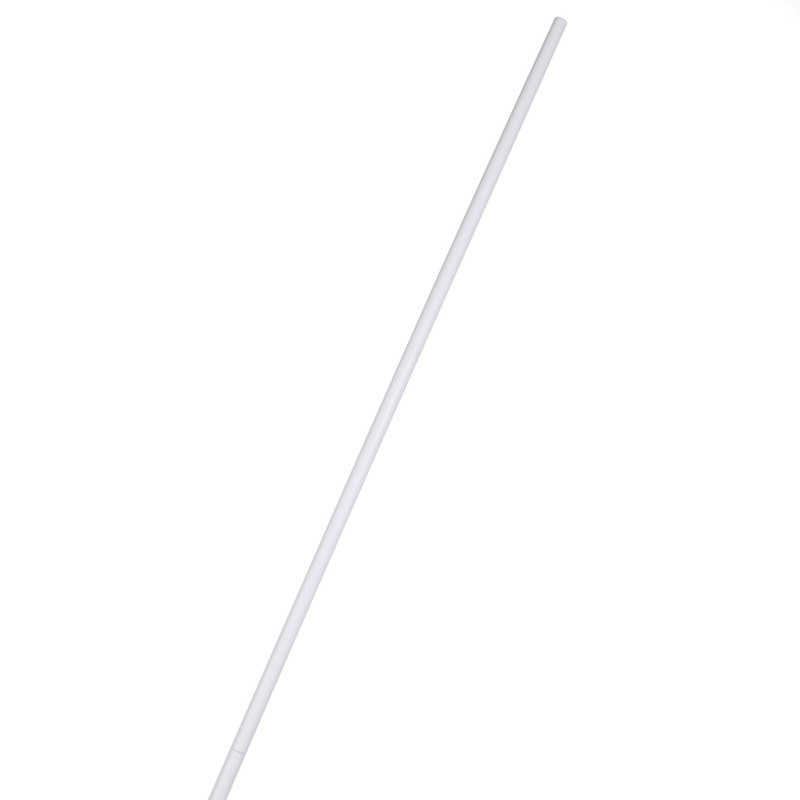 Custom Indoor Outdoor Hand-Waving Flagpole for Car and OffroadA customizable plastic hand-waving flagpole for flags, suited to indoor/outdoor and car or offroad use where mounting specifications should be confirmed.View Product →
Specifications to Confirm Before You Order
Recommended products
-
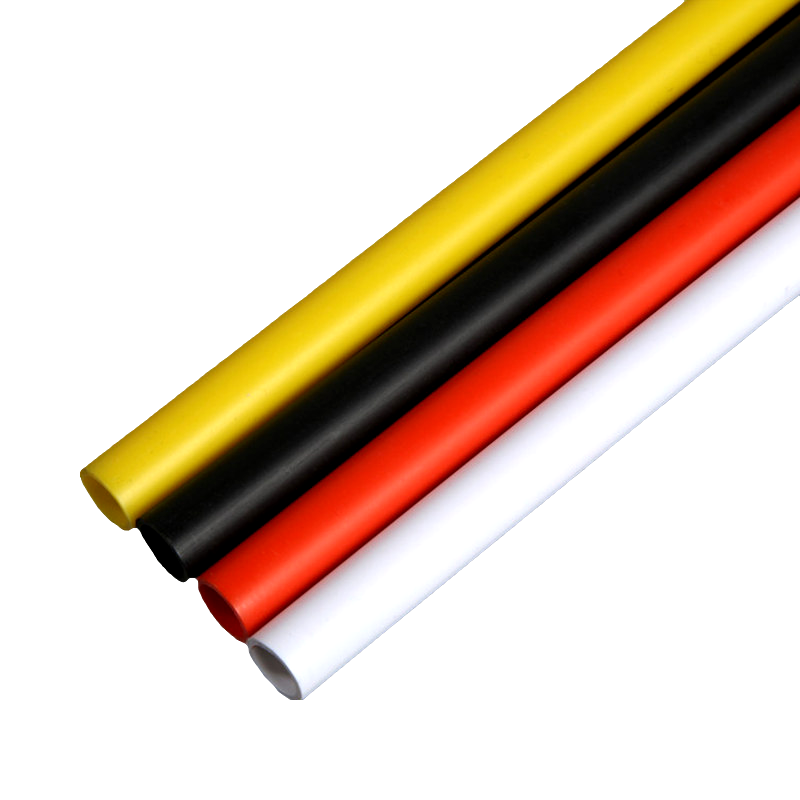
2023 New Cheap Plastic Pipe Multiple Colors And Sizes Custom Hand Waving Flagpole
-
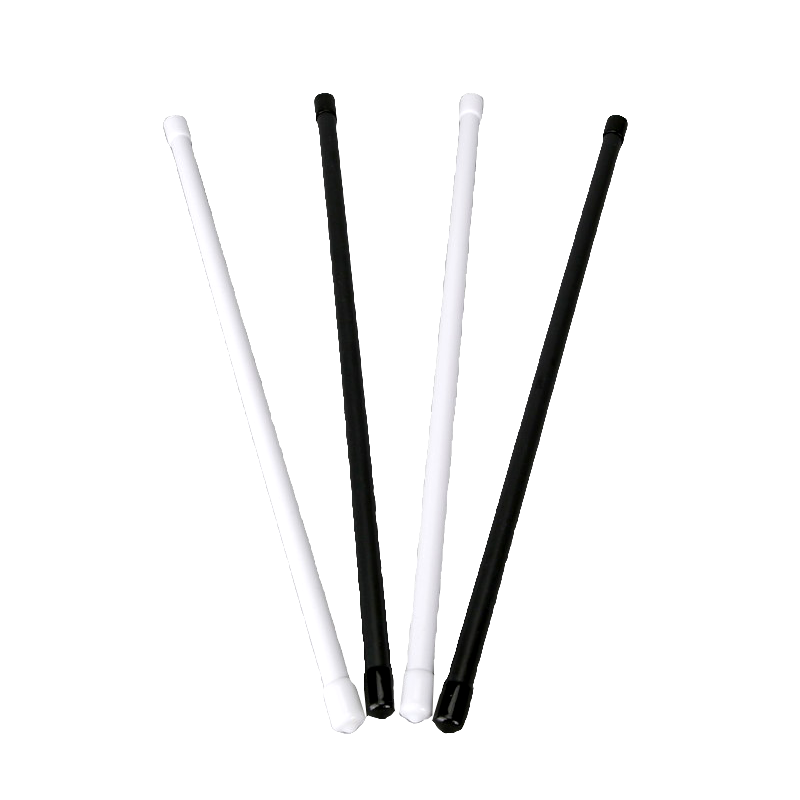
Wholesale Custom Pvc Material Indoor Desktop Flagpole Hand Waving Flagpole
-
Customizable Size Custom Logo Plastics Hand Waving Flagpole Big Pvc Flagpole
-
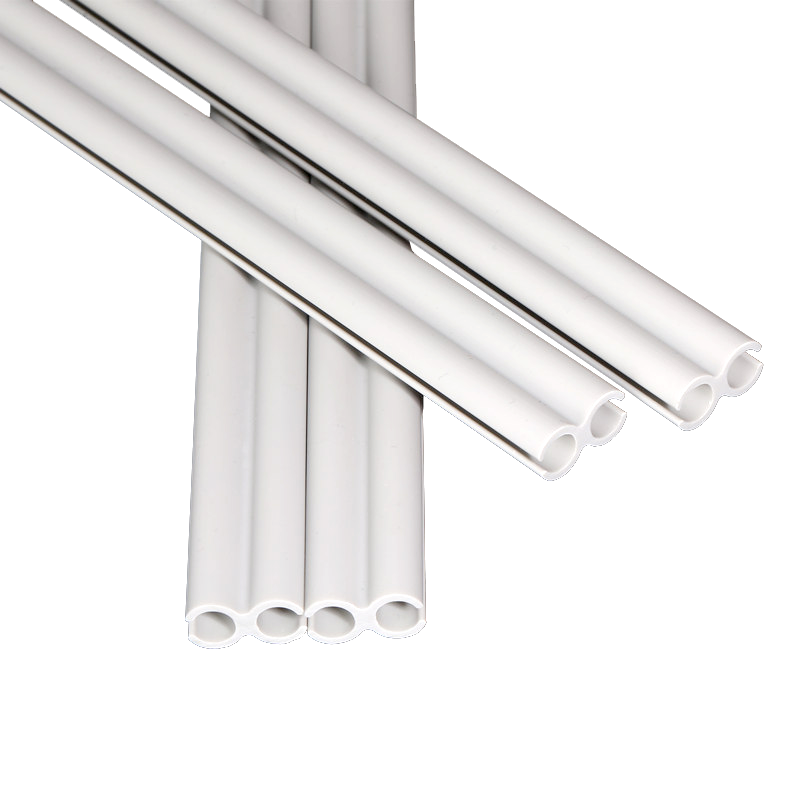
Plastics Hand Waving Flagpole Factory Direct Custom Wholesale PVC Flagpole Parts Pipe
-
Custom Easy Install Safety Flagpole Pvc China Factory Hand Waving Flagpole
-
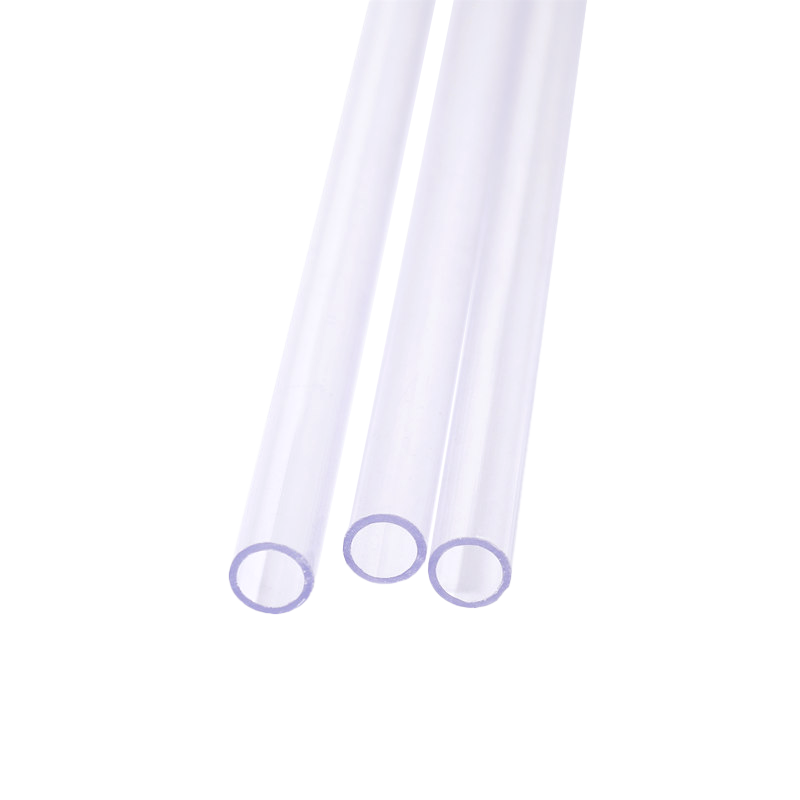
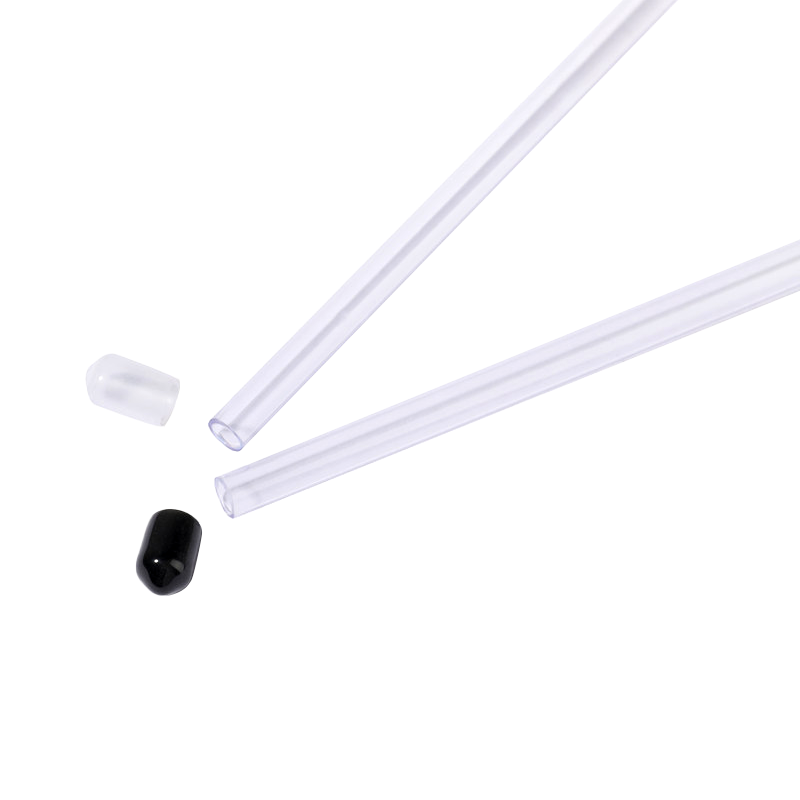
New Popular Product Transparent Pvc Flagpole Custom Size Hand Waving Flagpole
-
2023 High Quality Hand Waving Flagpole Big Or Small Flagpole Size Custom
-
Fast Delivery Promotion Factory Wholesale Flagpole Pvc Pipe Hand Waving Flagpole
-
2023 Personalized Custom Desk Hand Waving Flagpole Outdoor White Flagpole
-
Wholesale 2023 Hot Sale Used Flagpole Weight Custom Pvc Hand Waving Flagpole
-
Wholesale Products Cheap High Quality Hand Waving Flagpole Newest Sections Flagpole
-
Wholesale Cheap High-Quality Hot Sale Flagpole Cylindrical Hand Waving Flagpole
Follow Us:
Copyright © Tongxiang Guangyu Plastic Products Co., Ltd. Rights Reserved.
