
 +86-0573-88528475
 English
 русский
Search by posts
Product category
Industry News
 By Admin
How can a high-quality hand-held flagpole be both lightweight and sturdy?
Content
- 1 Understanding the Core Challenge of Lightweight and Sturdy Design
- 2 Material Selection as the Foundation of Quality
- 3 Structural Engineering That Enhances Strength Without Bulk
- 4 Surface Treatments That Improve Durability
- 5 Ergonomic Design for Extended Use
- 6 Manufacturing Precision and Quality Control
- 7 Comparison of Common Materials Used in Hand Waving Flagpoles
- 8 Why Balance Matters for Long-Term Value
Understanding the Core Challenge of Lightweight and Sturdy Design
Creating a high quality hand waving flagpole requires solving a fundamental engineering challenge: how to reduce weight without sacrificing strength. Users expect a flagpole that is easy to carry and wave for extended periods, yet durable enough to withstand repeated motion, wind resistance, and frequent use. Achieving both goals simultaneously involves careful consideration of materials, structure, and manufacturing processes.
Unlike fixed flagpoles, hand-held flagpoles are constantly in motion. This dynamic use amplifies stress at connection points and along the shaft. A well-designed product distributes this stress evenly while maintaining a slim, lightweight profile that feels comfortable in the hand.
Material Selection as the Foundation of Quality
Material choice is the single most important factor in determining whether a hand waving flagpole can be both lightweight and sturdy. High quality hand waving flagpoles avoid overly soft plastics or heavy metals, instead focusing on materials that provide an optimal strength-to-weight ratio.
Aluminum Alloys for Balanced Performance
Aluminum alloys are widely used in premium hand-held flagpoles because they offer excellent rigidity with minimal weight. Compared to steel, aluminum is significantly lighter while still resisting bending and corrosion. Carefully selected alloys further enhance durability without increasing thickness.
Fiberglass and Composite Alternatives
For applications that require flexibility as well as strength, fiberglass and composite materials are popular choices. These materials absorb vibration during waving motions, reducing user fatigue and minimizing the risk of cracking. When engineered correctly, composites provide long-term stability even under repeated stress.
Structural Engineering That Enhances Strength Without Bulk
Beyond materials, the internal structure of a high quality hand waving flagpole plays a crucial role in its performance. Smart engineering allows manufacturers to reinforce stress points without adding unnecessary mass.
Optimized Wall Thickness
Rather than using uniform thickness throughout the shaft, advanced designs vary wall thickness strategically. Areas that experience higher bending forces are reinforced, while low-stress sections remain thin. This approach maintains overall strength while keeping the flagpole lightweight.
Seamless or Reinforced Joints
Connection points are often the weakest parts of hand-held flagpoles. High quality models use seamless construction or reinforced joints to prevent wobbling or breakage. These joints are designed to transfer force smoothly along the pole instead of concentrating stress in one area.
Surface Treatments That Improve Durability
Surface finishing contributes not only to appearance but also to structural integrity. A high quality hand waving flagpole uses coatings that protect the core material while maintaining a smooth, comfortable feel.
- Anodized aluminum surfaces resist corrosion and scratches without adding weight.
- UV-resistant coatings prevent material degradation during outdoor events.
- Smooth finishes reduce hand friction, improving comfort during long use.
Ergonomic Design for Extended Use
Lightweight strength alone is not enough. A high quality hand waving flagpole must feel balanced and comfortable in the user’s hand. Ergonomic considerations ensure that the pole can be waved repeatedly without causing strain.
Handle diameter, grip texture, and overall length all influence how weight is perceived. Even a strong pole can feel heavy if poorly balanced, while a well-designed pole distributes weight evenly and feels lighter than it actually is.
Manufacturing Precision and Quality Control
Precision manufacturing ensures consistency across every unit. High quality hand waving flagpoles are produced with tight tolerances, preventing weak spots and ensuring predictable performance.
Quality control processes such as stress testing, bend testing, and surface inspection verify that each flagpole meets design standards. These steps reduce the risk of failure during real-world use.
Comparison of Common Materials Used in Hand Waving Flagpoles
| Material | Weight | Strength | Typical Use |
| Aluminum Alloy | Light | High | Events and promotions |
| Fiberglass | Medium | High flexibility | High-motion waving |
| Plastic | Very light | Low | Short-term use |
Why Balance Matters for Long-Term Value
A high quality hand waving flagpole that successfully balances lightweight design and sturdiness delivers long-term value. Users experience less fatigue, fewer replacements, and better overall performance. For brands and event organizers, this balance also reflects professionalism and attention to detail.
Ultimately, lightweight and sturdy are not opposing qualities when engineering, materials, and design are aligned. A thoughtfully designed flagpole proves that strength does not have to come at the expense of comfort or portability.
Recommended products
-
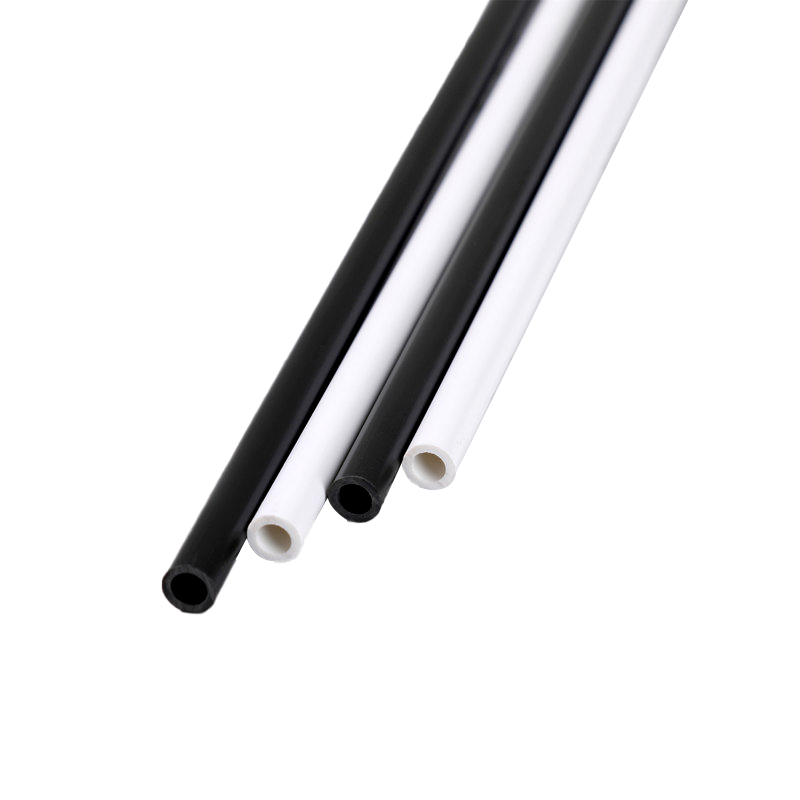
2023 New Cheap Plastic Pipe Multiple Colors And Sizes Custom Hand Waving Flagpole
-
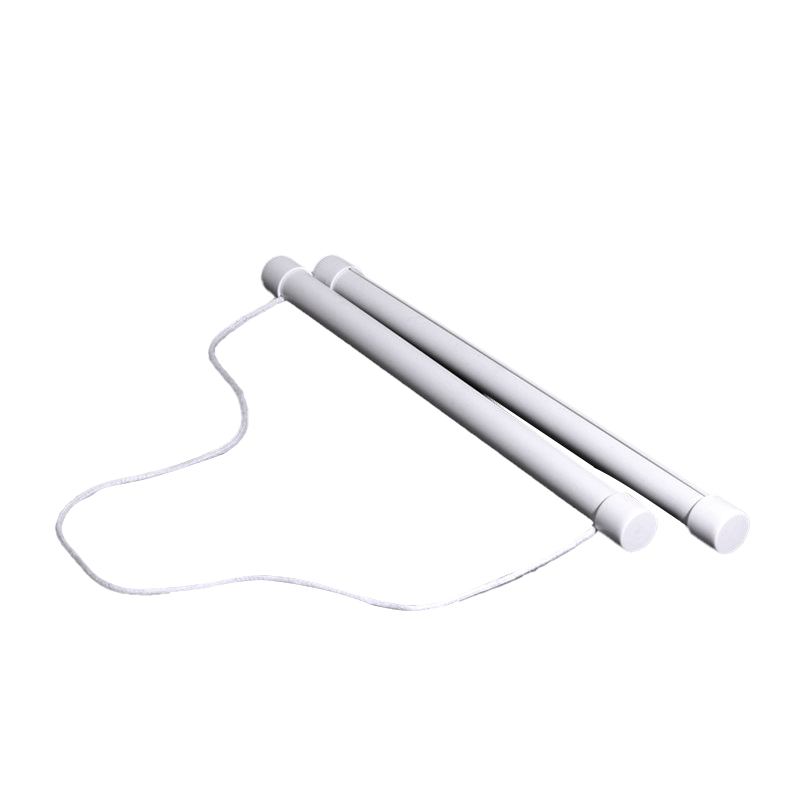
Wholesale Custom Pvc Material Indoor Desktop Flagpole Hand Waving Flagpole
-
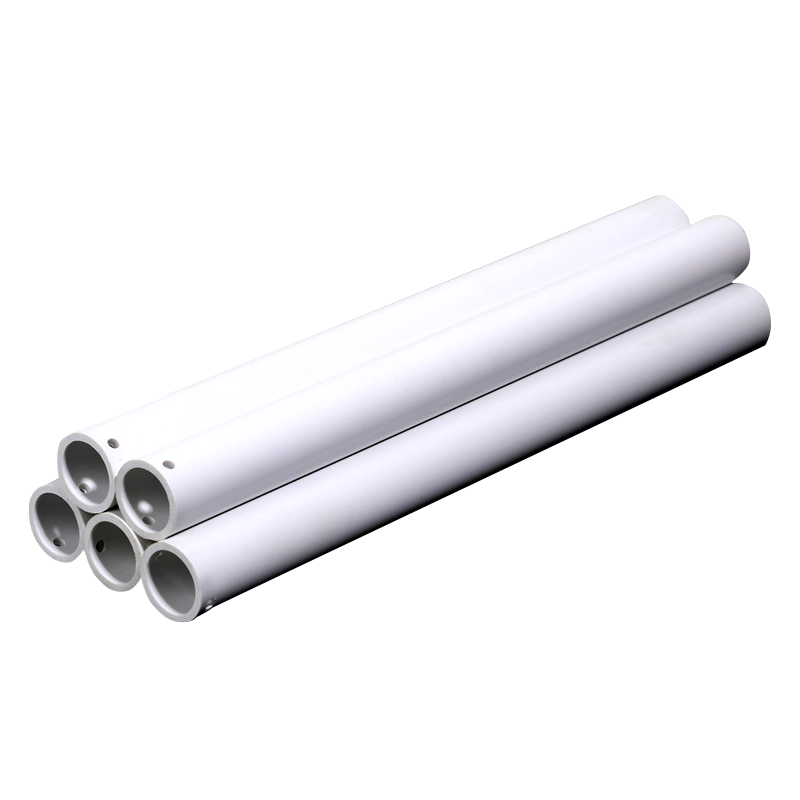
Customizable Size Custom Logo Plastics Hand Waving Flagpole Big Pvc Flagpole
-
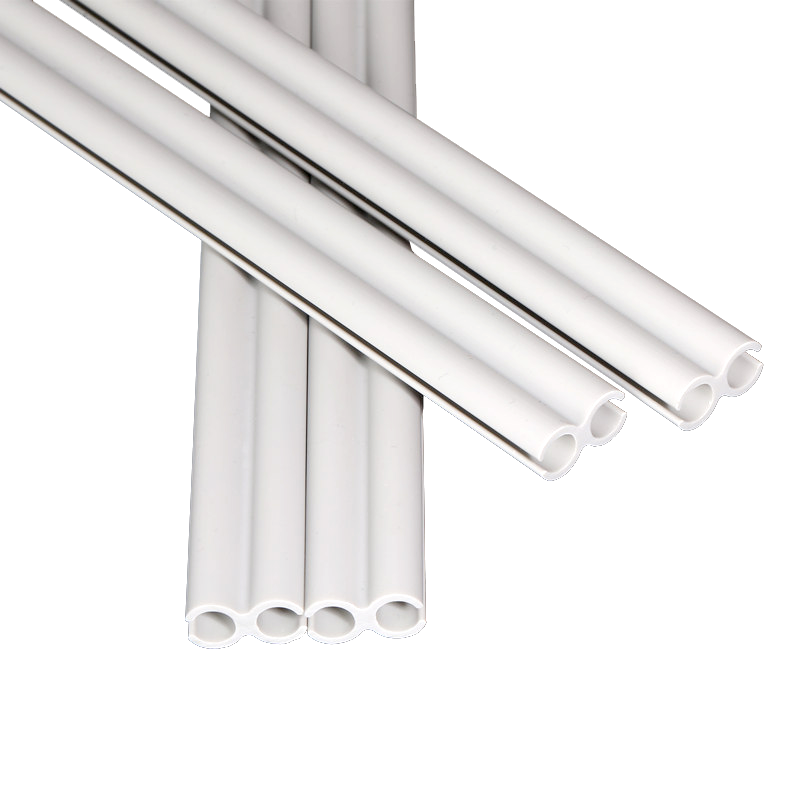
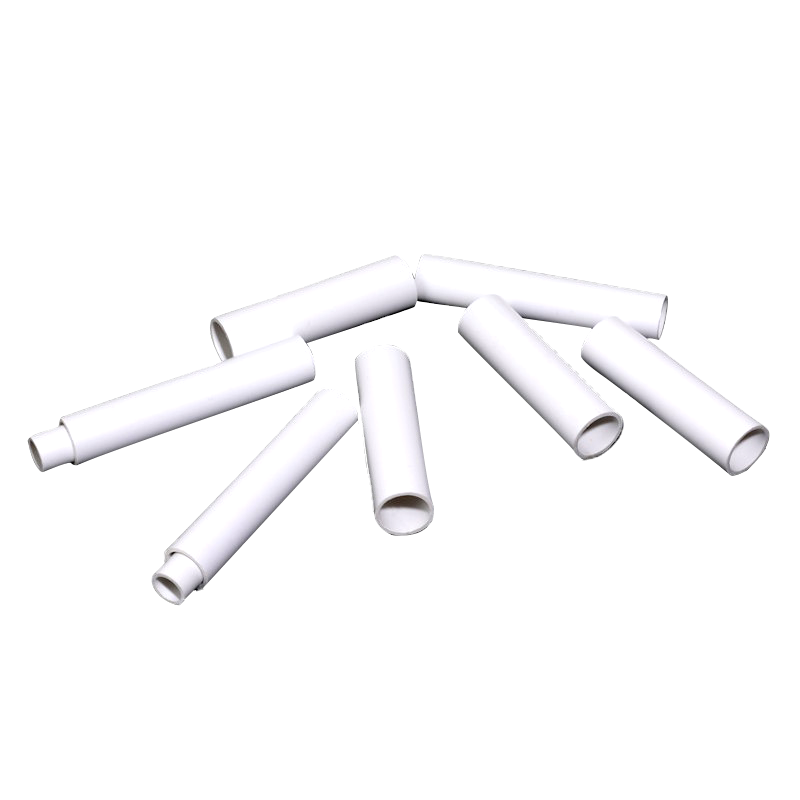
Plastics Hand Waving Flagpole Factory Direct Custom Wholesale PVC Flagpole Parts Pipe
-
Custom Easy Install Safety Flagpole Pvc China Factory Hand Waving Flagpole
-
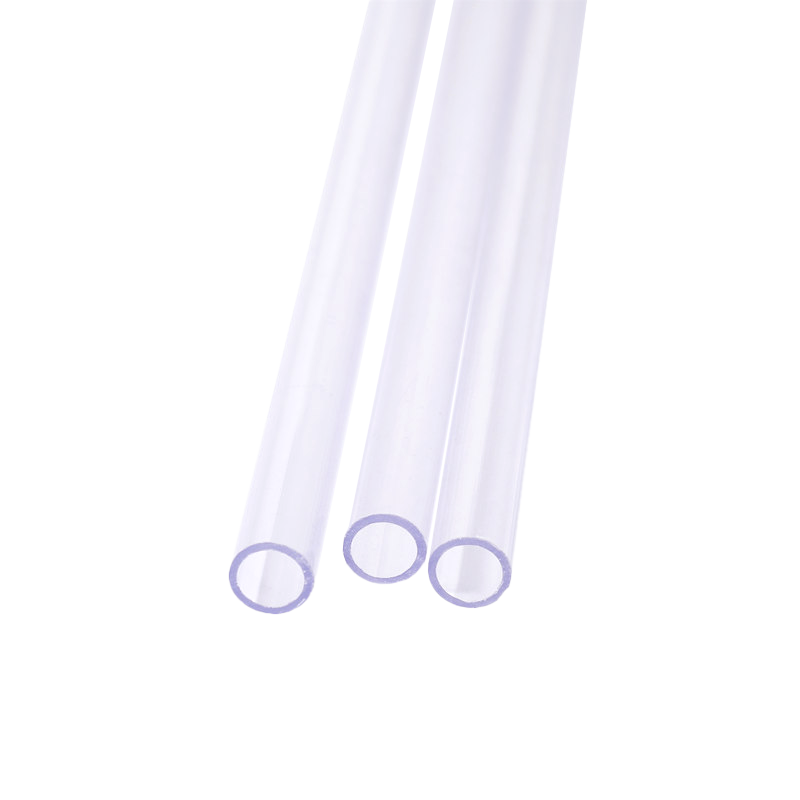
New Popular Product Transparent Pvc Flagpole Custom Size Hand Waving Flagpole
-
2023 High Quality Hand Waving Flagpole Big Or Small Flagpole Size Custom
-
Fast Delivery Promotion Factory Wholesale Flagpole Pvc Pipe Hand Waving Flagpole
-
2023 Personalized Custom Desk Hand Waving Flagpole Outdoor White Flagpole
-
Wholesale 2023 Hot Sale Used Flagpole Weight Custom Pvc Hand Waving Flagpole
-
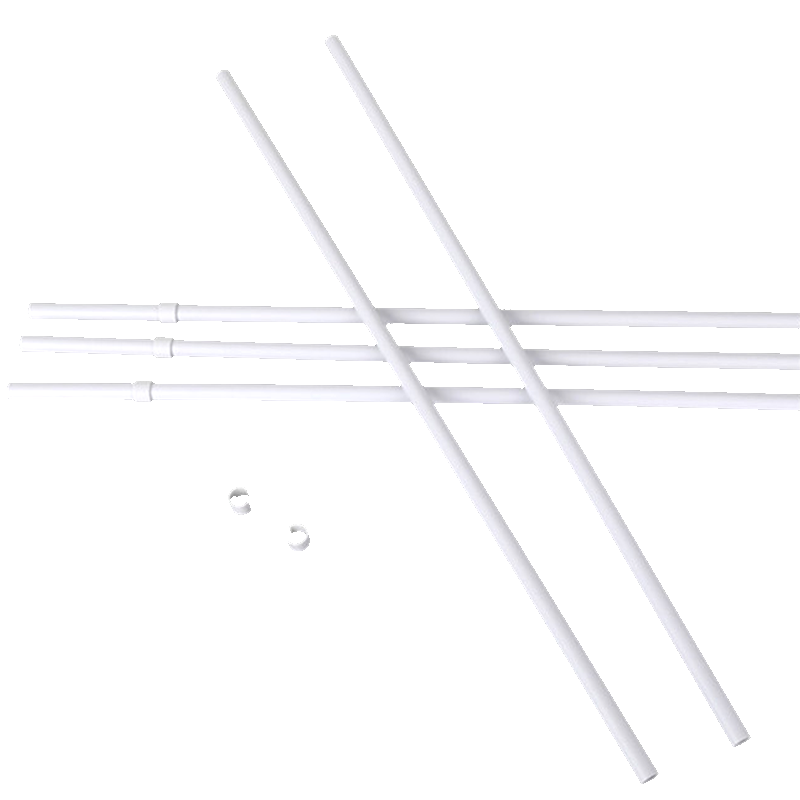
Wholesale Products Cheap High Quality Hand Waving Flagpole Newest Sections Flagpole
-
Wholesale Cheap High-Quality Hot Sale Flagpole Cylindrical Hand Waving Flagpole
Follow Us:
Copyright © Tongxiang Guangyu Plastic Products Co., Ltd. Rights Reserved.
