
 +86-0573-88528475
 English
 русский
Search by posts
Product category
Industry News
 By Admin
Hand Waving Flagpoles: Sizes, Materials & Buying Guide
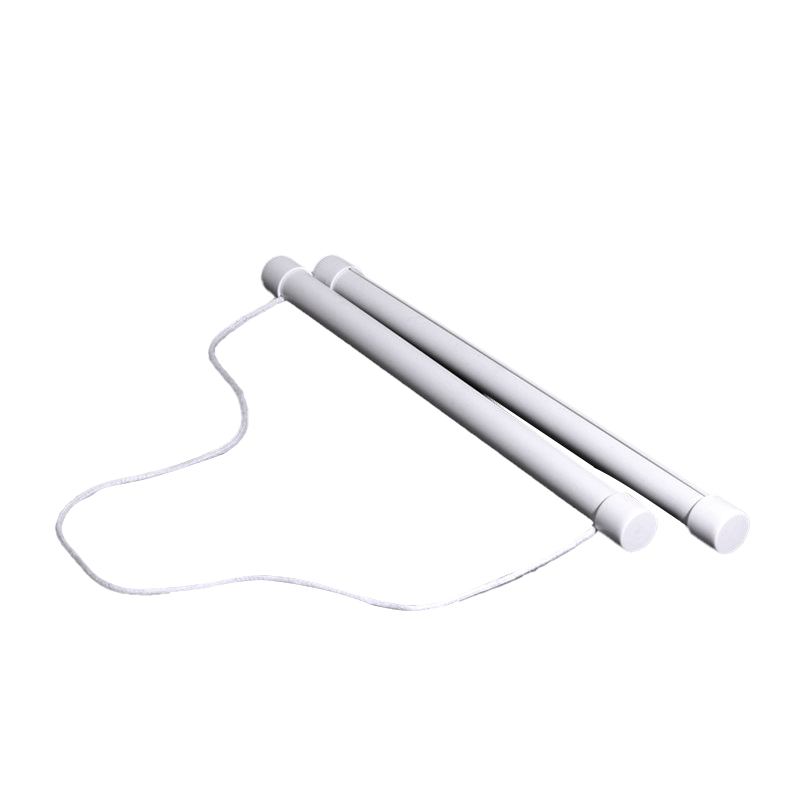
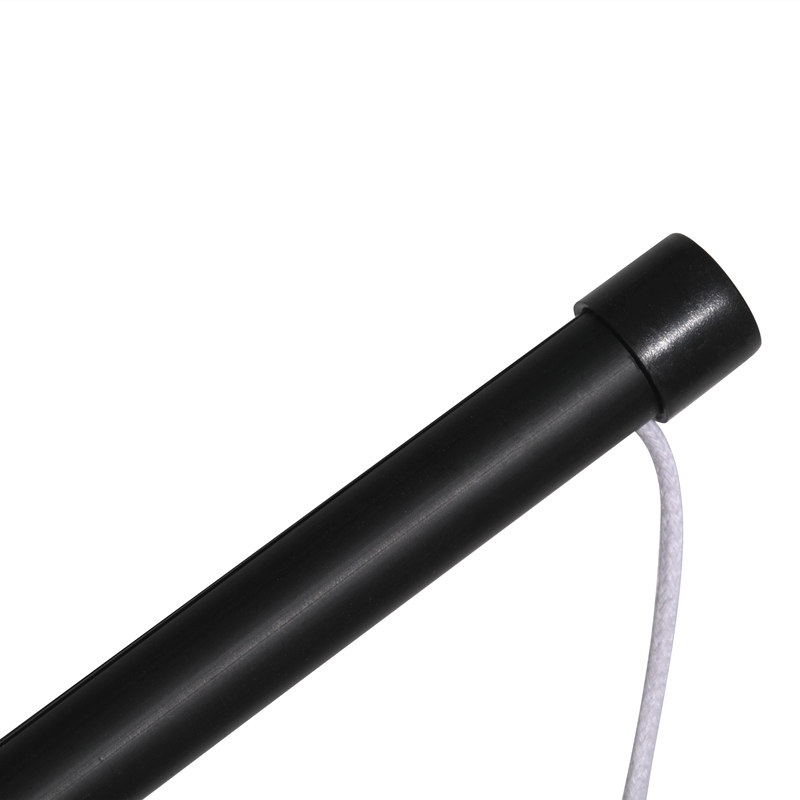
Content A hand waving flagpole — also called a hand flag stick, hand flag pole, or waving flag staff — is a short, lightweight pole designed to be held in the hand and waved to display a small flag. They are the standard promotional and ceremonial tool for parades, sporting events, political rallies, trade shows, national celebrations, and brand activations where a full-size flagpole is impractical and personal, hand-held visibility is the goal. Unlike fixed flagpoles, hand waving flagpoles are built for movement — the flag's visual impact comes from the waving action itself, which creates motion and draws the eye far more effectively than a stationary display. They are inexpensive to produce in volume, easy to customise with printed flags, and require no installation. If you need to put a flag in someone's hand at scale, the hand waving flagpole is the right product. Hand waving flagpoles are produced in a relatively narrow range of standard lengths, driven by what is comfortable to hold and wave for extended periods. The pole length determines the flag size that can be attached effectively — too short a pole with too large a flag creates drag that makes waving difficult; too long a pole becomes unwieldy and tiring. The 30 cm and 45 cm sizes account for the majority of hand waving flagpole orders globally, as they balance visibility with ease of use across all age groups. Pole diameter is typically 4–6 mm for shorter sizes and 6–8 mm for longer poles, keeping the total weight of pole and flag under 50–80 grams — light enough to wave continuously without hand fatigue. The shaft material determines the pole's weight, durability, flexibility, cost, and suitability for different event contexts. Each material has a distinct set of trade-offs. Natural wood — typically pine, birch, or beech dowel — is the traditional shaft material and remains widely used for patriotic, ceremonial, and heritage events. Wood has a warm, tactile feel that plastic cannot replicate, and it is biodegradable at end of life. Wooden hand flag poles are the preferred choice for national day celebrations, royal events, and occasions where a premium, traditional appearance is expected. The main drawbacks are susceptibility to splitting along the grain if dropped, and slight weight variability between batches due to moisture content. Standard wooden flag sticks are available in diameters of 4.5 mm to 8 mm. Injection-moulded plastic poles — usually polypropylene (PP) or high-density polyethylene (HDPE) — are the most economical option for large-volume promotional giveaways. They are waterproof, consistent in weight and diameter, and can be produced in any colour to match brand or flag design. Plastic hand flag poles can be manufactured for as little as $0.02–$0.05 USD per unit at quantities above 10,000 pieces, making them the default material for mass-distribution campaigns. The trade-off is that they can flex noticeably under fast waving and may feel lightweight or insubstantial compared to wood or fibreglass. Fibreglass hand waving flagpoles offer the best combination of strength, flexibility, and light weight across all shaft materials. A fibreglass pole can flex significantly without breaking — making it suitable for energetic crowd waving — and it is resistant to moisture, UV degradation, and temperature extremes. Fibreglass is the standard material for longer hand waving flagpoles (60–90 cm) where rigidity under a larger flag is required. Cost is higher than plastic but lower than carbon fibre, sitting in a practical mid-range for promotional and event budgets. Carbon fibre hand flag poles are the premium option — extremely light, very stiff, and strong. They are used primarily in competitive sports contexts (cycling time trials, athletics events, motorsport), where support staff or spectators need to hold a flag aloft for an extended period without arm fatigue. Carbon fibre poles are approximately 30–40% lighter than fibreglass poles of the same diameter, but cost significantly more and are less commonly needed for standard promotional or ceremonial applications. How the flag attaches to the pole is as important as the pole itself. A poorly attached flag bunches at the top, restricts movement, or detaches during use — all of which reduce visual impact and waste the investment in the pole and print. The most common method for mass-produced hand flags: the flag fabric has a folded sleeve or pocket along its hoist edge (the side attached to the pole), which is slid over the pole tip and then stapled, glued, or heat-sealed in place. This is fast to assemble at volume and keeps the attachment point flat and clean. Stapled sleeve attachment is the industry standard for orders above 500 units, as it enables machine assembly. The weakness is that the staples or glue can fail if the flag is subjected to very aggressive waving or extreme temperature changes. Higher-quality hand waving flags use a sewn hem along the hoist edge to create a reinforced pole pocket. The stitched hem distributes stress along the full attachment length rather than concentrating it at staple points. This method is standard for promotional flags intended for repeated use — sports team flags, country flags sold as retail merchandise, and flags for professional events where durability matters more than unit cost. Some hand waving flagpoles include a decorative plastic or metal cap or spear tip fitted at the top of the pole. This serves as a finishing detail, prevents the fabric sleeve from sliding off the pole top, and adds a traditional flag-staff aesthetic. Spear toppers are more common on longer, premium-grade hand poles used for ceremonial occasions than on short promotional giveaway items. The flag material attached to the hand pole determines how vividly the design reproduces, how the flag moves through the air when waved, and how long it lasts before fading or fraying. The print method determines colour accuracy, minimum order quantity, cost per unit, and whether the design shows through to the reverse side of the flag. Each method suits different volume and quality requirements. Dye-sublimation is the dominant print technology for polyester hand flags. Heat-activated dyes are transferred from a printed paper carrier into the polyester fibres, producing colours that are embedded within the fabric rather than sitting on the surface. The result is photographic-quality full-colour prints with no cracking, peeling, or feel of ink on the surface. Dye-sublimation produces a double-sided effect — the design shows through to the reverse side as a mirror image — which is ideal for hand waving flags viewed from both sides. Minimum orders are typically 50–100 units for digital sublimation. Screen printing is cost-effective for large runs with simple designs of one to four solid colours. A separate screen is prepared for each colour, and ink is pressed through the mesh onto the fabric. Screen printing produces sharp, opaque colour with excellent wash-fastness, but set-up costs (typically $30–$80 per colour per screen) make it uneconomical for short runs or multi-colour photographic designs. Most cost-effective at quantities above 1,000 units with no more than four spot colours. Paper hand flags use conventional offset lithography for very large runs (50,000+) or digital inkjet for shorter print-on-demand quantities. Offset printing delivers consistent, economical colour reproduction at high speed; digital printing allows variable data (different designs per unit) and low minimum orders. Paper flags printed by offset are the most affordable hand flag product available at scale. Hand waving flagpoles are used across an enormous range of event types, each with slightly different requirements for size, material, print quality, and quantity. National celebrations — such as the UK's royal coronations, Australia Day, the US Fourth of July, or Bastille Day in France — generate some of the highest volumes of hand waving flag orders globally. The 2023 UK Coronation of King Charles III prompted orders of over 5 million hand waving Union Jacks from councils, retailers, and event organisers across the country. These events typically require wooden or premium plastic poles with 45 cm length, paired with 21 × 30 cm woven polyester flags to convey quality appropriate to the occasion. Football (soccer) matches, Olympic Games, Formula 1 circuits, and international athletics meetings distribute hand waving flags to spectators both as merchandise and as free promotional items from sponsors. In this context, durability matters less than vivid colour reproduction and cost, making dye-sublimated polyester flags on 30–45 cm plastic poles the standard specification. Fan flags featuring team crests, national colours, or sponsor branding are among the highest-volume customised hand flag products manufactured. Political rallies worldwide use hand waving flagpoles to create crowd energy, signal affiliation, and generate visual impact for media coverage. The wave of flags in a crowd photograph or broadcast creates an impression of mass participation far greater than the same crowd without flags. Campaign hand flags are typically 60 cm poles with 30 × 45 cm flags to ensure visibility at distance, and are often produced in runs of 5,000–50,000 units per campaign event. Brand marketers use hand waving flags as inexpensive, high-visibility promotional items that attendees carry away from an activation, creating moving brand impressions throughout the event venue and beyond. Custom-printed flags with a brand logo or campaign message on a short 30 cm pole are a particularly effective format for trade show giveaways, as they are lightweight enough to carry home and distinctive enough to be used rather than discarded. Sports days, cultural parades, international food festivals, and community celebrations all use hand waving flags in smaller quantities — typically 100–1,000 units — to represent teams, nations, or cultural groups. These orders often mix multiple designs (different country flags, for example) in smaller quantities per design, making digital dye-sublimation the most practical print method. Placing a custom hand waving flagpole order without clear specifications is the most common source of production errors and disappointing results. The following parameters should be confirmed in writing before production begins: Lead times for custom hand waving flagpoles typically range from 7 to 21 days from artwork approval to shipment, depending on quantity, print complexity, and manufacturing location. Orders requiring air freight from overseas production facilities should allow a minimum of 10–14 days transit time in addition to production. Hand waving flagpoles distributed at public events — particularly to children — are subject to safety regulations in most markets. Ignoring these requirements exposes event organisers and distributors to liability and can result in product recalls.A Hand Waving Flagpole Is the Most Portable and Cost-Effective Way to Display a Flag at Any Event
Standard Sizes and Dimensions of Hand Waving Flagpoles
Pole Length
Typical Flag Size
Best Use Case
Typical User
20–25 cm (8–10 in)
10 × 15 cm
Table decorations, children's party favours
Children, desk display
30 cm (12 in)
15 × 22 cm
Sports events, school events, small giveaways
Children and adults
45 cm (18 in)
21 × 30 cm
Parades, national day events, fan gear
Adults, event attendees
60 cm (24 in)
30 × 45 cm
Rallies, political campaigns, brand activations
Adults, crowd use
90 cm (36 in)
45 × 60 cm
Stadium events, large outdoor gatherings
Adults, high-visibility display
Materials Used for Hand Waving Flagpole Shafts
Wooden Dowel Poles
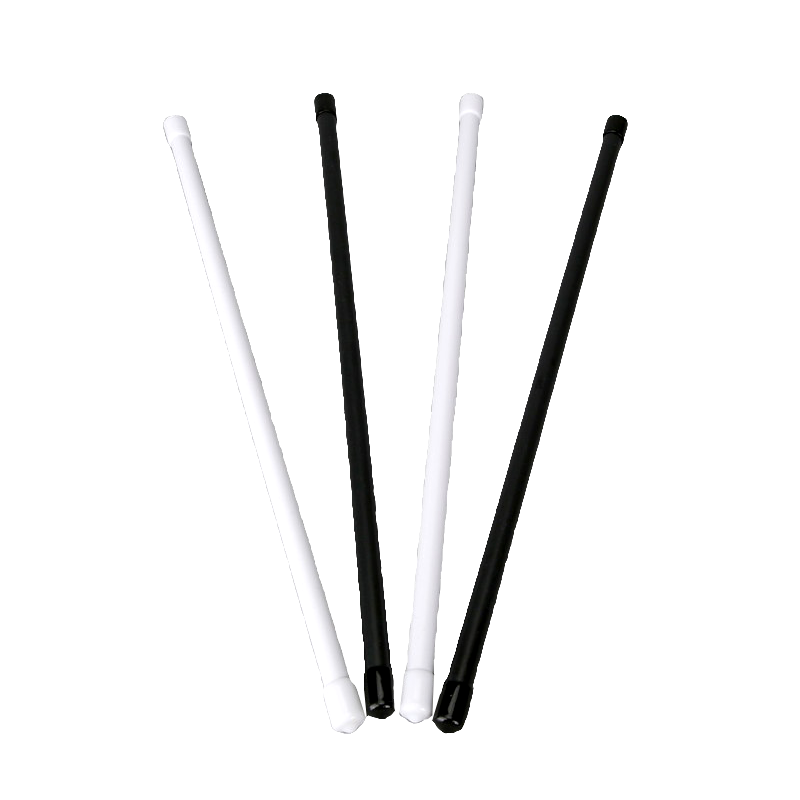
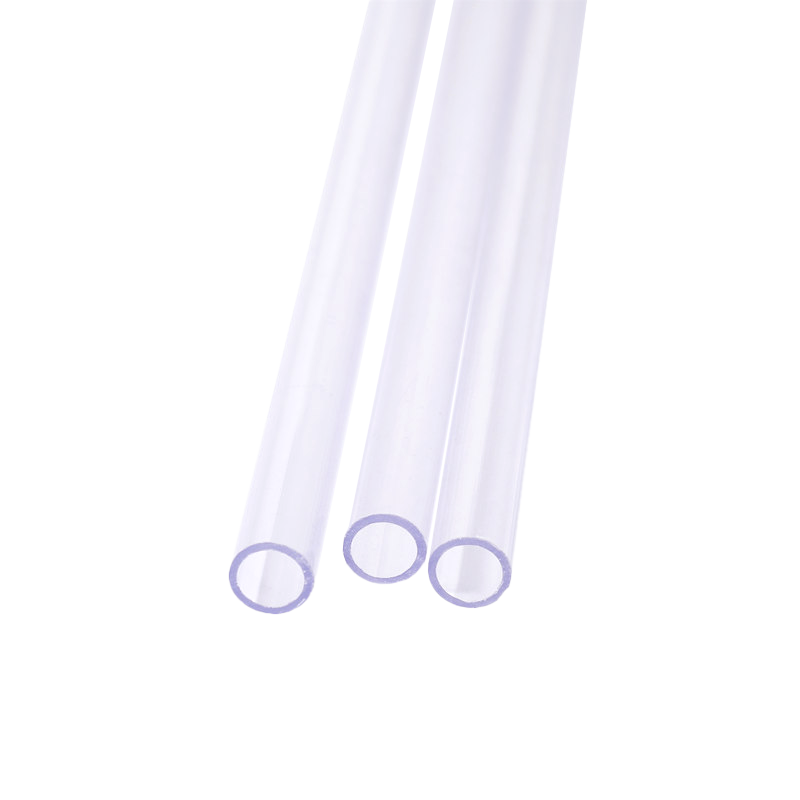
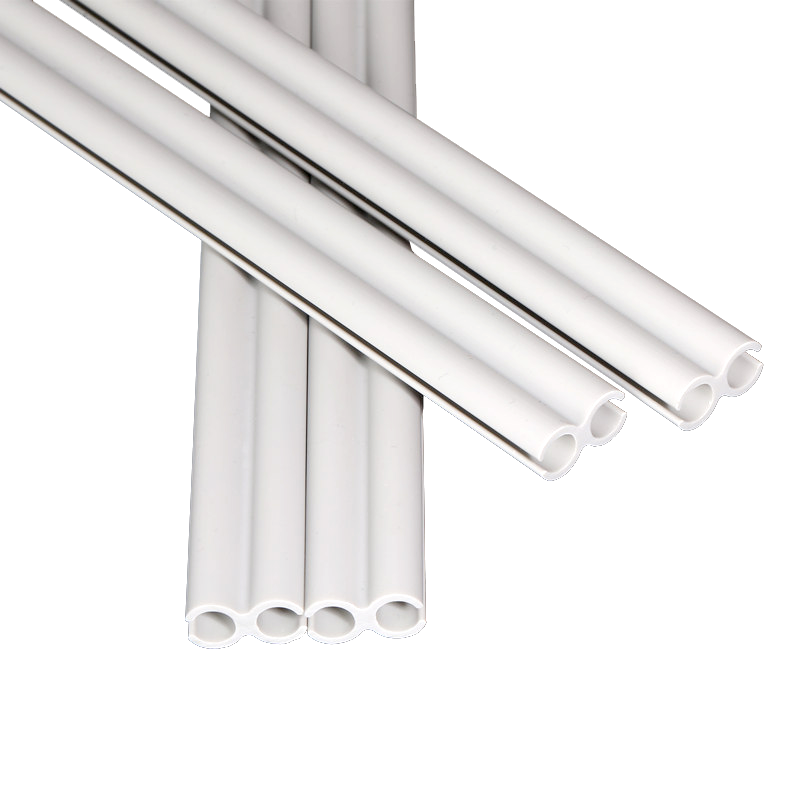
Plastic and Polypropylene Poles
Fibreglass Poles
Carbon Fibre Poles
Flag Attachment Methods and Their Effect on Wave Performance
Stapled or Glued Sleeve Attachment
Sewn Hem with Pole Pocket
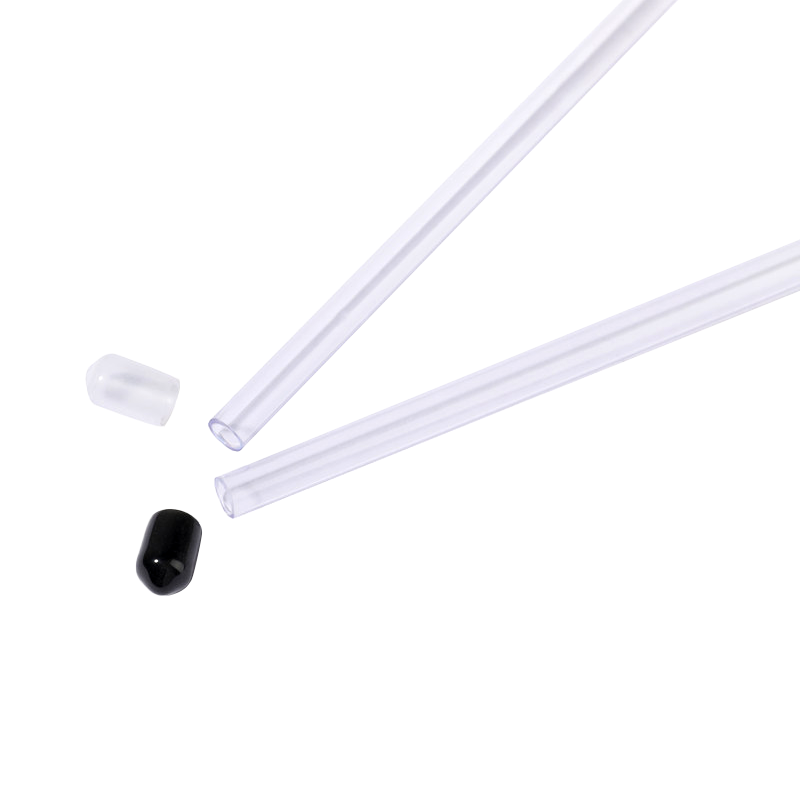
Spear or Cap Topper
Flag Fabric Options for Hand Waving Flagpoles
Printing Methods for Hand Waving Flag Designs
Dye-Sublimation Printing
Screen Printing
Offset and Digital Printing (for Paper Flags)
Key Applications and Events That Use Hand Waving Flagpoles
National Days, Royal Events, and Parades
Sporting Events and Fan Culture
Political Campaigns and Rallies
Trade Shows, Product Launches, and Brand Activations
Schools, Cultural Festivals, and Community Events
What to Specify When Ordering Custom Hand Waving Flagpoles
Safety and Compliance Considerations for Hand Waving Flagpoles
Recommended products
-
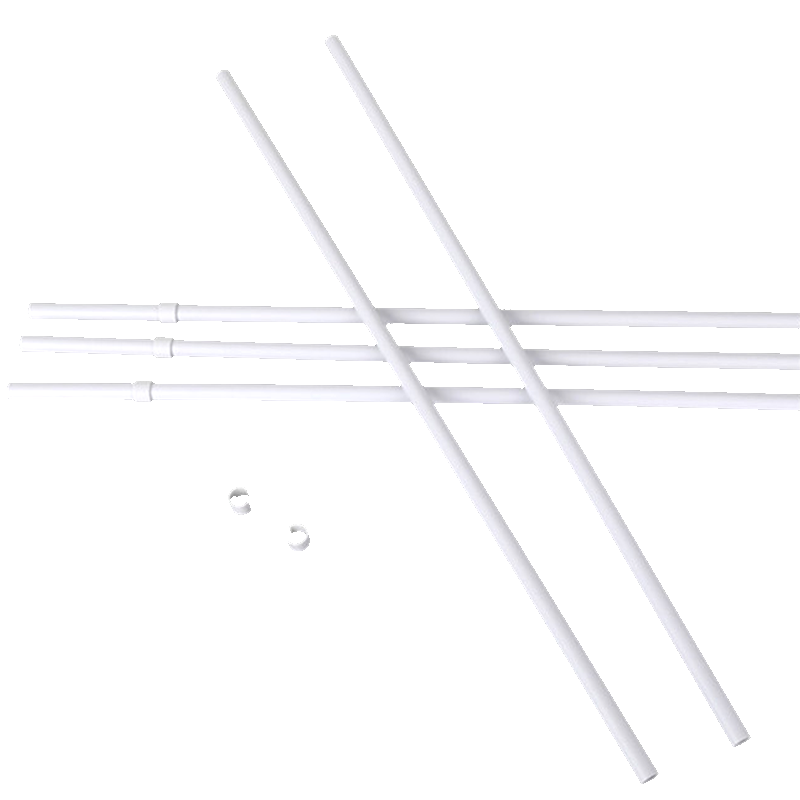
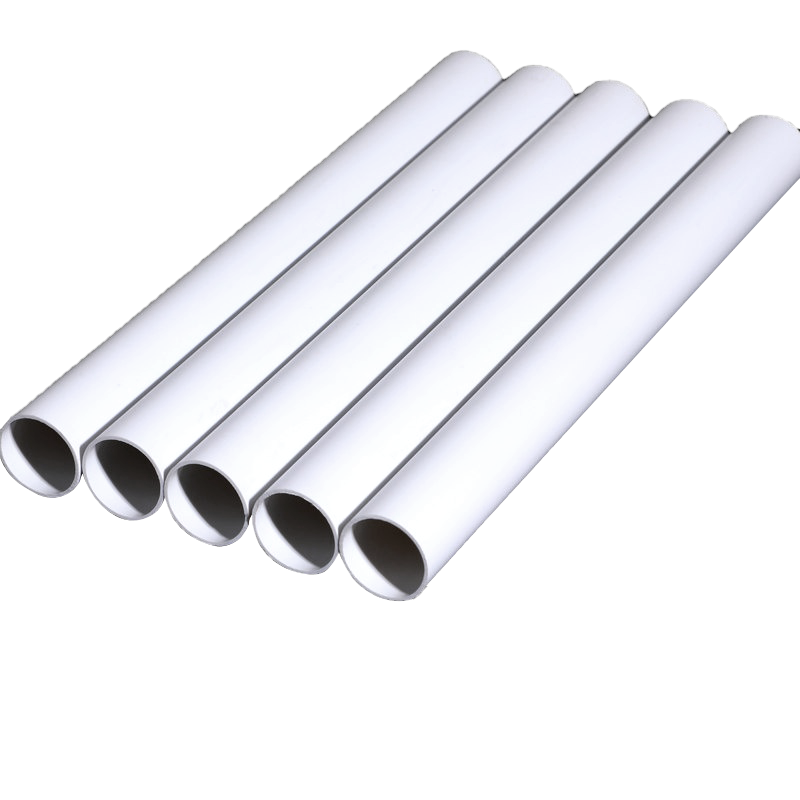
2023 New Cheap Plastic Pipe Multiple Colors And Sizes Custom Hand Waving Flagpole
-
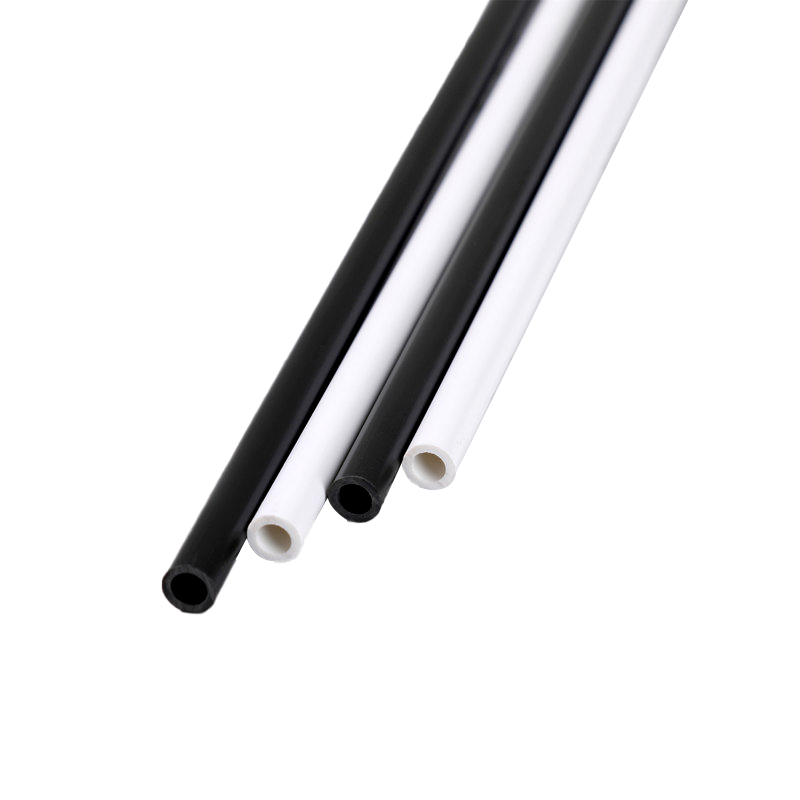
Wholesale Custom Pvc Material Indoor Desktop Flagpole Hand Waving Flagpole
-
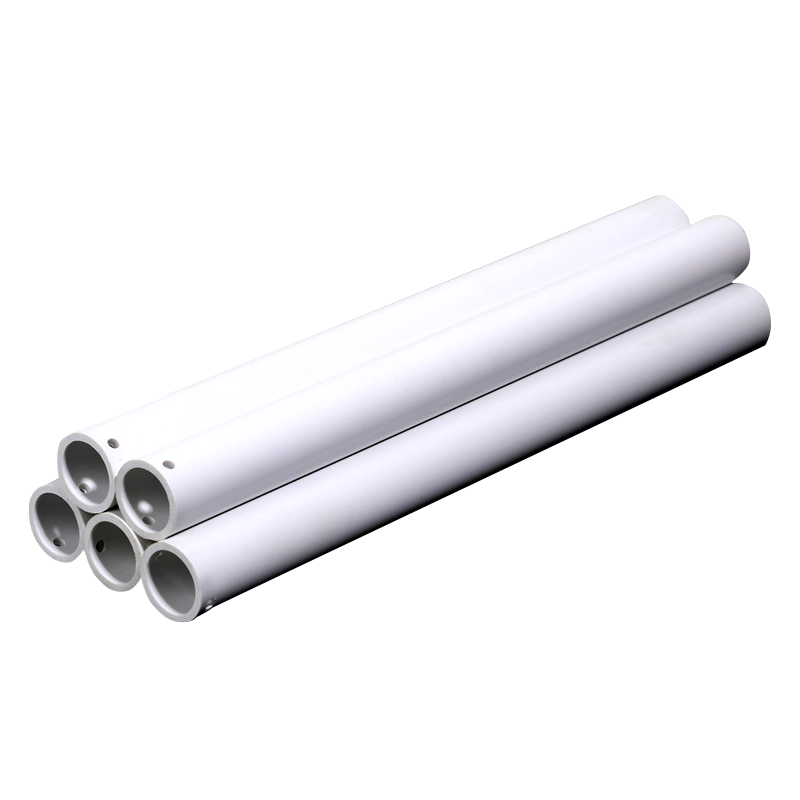
Customizable Size Custom Logo Plastics Hand Waving Flagpole Big Pvc Flagpole
-
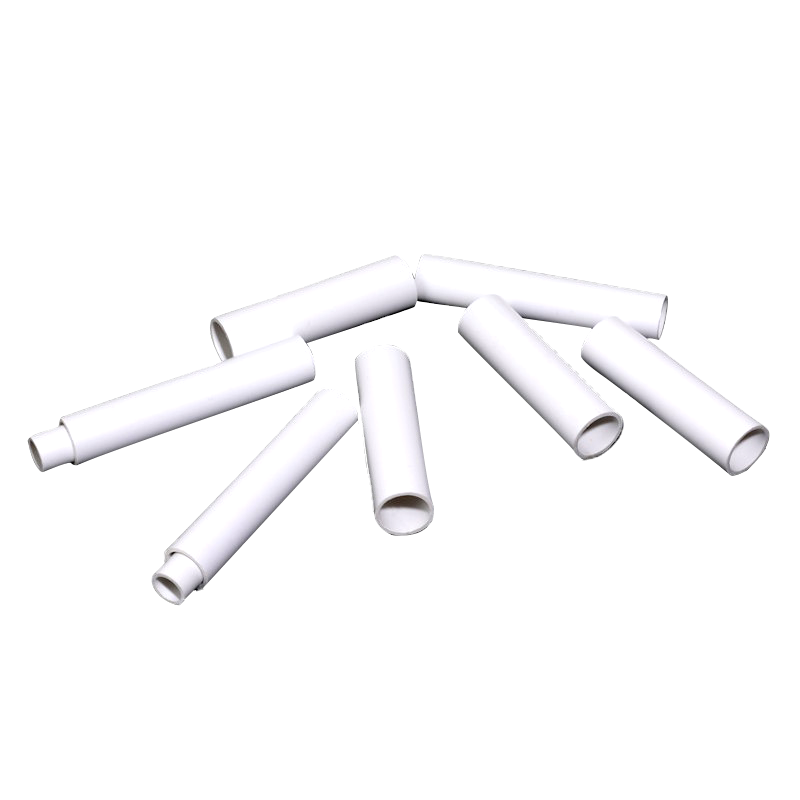
Plastics Hand Waving Flagpole Factory Direct Custom Wholesale PVC Flagpole Parts Pipe
-
Custom Easy Install Safety Flagpole Pvc China Factory Hand Waving Flagpole
-
New Popular Product Transparent Pvc Flagpole Custom Size Hand Waving Flagpole
-
2023 High Quality Hand Waving Flagpole Big Or Small Flagpole Size Custom
-
Fast Delivery Promotion Factory Wholesale Flagpole Pvc Pipe Hand Waving Flagpole
-
2023 Personalized Custom Desk Hand Waving Flagpole Outdoor White Flagpole
-
Wholesale 2023 Hot Sale Used Flagpole Weight Custom Pvc Hand Waving Flagpole
-
Wholesale Products Cheap High Quality Hand Waving Flagpole Newest Sections Flagpole
-
Wholesale Cheap High-Quality Hot Sale Flagpole Cylindrical Hand Waving Flagpole

Follow Us:
Copyright © Tongxiang Guangyu Plastic Products Co., Ltd. Rights Reserved.
