
 +86-0573-88528475
 English
 русский
Search by posts
Product category
Industry News
 By Admin
Hand Waving Flagpole Guide: Types, Sizes & Selection Tips
A hand waving flagpole is a portable staff designed for holding and displaying flags during parades, sporting events, celebrations, and demonstrations, typically measuring 12 to 36 inches in length and constructed from wood, plastic, or fiberglass materials. These lightweight poles enable individuals to wave flags enthusiastically without requiring permanent installation, with standard models weighing 1-4 ounces and accommodating flag sizes from 4x6 inches to 12x18 inches through various attachment methods including sewn sleeves, adhesive mounting, or plastic spear tips. The primary advantages of hand waving flagpoles include their portability, affordability at $0.50-$3.00 per unit for basic models, and ease of use requiring no assembly or installation. These characteristics make them essential items for political campaigns purchasing thousands of units, schools organizing patriotic events, sports fans supporting teams, and businesses distributing promotional materials at public gatherings. Content Traditional wooden hand waving flagpoles utilize hardwood dowels, most commonly birch or poplar, turned to uniform diameters between 3/16 inch (4.8mm) and 5/16 inch (7.9mm). These natural wood poles offer classic aesthetics and sufficient rigidity for flags up to 12x18 inches, though they remain vulnerable to splintering when subjected to rough handling or moisture exposure. Quality wooden poles undergo sanding to 150-220 grit smoothness and may receive clear lacquer or paint finishes protecting against moisture while enhancing appearance. Unfinished dowels cost $0.50-$1.20 in bulk quantities of 100+ units, while painted versions with decorative tips add $0.30-$0.80 to unit costs. Wood poles demonstrate excellent biodegradability, decomposing within 1-3 years in landfill conditions, making them environmentally preferable for single-use applications. Injection-molded plastic flagpoles manufactured from polypropylene or polystyrene provide consistent dimensions, moisture resistance, and lower production costs enabling retail pricing of $0.35-$0.90 per unit. These synthetic poles maintain uniform 3/16 inch or 1/4 inch diameters throughout their length and resist warping, though they lack the natural aesthetic appeal of wood alternatives. Plastic poles offer color customization opportunities, with manufacturers producing black, white, gold, silver, and custom PMS color matches for brand consistency at minimum order quantities of 500-1,000 units. The synthetic construction maintains structural integrity across temperature ranges from -20°F to 140°F (-29°C to 60°C), preventing the brittleness wood exhibits in cold conditions or the warping occurring in heat and humidity. Premium hand waving flagpoles utilize fiberglass construction combining flexibility with exceptional strength-to-weight ratios. These poles withstand vigorous waving without permanent deformation, returning to straight configuration after bending to 15-20 degree angles from center. Fiberglass models retail at $2.00-$4.50 individually, positioning them as reusable options for organizations conducting frequent flag displays. The glass fiber reinforcement embedded in polymer resin creates poles weighing 30-40% less than equivalent wood dowels while offering superior break resistance. Testing demonstrates fiberglass poles withstand drops onto concrete from 6-8 feet without fracturing, compared to wooden poles that splinter or crack under identical conditions. For extended outdoor use spanning multiple events, fiberglass construction justifies premium pricing through 5-10x longer service life. Hand waving flagpoles are manufactured in standardized lengths optimized for specific flag sizes and usage contexts: The 24-inch pole represents the industry standard, accounting for approximately 60-70% of unit sales across distributors. This length provides optimal balance between flag visibility, ease of handling, and transportation convenience, allowing 100 assembled flag-pole units to pack into standard 12x12x24 inch shipping cartons. Pole diameter directly affects structural rigidity and flag-bearing capacity. Standard diameters include: Thicker diameters increase pole weight by 40-60% compared to thinner alternatives of equivalent length, creating ergonomic considerations for extended hand-holding applications. For events requiring participants to hold flags for 30+ minutes, 3/16 inch or 1/4 inch diameters prevent arm fatigue better than heavier 5/16 inch construction. Manufacturers accommodate custom length specifications at minimum order quantities typically starting at 500-1,000 units. Custom lengths enable precise matching to specific flag dimensions or unique display requirements, though they command premium pricing of 15-30% above standard sizes due to specialized production runs and tooling adjustments. Organizations requiring custom lengths for brand consistency or specific event parameters should request samples before committing to large production runs. Lead times for custom manufacturing range from 3-6 weeks depending on material selection and quantity ordered, necessitating advance planning for time-sensitive events. The most durable attachment method involves sewing a fabric sleeve along the flag's hoist edge, creating a channel through which the pole inserts. Sleeve widths typically measure 3/8 to 1/2 inch to accommodate standard pole diameters with minimal excess material. This construction distributes stress across the entire hoist edge rather than concentrating forces at discrete attachment points, enabling flags to withstand vigorous waving for 4-8 hours of continuous use. Quality sewn sleeves incorporate reinforcement stitching at top and bottom openings preventing tear propagation during insertion and removal. Double-stitched or bar-tacked terminations increase manufacturing costs by $0.15-$0.30 per flag but extend usable life by 200-300% compared to single-stitch construction, making them cost-effective for reusable applications. Economical flag-pole combinations utilize pressure-sensitive adhesive strips bonding the flag directly to the pole surface. Manufacturers apply 1-2 inch adhesive strips vertically along the flag's hoist edge, press them onto the pole shaft, and secure with additional wrapping or heat activation. This method reduces production costs to $0.60-$1.20 per assembled unit for bulk quantities, making it popular for promotional distributions and single-use events. Adhesive-mounted flags demonstrate adequate performance for 2-4 hours of moderate waving but become prone to detachment when exposed to moisture, high temperatures exceeding 85°F (29°C), or vigorous handling. The adhesive bond weakens progressively with use, with testing showing 40-60% strength reduction after two hours of active waving. These limitations position adhesive mounting as suitable for short-duration events rather than all-day activities or multi-use scenarios. Premium hand waving flagpoles feature plastic or metal spear tips incorporating notches or hooks that pierce and secure flag material. The pole tip penetrates the flag's top corner or a reinforced grommet, with the flag then wrapping partially around the pole and securing at a second point via adhesive strip or sleeve pocket. This hybrid approach combines the security of mechanical attachment with the clean appearance of adhesive systems. Spear-tip systems excel for outdoor applications where wind stress tests attachment integrity. The mechanical piercing creates a primary anchor point bearing 70-80% of wind load, while secondary adhesive or sleeve attachment prevents flag rotation around the pole. Flags designed for spear-tip mounting incorporate reinforced corners or metal grommets withstanding penetration without tearing, adding $0.25-$0.50 to flag manufacturing costs. Hand waving flagpoles incorporate decorative tips enhancing visual appeal and preventing pole-end injuries. Common configurations include: Decorative tips attach via friction fit into the hollow pole end, adhesive bonding, or heat-stake welding for permanent installation. Removable friction-fit tips enable tip replacement if damaged or allow style changes between events, though they risk detachment during vigorous use. Permanently attached tips eliminate detachment concerns while adding $0.20-$0.60 to unit production costs depending on material and complexity. Sharp spear tips, while visually appealing, present injury risks in crowded environments where individuals hold flags at varying heights. Organizations distributing flags to children or planning events in dense crowds should specify rounded ball finials or blunt tips meeting CPSC safety guidelines for toys and promotional products. Safety-oriented tips feature radius curves exceeding 2mm, preventing the penetration injuries possible with pointed alternatives. For parade applications where flag carriers march in close proximity, regulations may mandate specific tip configurations. Municipal parade permits sometimes require rounded tips or prohibit metal finials, with violations resulting in participation denial. Event organizers should verify local requirements before purchasing flagpoles with decorative tips, avoiding costly reorders necessitated by non-compliant specifications. Parade participants benefit from lightweight poles enabling extended holding without arm fatigue. For events lasting 1-3 hours, 18-24 inch poles with 3/16 or 1/4 inch diameters provide optimal comfort-to-visibility ratios. Plastic construction offers weather resistance for outdoor events with precipitation risks, while the lighter weight compared to wood reduces strain during extended marching. Organizations coordinating large parade contingents should purchase 10-15% surplus beyond participant counts, accounting for breakage, loss, and last-minute additions. Sewn-sleeve flag attachment proves most reliable for parade applications, preventing the detachment common with adhesive systems during vigorous waving over extended periods. Campaign events prioritize cost efficiency and visual impact, with candidates distributing thousands of flag-pole units at rallies, town halls, and door-to-door canvassing. Adhesive-mounted flags on 24-inch plastic poles retail at $0.85-$1.50 per unit in quantities of 1,000+, enabling bulk distribution within campaign budget constraints. Custom printing incorporating candidate names, slogans, or campaign colors differentiates these flags from generic options. Digital printing enables full-color customization at $0.50-$1.20 per flag additional cost, with minimum orders typically starting at 250-500 units. Rush production services accommodate last-minute event needs with 5-7 day turnaround, though expedite fees add 20-35% to standard pricing. Sports venues and fan organizations distribute hand waving flags enhancing crowd atmosphere and television visibility. Stadium giveaways typically utilize 12x18 inch flags on 24-30 inch poles, sized for prominence in crowd shots while remaining manageable in seated stadium environments. Plastic poles with rounded tips meet venue safety requirements prohibiting sharp objects. Team colors and logos require color-matched poles for professional appearance, with custom pole colors adding $0.15-$0.40 per unit at quantities exceeding 2,500 pieces. For recurring giveaways across multiple games, organizations benefit from fiberglass construction's reusability, purchasing 5,000-10,000 units used across entire seasons rather than single-use disposable alternatives. Schools conducting patriotic ceremonies, memorial observances, and educational flag presentations require durable poles withstanding repeated use by students across academic years. Wood dowel construction with sewn-sleeve flags provides traditional aesthetics appropriate for formal ceremonies while offering 2-3 year service life when properly stored between uses. Classroom flag sets typically include 25-35 flag-pole units matching class sizes, with storage solutions incorporating wall-mounted racks or container boxes protecting poles from damage. Educational suppliers offer complete sets at $35-$75 including flags, poles, and storage accessories, simplifying procurement for schools operating within fixed curriculum budgets. Hand waving flagpole pricing scales significantly with order volume, with suppliers offering structured discount tiers: Standard stock items ship within 1-3 business days for quantities under 500 units, enabling rapid fulfillment for urgent requirements. Custom configurations including specific pole colors, decorative tips, or printed flags require manufacturing lead times of 2-4 weeks for domestic production or 6-10 weeks for overseas manufacturing achieving lowest pricing. Organizations planning annual events should order 8-12 weeks in advance, allowing time for sample approval, production, international shipping if applicable, and buffer against unexpected delays. Rush production services compress timelines to 7-10 days but incur premium charges of 30-50% above standard pricing, significantly impacting per-unit costs on large orders. Before committing to large production runs, purchasers should request pre-production samples verifying specifications including pole length and diameter tolerances, flag color accuracy, attachment method quality, and overall construction. Quality suppliers provide 3-5 samples at no charge or nominal fees of $10-$25 including shipping, with sample costs credited against production orders. Sample evaluation should include physical testing simulating intended use conditions: vigorous waving for 15-20 minutes, exposure to moisture if outdoor use is anticipated, and assessment of flag attachment security after handling. Testing reveals quality issues before bulk production, enabling specification adjustments preventing receipt of thousands of substandard units requiring costly returns or replacements. Hand waving flagpoles maintain optimal condition when stored horizontally in climate-controlled environments. Vertical storage risks warping, particularly for wooden poles exposed to variable humidity causing uneven moisture absorption. Stacking poles in layers separated by cardboard dividers prevents surface marring and tangling of attached flags. For sewn-sleeve configurations where flags separate from poles, rolling or folding flags independently prevents creasing that affects appearance during display. Plastic storage bins with lids protect against dust accumulation and moisture exposure, extending storage life to 5-10 years for quality construction. Organizations maintaining inventories for recurring events should rotate stock using older units first, preventing degradation from extended storage. Transporting hand waving flags to event venues requires secure packaging preventing pole breakage and flag damage. Bulk quantities ship in corrugated cartons sized to pole length, with typical packing densities of 100-150 assembled units per carton for 24-inch poles. Carton stacking limits of 3-4 boxes high prevent crushing damage to lower layers during shipping and storage. For vehicle transport to events, securing cartons against shifting during transit prevents impact damage. Loose poles transported without protective packaging suffer breakage rates of 15-25% during typical vehicle movement, while properly boxed units experience breakage below 2-3%. Event coordinators should inspect shipments immediately upon arrival, documenting any damage for supplier claims before distribution to participants. Organizations using higher-quality poles intended for multiple events should implement collection procedures recovering units after use. Positioning collection bins at venue exits with clear signage achieves recovery rates of 40-60% compared to 10-20% recovery without organized systems. Offering incentives such as prize drawings for returned flags can boost recovery to 65-75%. Recovered poles require inspection before reuse, discarding units with significant damage including cracks, bends, or detached flags. Light cleaning with damp cloths removes surface dirt maintaining professional appearance for subsequent events. Organizations conducting quarterly or annual events find that investing in fiberglass poles at $2.00-$4.50 per unit with 50-60% recovery rates proves more economical than purchasing disposable plastic units for each event after 2-3 event cycles. Hand waving flagpoles distributed to children under 12 years must comply with CPSC regulations including ASTM F963 toy safety standards. These requirements mandate testing for sharp points and edges, small parts presenting choking hazards, and toxic substances in materials and finishes. Poles with decorative tips must feature blunted ends with tip radius exceeding 2mm, while wood finishes require lead-free, non-toxic formulations. Importers must file Children's Product Certificates (CPC) with Customs documenting third-party laboratory testing confirming compliance. Testing costs range from $500-$1,500 per product configuration, representing fixed costs amortized across production quantities. Suppliers unwilling or unable to provide compliance documentation should be avoided, as violations carry penalties of $15,000+ per incident and product seizure at ports of entry. Flags used in certain venues or applications may require flame-resistant treatment meeting NFPA 701 or equivalent standards. While the poles themselves present minimal fire hazard, attached fabric flags can ignite and propagate flames in crowded environments. Flame-retardant treatment adds $0.30-$0.75 per flag but provides critical safety benefits for indoor events, convention centers, and venues with strict fire codes. Testing certificates from recognized laboratories document compliance with flame resistance requirements, with certification validity typically lasting 1-2 years before renewal testing becomes necessary. Event organizers should verify venue fire safety requirements during planning stages, avoiding last-minute discovery of non-compliant materials requiring expensive rush replacement. Post-event disposal of single-use flagpoles contributes to solid waste streams, with large events generating 50-200 pounds of pole and flag material. Wood poles offer biodegradability advantages, decomposing in landfills within 1-3 years compared to plastic alternatives requiring 50-100+ years. Organizations prioritizing sustainability should specify wood construction or seek biodegradable plastic formulations beginning market entry. Recycling options exist for certain materials, with separated plastic poles accepted by facilities processing PP (polypropylene) or PS (polystyrene) resins. However, contamination from adhesive residues and mixed materials often prevents effective recycling, resulting in landfill disposal despite theoretical recyclability. The most environmentally responsible approach involves selecting durable construction for multi-use applications, implementing collection systems maximizing reuse, and choosing wood construction when single-use disposal becomes necessary.Material Construction and Durability
Wood Dowel Poles
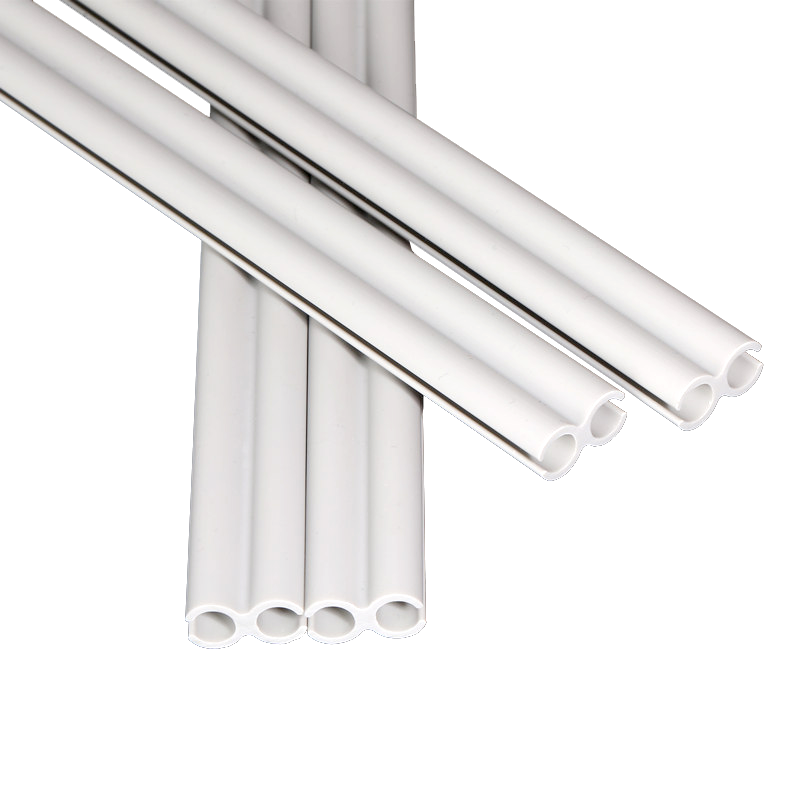
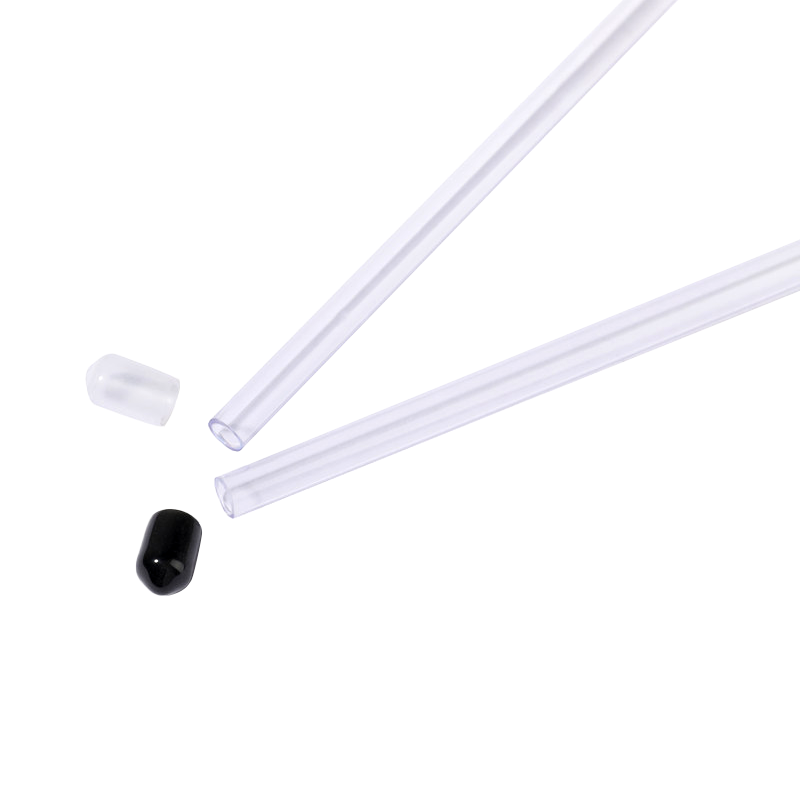
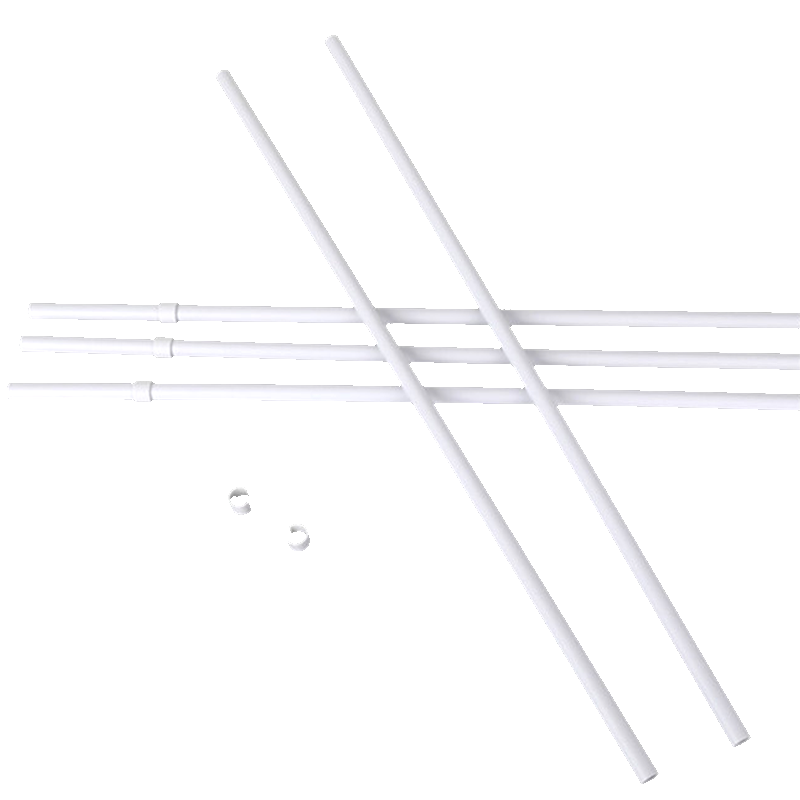
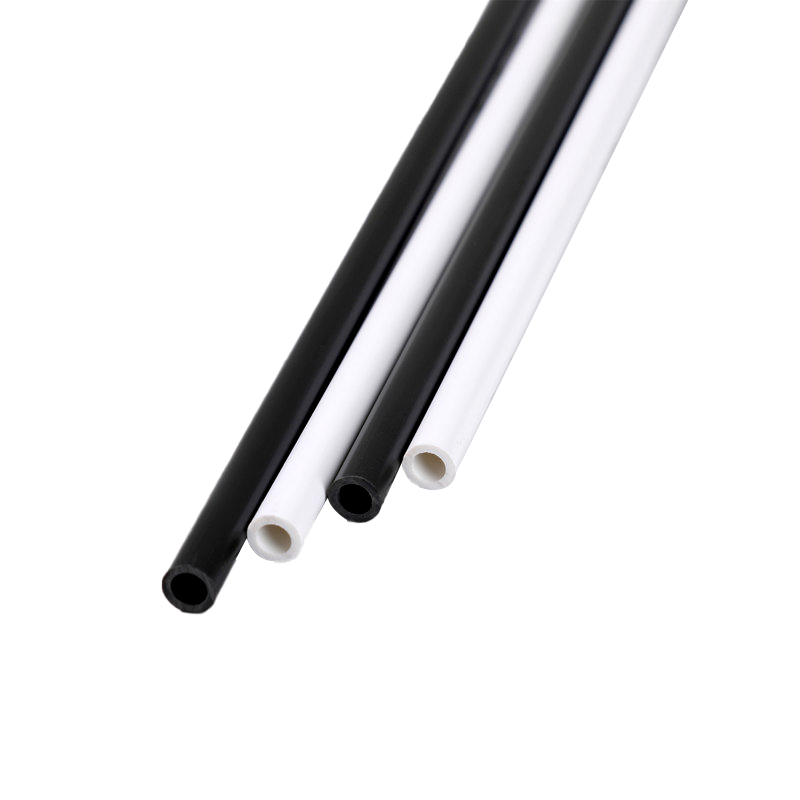
Plastic and Polymer Options
Fiberglass Construction
Material
Weight (24" pole)
Cost Range
Durability Rating
Wood Dowel
2.5-3.5 oz
$0.50-$1.50
Moderate
Plastic/Polymer
1.5-2.5 oz
$0.35-$0.90
Good
Fiberglass
1.8-2.8 oz
$2.00-$4.50
Excellent
Standard Sizes and Dimensions
Common Length Specifications
Diameter Variations
Custom Length Availability
Flag Attachment Methods
Sewn Sleeve Construction
Adhesive Mounting
Spear-Tip Attachment
Decorative Tips and Finials
Standard Tip Options
Safety Considerations
Application-Specific Selection
Parade and March Events
Political Campaigns and Rallies
Sporting Events and Fan Support
Educational and Ceremonial Uses
Bulk Purchasing Considerations
Quantity Pricing Tiers
Order Quantity
Unit Price (Standard 24" Wood)
Unit Price (24" Plastic)
Savings vs. Small Qty
1-99 units
$1.50-$2.00
$1.20-$1.60
Baseline
100-499 units
$1.10-$1.50
$0.85-$1.15
25-30%
500-999 units
$0.85-$1.20
$0.65-$0.90
40-45%
1,000-4,999 units
$0.65-$0.95
$0.45-$0.70
55-60%
5,000+ units
$0.50-$0.75
$0.35-$0.55
65-75%
Lead Times and Production Schedules
Quality Control and Sample Testing
Storage and Handling Best Practices
Proper Storage Methods
Transportation Considerations
Post-Event Collection and Reuse
Regulatory Compliance and Safety Standards
Consumer Product Safety Requirements
Flame Resistance Standards
Disposal and Environmental Considerations
Recommended products
-
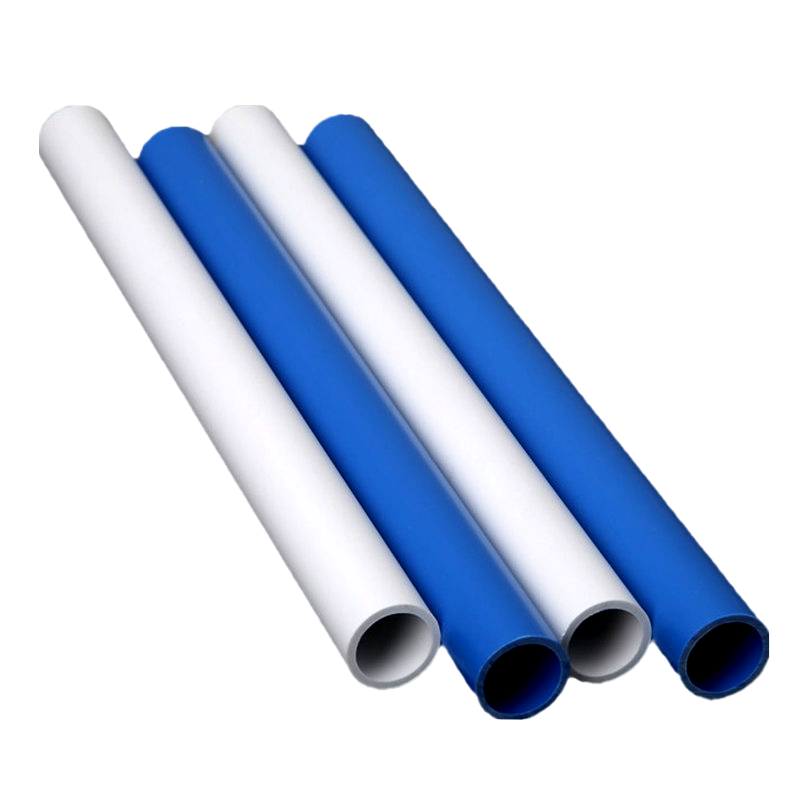
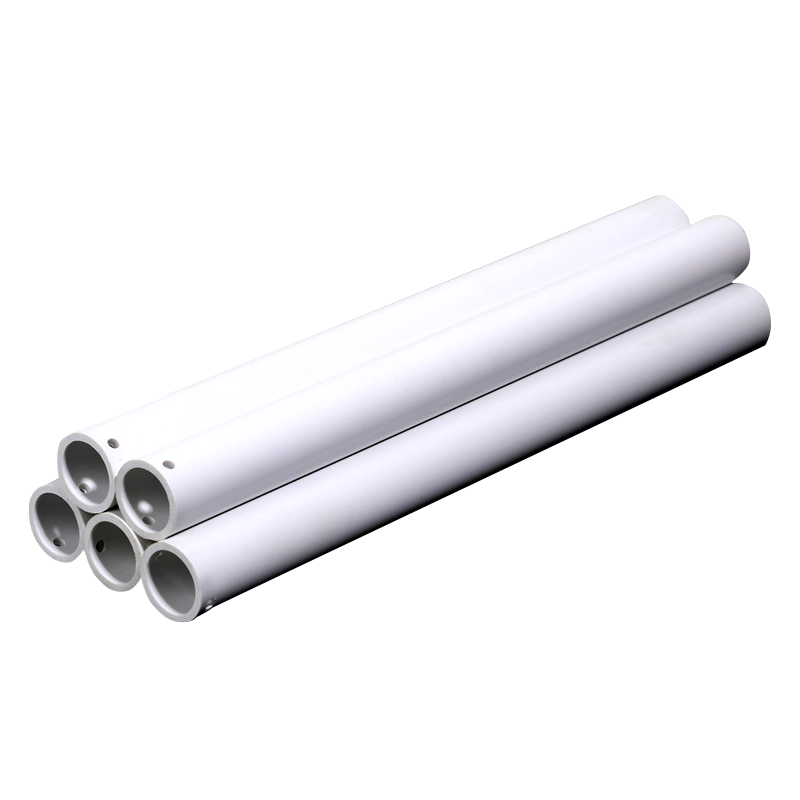
2023 New Cheap Plastic Pipe Multiple Colors And Sizes Custom Hand Waving Flagpole
-
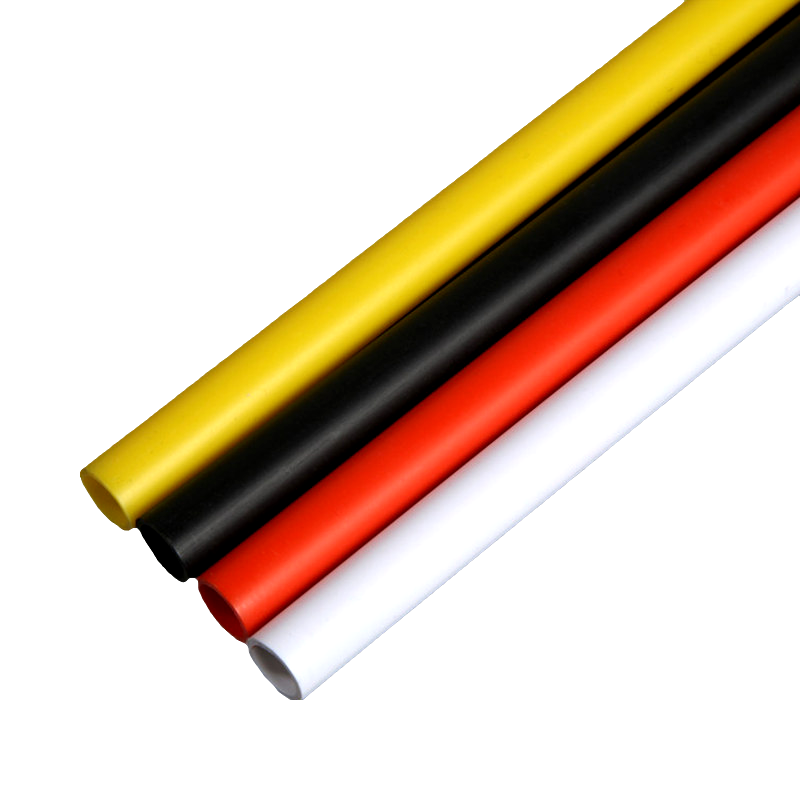
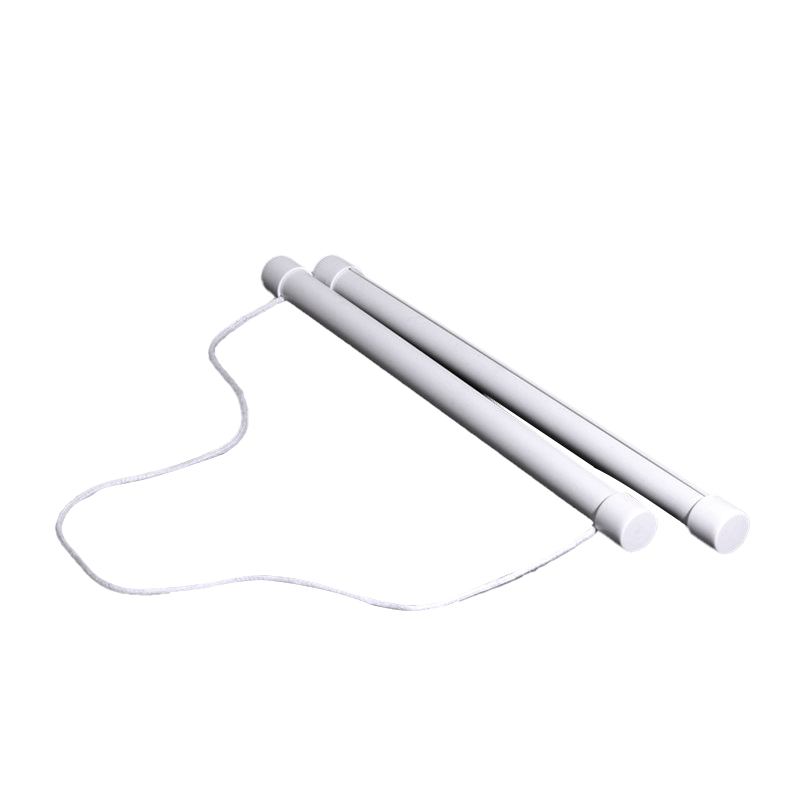
Wholesale Custom Pvc Material Indoor Desktop Flagpole Hand Waving Flagpole
-
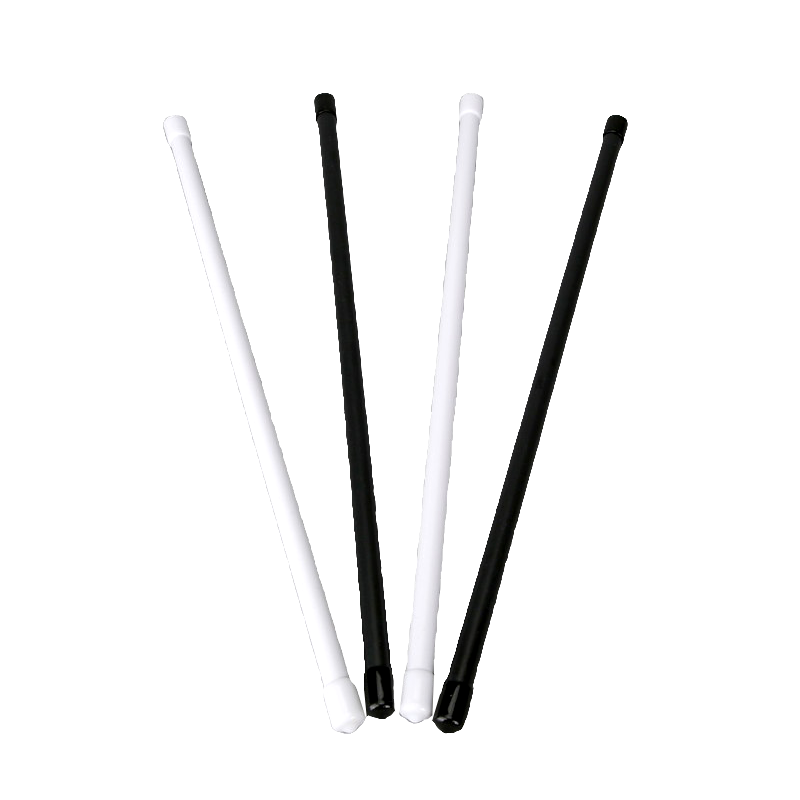
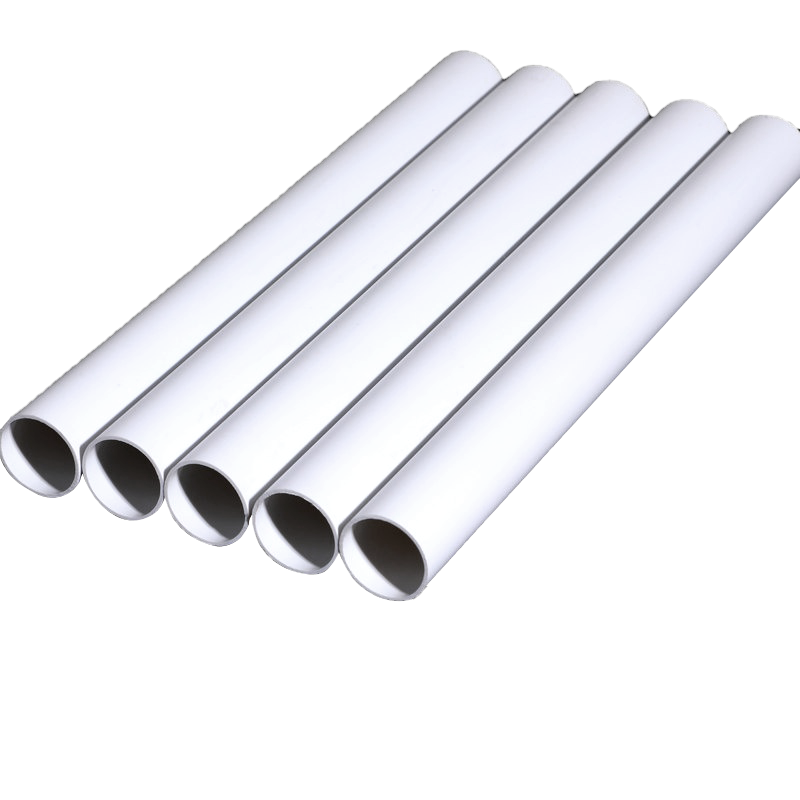
Customizable Size Custom Logo Plastics Hand Waving Flagpole Big Pvc Flagpole
-
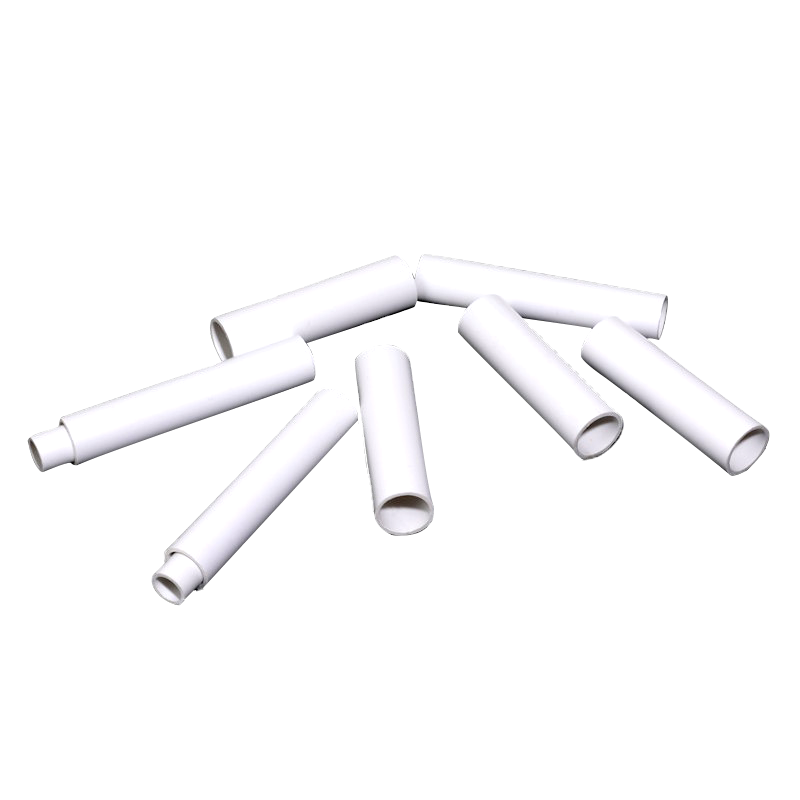
Plastics Hand Waving Flagpole Factory Direct Custom Wholesale PVC Flagpole Parts Pipe
-
Custom Easy Install Safety Flagpole Pvc China Factory Hand Waving Flagpole
-
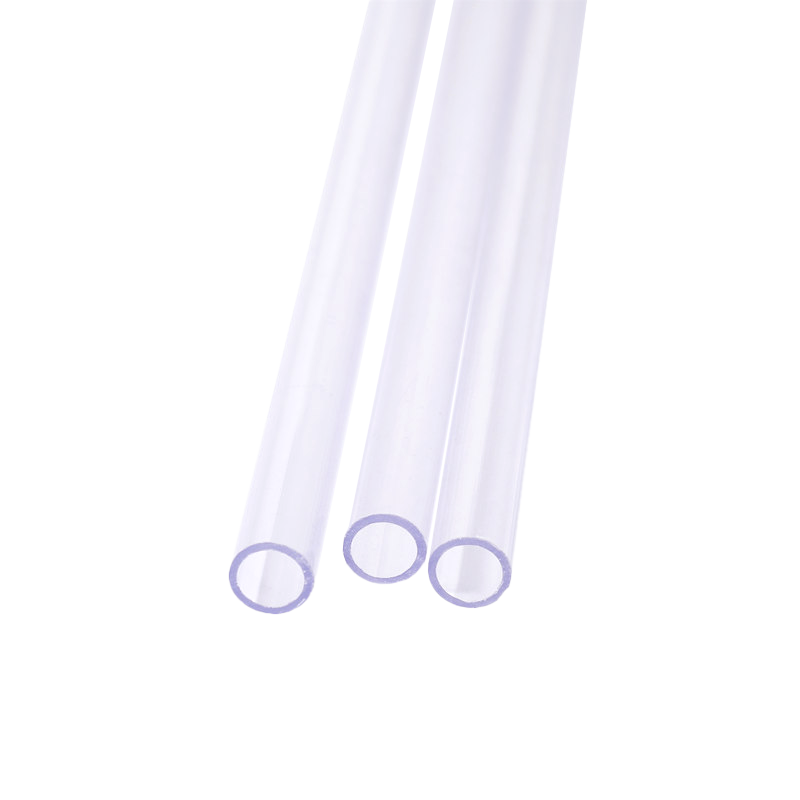
New Popular Product Transparent Pvc Flagpole Custom Size Hand Waving Flagpole
-
2023 High Quality Hand Waving Flagpole Big Or Small Flagpole Size Custom
-
Fast Delivery Promotion Factory Wholesale Flagpole Pvc Pipe Hand Waving Flagpole
-
2023 Personalized Custom Desk Hand Waving Flagpole Outdoor White Flagpole
-
Wholesale 2023 Hot Sale Used Flagpole Weight Custom Pvc Hand Waving Flagpole
-
Wholesale Products Cheap High Quality Hand Waving Flagpole Newest Sections Flagpole
-
Wholesale Cheap High-Quality Hot Sale Flagpole Cylindrical Hand Waving Flagpole

Follow Us:
Copyright © Tongxiang Guangyu Plastic Products Co., Ltd. Rights Reserved.
