
 +86-0573-88528475
 English
 русский
Search by posts
Product category
Industry News
 By Admin
Front Yard Flag Pole Guide: Parts, Sizes & Installation Tips
Content A residential front yard flag pole typically stands between 20 and 25 feet tall, is made from aluminum or fiberglass, and requires a ground sleeve foundation set in concrete at least 36 inches deep. Choosing the right pole involves more than picking a height — it means understanding each component, from the ground sleeve at the base to the finial at the top, so you can select, install, and maintain the system correctly over decades of use. Most homeowners underestimate how many individual parts make up a complete flagpole system. A pole that looks simple from the street is actually an assembly of eight or more components, each performing a specific structural or functional role. Getting any one of them wrong — particularly the halyard system or the ground sleeve sizing — leads to operational problems that are difficult to fix after installation. This guide covers every part in detail, how to choose the right pole for a residential front yard, and what installation actually involves. A complete residential flagpole system consists of both structural parts (which bear load and hold the pole upright) and operational parts (which allow the flag to be raised, lowered, and secured). Understanding each one helps you evaluate quality differences between product lines and diagnose problems when they arise. The ground sleeve is a steel tube buried in concrete below grade. It accepts the butt (bottom) of the flagpole shaft and anchors the entire system. For a 20-foot residential pole, the sleeve should be set in a concrete footing at least 36 inches deep and 12 inches in diameter. Taller poles — 25 feet and above — require deeper footings, often 42 to 48 inches. The sleeve must be set perfectly plumb; even a small lean becomes visually obvious once the pole is installed. The shaft is the main vertical tube of the flagpole. Residential poles are typically tapered — wider at the base and narrower at the top — which improves wind resistance and gives a proportionally elegant appearance. Shafts are most commonly made from one of three materials: The finial sits at the very top of the pole shaft. It is both decorative and functional — it caps the shaft to prevent water ingress and provides the anchor point for the internal halyard or external cleat hardware. The most common residential finial shapes are the ball (also called a truck ball or globe) and the eagle. Ball finials are by far the most standard choice, with diameters ranging from 3 inches for 20-foot poles to 5 inches for poles 30 feet and taller. The truck is the fitting at the top of the pole that houses the pulley (or sheave) through which the halyard runs. On internal halyard poles, the truck is a sealed assembly through which the rope passes internally and exits through a door in the shaft below. On external halyard poles, the truck is a simpler open fitting with one or two pulleys exposed to the elements. Trucks are typically made from cast aluminum or nylon-reinforced polymer. The halyard is the rope or cable used to raise and lower the flag. It loops from the truck pulley down to a cleat at the base of the pole. There are two halyard system types used in residential flagpoles: The cleat is the metal fitting mounted on the pole shaft (on external halyard poles) or inside the access door (on internal halyard poles) where the halyard is tied off to hold the flag at the desired height. Cleats are typically made from cast aluminum or stainless steel. On anti-theft internal halyard systems, the access door has a lock that prevents unauthorized lowering of the flag. Snap hooks attach the flag's header grommets to the halyard. Standard residential poles use two snap hooks spaced to match a flag's grommet spacing — typically 12 to 14 inches apart for a 3×5 foot flag. Quality snap hooks are made from solid brass or stainless steel; cheap zinc alloy hooks corrode rapidly and can fail, dropping the flag. Swivel snap hooks are preferable because they allow the flag to rotate with wind direction changes, reducing tangling. The flash collar is a decorative ring that sits at the base of the pole, covering the joint between the pole shaft and the ground sleeve. It gives the installation a clean, finished appearance and helps shed water away from the sleeve opening. Flash collars are typically made from cast aluminum and are finished to match the pole shaft color — most commonly satin silver or bronze. Height selection is one of the most consequential decisions in residential flagpole installation, and it is determined by three factors: the size of your property, the size of the flag you want to fly, and local ordinance restrictions. A flag that is too large for its pole will overwhelm the installation structurally and visually; one that is too small will look lost. The industry-standard guideline is that flag length should equal approximately 25% of pole height. Using this rule: Many municipalities cap residential flagpole height at 20 to 25 feet without a permit. Some HOAs impose additional restrictions on pole height, material finish color, and placement within the front yard setback. Always check local zoning codes and HOA rules before purchasing a pole — installing an oversized pole can result in mandatory removal at the homeowner's expense. In the United States, the Freedom to Display the American Flag Act of 2005 limits HOAs from prohibiting flag display entirely, but it does not override specific height or placement rules. Placement affects both the visual impact of the flagpole and its structural performance. A poorly positioned pole can interfere with underground utilities, create landscaping conflicts, or violate setback requirements even if the pole height is compliant. Installing a front yard flagpole is a half-day to full-day project for most homeowners. The most labor-intensive step is excavating and setting the footing — the pole installation itself is straightforward once the sleeve is properly anchored. A well-maintained aluminum flagpole can last 20 to 30 years or more, but neglecting routine checks on the operational components — especially the halyard and snap hooks — leads to premature failures that are frustrating and sometimes dangerous. Most front yard flagpoles are sold as complete kits that include the shaft, truck, finial, flash collar, halyard, and snap hooks. Evaluating kit quality before purchase will save money on repairs and replacements over the system's lifespan.A Front Yard Flag Pole Is a Long-Term Installation That Rewards Careful Planning
Parts of a Flagpole: Every Component Explained
Ground Sleeve (Foundation Sleeve)
Pole Shaft
Finial (Ornamental Top)
Truck
Halyard (Flag Rope)
Cleat
Snap Hooks (Flag Clips)
Flash Collar (Butt Cap)
Flagpole Parts at a Glance
Part Name
Location on Pole
Primary Function
Common Material
Ground Sleeve
Below grade
Anchors pole in concrete
Galvanized steel
Flash Collar
Base, at grade level
Decorative cover, water shed
Cast aluminum
Pole Shaft
Full height
Structural support
Aluminum or fiberglass
Cleat / Access Door
Lower shaft
Secures halyard
Aluminum or stainless steel
Halyard
Full length, internal or external
Raises and lowers flag
Polyester rope or stainless cable
Snap Hooks
On halyard
Attach flag to rope
Brass or stainless steel
Truck
Top of shaft
Houses pulley for halyard
Cast aluminum or nylon
Finial
Very top
Decorative cap, seals shaft
Aluminum or polished brass
Choosing the Right Height for a Front Yard Flag Pole
Pole Height vs. Flag Size
Local Ordinance and HOA Restrictions
Residential Flagpole Height Comparison
Pole Height
Recommended Flag Size
Typical Footing Depth
Best For
15 feet
2×3 ft or 3×5 ft
24–30 inches
Small lots, townhomes
20 feet
3×5 ft
36 inches
Standard residential (most common)
25 feet
4×6 ft
42 inches
Large yards, corner lots
30 feet
5×8 ft
48 inches
Estates, acreage properties
Front Yard Placement: Where to Position the Pole
Installation Overview: What the Process Actually Involves
Maintenance: Keeping Every Part of the Flagpole in Working Order
What to Look for When Buying a Residential Flagpole Kit
Recommended products
-
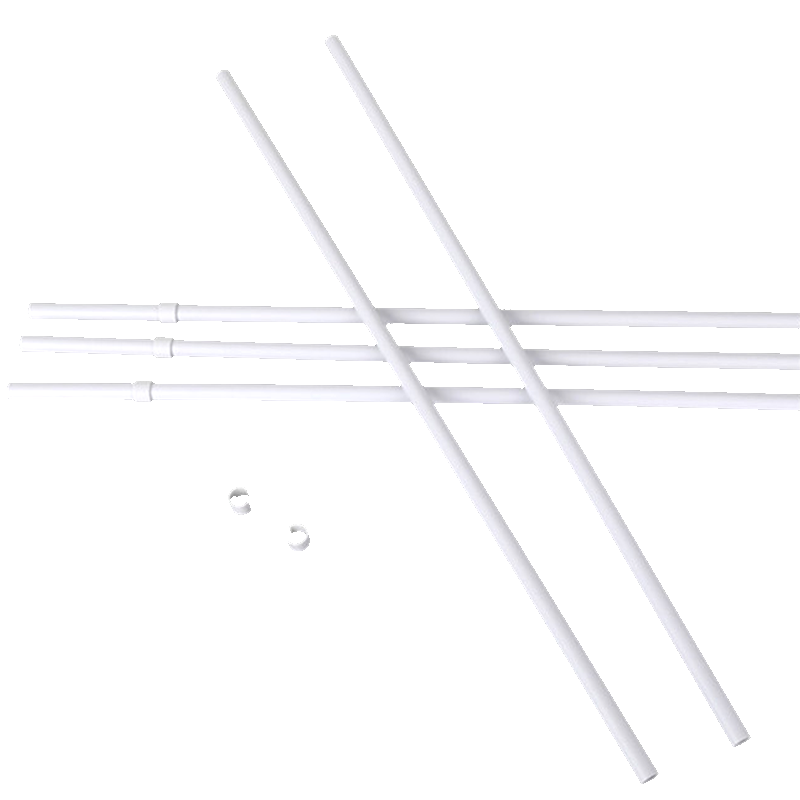
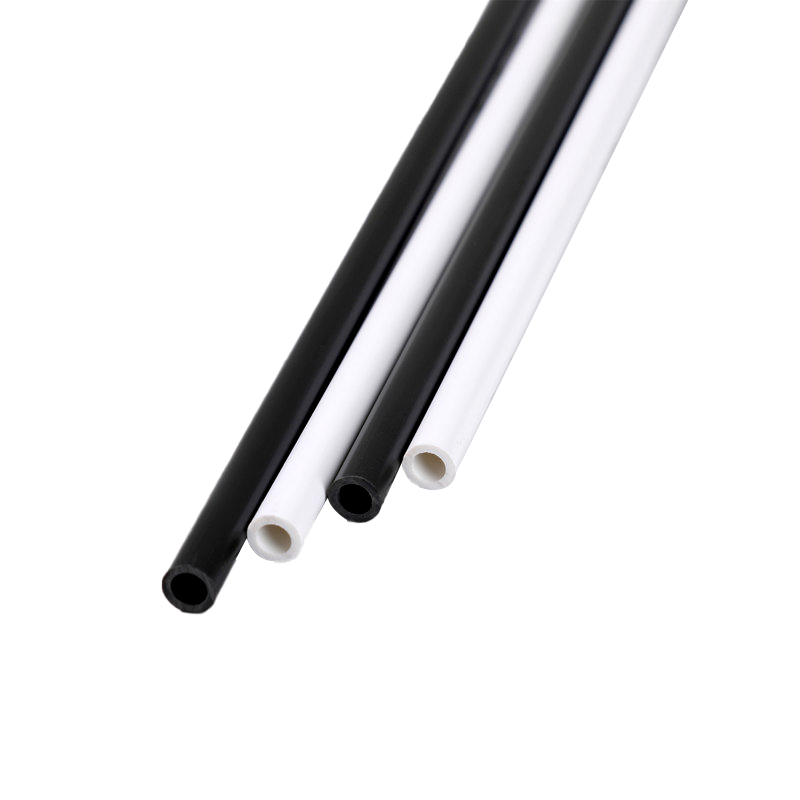
2023 New Cheap Plastic Pipe Multiple Colors And Sizes Custom Hand Waving Flagpole
-
Wholesale Custom Pvc Material Indoor Desktop Flagpole Hand Waving Flagpole
-
Customizable Size Custom Logo Plastics Hand Waving Flagpole Big Pvc Flagpole
-
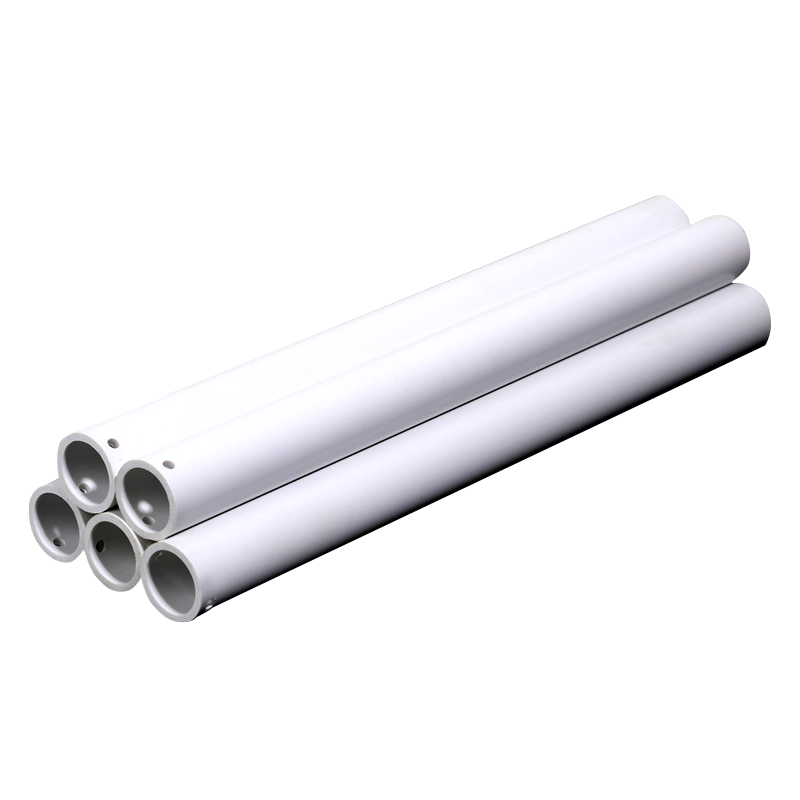
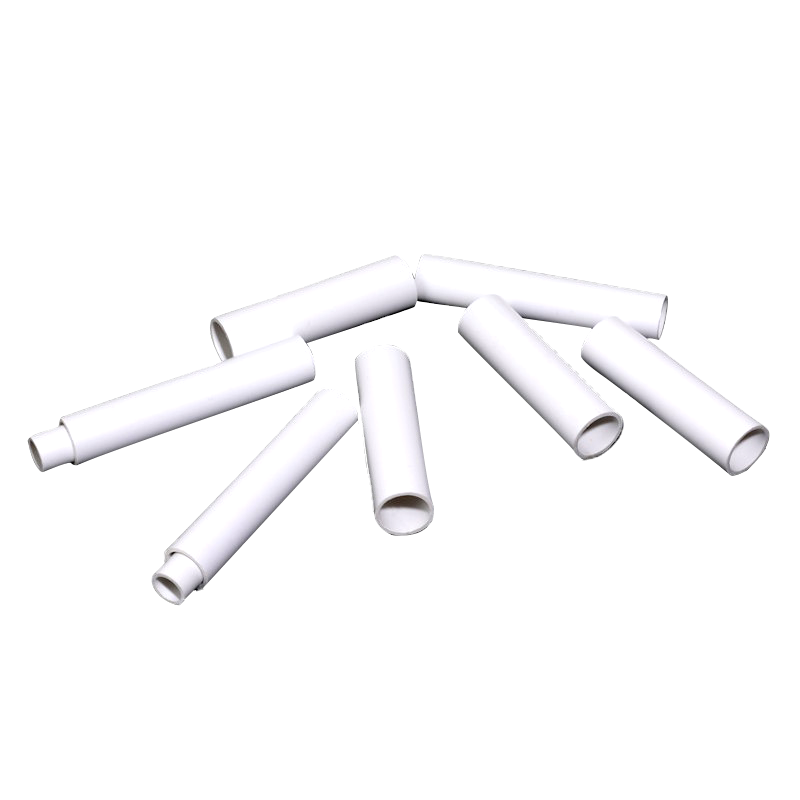
Plastics Hand Waving Flagpole Factory Direct Custom Wholesale PVC Flagpole Parts Pipe
-
Custom Easy Install Safety Flagpole Pvc China Factory Hand Waving Flagpole
-
New Popular Product Transparent Pvc Flagpole Custom Size Hand Waving Flagpole
-
2023 High Quality Hand Waving Flagpole Big Or Small Flagpole Size Custom
-
Fast Delivery Promotion Factory Wholesale Flagpole Pvc Pipe Hand Waving Flagpole
-
2023 Personalized Custom Desk Hand Waving Flagpole Outdoor White Flagpole
-
Wholesale 2023 Hot Sale Used Flagpole Weight Custom Pvc Hand Waving Flagpole
-
Wholesale Products Cheap High Quality Hand Waving Flagpole Newest Sections Flagpole
-
Wholesale Cheap High-Quality Hot Sale Flagpole Cylindrical Hand Waving Flagpole
Follow Us:
Copyright © Tongxiang Guangyu Plastic Products Co., Ltd. Rights Reserved.
