
 +86-0573-88528475
 English
 русский
Search by posts
Product category
Industry News
 By Admin
Flagpole Maintenance Guide: Cleaning, Halyard Care, Inspection, and Repair Tips
After a long festival season or a hard winter, a flagpole often shows subtle signs of wear before it fails. The halyard may feel rough in your hand, the surface may have lost its gloss, and the pulley may begin to stick with every pull. These small issues are easy to ignore, but they are also the most common reason flagpoles need premature replacement. A simple maintenance routine can keep a pole in safe working order for years, and knowing what to check matters more than owning expensive tools. Content Regular maintenance is the cheapest insurance a flagpole owner can buy. A short inspection twice a year prevents corrosion, worn ropes, loose hardware, and hazardous structural problems. It also protects the flag itself: a frayed halyard or a rough pulley edge can tear fabric in a matter of days. For commercial properties, an unmaintained flagpole is a liability. If a cable snaps or the pole bends in a storm, it can damage roofs, vehicles, or people nearby. The time spent on a simple check is minimal compared with the cost of emergency repair or replacement. The most reliable approach is to inspect the pole twice a year in spring and fall, plus after every major storm. The checklist below covers the main components and the actions that keep them functioning. For a more detailed comparison of the materials used in plastic flagpoles, read our article on specific material choices for plastic pipe flagpoles. If any component fails in between inspections, do not wait; deal with it as soon as you notice it. Mild soap and water work for most pole materials. Dampen a soft cloth, wipe the pole from bottom to top, then rinse with clean water. Avoid abrasive pads, scouring powders, and solvent-based cleaners because they scratch the protective coating and expose the material underneath to the weather. For aluminum and fiberglass poles, this simple cleaning also removes pollutants that accelerate oxidation. For PVC poles, the same gentle approach is sufficient. Strong solvents such as acetone or gasoline can break down the polymer and leave the surface brittle. If you see chalking or dulling on a PVC pole, ultraviolet radiation has probably begun to age the outer layer. The halyard is the part that takes the most abuse. It moves constantly, rubs against the pulley, and absorbs the tension created by wind. Inspect the entire length of the rope, not just the section near the flag. Run it through your fingers and look for weak spots, broken fibers, or rust stains if the halyard is a cable. Replacing a worn rope is much easier than repairing a seized pulley. For pulleys and winches, use a small amount of suitable lubricant and wipe away any excess. A thin coat is enough; too much grease attracts dust and turns into a sticky paste. After a severe storm, examine the pole before you raise a flag again. Look at the full length for bending, particularly on sectional poles, and check that the pole has not moved out of plumb. In cold winter climates, ice and snow add unexpected weight to the halyard and can freeze the pulley. Clear any ice that forms near the top, and do not force the rope when it feels frozen. If your pole has a base cover, remove it from time to time and check that water is not collecting around the anchors. Standing water there can corrode the base hardware and loosen the concrete anchor. Cleaning and lubrication do not solve structural problems. Hairline cracks, deep dents, noticeable bends, corroded base plates, and heavy rust on hardware all indicate that a repair is not the safe answer. A damaged metal pole can fail suddenly under wind load, and a cracked plastic pole can snap at an unpredictable angle. In those cases, replacing the pole is usually cheaper and safer than repeated repairs. Compare the condition of your existing pole with the specifications on our homepage, and if maintenance costs begin to approach the price of a new pole, make the replacement. Hand-waving flagpoles and other portable PVC poles do not need heavy maintenance like a permanent installation, but they still need regular attention. Many of the portable hand-waving flagpoles we manufacture are used at outdoor events, tailgate gatherings, and parades, so they see dust, moisture, and occasional rough handling. After each use, wipe the surface with a damp cloth and check for dents, scratches, or loose end caps. Store the pole in a dry place away from direct sunlight when it is not in use. For festival walking mount flagpoles, pay special attention to the joint where the pole attaches to a belt mount or backpack bracket. Walking motion can loosen screws and stress the mounting area. Tighten any visible hardware before an event, and inspect the pole for stress marks afterward. These lightweight PVC poles are easy to clean, but they should never be left in a hot car for long periods. Heat can soften the plastic and cause a permanent bend. Vehicle-mounted poles face different conditions. The indoor and outdoor flagpoles for vehicles must handle vibration, wind drag, and direct sunlight. Check the base clamp and any rubber grommets regularly because vibration is the most common cause of failure on this type of pole. Keep the pole clean and remove it from the mount whenever the vehicle will sit in the sun for hours. You do not need a complicated system to stay on top of flagpole care. This schedule is easy to follow for a single home pole or a commercial flagpole. A flagpole that receives routine attention looks better, operates more safely, and lasts far longer than one that is ignored. You do not need a professional for every small task; a soft cloth, mild soap, and a few minutes of inspection are enough to catch most problems early. If a component is already worn past the point of repair, replace it before it becomes an emergency. The time spent on maintenance is small compared with the cost of an unexpected failure, and the result is a flagpole you can rely on for many seasons.Why Flagpole Maintenance Matters
Build a Simple Inspection Routine
Component
Frequency
What to Look For
Maintenance Action
Pole surface
Twice a year
Dirt, chalking, oxidation, cracks, loose paint
Clean with mild soap and water; touch up paint if needed
Halyard / cable
Twice a year and after storms
Fraying, kinks, rust, broken strands
Replace immediately if worn
Pulley and winch
Twice a year
Grinding, misalignment, loose bolts
Clean and lubricate sparingly; tighten hardware
Snap hooks and clips
Twice a year
Distortion, rust, weak spring
Replace damaged hardware
Foundation and base
Annually
Loose concrete, cracks, exposed anchor bolts
Re-secure or repair as needed
Clean the Pole Surface Without Damaging the Finish
Keep Halyard and Hardware in Good Shape
Check After Storms and Seasonal Changes
Know When to Repair or Replace
Care Tips for Hand-Waving and Portable Flagpoles
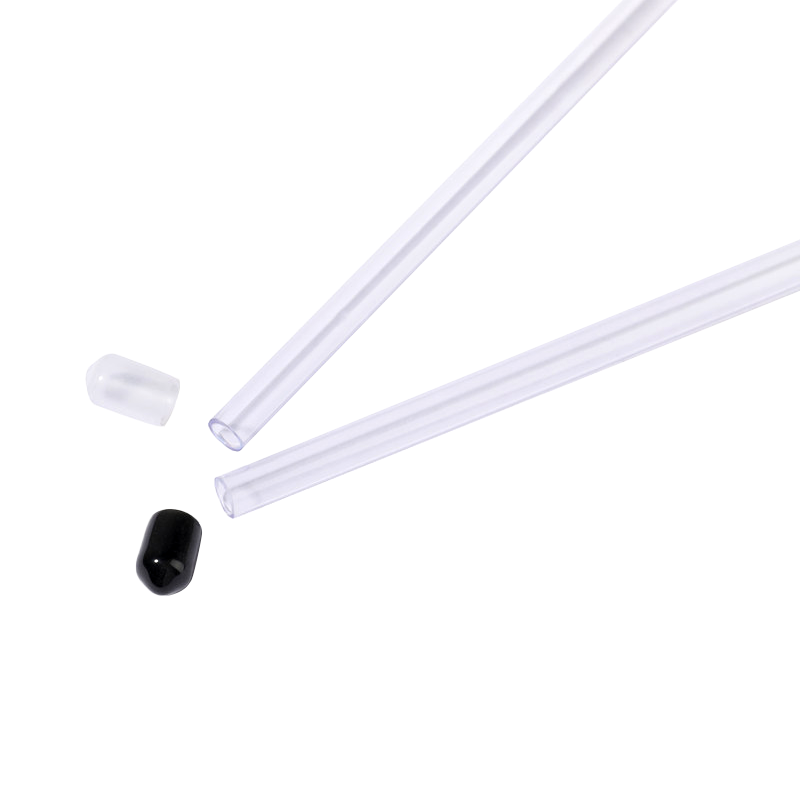
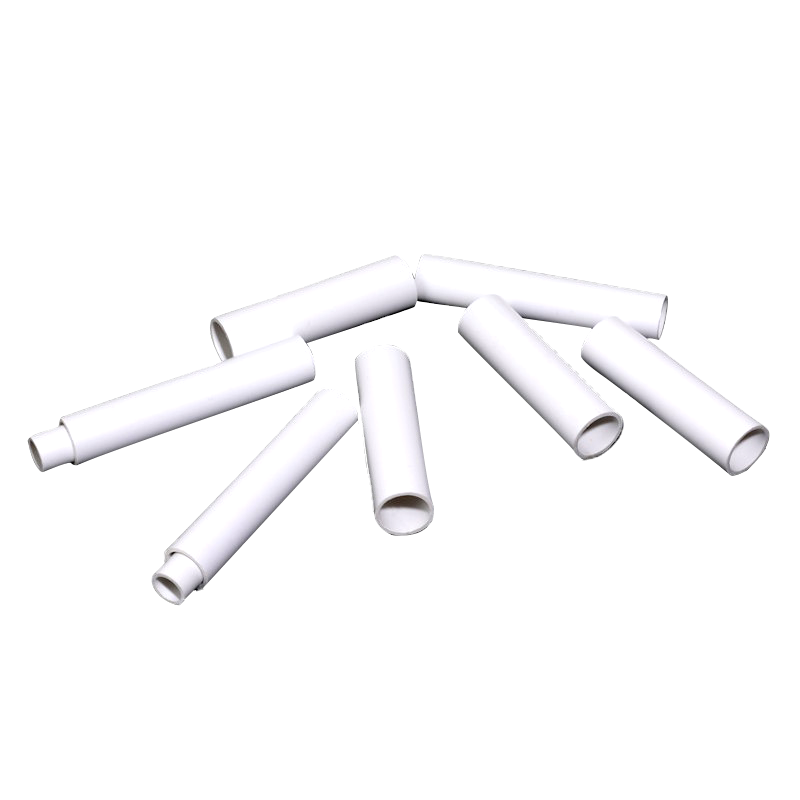
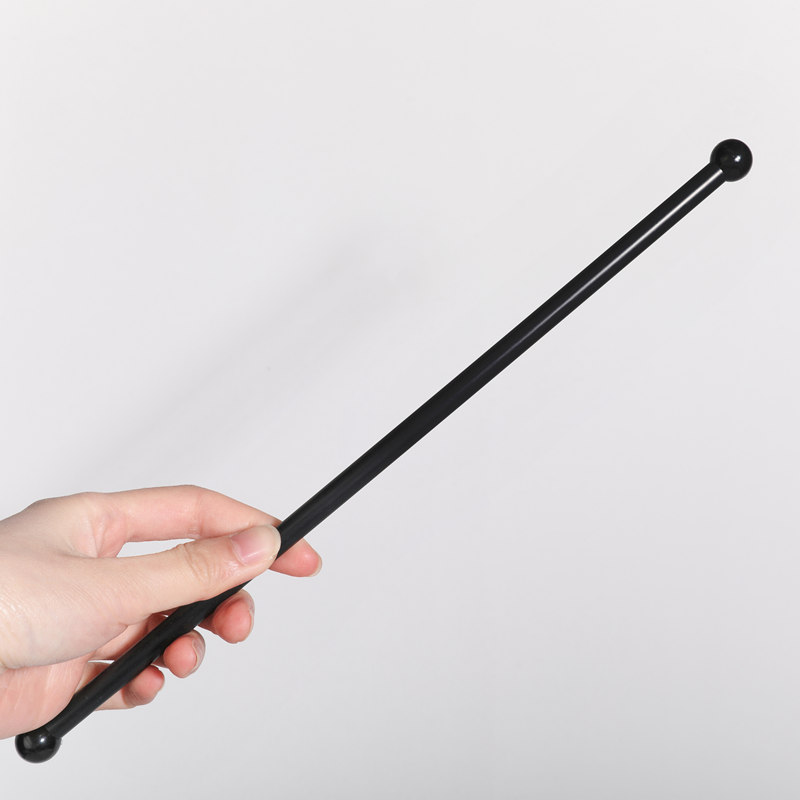 OEM/ODM Custom High Quality Hand Waving Flagpole Indoor Outdoor Hand Pulled FlagTongxiang Guangyu Plastic Products Co., Ltd is China OEM/ODM Custom High Quality Hand Waving Flagpole Indoor Outdoor Hand Pulled Flagpole...View Product →
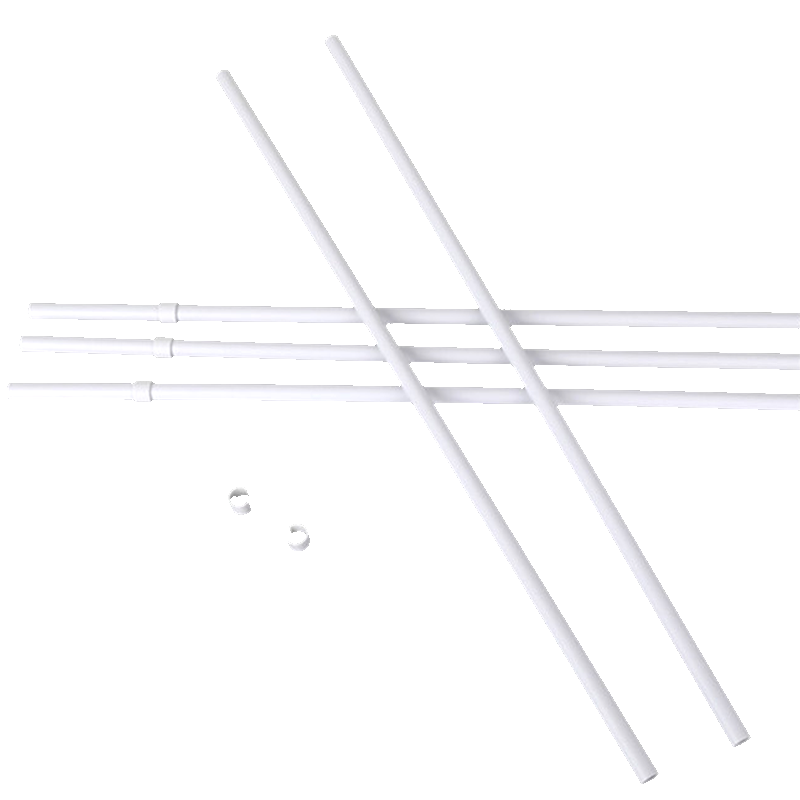
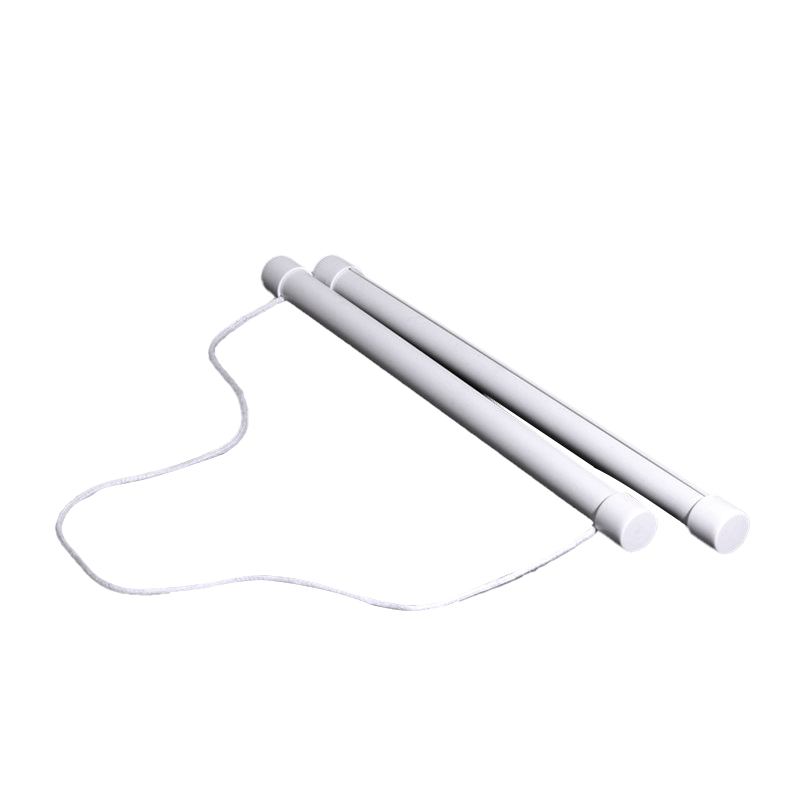
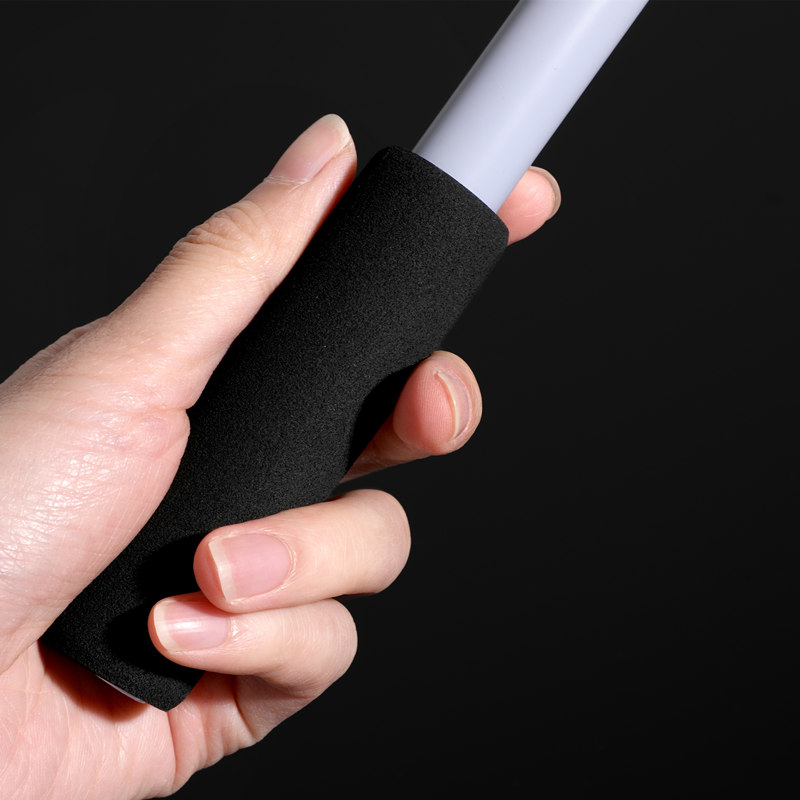 OEM/ODM Festival Walking Mount Flagpoles Personalized Design Hand Waving FlagpolTongxiang Guangyu Plastic Products Co., Ltd is China OEM/ODM Festival Walking Mount Flagpoles Personalized Design Hand Waving Flagpole ma...View Product →
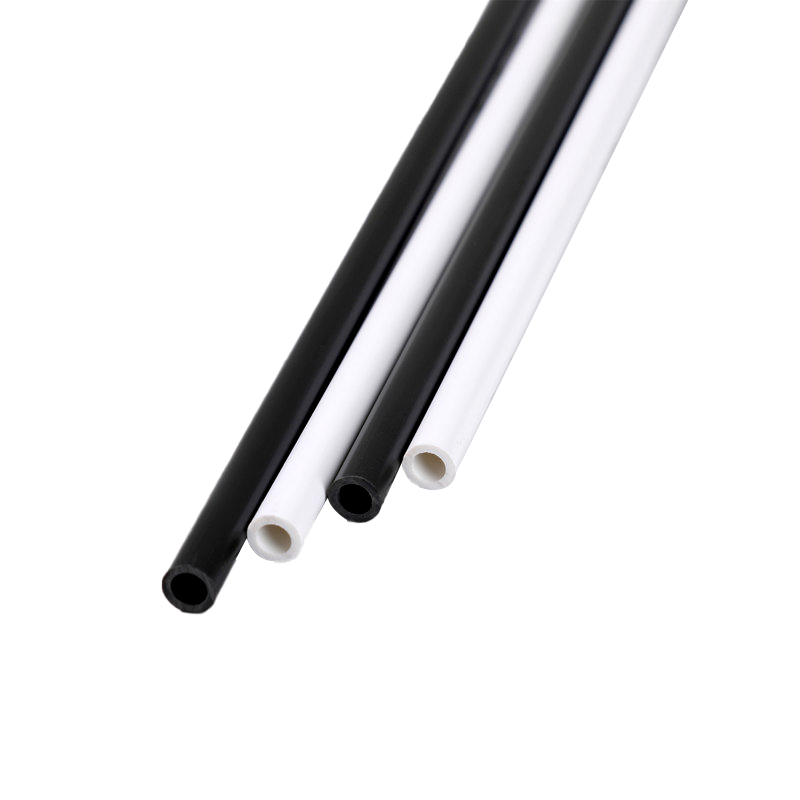
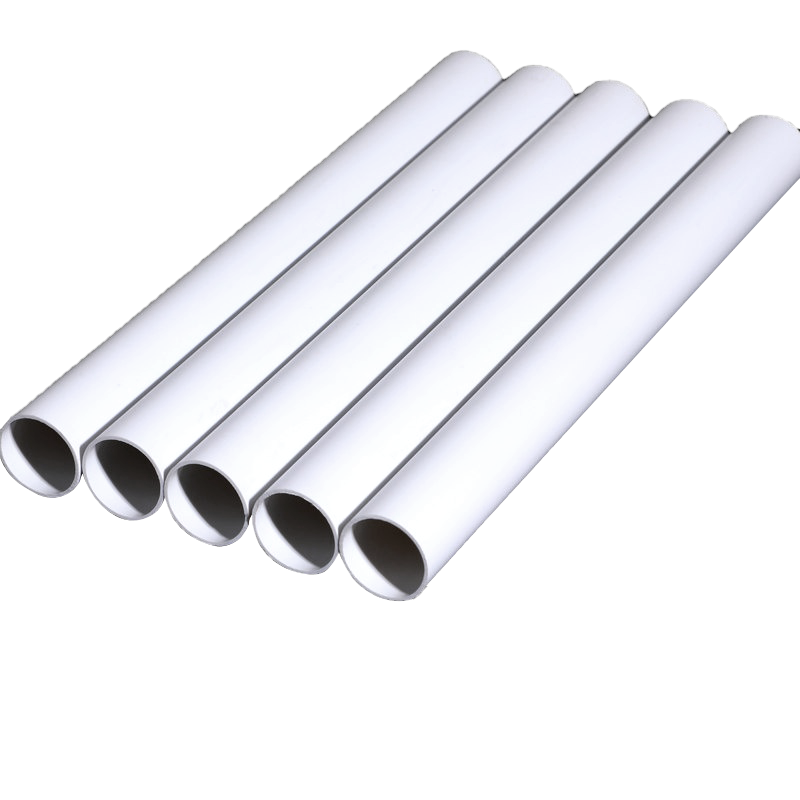
 OEM/ODM Hand Waving Flagpole Hot Sale Custom Indoor Outdoor Flagpole For Car OffTongxiang Guangyu Plastic Products Co., Ltd is China OEM/ODM Hand Waving Flagpole Hot Sale Custom Indoor Outdoor Flagpole For Car Offroad...View Product →
A Practical Maintenance Schedule
Recommended products
-
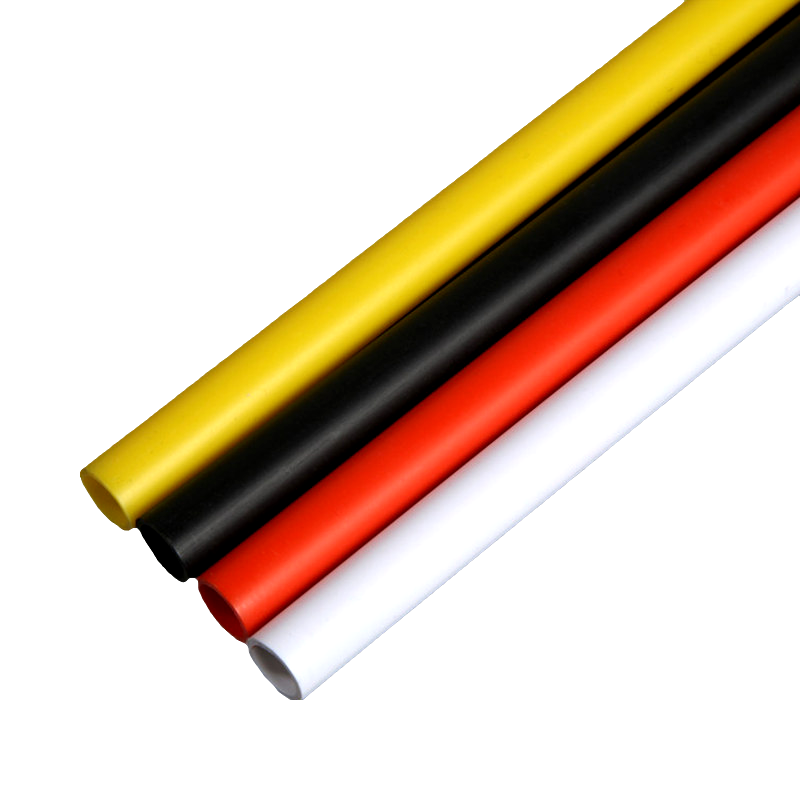
2023 New Cheap Plastic Pipe Multiple Colors And Sizes Custom Hand Waving Flagpole
-
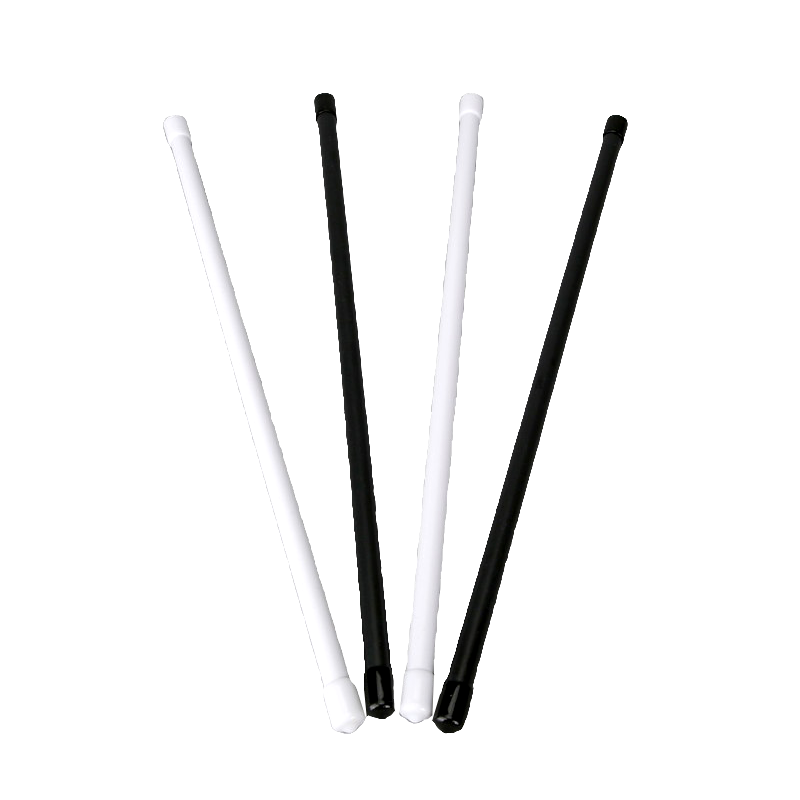
Wholesale Custom Pvc Material Indoor Desktop Flagpole Hand Waving Flagpole
-
Customizable Size Custom Logo Plastics Hand Waving Flagpole Big Pvc Flagpole
-
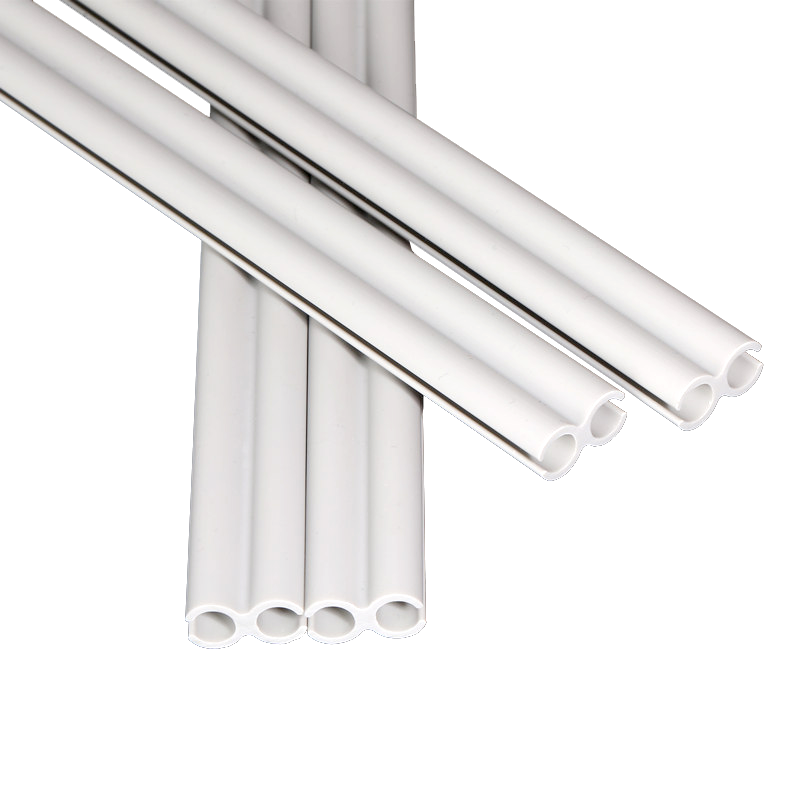
Plastics Hand Waving Flagpole Factory Direct Custom Wholesale PVC Flagpole Parts Pipe
-
Custom Easy Install Safety Flagpole Pvc China Factory Hand Waving Flagpole
-
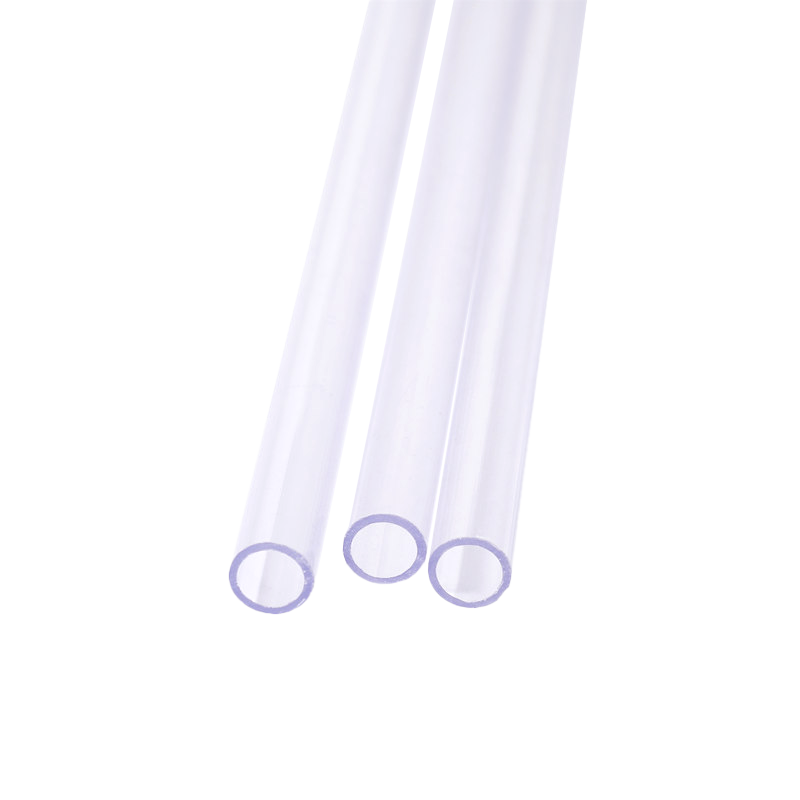
New Popular Product Transparent Pvc Flagpole Custom Size Hand Waving Flagpole
-
2023 High Quality Hand Waving Flagpole Big Or Small Flagpole Size Custom
-
Fast Delivery Promotion Factory Wholesale Flagpole Pvc Pipe Hand Waving Flagpole
-
2023 Personalized Custom Desk Hand Waving Flagpole Outdoor White Flagpole
-
Wholesale 2023 Hot Sale Used Flagpole Weight Custom Pvc Hand Waving Flagpole
-
Wholesale Products Cheap High Quality Hand Waving Flagpole Newest Sections Flagpole
-
Wholesale Cheap High-Quality Hot Sale Flagpole Cylindrical Hand Waving Flagpole
Follow Us:
Copyright © Tongxiang Guangyu Plastic Products Co., Ltd. Rights Reserved.
