
 +86-0573-88528475
 English
 русский
Search by posts
Product category
Industry News
 By Admin
Flagpole Base Types, Materials & Selection Guide | Ground Set to Portable
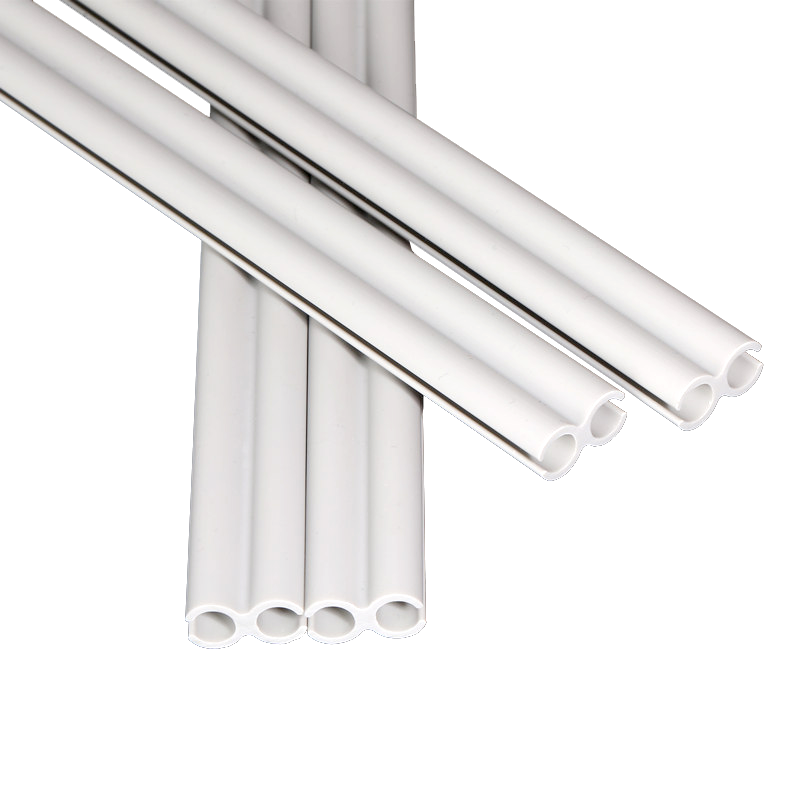
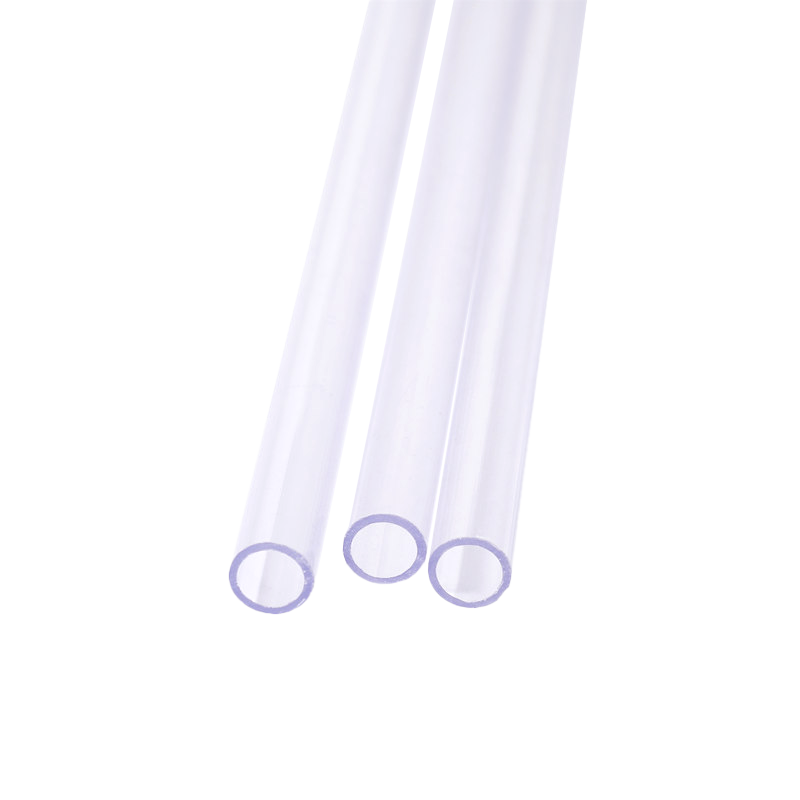
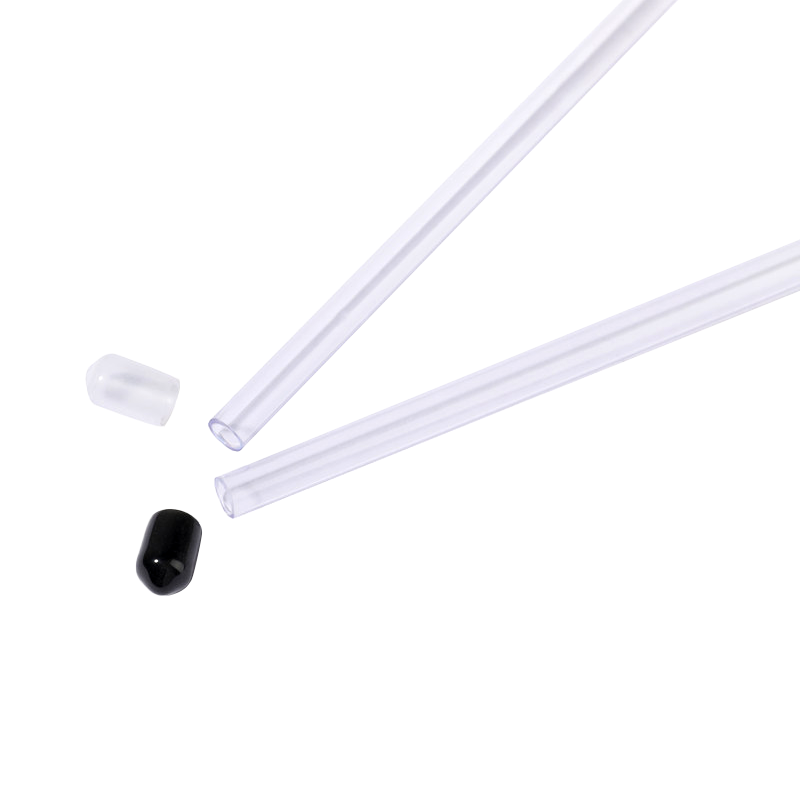
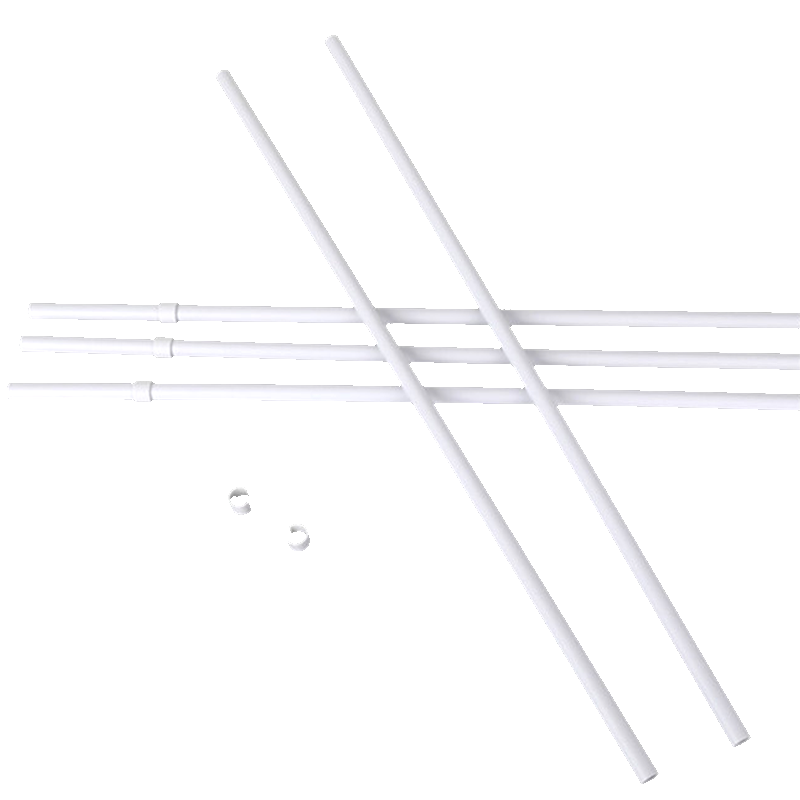
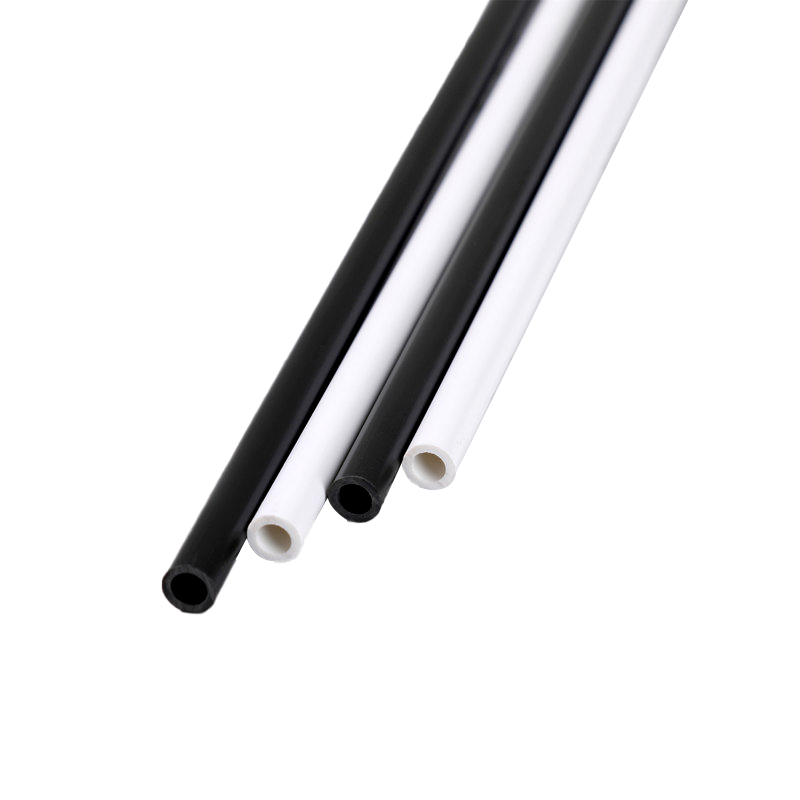
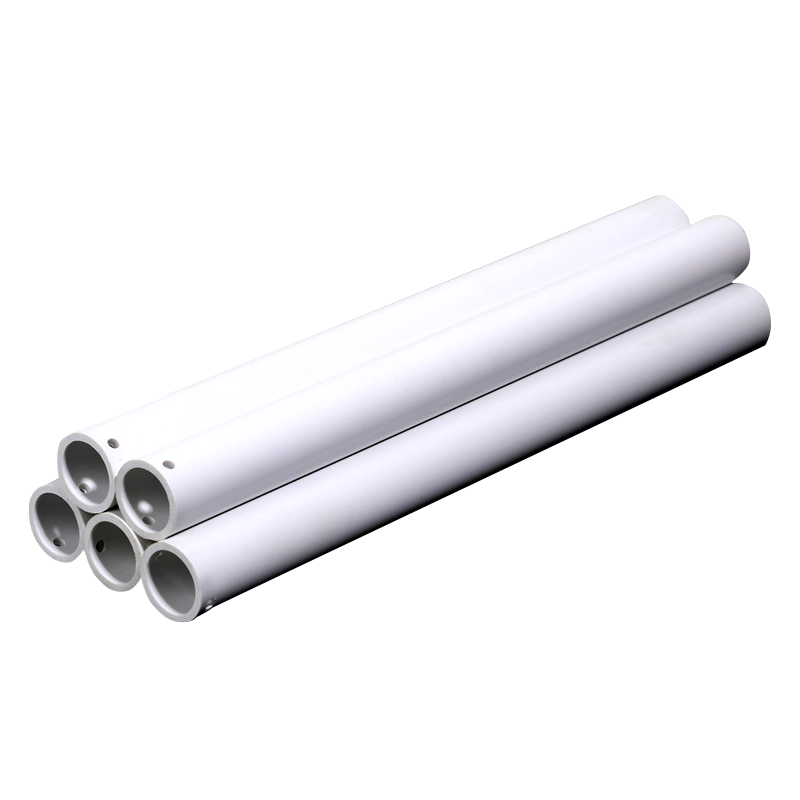
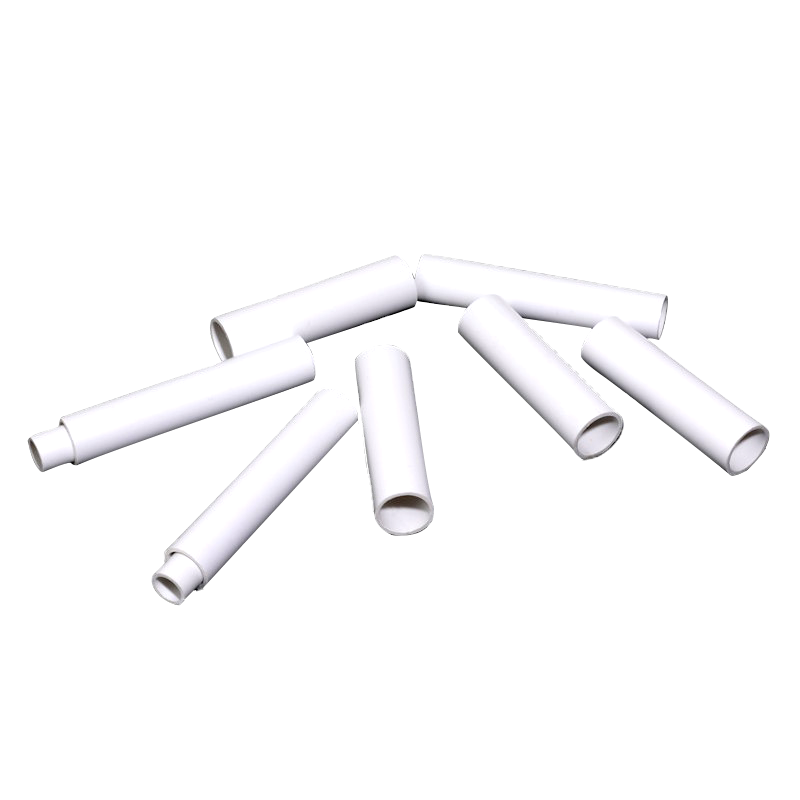
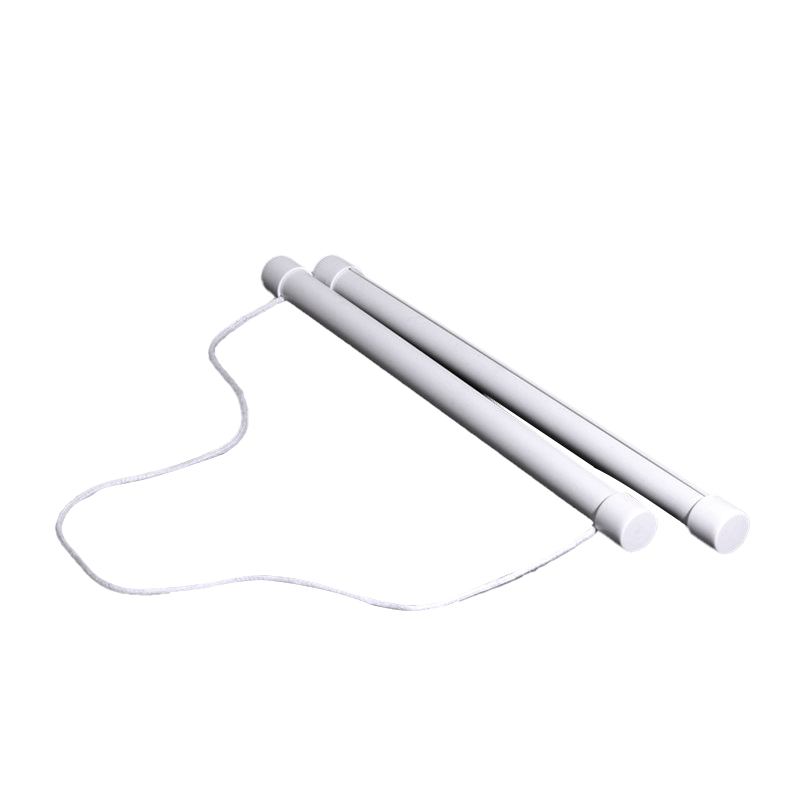
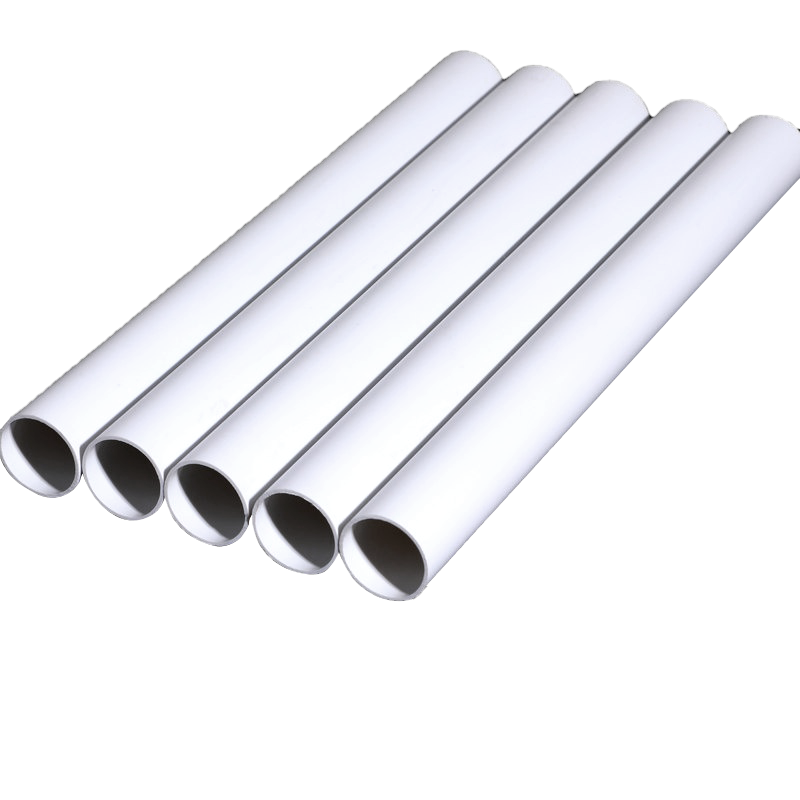
Content A flagpole base is the structural foundation that anchors a flagpole in place and transfers the forces acting on it — wind load, flag weight, and dynamic motion — safely into the ground or mounting surface below. Get it right and the flagpole stands straight, flies cleanly, and requires minimal maintenance for years. Get it wrong and you face a pole that shifts, leans, or fails entirely under the kind of lateral pressure that even a moderate wind generates across a full flag face. The physics behind that pressure are worth understanding. A flag acts as a sail. In a 30 mph wind, a standard 3×5 ft flag generates significant lateral force that is transferred entirely down the pole shaft and into the base. The base must resist both the direct horizontal push of the wind and the resulting bending moment — the tendency of the pole to rotate at its base point. This is why base selection is not an afterthought; it is the starting point of any properly engineered flagpole installation. Base requirements vary considerably depending on the flagpole's height, diameter, material, location, and intended use. A compact handheld or desk flagpole needs little more than a weighted socket to remain stable. A 30-foot commercial flagpole installed in a high-wind zone requires a concrete-encased sleeve or anchor bolt system engineered to local soil and wind speed conditions. Understanding the spectrum between these two extremes is the first step toward selecting the right solution. For permanent flagpole installations, two systems dominate: ground set and shoe base. They solve the same problem — keeping a flagpole vertical and stable — through fundamentally different approaches, and choosing between them depends primarily on the mounting surface and site conditions. Ground set is the industry's standard for permanent, high-strength installations. The flagpole shaft extends directly into a concrete foundation poured around a buried ground sleeve, with the depth of burial equal to approximately 10% of the mounting height. A 25-foot flagpole, for example, requires roughly 2.5 feet of the shaft to be set below grade. The concrete foundation distributes the bending moment across a large volume of soil, making ground set installations the most wind-resistant option available. According to Concord American Flagpole's technical guidance on foundation options, ground set is the strongest and most common form of flagpole installation — the default choice wherever soil conditions permit excavation. Shoe base installations anchor the flagpole to an above-ground concrete surface using a welded base plate and embedded anchor bolts. The flagpole sits on the base casting rather than inside the ground. This approach is used where excavation is not possible — on rooftops, concrete pads, plazas, or any hardscape surface where digging below grade is impractical. Shoe base mounts offer installation flexibility but generally carry a lower wind rating than equivalent ground set installations, since the anchor bolt pattern must resist the full bending moment without the benefit of deep soil embedment. Not every flagpole application calls for a permanent installation. Events, exhibitions, retail promotions, sports fixtures, and indoor ceremonies all require flagpoles that can be set up quickly, moved between locations, and stored flat. Portable and freestanding bases are built around that requirement. The most common portable bases are weighted floor stands — circular or cross-shaped bases with a central socket that accepts the flagpole shaft. Many are designed to be filled with sand or water after positioning, adding ballast without making them too heavy to transport empty. Rubber feet or a non-slip base surface prevent movement on hard floors. For outdoor events in moderate wind conditions, these stands perform reliably for flagpoles up to 8–10 feet in height. Desk and countertop flagpole bases represent the smallest category — compact weighted sockets designed for small handheld-format or display flags used in offices, classrooms, conference rooms, and retail counters. At this scale, the base is primarily aesthetic as much as functional, and material choice shifts accordingly toward finishes that complement the display environment. Lightweight PVC pipe construction makes these formats easy to customize in color, diameter, and length. Our custom outdoor desk flagpole with white PVC pipe is a practical example of this format — compact, lightweight, and fully customizable for branded display applications. For buyers sourcing at volume, our wholesale PVC flagpole parts and pipe for hand waving flagpoles covers the full component range for both handheld and mounted configurations. Vehicle-mounted and hitch-insert bases form another portable category, primarily serving outdoor recreation, off-road, and event marketing applications. These mounts insert into a standard trailer hitch receiver and hold the flagpole vertically or at an angle while the vehicle is stationary. They require no tools and no ground contact at all. Base material determines durability, weight, corrosion resistance, and total cost — and the right choice depends heavily on the installation environment and flagpole format. Aluminum is the standard material for commercial ground set and shoe base systems. Cast aluminum base castings resist corrosion in outdoor environments, handle the structural loads of large-diameter commercial flagpoles, and are available in a range of finishes including satin, anodized, and powder-coated options. For permanent installations of 20 feet and above in exposed outdoor locations, aluminum remains the most specified material in the industry. PVC and rigid plastic materials occupy a different part of the market. For handheld flagpoles, desk flags, event displays, and smaller portable formats, PVC pipe and profile components offer a combination of advantages that aluminum cannot match at this scale: they are significantly lighter, corrosion-proof in all weather conditions, easy to cut and customize, and substantially lower in cost per unit — a critical factor for promotional and event applications where hundreds or thousands of units are produced. Our easy-install safety PVC hand waving flagpole demonstrates how PVC profile construction delivers a complete, ready-to-use flagpole system that requires no tools or specialist installation knowledge. A common concern with plastic flagpole components is structural resilience under stress. Modern PVC formulations used in flagpole pipe production are engineered specifically for flex tolerance — the ability to bend under lateral load rather than fracture suddenly. For a detailed look at how plastic pipe flagpoles perform under wind and mechanical stress, see our analysis of the stress resistance of plastic pipe flagpoles and the real-world risk factors involved. Steel ground sleeves and anchor bolt assemblies are standard components in commercial flagpole foundations regardless of what material the shaft itself is made from. Corrugated steel sleeves embedded in concrete provide the embedment strength that permanent installations require, while stainless steel anchor bolt hardware resists corrosion in the wet concrete environment over multi-decade service lives. Fiberglass and water-fillable bases have carved out a niche in the portable and semi-permanent segment. Fiberglass bases offer impact resistance and UV stability without the weight of cast aluminum, making them well suited to outdoor event applications where bases are repeatedly set up and broken down. Base selection follows logically from a handful of parameters. Work through them in order and the field of viable options narrows quickly. Flagpole height and diameter come first. Taller and wider poles generate greater wind loads and require proportionally stronger bases. A 6-inch butt diameter commercial flagpole cannot share a base specification with a 2-inch diameter residential pole — the structural demands are orders of magnitude different. Manufacturers publish load tables that correlate pole height, diameter, and local design wind speed to minimum foundation dimensions; these should be treated as starting points, not ceilings. Site conditions determine whether a permanent or portable solution is viable. Open soil allows ground set installation. Existing concrete surfaces point to shoe base or portable stand options. Indoor environments favor weighted floor stands or wall brackets. Rooftop installations require structural assessment of the building's capacity to accept the transferred loads before any base is specified. Intended use and frequency of relocation shape the decision for portable bases. A flagpole that moves weekly between event locations needs a base that is genuinely fast to deploy and pack down — not just theoretically portable. A base that stays in one outdoor position for six months at a time can afford more permanence and ballast. Material longevity is the final lens to apply. PVC and plastic bases for handheld and event flagpoles deliver reliable performance with minimal maintenance for years of regular use. For a direct comparison of how plastic flagpole components stack up against aluminum and wood alternatives over time, our coverage of the lifespan of plastic flagpoles compared to aluminum and wood provides a detailed breakdown by material type and use condition. For buyers looking to source flagpole pipe and base components at volume, our full plastic pipe flagpole product range covers standard and custom specifications across a wide range of sizes and configurations.What Is a Flagpole Base and Why It Matters
Ground Set vs. Shoe Base: The Two Primary Installation Types
Feature
Ground Set
Shoe Base
Installation surface
Soil / open ground
Concrete, rooftop, plaza
Wind resistance
Highest
Moderate to high
Excavation required
Yes
No
Concrete work
Poured foundation + sleeve
Anchor bolts into existing slab
Best for
Lawns, parks, commercial sites
Rooftops, hardscape, urban plazas
Relocatable
No
Technically yes, with effort
Portable and Freestanding Flagpole Bases
Material Choices for Flagpole Bases: PVC, Aluminum, and Beyond
How to Choose the Right Flagpole Base for Your Application
Recommended products
-
2023 New Cheap Plastic Pipe Multiple Colors And Sizes Custom Hand Waving Flagpole
-
Wholesale Custom Pvc Material Indoor Desktop Flagpole Hand Waving Flagpole
-
Customizable Size Custom Logo Plastics Hand Waving Flagpole Big Pvc Flagpole
-
Plastics Hand Waving Flagpole Factory Direct Custom Wholesale PVC Flagpole Parts Pipe
-
Custom Easy Install Safety Flagpole Pvc China Factory Hand Waving Flagpole
-
New Popular Product Transparent Pvc Flagpole Custom Size Hand Waving Flagpole
-
2023 High Quality Hand Waving Flagpole Big Or Small Flagpole Size Custom
-
Fast Delivery Promotion Factory Wholesale Flagpole Pvc Pipe Hand Waving Flagpole
-
2023 Personalized Custom Desk Hand Waving Flagpole Outdoor White Flagpole
-
Wholesale 2023 Hot Sale Used Flagpole Weight Custom Pvc Hand Waving Flagpole
-
Wholesale Products Cheap High Quality Hand Waving Flagpole Newest Sections Flagpole
-
Wholesale Cheap High-Quality Hot Sale Flagpole Cylindrical Hand Waving Flagpole

Follow Us:
Copyright © Tongxiang Guangyu Plastic Products Co., Ltd. Rights Reserved.
