
 +86-0573-88528475
 English
 русский
Search by posts
Product category
Industry News
 By Admin
Flag Swivels for Hand-Waving Flagpoles: Sizing, Materials, and Buying Tips
A flag swivel fails quietly. The flag still hangs there, so nothing looks broken — until the fabric wraps itself around the pole on the first breezy afternoon, a grommet tears out, or the snap gate bends open and the flag lands in the street. For anyone ordering hand-waving flagpoles by the thousand for a parade, a trade fair, or a retail promotion, that small rotating connector decides whether the product actually performs. The short version: treat the swivel, the pole, and the flag as one assembly. Match the swivel's eye size to the pole diameter, match its load rating to the flag area and the wind it will meet, and pick a material that survives the climate your customer ships into. The rest of this article explains how to do that without over-specifying — or overpaying. Content Mechanically, a flag swivel is a two-part connector. One end fastens to the pole, the other end holds the flag or the cord that holds it, and a pivot joint between the two lets the flag rotate freely around the pole axis. That rotation is the entire purpose. Without it, air pressure presses the flag against the pole, the fabric binds, and the flag either winds itself into a tight spiral or pulls hard enough to rip at the grommets. On a PVC hand-waving flagpole, the swivel usually sits at the top, mounted through a cap, an end plug, or a molded eyelet, and clips to the flag's grommet or to a short length of cord. Three functions matter to buyers: A swivel that seizes does more damage than a missing swivel. A locked joint turns the flag into a lever, and the pole wall or the grommet becomes the failure point. Four constructions cover almost every hand-waving flagpole and small banner pole application. They differ mainly in load capacity, corrosion behavior, and how freely they rotate. Most field failures trace back to a dimension mismatch, not to a defective part. On hand-waving flagpole programs, the numbers that matter are narrow and predictable. A useful rule for quoting: rate the assembly by the flag it carries, not by the pole it screws onto. Buyers who specify a swivel by pole diameter alone are the ones who come back with wrap-around complaints. Polypropylene is the cheapest molding material and the one most promotional hand flags use. It performs well in mild conditions, but standard grades grow brittle below roughly -10 °C, and an unstabilized grade left outdoors will chalk and crack within a season or two. For customers in northern Europe, Russia, or northern China, specify nylon or acetal (POM), or a cold-resistant compound, and ask about UV stabilization at the same time. On the metal side, brass looks premium but can dezincify under salt spray, and zinc-plated steel shows white rust quickly near the coast. Stainless steel 304 is the practical default for outdoor work; 316 is the better answer for marine sites. A 96-hour salt spray test is a reasonable request when the order value justifies it. Material choice also drives the maintenance story you hand to customers. Poles that stay outdoors season after season age in ways buyers should plan for, and the same logic applies to the fittings attached to them; our overview of the expected lifespan of a plastic flagpole compared with aluminum or wood covers that side of the decision in more detail. A good swivel cannot rescue a pole that is out of tolerance. If a top cap bore measures 25.4 mm but the pipe measures 25.0 mm, the cap rattles and the swivel mount loses alignment. If the pipe wall is too thin, the mounting hole elongates after a few hundred cycles and the flag starts to sag. For volume orders, the practical approach is to buy pipe, cap, and swivel as a matched set from one supplier who controls both the extrusion and the molded fittings — the same shop that compounds the granules and forms the profile. That is how we work at our own plant: PVC granules are compounded for the required cold, heat, and oil resistance, then extruded into hand-waving flagpoles and fittings in the colors and dimensions a customer specifies. Buyers who need the pole body, the top fittings, and the accessory pipe in one shipment usually start here. Installation convenience is the other half of the equation. A swivel that clips on in one motion changes how quickly a promotion team can set up, and it reduces the chance of a flag being mounted upside down or twisted on site. Color and finish matter just as much when the flagpole itself is part of the visual identity of an event. Black, white, and colored pipe options let organizers match branding without painting or wrapping. Most swivel complaints we hear trace back to assembly, not to the part. A short sequence avoids nearly all of them: Three failure modes show up again and again: a snap gate that deforms because the flag was forced onto it, a swivel that seizes after a dusty outdoor season and then twists the pole top, and a grommet that tears because the eye was too tight and the fabric could not find a neutral position. Before you release a purchase order for swivels or swivel-equipped flagpoles, run through these points: Flag swivels are inexpensive, easy to overlook, and decisive for how a hand-waving flagpole performs in the hands of an end user. Specify eye size, load rating, material, and cold and UV performance together with the pole, and the wrap-around, torn-grommet, and dropped-flag complaints that fill support inboxes largely disappear. If you are sourcing hand-waving flagpoles and their fittings, work with a manufacturer that controls both the compound and the extrusion. As a PVC extrusion manufacturer, we produce poles, profiles, and accessory pipe to customer dimensions, so the swivel and the pole arrive matched rather than guessed at.What a Flag Swivel Actually Does
Swivel Types and Where Each One Fits
Type
Typical construction
Load range
Best use
Watch out for
Plastic snap swivel
Molded PP or nylon body with a spring gate
Light, roughly 2 to 5 kg
Promotional hand flags, indoor displays
Becomes brittle in hard frost; UV chalk on unstabilized grades
Brass snap swivel
Stamped brass body, brass spring
Moderate, roughly 10 to 25 kg
Outdoor events, repeated assembly
Dezincification in salt spray; needs a coating or rinsing
Stainless ring swivel
304 or 316 stainless eyes, wire or riveted joint
Higher, 25 kg and up
Coastal sites, permanent banner poles
Metal-on-metal squeal; fit an insert if noise matters
Ball-bearing swivel
Sealed bearing in a metal or composite housing
Highest, often 30 kg and up
Large flags, gusty rooftops
Cost and size; overkill for small hand flags
Matching Eye Size, Pole Diameter, and Flag Weight
Materials, Cold Weather, and UV Exposure
Why the Pole and the Swivel Have to Be Chosen Together
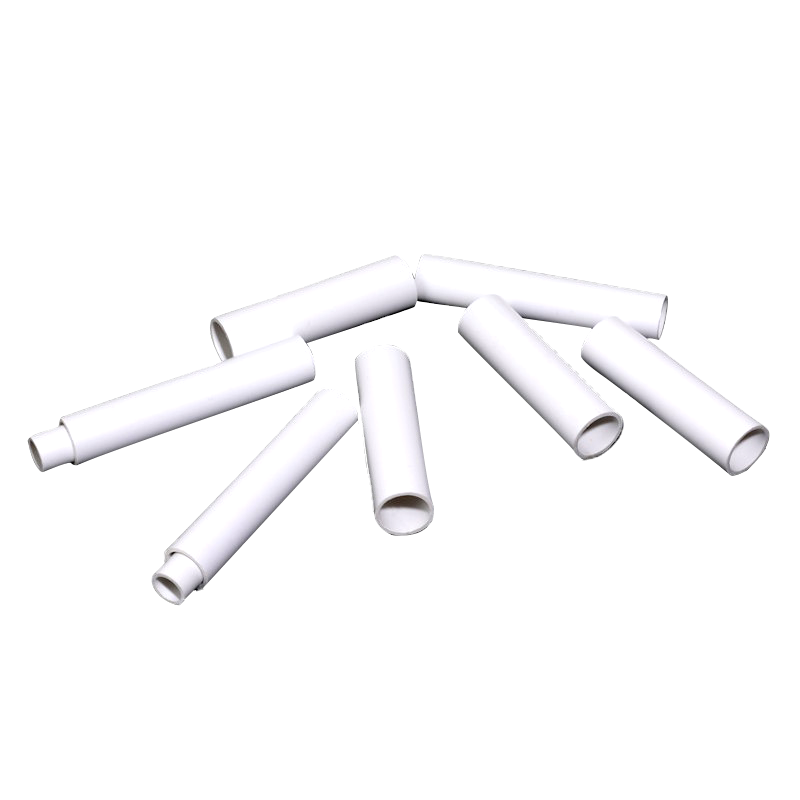
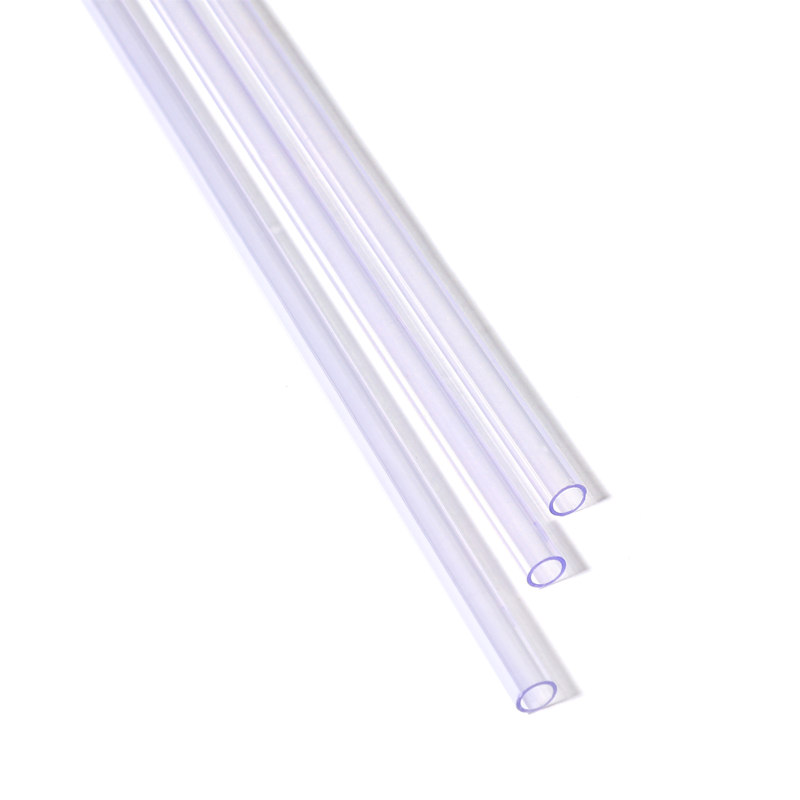 Custom PVC Hand-Waving Flagpole Parts and PipeFactory-direct PVC flagpole parts and pipes let buyers source pole bodies, top fittings, and accessories together for custom hand-waving flag orders.View Product →
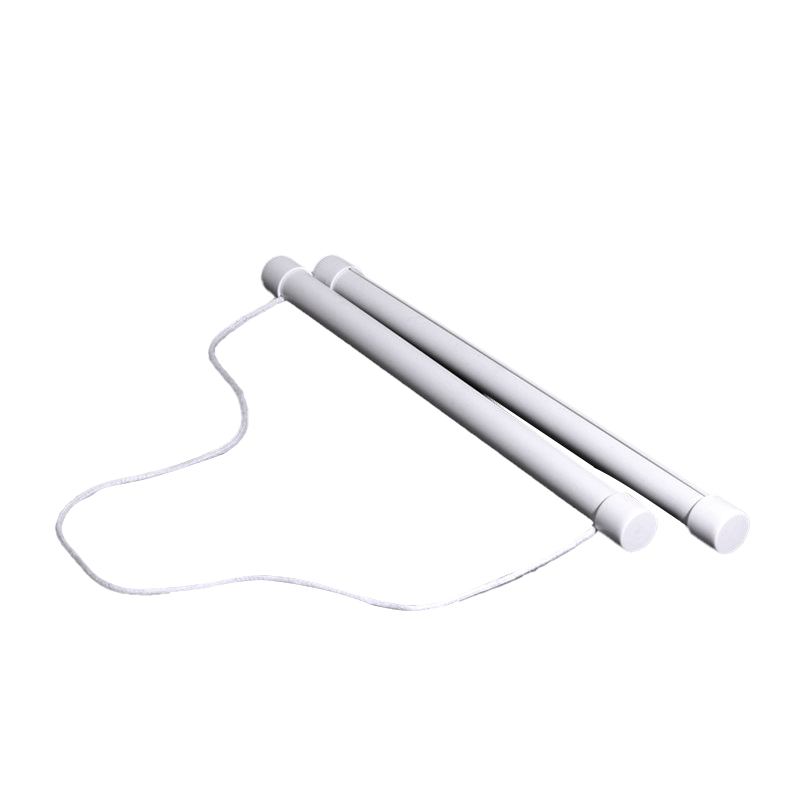
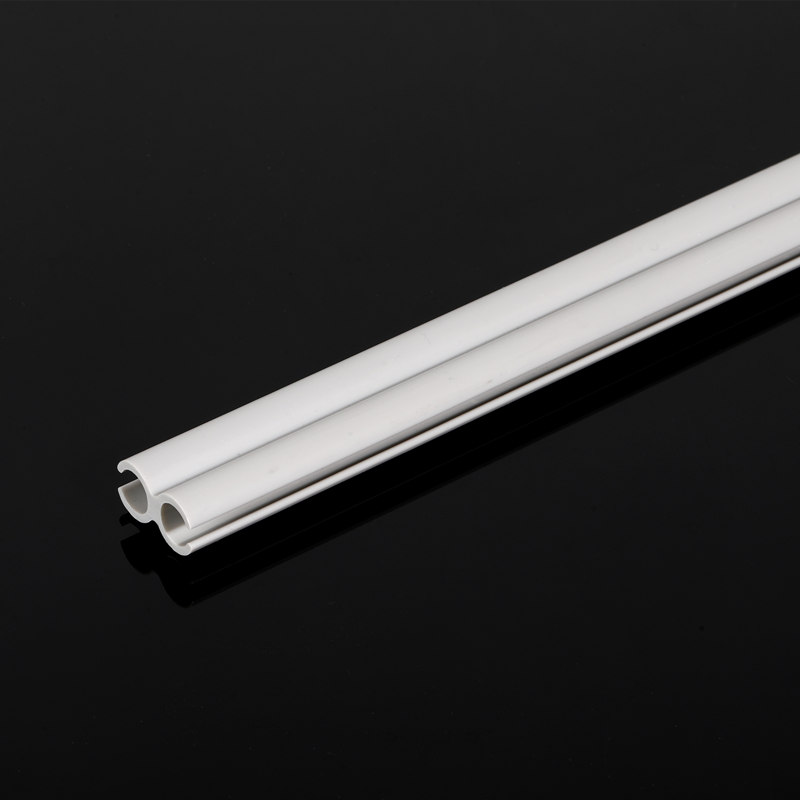 Custom Easy-Install PVC Hand-Waving Flagpole with Color OptionsA lightweight customizable PVC flagpole with OEM/ODM options, color and finish choices, and easy-install design for branding at events or sports.View Product →
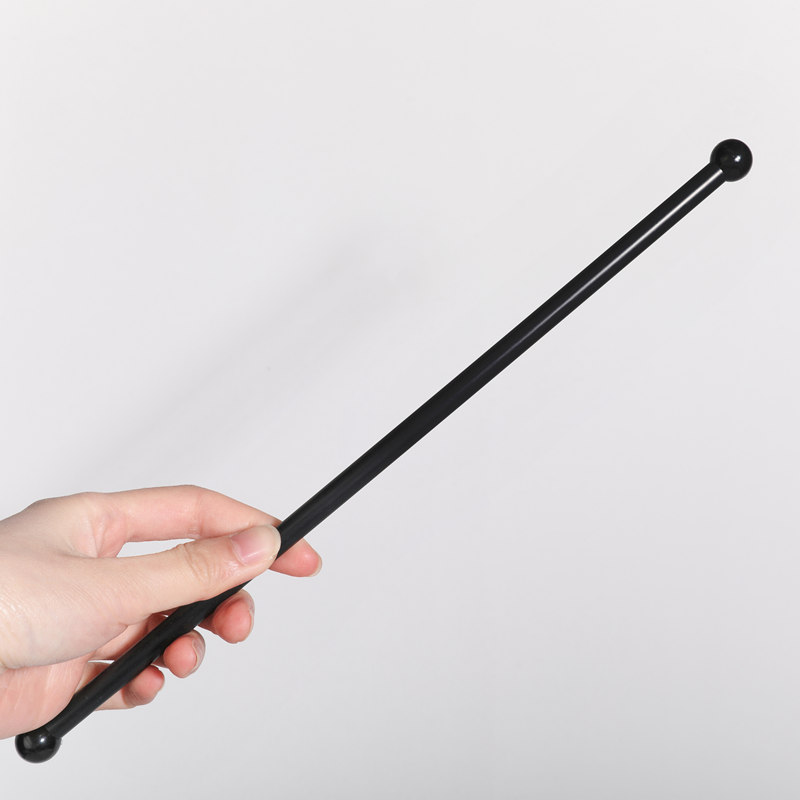 Custom High-Quality Hand Waving Flagpole for Indoor and Outdoor UseA lightweight plastic hand-pulled flagpole with customizable size, color, and design, suited to indoor or outdoor waving and flag combinations.View Product →
Installation Details and the Problems They Prevent
A Practical Buying Checklist
Recommended products
-
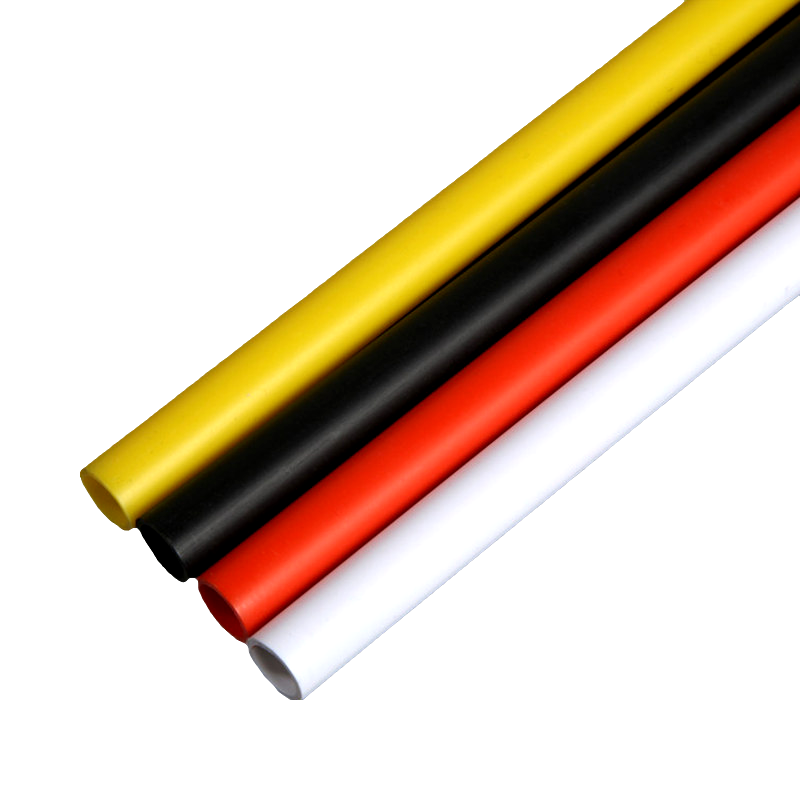
2023 New Cheap Plastic Pipe Multiple Colors And Sizes Custom Hand Waving Flagpole
-
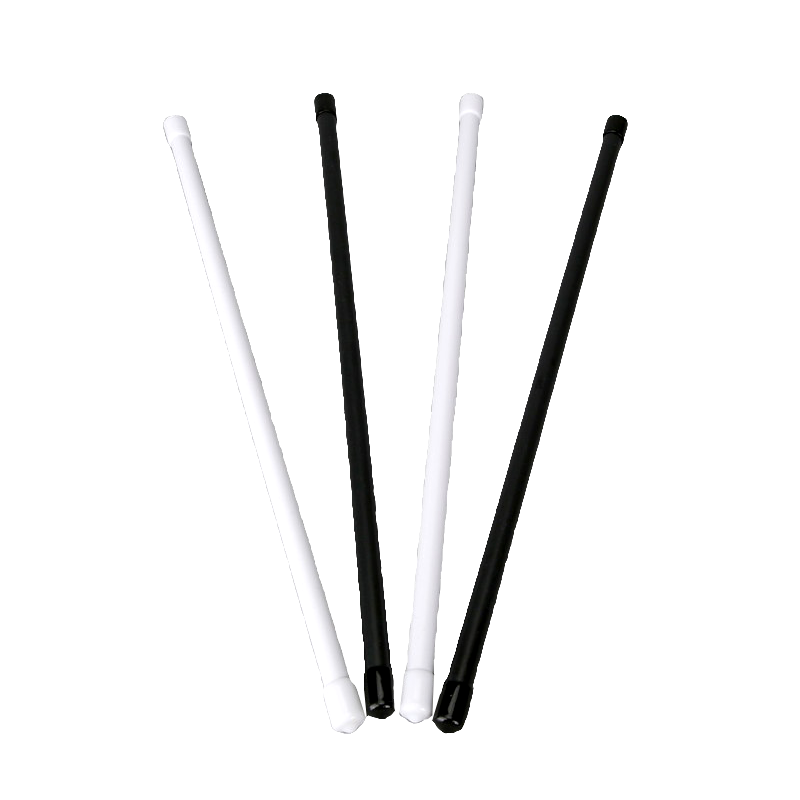
Wholesale Custom Pvc Material Indoor Desktop Flagpole Hand Waving Flagpole
-
Customizable Size Custom Logo Plastics Hand Waving Flagpole Big Pvc Flagpole
-
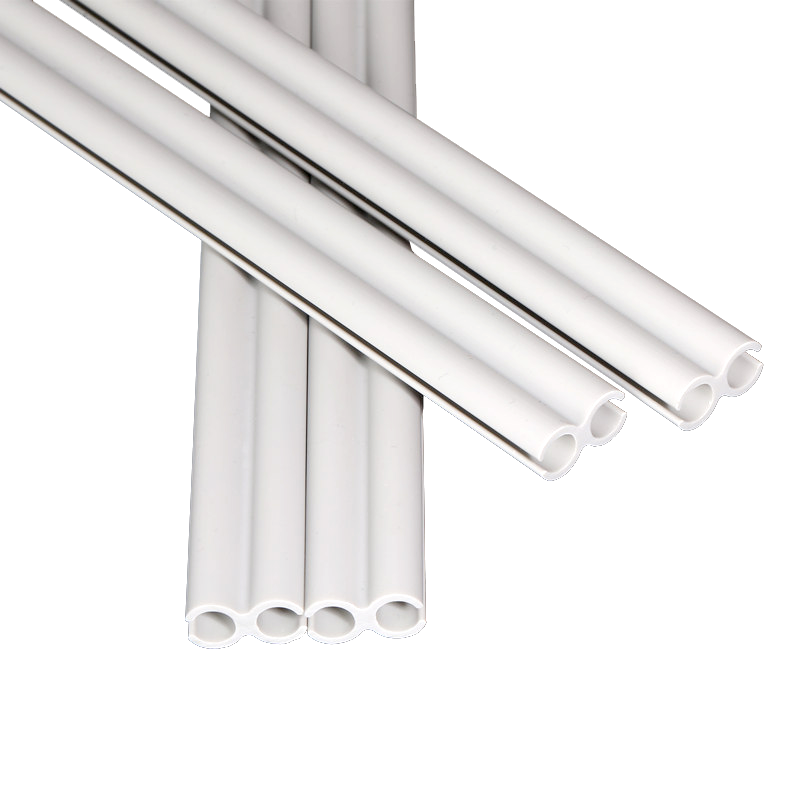
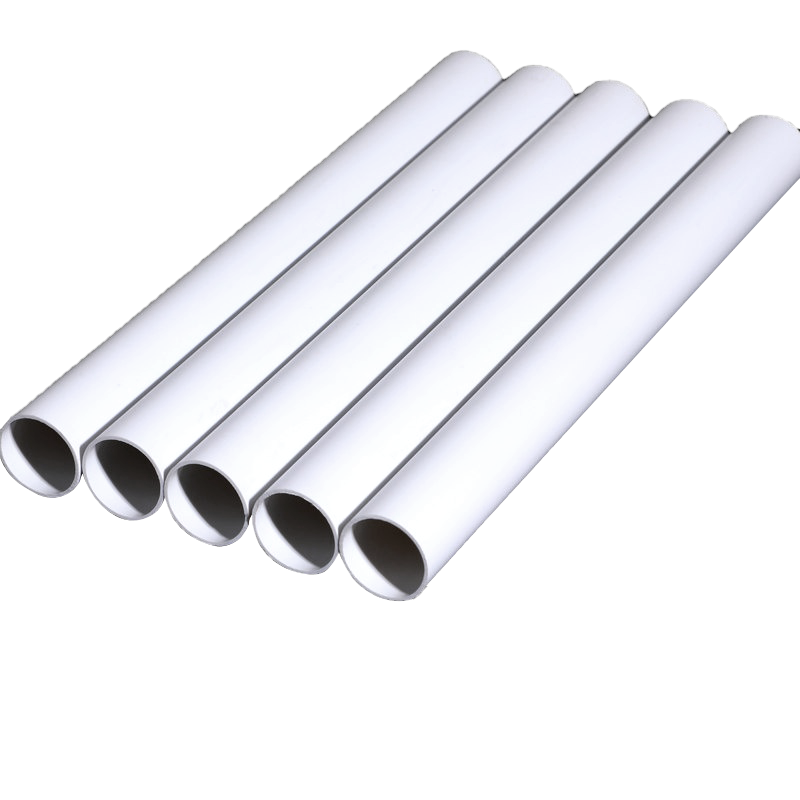
Plastics Hand Waving Flagpole Factory Direct Custom Wholesale PVC Flagpole Parts Pipe
-
Custom Easy Install Safety Flagpole Pvc China Factory Hand Waving Flagpole
-
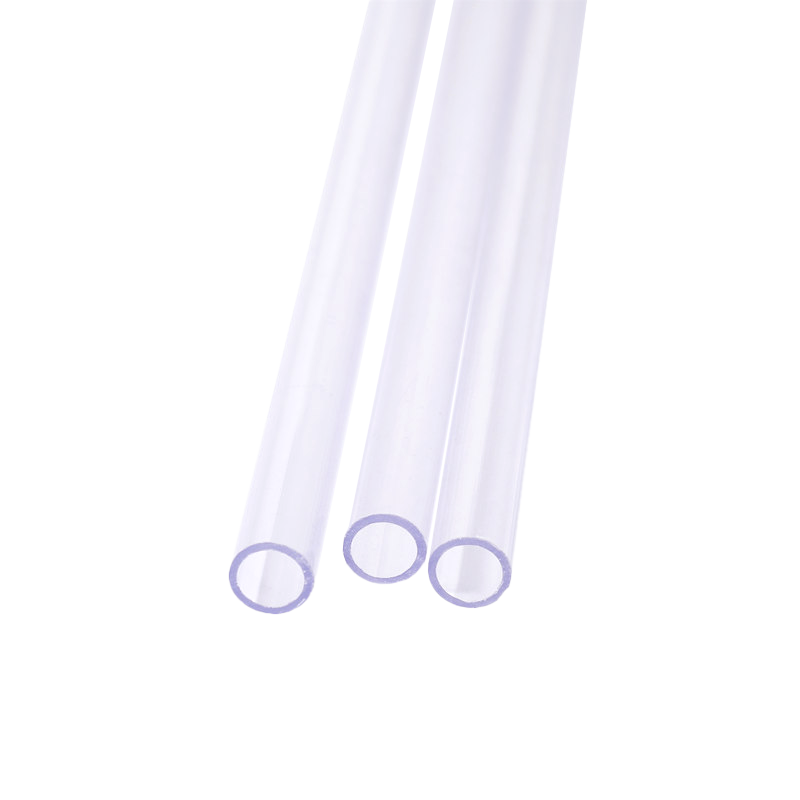
New Popular Product Transparent Pvc Flagpole Custom Size Hand Waving Flagpole
-
2023 High Quality Hand Waving Flagpole Big Or Small Flagpole Size Custom
-
Fast Delivery Promotion Factory Wholesale Flagpole Pvc Pipe Hand Waving Flagpole
-
2023 Personalized Custom Desk Hand Waving Flagpole Outdoor White Flagpole
-
Wholesale 2023 Hot Sale Used Flagpole Weight Custom Pvc Hand Waving Flagpole
-
Wholesale Products Cheap High Quality Hand Waving Flagpole Newest Sections Flagpole
-
Wholesale Cheap High-Quality Hot Sale Flagpole Cylindrical Hand Waving Flagpole
Follow Us:
Copyright © Tongxiang Guangyu Plastic Products Co., Ltd. Rights Reserved.
