
 +86-0573-88528475
 English
 русский
Search by posts
Product category
Industry News
 By Admin
Flag Size by Pole Height: Sizing Ratios, Reference Charts, and PVC Flagpole Tips
Content If you own a 20 ft pole and you are holding a standard 3 x 5 ft flag, the pair is correct. Five feet of fly against twenty feet of pole is 25 percent, which sits at the low end of the working range. The rule that flag makers and installers keep returning to is simple: the fly length of the flag, meaning the long trailing edge, should measure roughly one quarter to one third of the pole height, taken from the ground to the top of the finial. Applied to standard sizes, that produces a short list. A 20 ft pole takes a fly of 5 to 6.6 ft, so a 3 x 5 or a 4 x 6 fits. A 25 ft pole takes 6.25 to 8.3 ft, which points to a 5 x 8. A 40 ft pole takes 10 to 13 ft, so a 6 x 10 or an 8 x 12 is right. When your measurement falls between two stock sizes, choose the smaller one unless the site is sheltered and the pole is rated well above the load. The rest of this guide covers where the ratio comes from, where it breaks down, and how to apply it to lightweight PVC pipe flagpoles and small hand-waving poles, where the numbers are written in centimeters rather than feet. A flag is a sail. The force it applies to a pole is roughly proportional to its area, and area equals hoist multiplied by fly. Move from a 3 x 5 (15 sq ft) to a 5 x 8 (40 sq ft) and the sail area almost triples while the pole may only be a quarter taller. Oversize the flag and the failure shows up as fatigue at the base, a permanently bowed section, or a halyard that parts in the first strong gust. Sizing by ratio keeps the sail area inside the pole's design envelope. A flag that is too large swallows its pole; one that is too small looks like a napkin on a mast. The ratio also affects how a flag behaves in light air. A flag sized at 25 to 33 percent of pole height can open fully and hold its shape in a walking-speed breeze, which is what makes it readable from across a parking lot or a festival field. At commercial and public sites the bottom edge of a hanging flag should clear the ground by at least 6 ft (1.8 m). That single constraint eliminates a 3 x 5 flag on a 10 ft pole, because 5 ft of hoist leaves the bottom edge at 5 ft. It is the reason a 10 ft pole is normally paired with a 2 x 3 or a 2.5 x 4 flag, and the reason taller poles need proportionally larger flags to avoid looking top-heavy. Two notes on the table. The percentages assume one flag, not two. And if the pole is rated in square feet of sail area, multiply hoist by fly and compare that number with the rating rather than trusting the pole's height alone, because a 25 ft pole meant for a 3 x 5 will not carry a 5 x 8 no matter what the ratio says. Hand-waving poles are carried rather than anchored, and their flags are printed for legibility rather than for storm resistance. The target shifts slightly upward at this scale: most hand-waving sets land between 30 and 36 percent, because the holder absorbs the load and a small flag that cannot be read is a wasted purchase. Two details matter more than the ratio at this scale. The sleeve has to fit: a pole with a 25 mm outside diameter needs a sleeve of roughly 32 mm so the flag slides on without binding or flapping loose. The section also has to stay stiff, because a thin wall that bends at the hand makes even a correctly sized flag feel heavy after ten minutes. Drop one standard size below the table figure when any of these conditions applies: A flag that matches its pole in a 12 mph breeze can still be wrong for a 35 mph site. The pole's own rating, the mounting method, and the exposure of the location decide the final number. Where a plastic pipe pole is involved, deflection is worth understanding before you buy: plastic pipe flagpole bending under stress explains what the material tolerates and where it stops tolerating it. Extruded PVC poles do not behave like aluminum or wood. They are lighter, they flex further before they fail, and their practical load limit depends on wall thickness and on how the base is fixed. A 2 m PVC pole set in a ground socket handles a 40 x 60 cm flag without complaint. The same pole carrying a 90 x 150 cm flag will bow visibly in a steady breeze and may not recover its straight set after a windy weekend. Because the pole is extruded to order, the cleanest approach for a custom job is to settle the pole first and let the flag follow. Fix the outside diameter, wall thickness, and length, then apply the 30 percent rule to choose the flag. That sequence avoids the most common mistake on these projects, which is ordering a flag for a pole that has not been specified yet; it usually ends with a flag one size too large. Where a job calls for a non-standard height, wall thickness, or colour, extrusion removes most of the compromise. Poles can be produced to a given diameter and length, with the sleeve matched to the finished outside diameter instead of a nominal one. Most sizing errors come from choosing the flag first and the pole second. Reverse the order, use the 25 to 33 percent band as a starting point, then step down one size for wind exposure or a second flag, and the result will hold up in service rather than only on paper. On small poles the same logic runs in centimeters: match the printed flag to roughly 30 percent of the pole length, check the sleeve fit, and the set will fly cleanly through a season of events. That flexibility comes from the company's own PVC granules and extrusion operations, which is worth remembering when a job needs a length or a wall thickness that no standard chart lists. Ordering a pole cut to the height you actually need is usually cheaper than buying a stock mast that stands a fifth taller than the site requires.Fit the Fly to 25-33 Percent of Pole Height
Why the Quarter-to-Third Ratio Holds Up
Wind load grows faster than pole height
Proportion has to read from the ground
Ground clearance and halyard geometry
Reference Table: Flag Size by Pole Height
Pole height
Recommended flag (hoist x fly)
Fly as share of pole
Typical setting
10 ft (3.0 m)
2 x 3 ft (0.6 x 0.9 m)
30%
Residential yard, low mount
12-15 ft (3.7-4.6 m)
2.5 x 4 ft (0.75 x 1.2 m)
27-33%
Driveway or storefront
20 ft (6.1 m)
3 x 5 ft (0.9 x 1.5 m)
25%
Commercial frontage, car lots
25 ft (7.6 m)
5 x 8 ft (1.5 x 2.4 m)
32%
Open forecourt, event venue
30 ft (9.1 m)
5 x 8 ft (1.5 x 2.4 m)
27%
Showroom, dealership
40 ft (12.2 m)
6 x 10 ft (1.8 x 3.0 m)
25%
Campus entrance, plaza
50 ft (15.2 m)
8 x 12 ft (2.4 x 3.7 m)
24%
Highway-visible location
60 ft (18.3 m)
10 x 15 ft (3.0 x 4.6 m)
25%
Large commercial site
Small Poles: Hand-Waving and PVC Pipe Flagpoles
Pole length
Suggested flag (hoist x fly)
Typical use
1.0 m (3.3 ft)
20 x 30 cm (8 x 12 in)
Desk and tabletop display
1.5 m (4.9 ft)
30 x 45 cm (12 x 18 in)
Indoor promotion, classroom
2.0 m (6.6 ft)
40 x 60 cm (16 x 24 in)
Outdoor hand waving, parades
2.5 m (8.2 ft)
60 x 90 cm (24 x 36 in)
Events, car and off-road mounts
3.0 m (9.8 ft)
60 x 90 cm (24 x 36 in)
Storefront and festival walking mounts
4.0-5.0 m (13-16 ft)
90 x 150 cm (35 x 59 in)
Ground-socket promotional pole
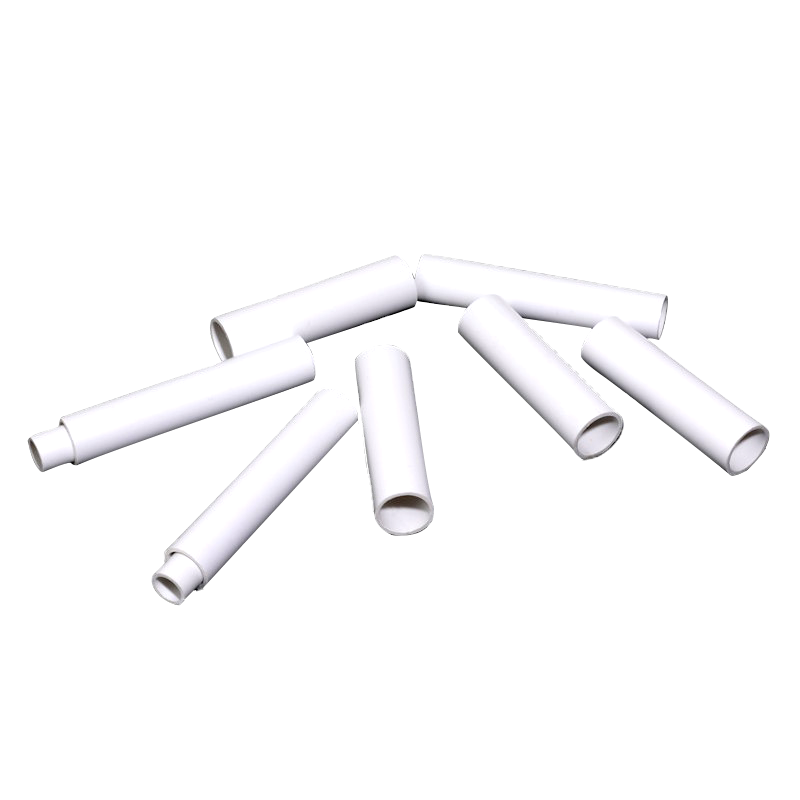
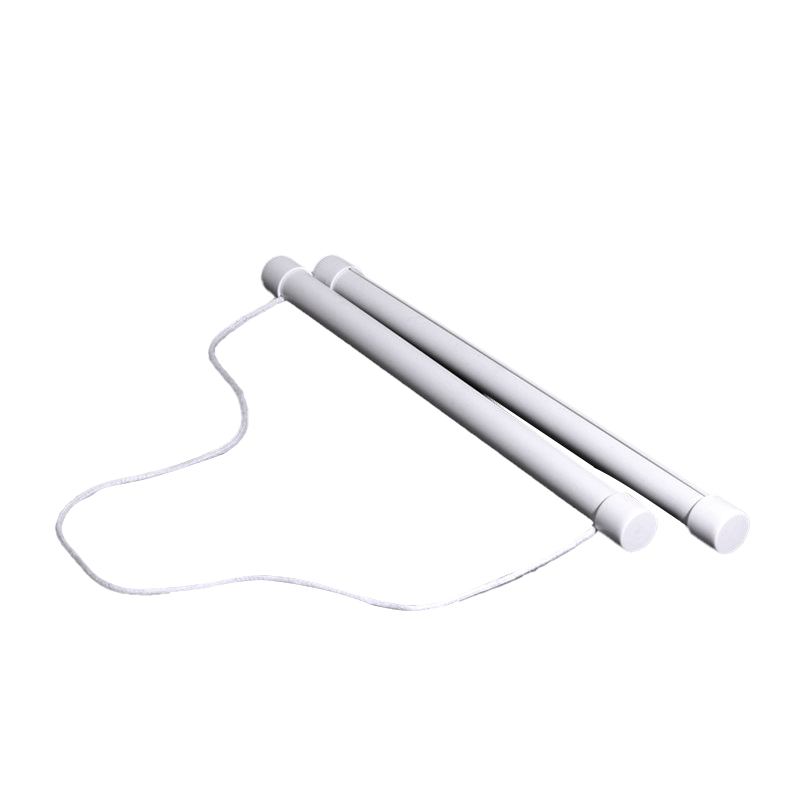
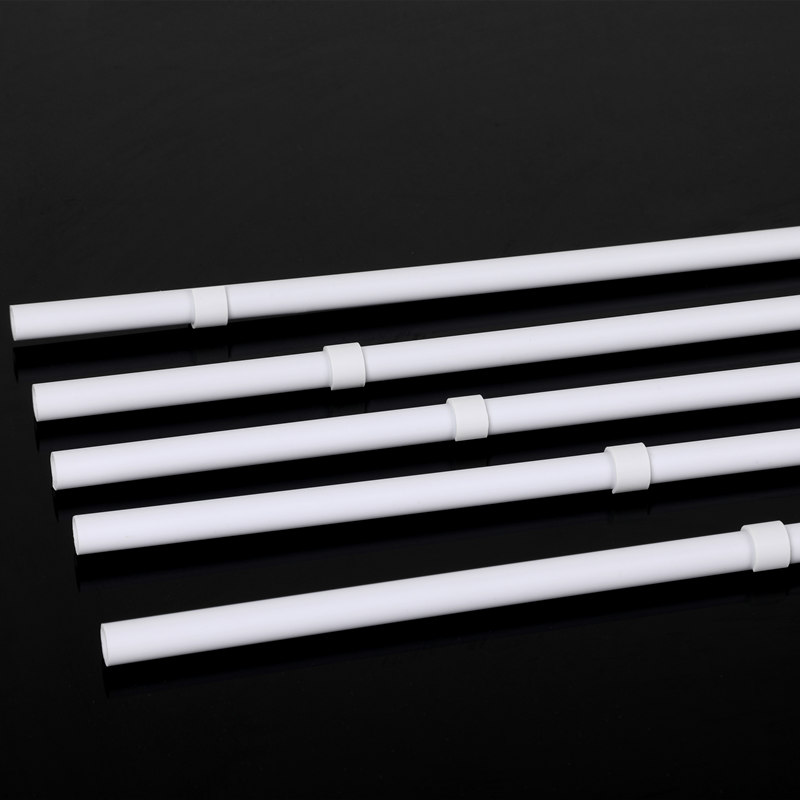 Custom Plastic Hand Waving Flagpole for Sports and GamesCustomizable plastic hand-waving flagpole for sports and games, with size, color, and design options; sleeve fit and stiffness affect carried flag performance.View Product →
When to Size Down Instead of Following the Chart
Sizing a PVC Pipe Flagpole: What Changes
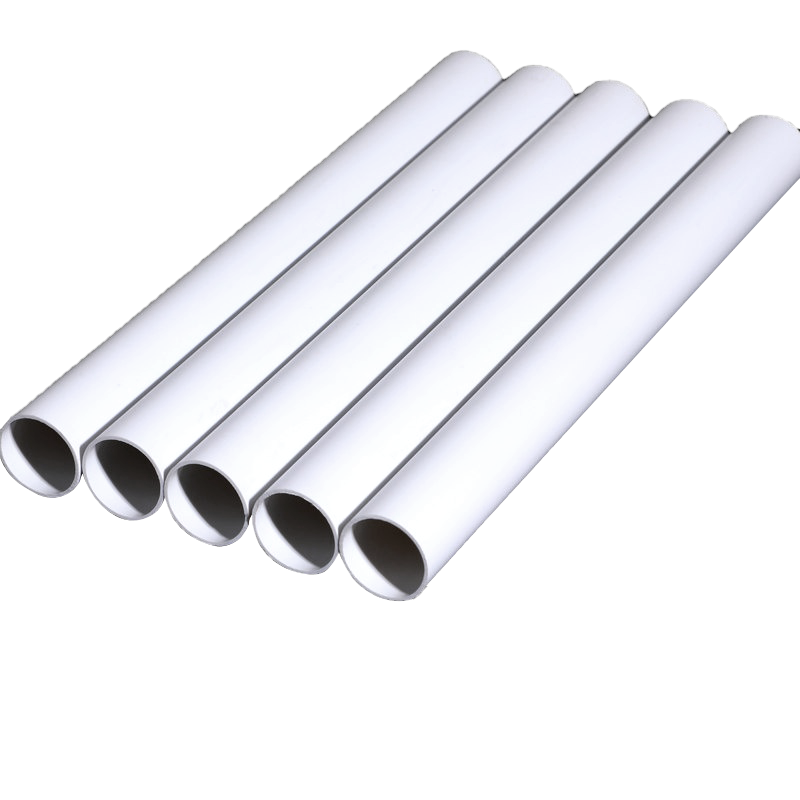
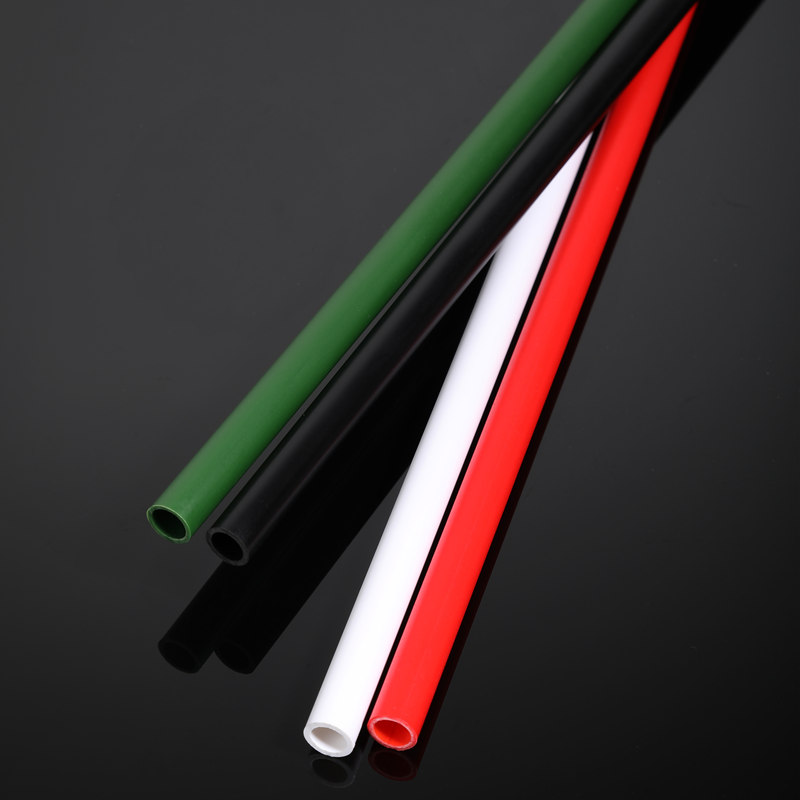 Custom Outdoor Motion Hand Waving PVC FlagpoleCustom plastic PVC hand-waving flagpole for outdoor motion use; settle pole diameter, wall thickness, and length before choosing flag.View Product →
Measuring and Ordering Checklist
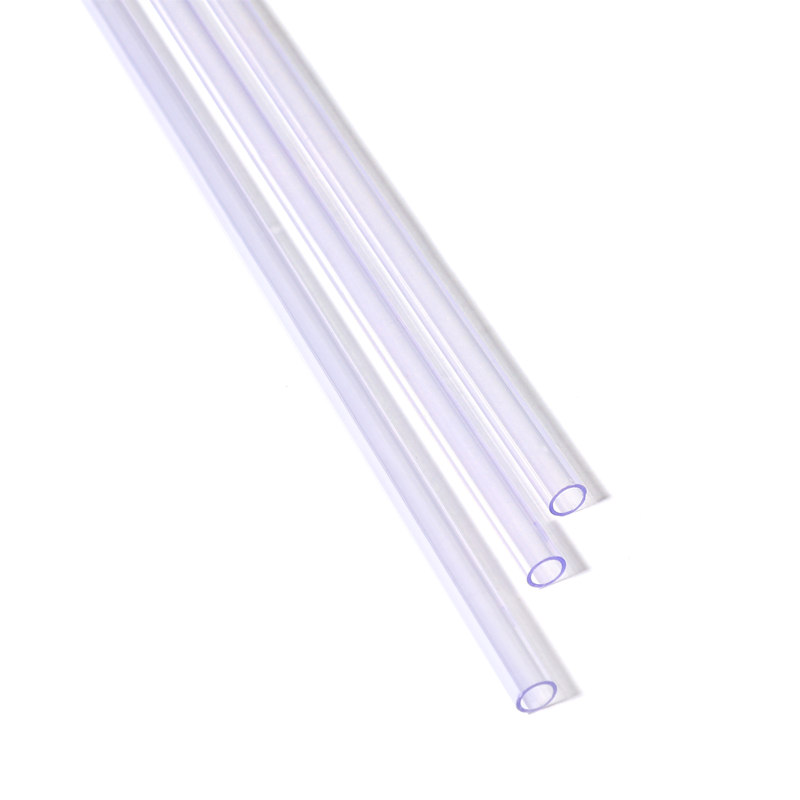 Custom Plastic Hand Waving Flagpole and PVC Pipe PartsCustom plastic hand-waving flagpole and PVC pipe parts for flags, sports, and games; order non-standard sizes, colors, and sleeve-matched extrusion.View Product →
Recommended products
-
2023 New Cheap Plastic Pipe Multiple Colors And Sizes Custom Hand Waving Flagpole
-
Wholesale Custom Pvc Material Indoor Desktop Flagpole Hand Waving Flagpole
-
Customizable Size Custom Logo Plastics Hand Waving Flagpole Big Pvc Flagpole
-
Plastics Hand Waving Flagpole Factory Direct Custom Wholesale PVC Flagpole Parts Pipe
-
Custom Easy Install Safety Flagpole Pvc China Factory Hand Waving Flagpole
-
New Popular Product Transparent Pvc Flagpole Custom Size Hand Waving Flagpole
-
2023 High Quality Hand Waving Flagpole Big Or Small Flagpole Size Custom
-
Fast Delivery Promotion Factory Wholesale Flagpole Pvc Pipe Hand Waving Flagpole
-
2023 Personalized Custom Desk Hand Waving Flagpole Outdoor White Flagpole
-
Wholesale 2023 Hot Sale Used Flagpole Weight Custom Pvc Hand Waving Flagpole
-
Wholesale Products Cheap High Quality Hand Waving Flagpole Newest Sections Flagpole
-
Wholesale Cheap High-Quality Hot Sale Flagpole Cylindrical Hand Waving Flagpole
Follow Us:
Copyright © Tongxiang Guangyu Plastic Products Co., Ltd. Rights Reserved.
