
 +86-0573-88528475
 English
 русский
Search by posts
Product category
Industry News
 By Admin
Flag Pole Rope Guide: Sizing, Materials, Knots, and Rope-Free Alternatives
When a halyard snaps during an outdoor flag ceremony, the failure is rarely the flag itself. The rope is the most stressed component of the entire installation, yet it is also the least specified. Buyers routinely order a flagpole rope by length alone, without checking material, diameter, or UV resistance, and then wonder why it needs replacement every season. The conclusion is simple: choose the rope to match the pole height, the climate, and the way the flag is used, then inspect it at least twice a year. In some applications, the better answer is to eliminate the rope entirely and use a hand-waving flagpole designed for temporary and moving displays. This guide covers the role of the flagpole rope, how to select the correct material and diameter, how to maintain the knots and hardware, and when a rope-free hand-waving flagpole is the more sensible equipment choice. Content The flagpole rope, more precisely called a halyard, is the working link between you and the flag. It runs from a cleat near the bottom of the pole, up through a pulley mounted inside the truck at the top, and back down with a snap hook at each end for attaching the flag. Pulling one end raises the flag; pulling the other end lowers it. Every component in this system affects the rope's performance: A rope is never an isolated purchase. It is part of a small mechanical assembly, and any weak link shortens the service life of every other part. Three materials dominate the flagpole rope market: nylon, polyester, and polypropylene. Each offers a different balance of strength, stretch, resistance to sunlight, and price. Nylon stretches more than the alternatives. That elasticity absorbs shock loads in gusty conditions, which is useful on tall poles in open areas. The trade-off is that nylon weakens faster under prolonged ultraviolet exposure, so it must be inspected and replaced sooner in sunny climates. Polyester is the most reliable all-round choice for permanent outdoor flagpoles. It resists UV degradation well, has low stretch, and holds knots securely without excessive creep. The higher price is justified by a longer service life. Polypropylene is the budget option. It floats, absorbs little water, and costs less, but its UV resistance is poor and it becomes brittle with age. It is acceptable for temporary setups or covered indoor poles, not for year-round outdoor service. For most building-mounted flagpoles, polyester is the safe specification. For a pole that is taken down seasonally or used under cover, nylon or polypropylene can perform adequately at a lower cost. Length is the easiest part to calculate. The rope must travel up the pole and back down, so the working length is approximately twice the pole height. Add two to three feet for wrapping the cleat and tying off. A 25-foot pole therefore needs roughly 53 to 56 feet of rope. If the cleat sits unusually high or the pulley has a long drop, adjust accordingly. When in doubt, order slightly longer; trimming is simple, splicing is not. Diameter should match the pulley sheave. Most residential and light commercial flagpoles use 1/4 inch rope. Heavier poles with larger pulleys accept 5/16 or 3/8 inch rope, which is easier to grip and lasts longer under frequent use. Installing rope that is too thick for the pulley causes accelerated wear; too thin and it becomes difficult to handle, and knots may slip. Breaking strength is worth reviewing as well. A 1/4 inch polyester rope typically has a breaking strength around 1,200 to 2,000 pounds, far above the static load of a flag. The real risks are cumulative: UV embrittlement, chafing against the pulley, and repeated knot stresses that reduce actual strength by 20 to 40 percent over a few seasons. Inspect the rope at least twice a year for broken fibers, hard spots, or discoloration. Two knots matter most on a flagpole rope: the attachment at the snap hook and the cleat wrap. A clove hitch, or a round turn with two half hitches, secures the rope to a snap hook without slipping. The cleat wrap follows a figure-eight pattern, finishing with one crossover lock to hold the rope tight. Do not overlook the hardware. Snap hooks should be checked for spring tension every season, because a hook that opens under load releases the flag instantly. The pulley bearing should spin freely; if it is stiff or noisy, the rope will develop a flat wear spot. The cleat itself should have rounded edges, because sharp edges act like a knife on every wrap. Pay attention to the tail end of the rope as well. A properly finished end with a whip or a melted taper prevents unraveling and makes it easier to thread through the pulley during installation. Rope selection matters only when the flag stays on a fixed pole. For parades, sporting events, festivals, rallies, and storefront promotions, the flag usually needs to move with the people carrying it. A halyard system has no place in that setting. Hand-waving flagpoles are single-piece poles made from PVC profile material, sized so one person can carry and wave them comfortably. There is no rope, no pulley, and no cleat, which means there is also no fraying, no tangling, and no knot to retie. The flag attaches directly to the pole, so setup takes seconds. For distributors and event crews, the difference shows up in labor time. A fixed flagpole requires a base, a pulley check, a hardware inspection, and a secure cleat wrap before every use. A hand-waving pole is pulled out of a storage tube and used immediately. When hundreds of flags need to be deployed at a single event, that time saving is substantial. Rope-free poles also handle transport better. A roped pole has exposed hardware that snags and scratches; a compact PVC pole stores cleanly in a vehicle or a supply closet. For car-mounted and indoor display applications, where a tall fixed pole is impractical, this is often the deciding factor. Decide based on three questions: How tall does the flag need to fly? How often does it move? And who handles it? A permanent flag on a 20-foot or taller pole belongs on a roped halyard system with a quality polyester rope. A flag carried by a demonstrator, a fan, or a parade participant belongs on a hand-waving pole. For the event market, the PVC hand-waving pole also matches the typical usage pattern. Flags get stored in bundles, deployed in minutes, carried for hours, and packed up again. A rope system adds a failure point that simply does not exist on a one-piece extruded pole. The expected service life of these plastic poles also compares favorably with aluminum or wood in this role, provided the pole is not bent beyond its design limit. When purchasing a rope for an existing pole, record the pole height, pulley groove width, and cleat position before ordering. When purchasing hand-waving flagpoles, specify the flag size, the pole diameter, the overall length, and the color requirements up front. A PVC extrusion manufacturer can produce custom lengths and colors that standard retail kits cannot match, and factory-direct pricing for bulk orders makes the hand-waving format even more attractive. Ask the supplier to confirm the material grade and wall thickness, not merely the length. A reputable manufacturer will state clearly whether its PVC pole suits your application or whether a traditional roped flagpole would serve you better. That level of candor is what separates a reliable production partner from a middleman reseller.What a Flag Pole Rope Actually Does
Choosing the Right Flag Pole Rope Material
Property
Nylon
Polyester
Polypropylene
UV resistance
Moderate
High
Low
Stretch
High
Low
Moderate
Abrasion resistance
High
High
Moderate
Cost
Moderate
Highest
Lowest
Best suited for
Windy sites
Permanent poles
Temporary use
Sizing a Flag Pole Rope: Length and Diameter
Knots and Hardware That Keep the Rope Working
When a Flag Pole Rope Is the Wrong Solution
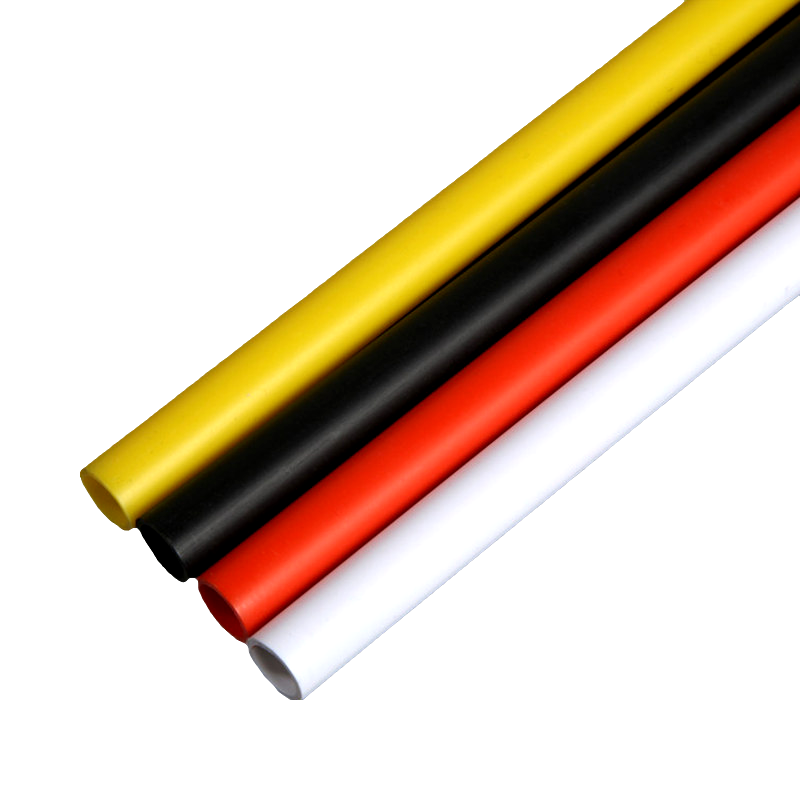
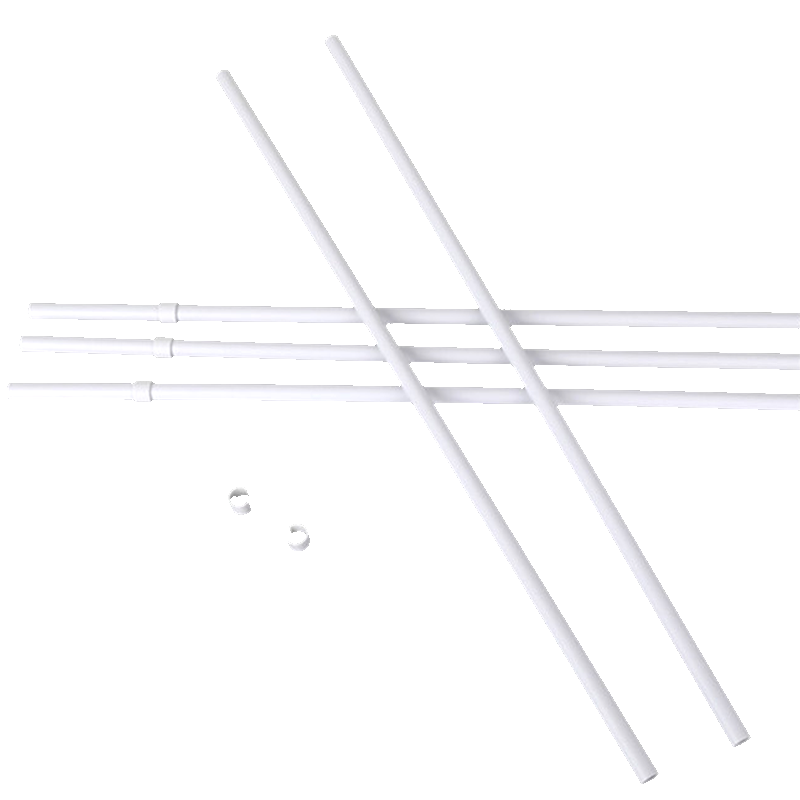
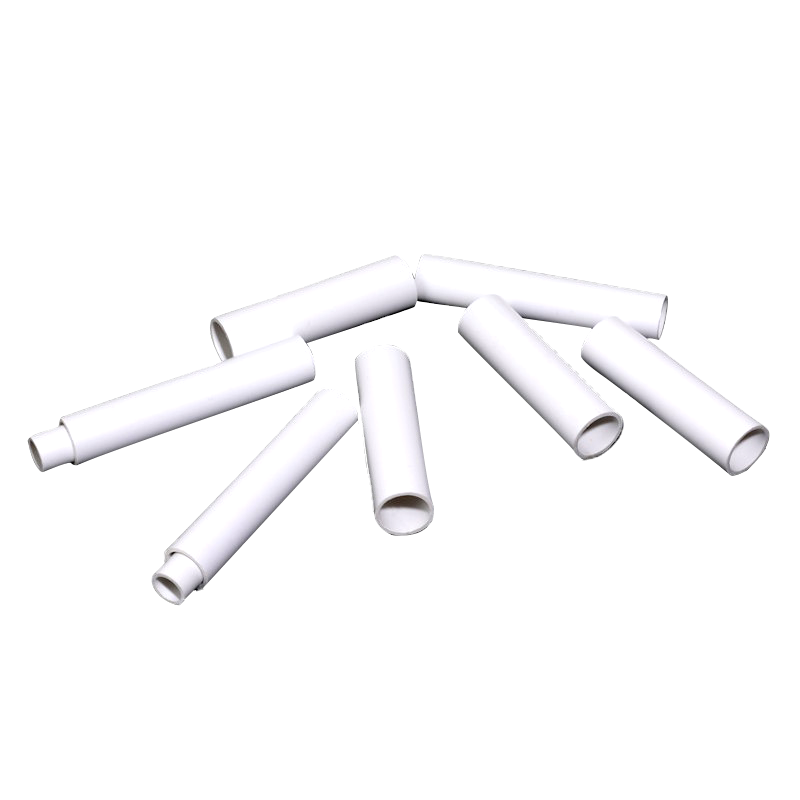
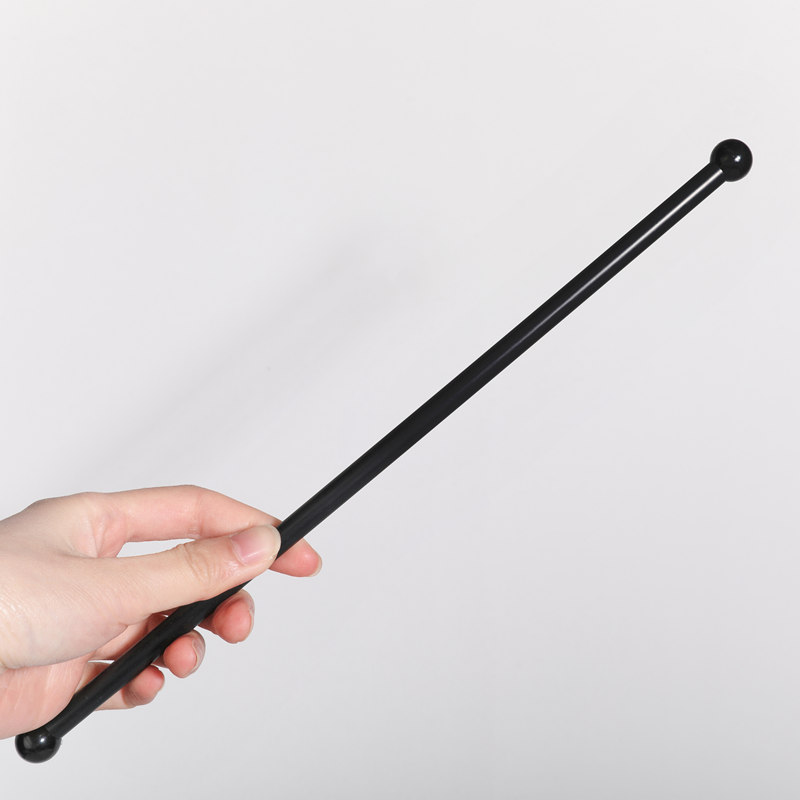 Custom Hand Waving Flagpole for Events and Outdoor UseThis lightweight PVC hand-waving flagpole attaches the flag directly, eliminating ropes and pulleys. It suits distributors and event crews who need quick deployment and time savings.View Product →
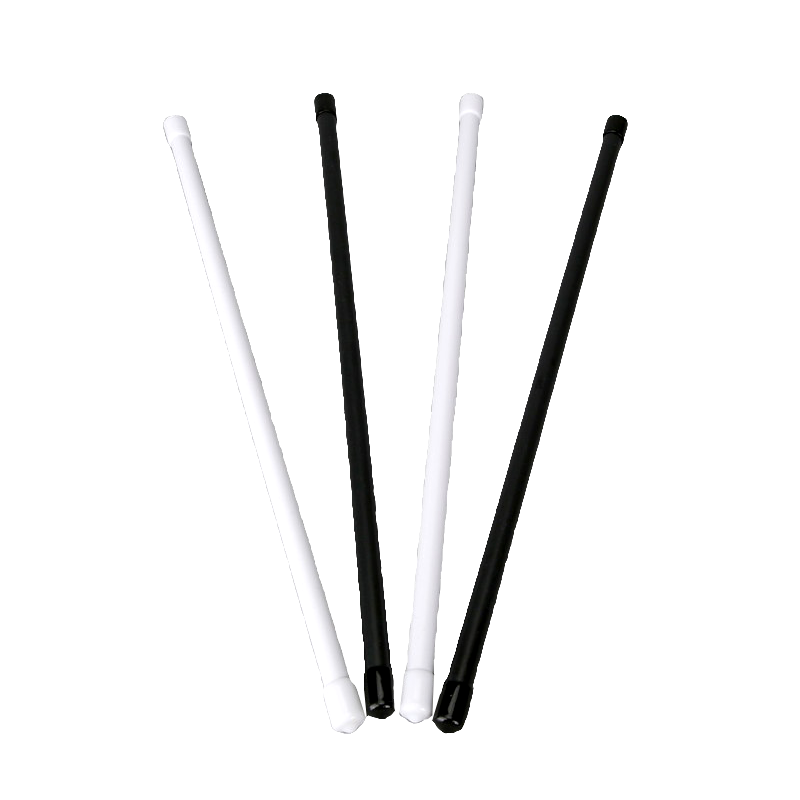
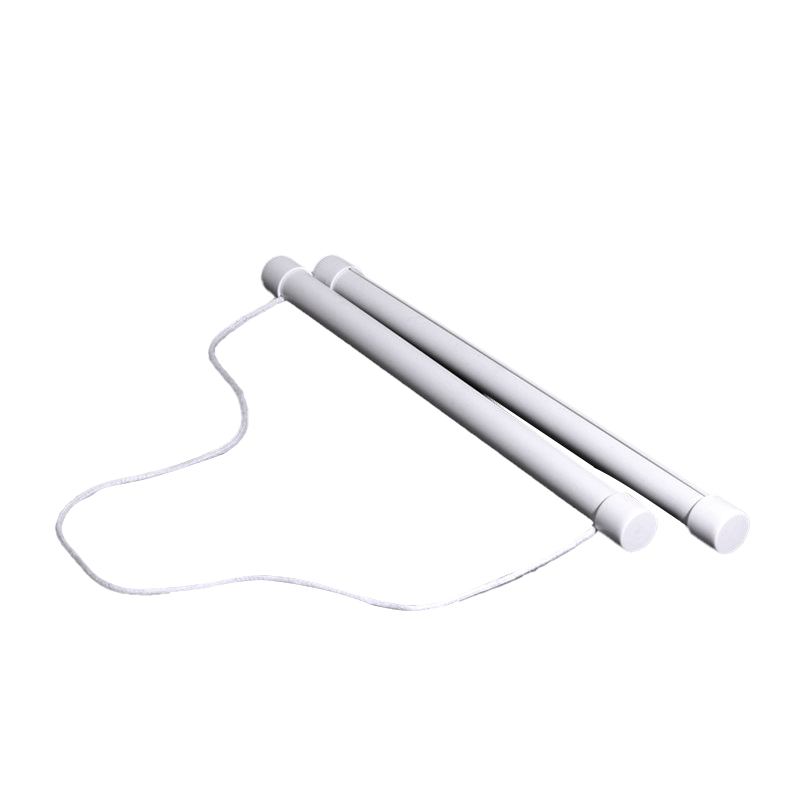
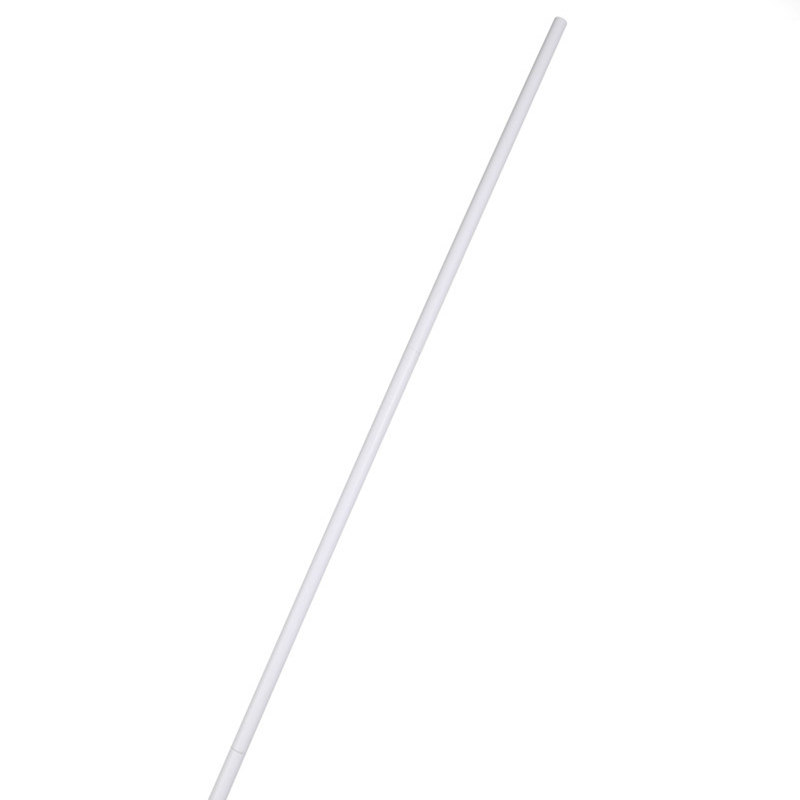 Compact Hand Waving Flagpole for Car and Indoor DisplayThis rope-free PVC pole stores cleanly and works well for car-mounted or indoor displays where tall fixed poles are impractical. It is a practical choice for mobile or space-limited setups.View Product →
Choosing Between a Roped Pole and a Hand-Waving Pole
Working with a Manufacturer on Custom Pole Specifications
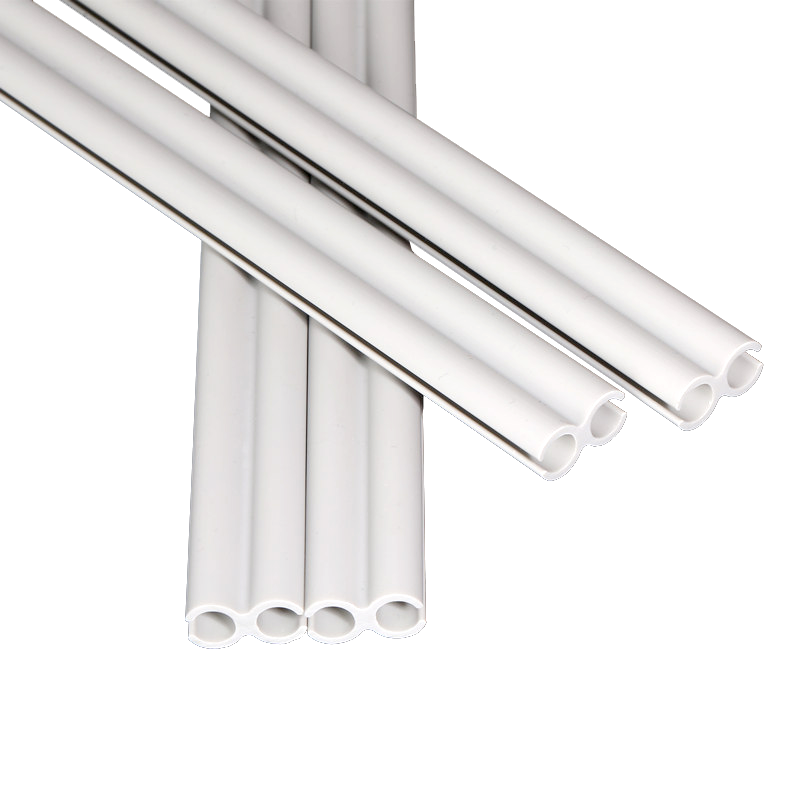
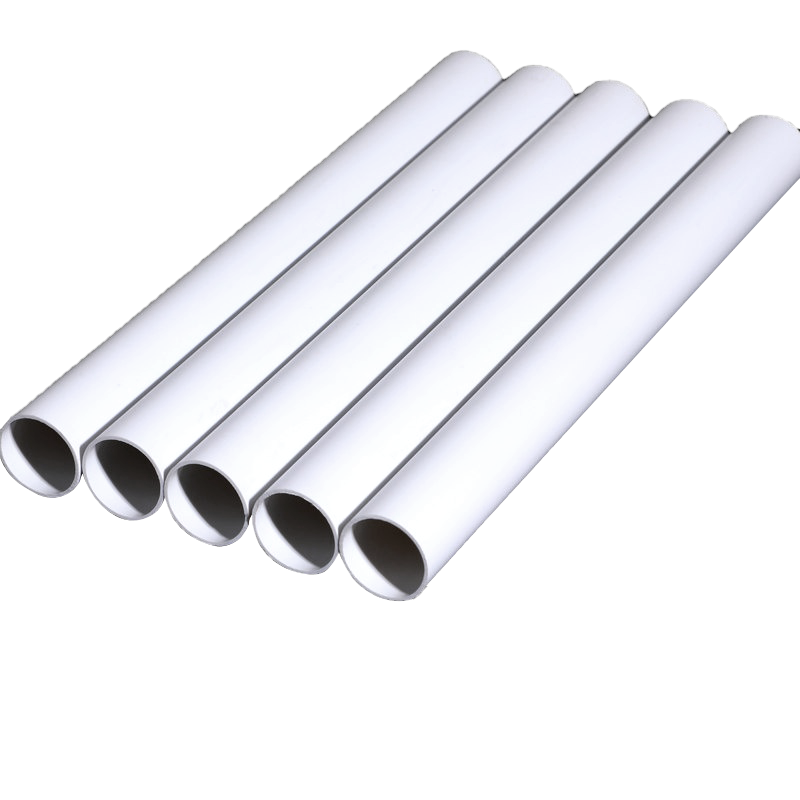
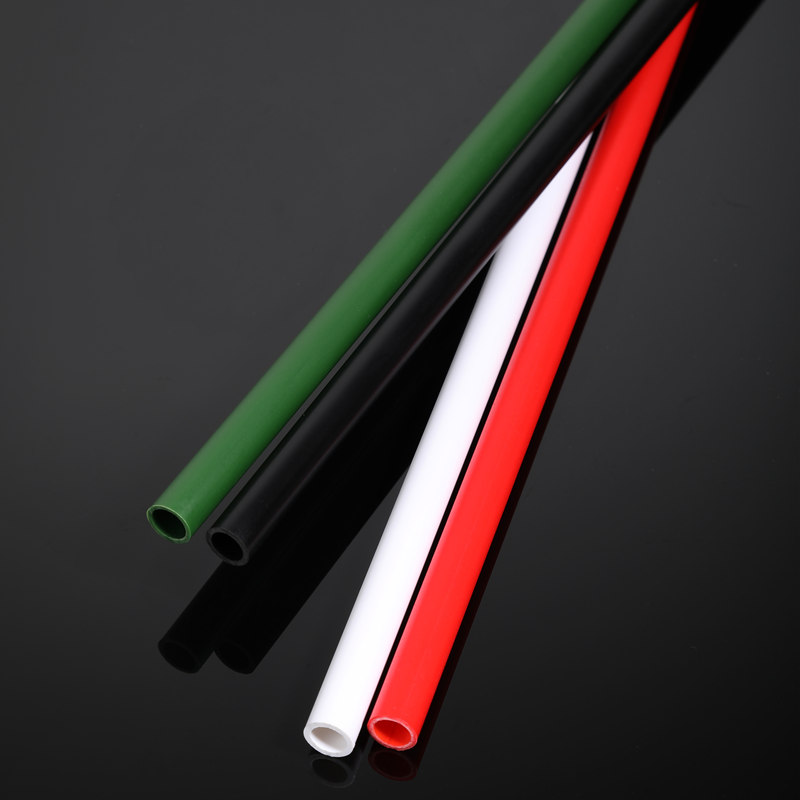 Bulk Customizable Hand Waving Flagpole with OEM OptionsAvailable in custom lengths and colors with factory-direct pricing, this pole suits bulk orders. Buyers should confirm material grade and wall thickness with the manufacturer for proper fit.View Product →
Recommended products
-
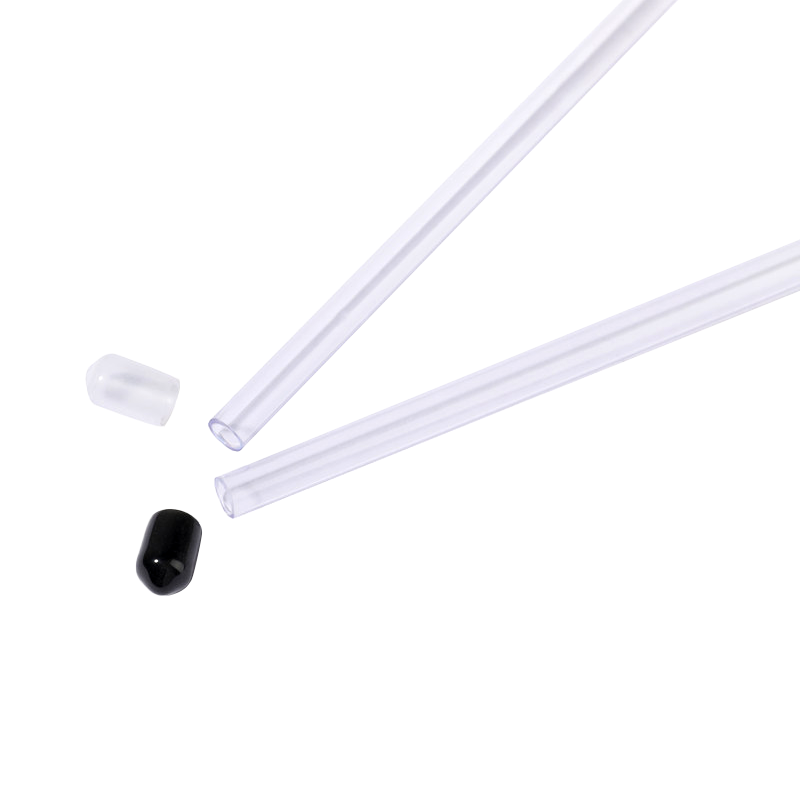
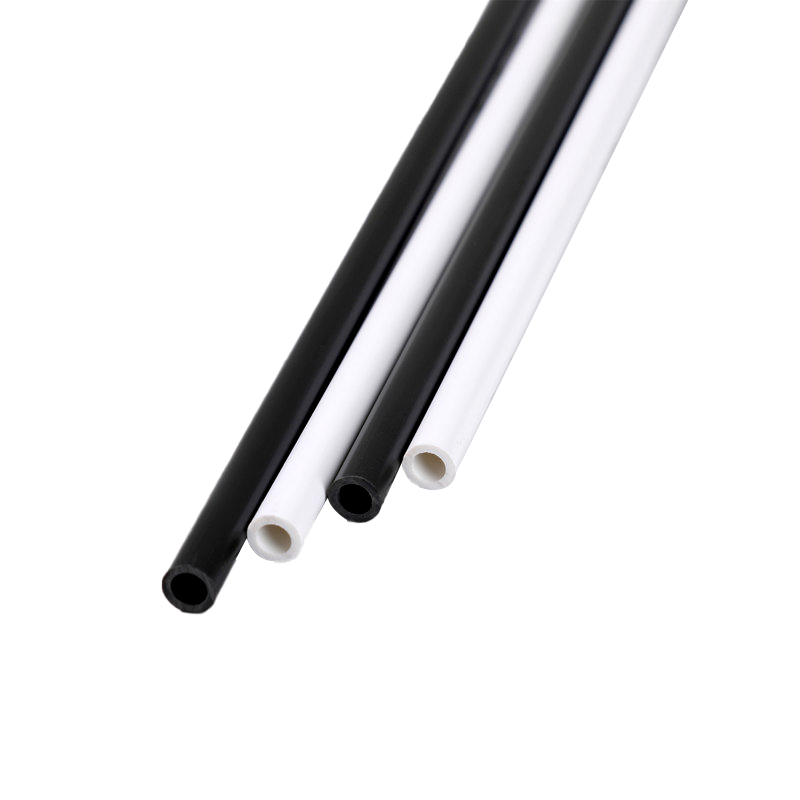
2023 New Cheap Plastic Pipe Multiple Colors And Sizes Custom Hand Waving Flagpole
-
Wholesale Custom Pvc Material Indoor Desktop Flagpole Hand Waving Flagpole
-
Customizable Size Custom Logo Plastics Hand Waving Flagpole Big Pvc Flagpole
-
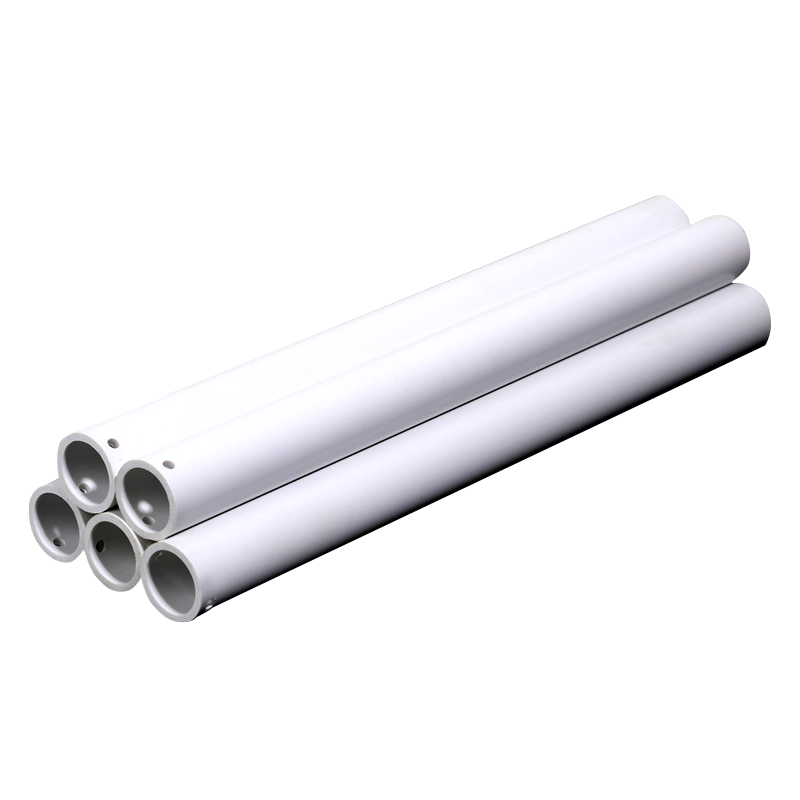
Plastics Hand Waving Flagpole Factory Direct Custom Wholesale PVC Flagpole Parts Pipe
-
Custom Easy Install Safety Flagpole Pvc China Factory Hand Waving Flagpole
-
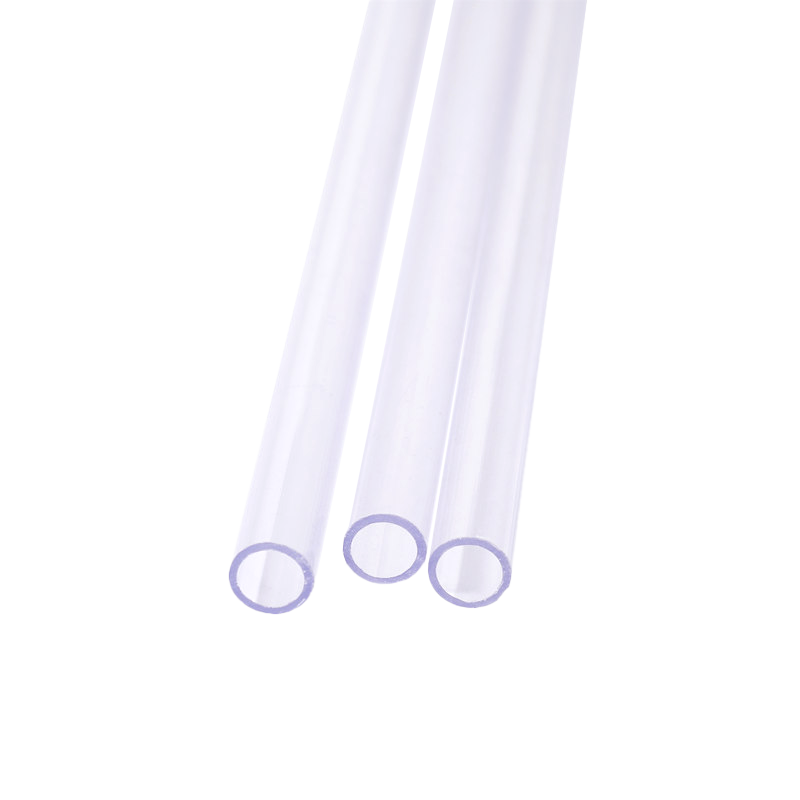
New Popular Product Transparent Pvc Flagpole Custom Size Hand Waving Flagpole
-
2023 High Quality Hand Waving Flagpole Big Or Small Flagpole Size Custom
-
Fast Delivery Promotion Factory Wholesale Flagpole Pvc Pipe Hand Waving Flagpole
-
2023 Personalized Custom Desk Hand Waving Flagpole Outdoor White Flagpole
-
Wholesale 2023 Hot Sale Used Flagpole Weight Custom Pvc Hand Waving Flagpole
-
Wholesale Products Cheap High Quality Hand Waving Flagpole Newest Sections Flagpole
-
Wholesale Cheap High-Quality Hot Sale Flagpole Cylindrical Hand Waving Flagpole
Follow Us:
Copyright © Tongxiang Guangyu Plastic Products Co., Ltd. Rights Reserved.
