
 +86-0573-88528475
 English
 русский
Search by posts
Product category
Industry News
 By Admin
Desk Hand Waving Flagpoles: Types, Uses & Buying Guide
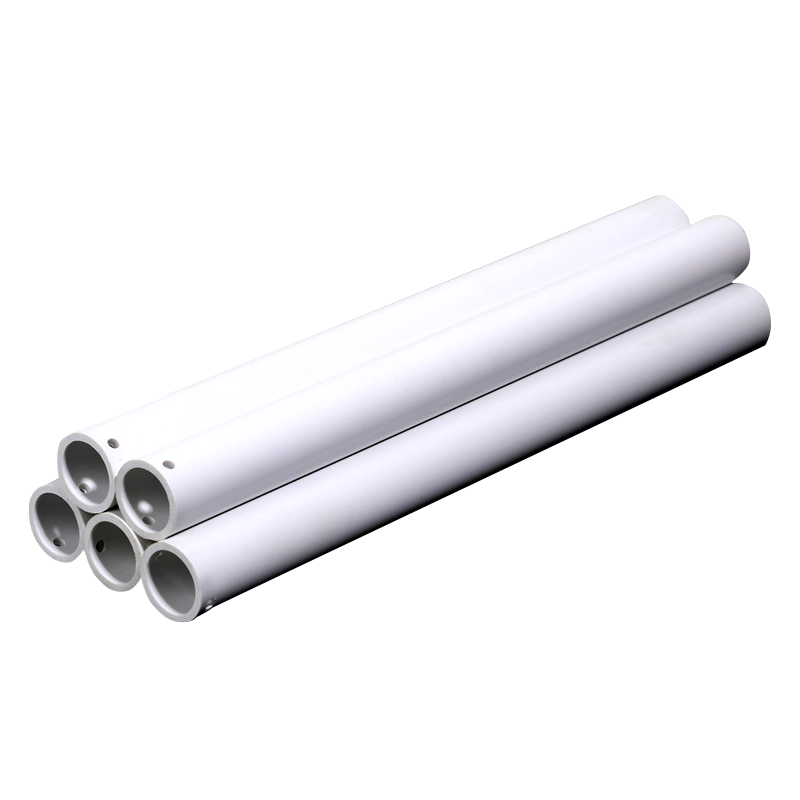
A desk hand waving flagpole is a small, portable flagpole designed to display miniature flags on desktops, podiums, reception counters, or to be carried and waved by hand at events and ceremonies. These compact flagpoles serve two overlapping purposes: static desktop display — where the pole sits in a base and presents a flag upright — and active hand waving, where the pole is held and the flag is waved to show support, welcome dignitaries, or mark national occasions. Choosing the right desk hand waving flagpole depends on how you intend to use it, what size flag it needs to carry, what material the pole is made from, and whether you need a base for static display. This guide covers all of those factors with practical detail. Content The term "hand waving flagpole" covers a broader range of applications than most buyers initially expect. Common use cases include: The market offers several distinct configurations. Understanding the differences helps narrow the choice to the right product for your specific need: These are the most common format for professional and diplomatic settings. The base — typically cast metal, marble, or weighted plastic — keeps the pole stable on a flat surface. A cross spear or ball finial tops the pole above the flag. Standard desk flag sets sold for office use pair a 25–30 cm chrome or gold-finished pole with a cast zinc alloy or marble base weighing 100–300 grams, sufficient to prevent tipping on a flat desk. Event hand flags prioritize light weight and durability over appearance. The flag is typically stapled or glued directly to a wooden or plastic dowel. Wooden dowels (usually 4–6 mm diameter birch) are the traditional and most cost-effective option for large-quantity event orders — a school ceremony requiring 500 flag sticks will almost always use wooden poles. Plastic hollow tubes are common for branded promotional flags where color-matching the stick to the flag design matters. The pole material affects weight, appearance, durability, and cost. Here is how the main options compare for desk and hand waving applications: The visual quality of a displayed or waved flag depends heavily on the ratio between pole length and flag size. A flag that is too large for the pole will droop and obscure itself; too small and the display looks underwhelming. As a practical guideline, the flag's hoist (the vertical edge attached to the pole) should be 40–50% of the total pole length for a balanced desktop display. Standard combinations that work well in practice: For desktop display use, the base is as important as the pole. An unstable base will tip repeatedly, making the display impractical. Key base types and their characteristics: How the flag attaches to the pole affects both the look of the display and the reusability of the flagpole: With so many options available, a structured checklist prevents buying the wrong product. Work through these considerations in order: Desk flagpoles require minimal maintenance, but a few practices extend their life significantly — particularly for metal poles in display settings:What Desk Hand Waving Flagpoles Are Used For
Types of Desk Hand Waving Flagpoles
Type
Typical Pole Length
Flag Size
Best Use
Desktop display pole with base
25–38 cm (10–15 in)
10×15 cm to 15×22 cm
Office desk, reception, boardroom
Hand waving stick (event flag)
30–60 cm (12–24 in)
14×21 cm to 20×30 cm
Sports events, rallies, ceremonies
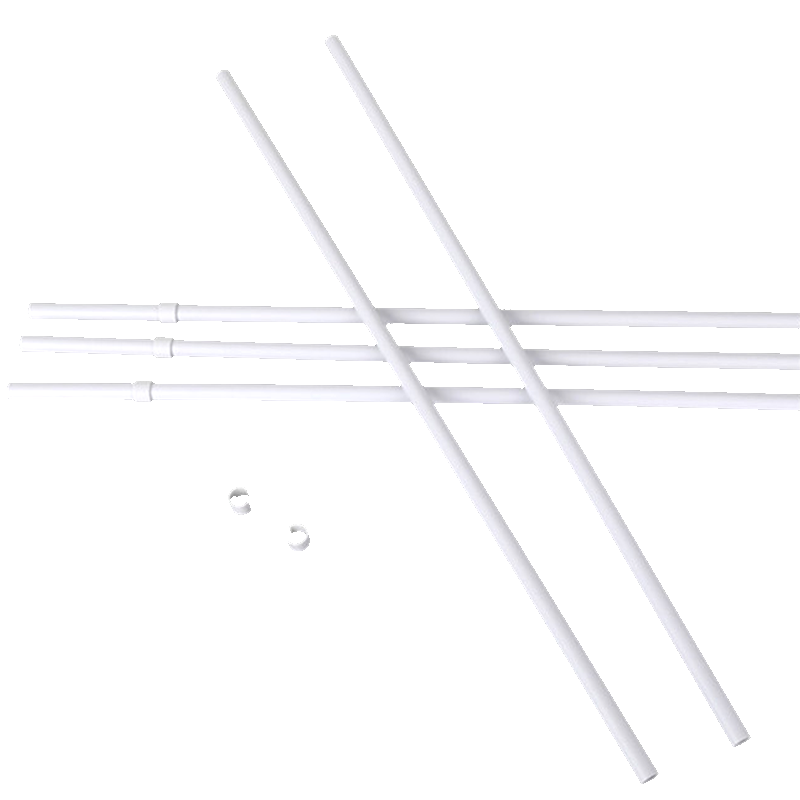
Telescoping hand pole
Extends 30–90 cm
21×30 cm to 30×45 cm
Parades, trade shows, dual desktop/waving use
Suction cup car/window pole
20–35 cm
10×15 cm to 14×21 cm
Car windows, indoor glass surfaces
Clip-on desk pole
25–40 cm
10×15 cm to 15×22 cm
Booth edges, shelf lips, counter rims
Desktop Display Poles with Base
Hand Waving Sticks for Events
Pole Materials: What Each Option Offers
Material
Weight
Appearance
Durability
Best For
Wood (birch/pine dowel)
Very light
Natural / painted
Moderate (splinters with age)
High-volume event flags, children's use
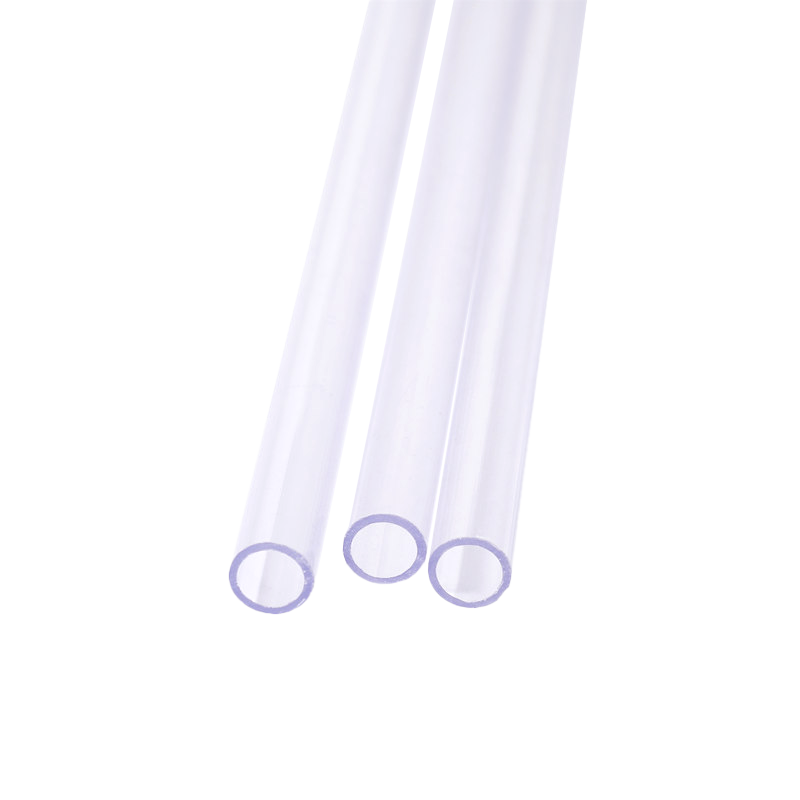
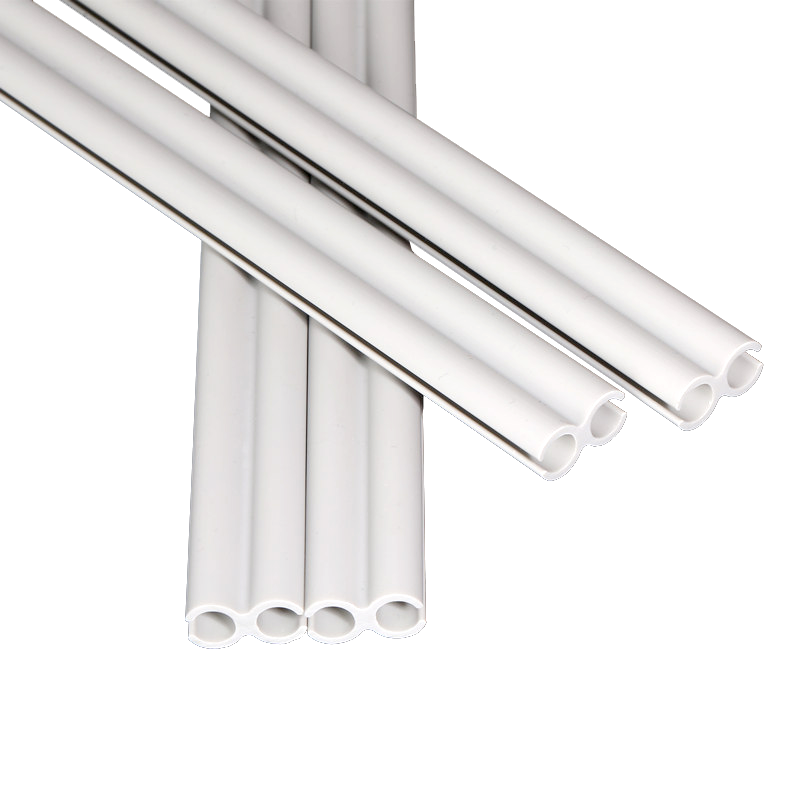
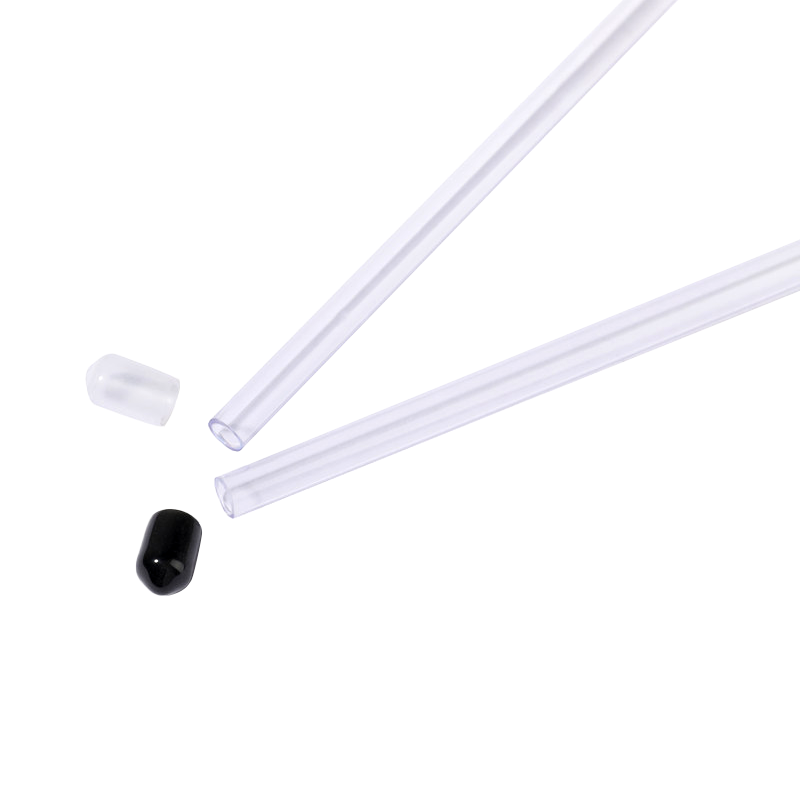
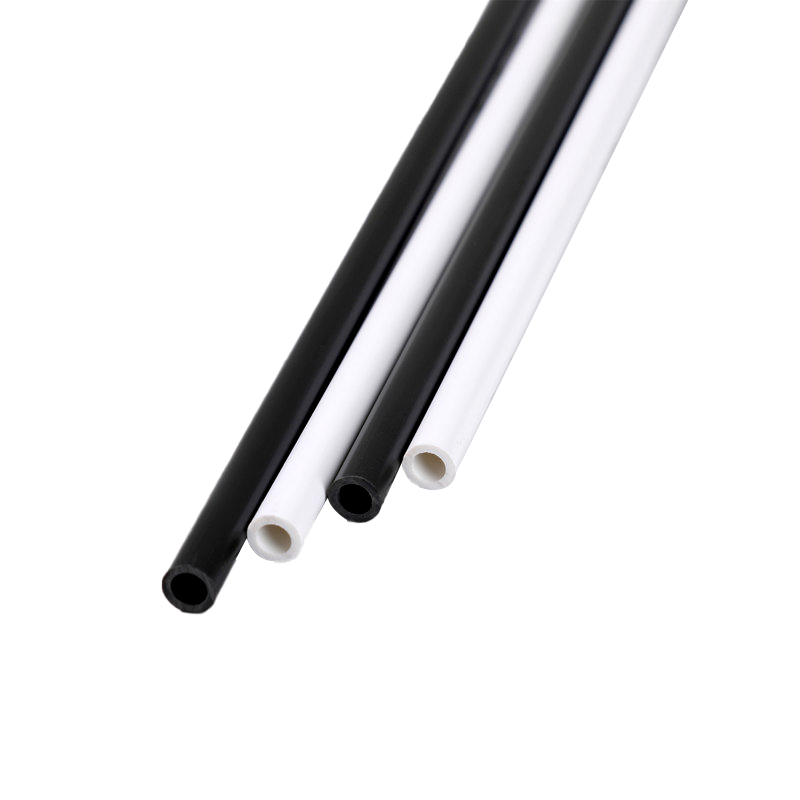
Plastic (ABS / PP hollow tube)
Very light
Color-matched or white
Good (UV fade over time)
Promotional hand flags, branded events
Steel (chrome-plated)
Medium-heavy
Bright chrome finish
Excellent (may rust if plating chips)
Office desk display, professional settings
Aluminum
Light-medium
Satin or anodized finish
Excellent (corrosion resistant)
Premium hand poles, telescoping poles
Brass (solid or plated)
Heavy
Gold tone, prestige look
Excellent
Diplomatic offices, executive desks
Fiberglass
Very light
White or color-coated
Excellent (flexible, won't splinter)
Outdoor events, long waving sessions
Flag Size and Pole Length: Getting the Proportions Right
Desk Base Types and Stability Considerations
Flag Attachment Methods on Hand Waving Poles
Buying Guide: What to Check Before Purchasing
Care and Maintenance of Desk Hand Waving Flagpoles
Recommended products
-
2023 New Cheap Plastic Pipe Multiple Colors And Sizes Custom Hand Waving Flagpole
-
Wholesale Custom Pvc Material Indoor Desktop Flagpole Hand Waving Flagpole
-
Customizable Size Custom Logo Plastics Hand Waving Flagpole Big Pvc Flagpole
-
Plastics Hand Waving Flagpole Factory Direct Custom Wholesale PVC Flagpole Parts Pipe
-
Custom Easy Install Safety Flagpole Pvc China Factory Hand Waving Flagpole
-
New Popular Product Transparent Pvc Flagpole Custom Size Hand Waving Flagpole
-
2023 High Quality Hand Waving Flagpole Big Or Small Flagpole Size Custom
-
Fast Delivery Promotion Factory Wholesale Flagpole Pvc Pipe Hand Waving Flagpole
-
2023 Personalized Custom Desk Hand Waving Flagpole Outdoor White Flagpole
-
Wholesale 2023 Hot Sale Used Flagpole Weight Custom Pvc Hand Waving Flagpole
-
Wholesale Products Cheap High Quality Hand Waving Flagpole Newest Sections Flagpole
-
Wholesale Cheap High-Quality Hot Sale Flagpole Cylindrical Hand Waving Flagpole

Follow Us:
Copyright © Tongxiang Guangyu Plastic Products Co., Ltd. Rights Reserved.
