
 +86-0573-88528475
 English
 русский
Search by posts
Product category
Industry News
 By Admin
Can Plastic Pipes Replace Traditional Materials in Large-Scale Construction?
Content
- 1 The Growing Role of Plastic Pipes in Modern Construction
- 2 Performance Characteristics Compared to Traditional Materials
- 3 Cost Efficiency in Large-Scale Projects
- 4 Durability and Service Life Expectations
- 5 Installation Speed and Project Scalability
- 6 Environmental Impact and Sustainability Considerations
- 7 Comparative Overview of Pipe Materials
- 8 Limitations and Engineering Considerations
- 9 Can Plastic Pipes Truly Replace Traditional Materials?
The Growing Role of Plastic Pipes in Modern Construction
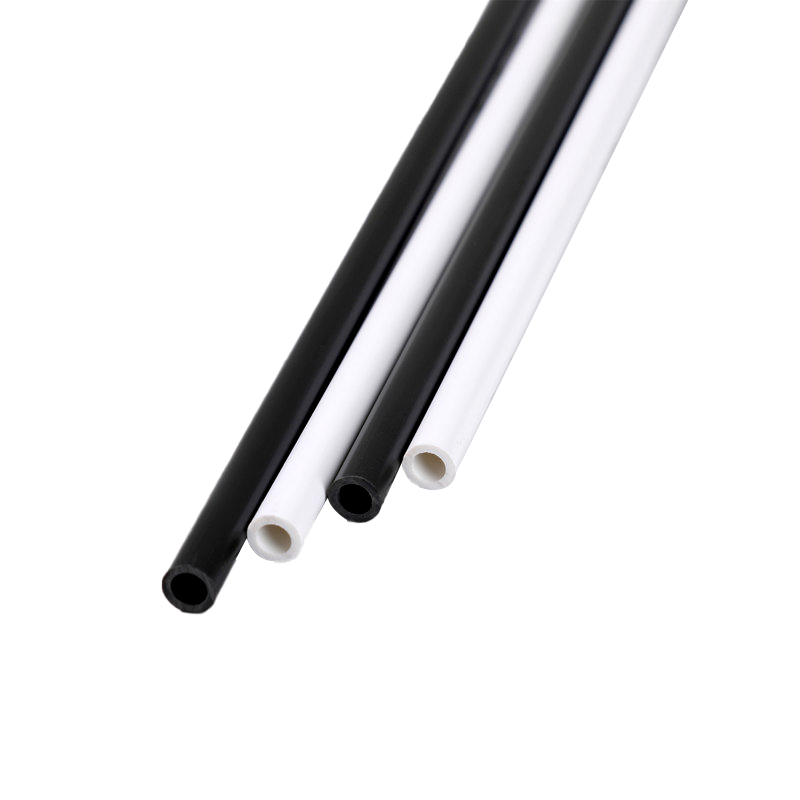
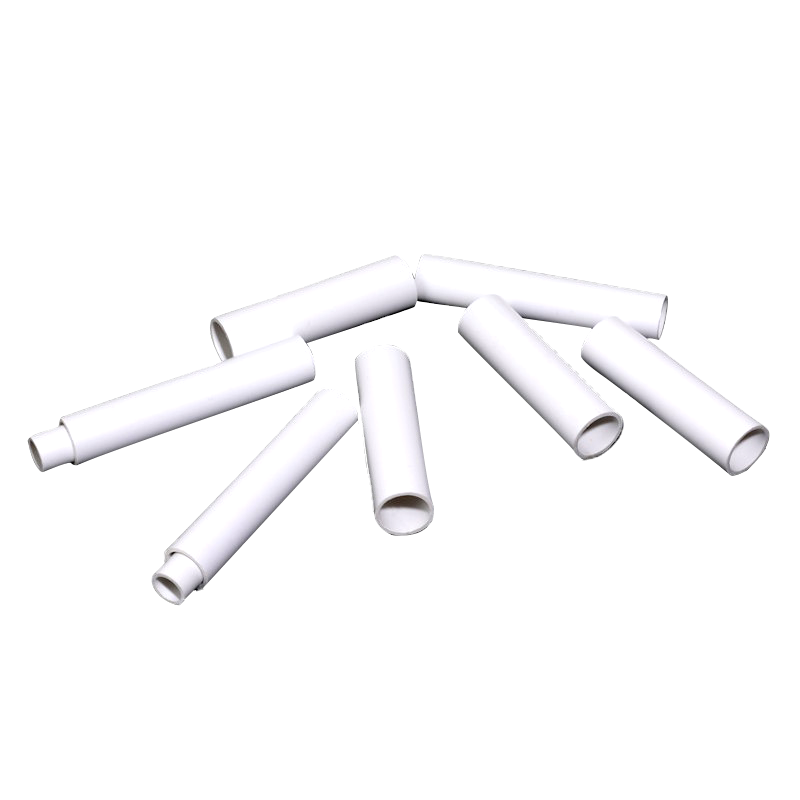
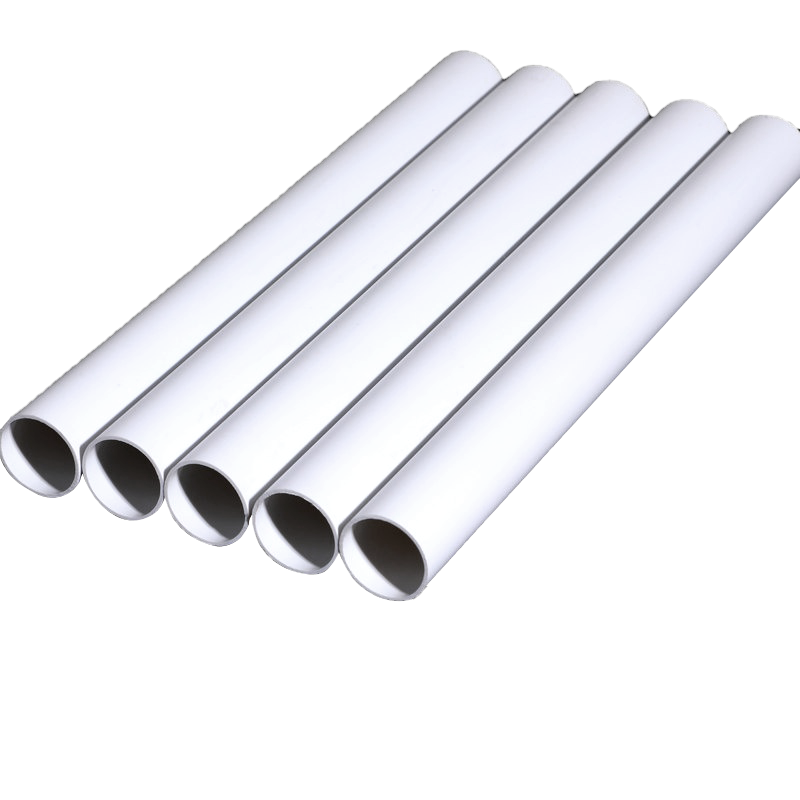
Plastic pipes have moved from niche applications into the core of large-scale construction projects worldwide. Once viewed mainly as lightweight alternatives for small plumbing systems, they are now widely used in municipal water networks, drainage systems, industrial facilities, and even high-rise buildings. This shift is driven by advances in polymer science, improved manufacturing techniques, and rising pressure to reduce construction costs and environmental impact.
As infrastructure projects become larger and more complex, developers and engineers are questioning whether plastic pipes can truly replace traditional materials such as steel, copper, and concrete. The answer depends on performance, lifecycle costs, safety standards, and long-term reliability rather than simple material preference.
Performance Characteristics Compared to Traditional Materials
In large-scale construction, material performance is measured by strength, pressure resistance, corrosion behavior, and service life. Plastic pipes, including PVC, HDPE, and PPR, offer distinct performance advantages when evaluated against metal and concrete systems. Their flexibility allows them to absorb ground movement and vibration, reducing the risk of cracking or joint failure in seismic or unstable soil conditions.
Unlike steel or iron pipes, plastic pipes are inherently corrosion-resistant. This property eliminates the need for internal coatings or cathodic protection, which are often required for metal pipelines. In environments with aggressive chemicals, high moisture, or varying pH levels, plastic pipes maintain consistent performance over time.
Key Performance Advantages
- Resistance to corrosion, scaling, and chemical attack
- Flexibility that reduces breakage under ground movement
- Stable hydraulic performance due to smooth internal surfaces
Cost Efficiency in Large-Scale Projects
Cost is a decisive factor in large-scale construction, where even small savings per unit can result in significant budget reductions. Plastic pipes generally have lower raw material costs than metals, but the real savings emerge across the entire project lifecycle. Their lightweight nature reduces transportation expenses and allows faster handling on-site without heavy lifting equipment.
Installation labor costs are also lower because plastic pipes can be joined using efficient methods such as heat fusion, solvent welding, or mechanical fittings. These techniques shorten installation time and reduce the risk of installation errors, which is critical when projects operate under tight schedules.
Durability and Service Life Expectations
A common concern regarding plastic pipes is whether they can match the long service life traditionally associated with metal or concrete systems. Modern plastic pipes are engineered to deliver service lives of 50 years or more under normal operating conditions. Advances in UV stabilization, pressure rating standards, and material formulations have significantly improved long-term durability.
In buried applications, plastic pipes often outperform traditional materials because they do not rust or degrade due to soil chemistry. Their flexibility allows them to distribute loads more evenly, reducing stress concentrations that can lead to failure in rigid pipes.
Installation Speed and Project Scalability
Large-scale construction demands materials that support fast deployment and scalability. Plastic pipes excel in this area because they are easier to transport, cut, and assemble on-site. Long pipe lengths and coil formats reduce the number of joints required, which lowers leakage risk and speeds up installation.
For infrastructure projects such as water supply networks or industrial parks, faster installation directly translates into reduced downtime and earlier project completion. This advantage makes plastic pipes particularly attractive for urban developments where construction disruption must be minimized.
Environmental Impact and Sustainability Considerations
Sustainability is increasingly influencing material selection in construction. Plastic pipes contribute to environmental goals in several ways. Their lightweight design lowers transportation-related emissions, and their long service life reduces the frequency of replacement and associated resource consumption.
Many plastic pipe systems are recyclable, and manufacturers are investing in closed-loop production processes. Compared to traditional materials that require energy-intensive extraction and processing, plastic pipes often have a lower overall carbon footprint when evaluated through lifecycle assessments.
Sustainability Benefits of Plastic Pipes
- Reduced energy consumption during manufacturing and transport
- Long lifespan that supports resource efficiency
- Recyclability aligned with circular construction models
Comparative Overview of Pipe Materials
| Criteria | Plastic Pipes | Traditional Materials |
| Corrosion Resistance | Excellent | Requires protection |
| Installation Speed | Fast and efficient | Labor-intensive |
| Lifecycle Cost | Lower overall | Higher maintenance |
Limitations and Engineering Considerations
Despite their advantages, plastic pipes are not a universal solution. Temperature limitations, pressure ratings, and fire performance must be carefully evaluated during system design. In high-temperature industrial processes or applications requiring extreme pressure resistance, traditional materials may still be necessary.
Proper engineering design, material selection, and compliance with local building codes are essential. When these factors are addressed, plastic pipes perform reliably in demanding large-scale environments.
Can Plastic Pipes Truly Replace Traditional Materials?
Plastic pipes are not simply replacements for traditional materials; they represent a different engineering approach optimized for modern construction priorities. In many large-scale applications, they already outperform metal and concrete in terms of cost efficiency, corrosion resistance, and installation speed.
While traditional materials will remain relevant in specialized scenarios, plastic pipes have proven capable of meeting the structural, economic, and environmental demands of contemporary large-scale construction. As technology and standards continue to evolve, their role is likely to expand even further.
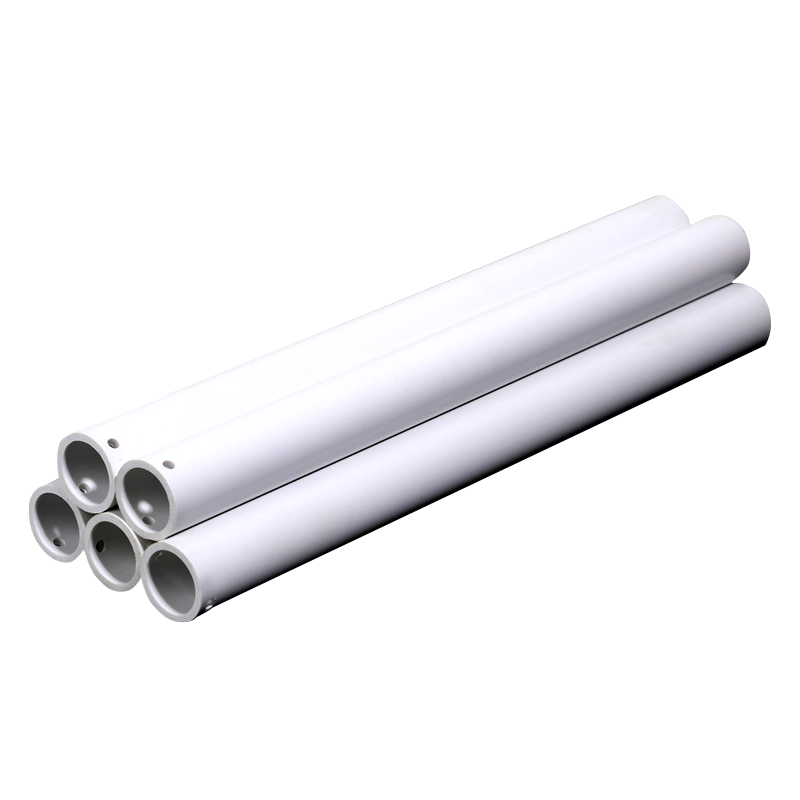
Recommended products
-
2023 New Cheap Plastic Pipe Multiple Colors And Sizes Custom Hand Waving Flagpole
-
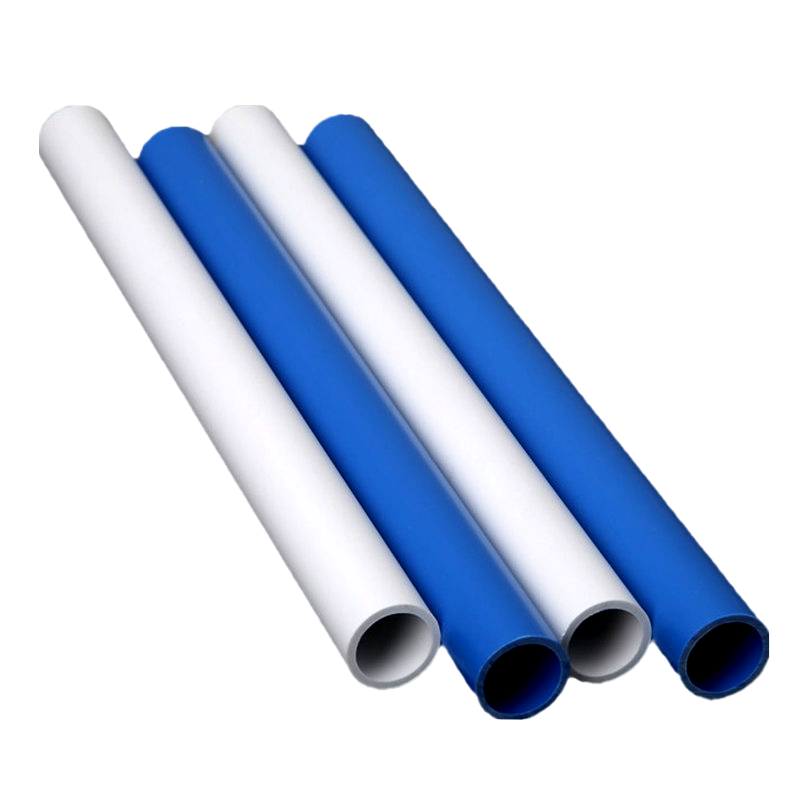
Wholesale Custom Pvc Material Indoor Desktop Flagpole Hand Waving Flagpole
-
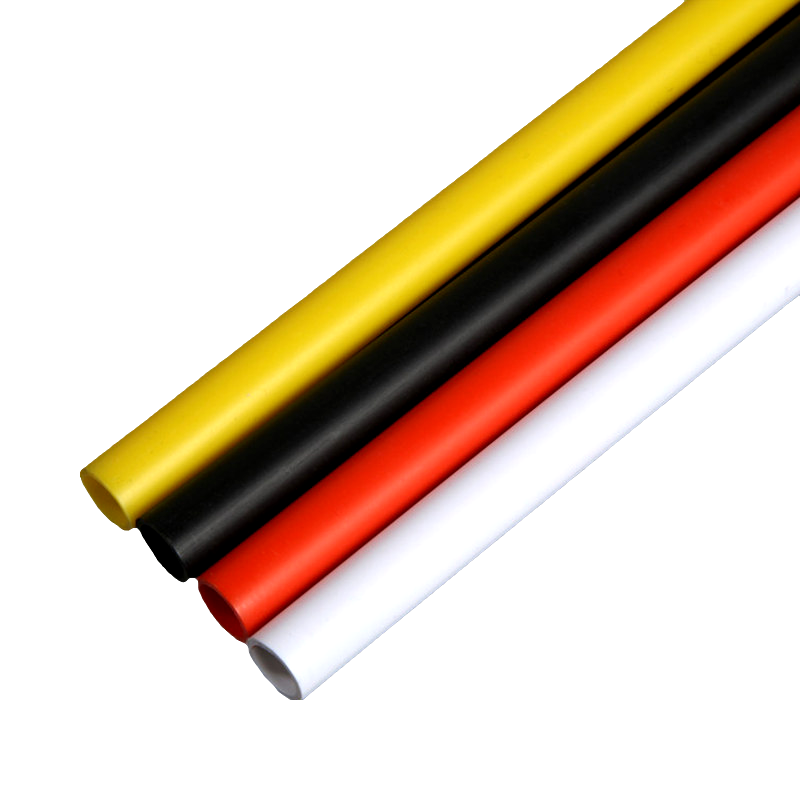
Customizable Size Custom Logo Plastics Hand Waving Flagpole Big Pvc Flagpole
-
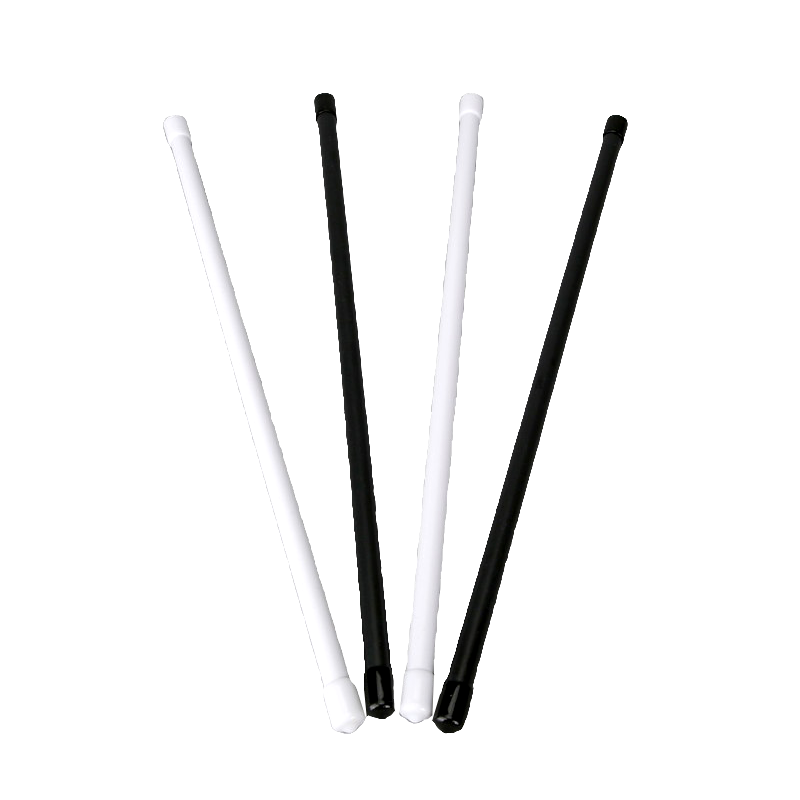
Plastics Hand Waving Flagpole Factory Direct Custom Wholesale PVC Flagpole Parts Pipe
-
Custom Easy Install Safety Flagpole Pvc China Factory Hand Waving Flagpole
-
New Popular Product Transparent Pvc Flagpole Custom Size Hand Waving Flagpole
-
2023 High Quality Hand Waving Flagpole Big Or Small Flagpole Size Custom
-
Fast Delivery Promotion Factory Wholesale Flagpole Pvc Pipe Hand Waving Flagpole
-
2023 Personalized Custom Desk Hand Waving Flagpole Outdoor White Flagpole
-
Wholesale 2023 Hot Sale Used Flagpole Weight Custom Pvc Hand Waving Flagpole
-
Wholesale Products Cheap High Quality Hand Waving Flagpole Newest Sections Flagpole
-
Wholesale Cheap High-Quality Hot Sale Flagpole Cylindrical Hand Waving Flagpole

Follow Us:
Copyright © Tongxiang Guangyu Plastic Products Co., Ltd. Rights Reserved.
